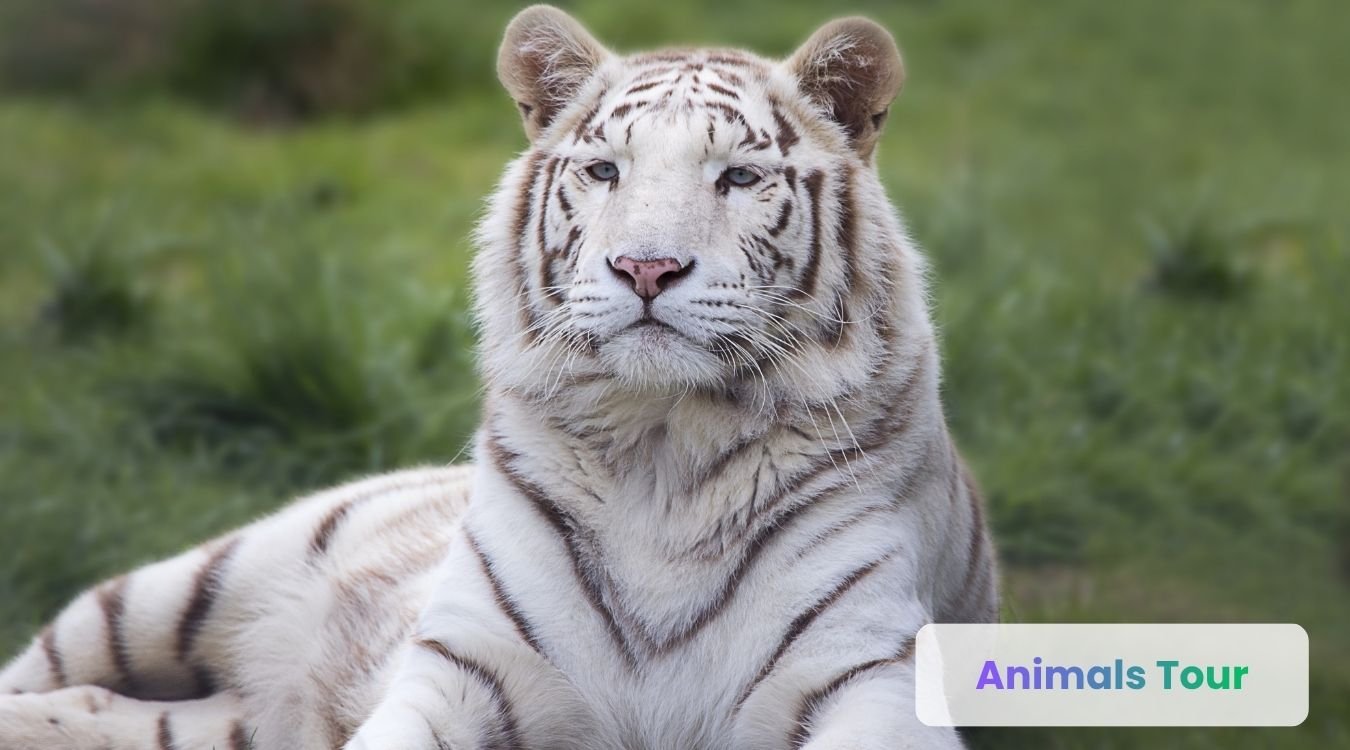
15 Unique Animals with Down Syndrome like Conditions
People might think Down Syndrome is only related to humans, but there are some animals that exhibit conditions similar to down syndrome. These down syndrome animals may look a little different and face unique challenges, but they are full of love and joy. Let’s uncover the top 15 animals with down syndrome-like conditions, revealing how they challenge our views on disabilities and teach us valuable lessons about compassion and acceptance.
List of Animals With Down Syndrome
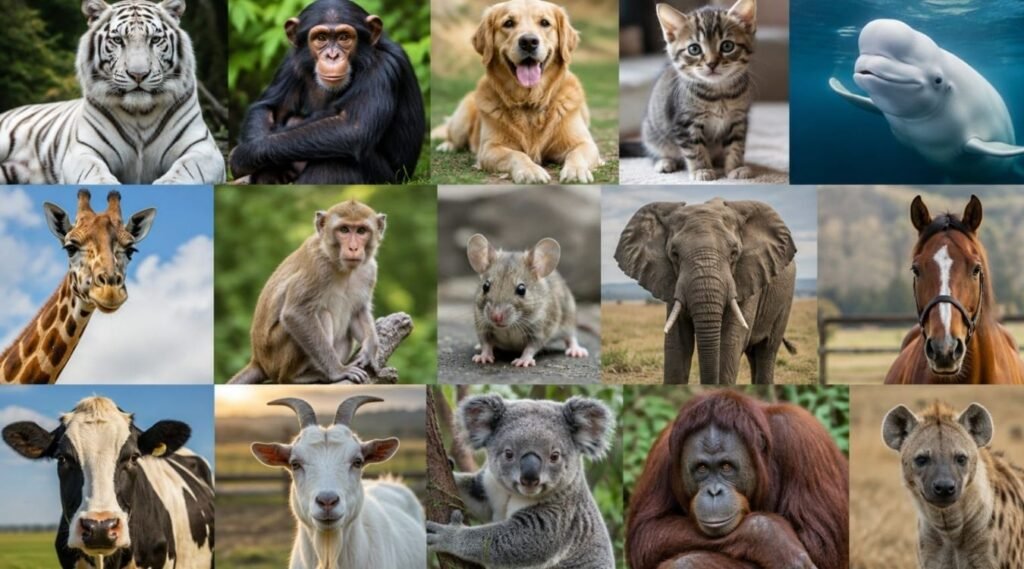
Here is the list of the top 15 animals with down syndrome-like traits.
- Tigers (Kenny)
- Chimpanzees
- Dogs
- Cats (Otto the kitten)
- Beluga Whales
- Giraffes
- Monkeys
- Mice
- Elephants
- Horses
- Cows
- Goats
- Koalas
- Orangutans
- Hyenas
Kenny the Tiger with Down Syndrome
Scientific name: Panthera tigris
Class: Mammalia
Diet: Carnivore
Kenny the Tiger is a white tiger known for his unusual appearance that some people likened to characteristics of Down syndrome. His broad face, short snout, widely spaced eyes, and difficulty closing his mouth set him apart from other tigers.
Many online discussions suggested he had Down syndrome-like features, but it’s important to note that there was no medical confirmation that he had human Down syndrome. Instead, experts believe his unique look might have come from genetic abnormalities related to inbreeding and captive breeding practices in white tigers.
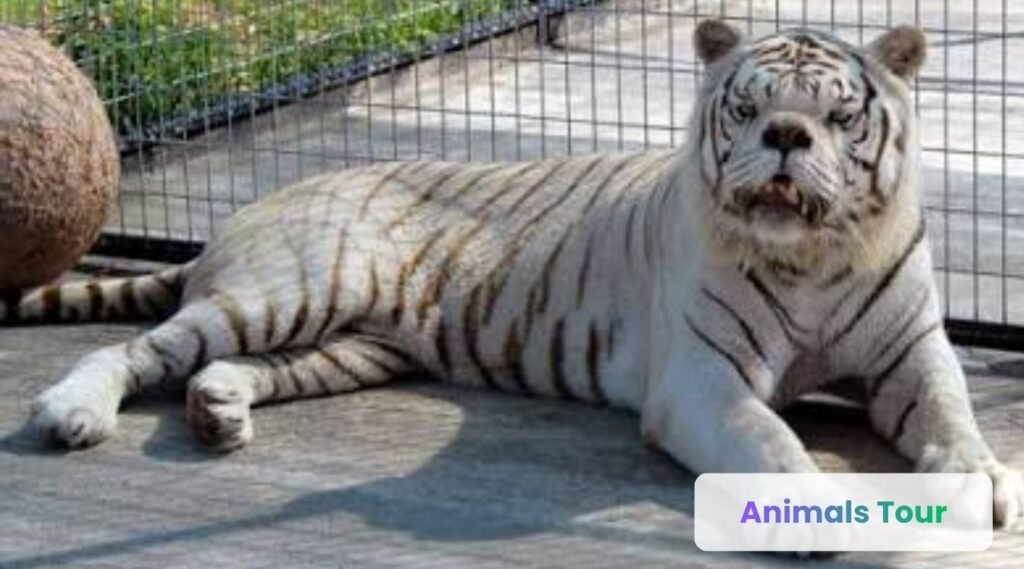
White tigers like Kenny were often bred in captivity to produce their striking color, which unfortunately can lead to health issues. Inbreeding can cause a range of genetic problems, and it’s likely that Kenny’s appearance and documented health issues were linked to these practices. His life in captivity raised awareness about the consequences of intensive breeding.
Down Syndrome in Chimpanzees
Scientific name: Pan troglodytes
Class: Mammalia
Diet: Omnivorous (mainly fruits, leaves, seeds, insects, and occasionally small animals
Chimpanzees with Down syndrome-like conditions have garnered scientific interest, particularly in documented cases of trisomy 22, which closely parallels human trisomy 21 due to the genetic similarity between chimpanzee chromosome 22 and human chromosome 21.
Research has identified several instances of trisomy 22 in chimpanzees, highlighting this chromosomal abnormality’s potential to mimic aspects of Down syndrome. Affected individuals often exhibit developmental delays, cognitive impairments, and distinctive physical features reminiscent of their human counterparts, making them invaluable for comparative studies.
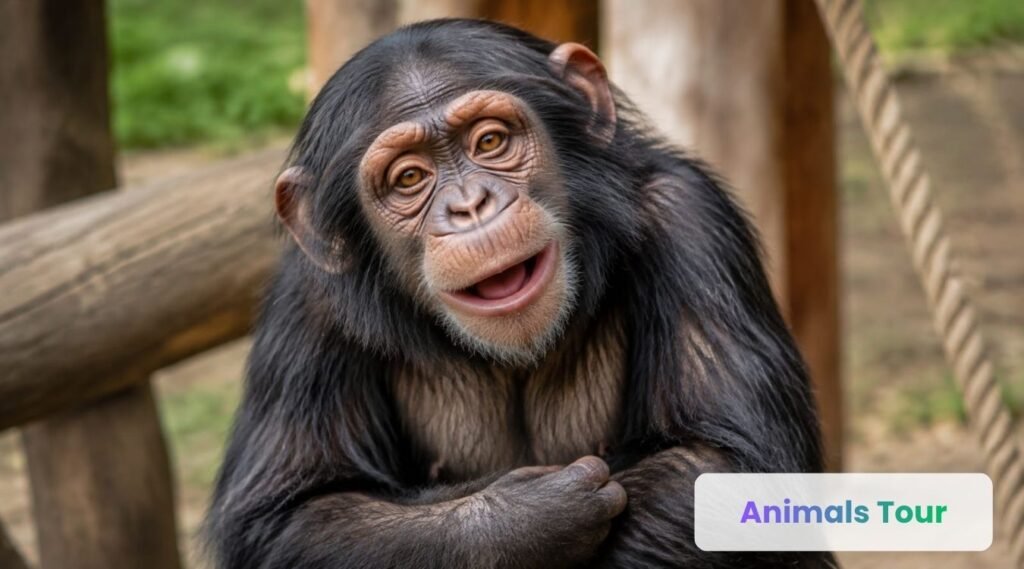
Studies of chimpanzees with trisomy 22 reveal that, while some characteristics mirror Down syndrome, there are notable differences in severity and manifestation due to species-specific genetic architecture. For example, certain developmental outcomes may differ, influenced by the unique evolutionary context of chimpanzees. This raises intriguing questions about the biological underpinnings of Down syndrome and offers a natural model from which researchers can explore both commonalities and differences in chromosomal conditions across species.
Dogs With Down Syndrome
Scientific name: Canis lupus familiaris
Class: Mammalia
Diet: Omnivore
Some dogs are sometimes referred to as having “Down syndrome” because they display certain physical traits similar to those seen in humans with Down syndrome. These traits can include a broad muzzle, wide-set eyes, and unusual body proportions. Additionally, some dogs may experience developmental delays or have difficulty learning new commands. However, it’s important to understand that these are not signs of human Down syndrome.
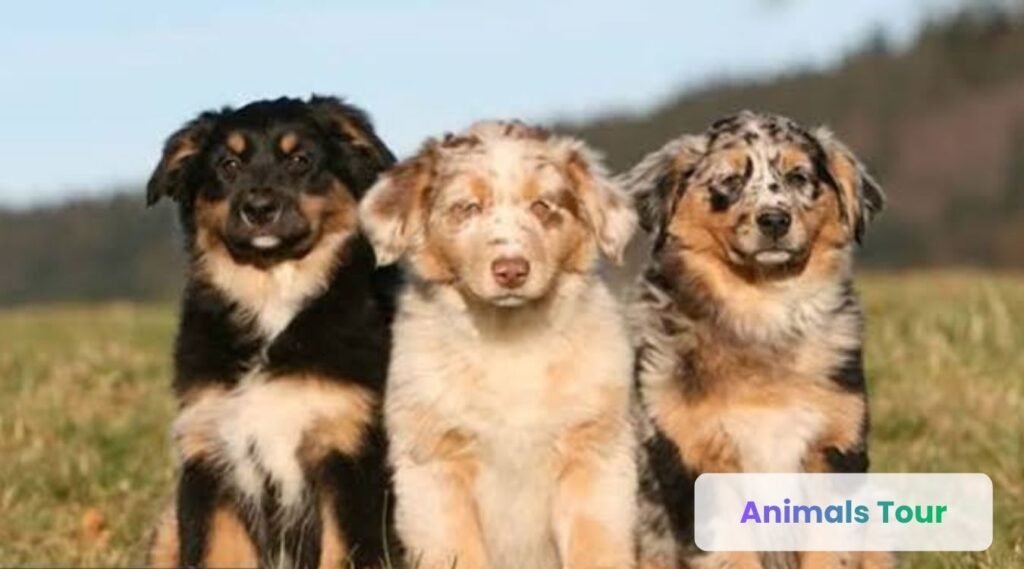
Instead, these traits in dogs are usually linked to genetic abnormalities or congenital disorders, which can affect their physical appearance and behavior. There is no proven, naturally occurring canine version of human trisomy 21, the condition that causes Down syndrome in people.
So when we talk about a “Down syndrome dog,” we refer to these dogs with Down syndrome-like features, but they don’t have the same condition as humans. Each case is unique, and understanding the underlying causes can help ensure these dogs receive the care they need.
Otto the kitten- A down syndrome cat
Scientific name: Felis catus
Class: Mammalia
Diet: Carnivore
Otto the kitten has gained attention for its unique appearance, often described as a Down syndrome Cat due to its Down syndrome-like features. Its distinctive traits, such as a flatter face and wide-set eyes, led many to speculate about his condition.However, veterinarians clarify that cats do not possess a human chromosome 21 and, therefore, cannot have true Down syndrome. Instead, Otto’s characteristics may be attributed to specific genetic or developmental abnormalities manifesting in physical traits that echo those seen in human Down syndrome.
Otto’s health has generally been stable, enabling it to thrive in a loving environment. Its congenital condition, whether stemming from genetics or developmental factors, has not hindered his playful spirit or affectionate personality. Despite the misconceptions surrounding its appearance, Otto continues to serve as a reminder of the incredible diversity within the feline world, encouraging awareness and understanding of the varied conditions that can affect pets.
Beluga Whales
Scientific name: Delphinapterus leucas
Class: Mammalia
Diet: Carnivorous (fish, squid, crustaceans, and other marine animals)
Beluga whales are unique and friendly creatures found in the Arctic and sub-Arctic waters. Known for their whitish color and rounded heads, they often travel in groups called pods. Unlike some other whales, belugas can make a lot of different sounds, which helps them communicate with one another. They are sometimes nicknamed the “canaries of the sea” because of their wide range of vocalizations, from whistles to clicks.
Beluga whales are sometimes included in discussions about animals with Down syndrome, mainly because some individuals may have physical or behavioral traits that people perceive as unusual. However, there is no established evidence that beluga whales actually develop human Down syndrome. Their playful, social nature is a normal part of their behavior and should not be considered a sign of the condition.
Belugas are highly social animals that communicate, play, and interact closely with members of their groups. Studying their behavior and biology helps researchers better understand these marine mammals and the wide diversity of traits found in the animal kingdom.
Giraffe with Down Syndrome
Scientific name: Giraffa camelopardalis
Class: Mammalia
Diet: Herbivorous (mainly leaves, shoots, and twigs)
While some claims suggest that giraffes can have Down syndrome-like features, there are no scientifically confirmed cases of Down syndrome in giraffes. Down syndrome is a specific genetic condition seen in humans caused by an extra copy of chromosome 21. Giraffes have a different number of chromosomes, meaning they cannot clinically display the same syndrome.
However, some giraffes may exhibit unusual traits or developmental abnormalities that can make them appear “different.” These unique traits might be due to various genetic disorders or chromosomal abnormalities specific to their species, but they would not be classified as Down syndrome. For example, certain health issues like skeletal deformities or mental challenges can arise from specific genetic variations.
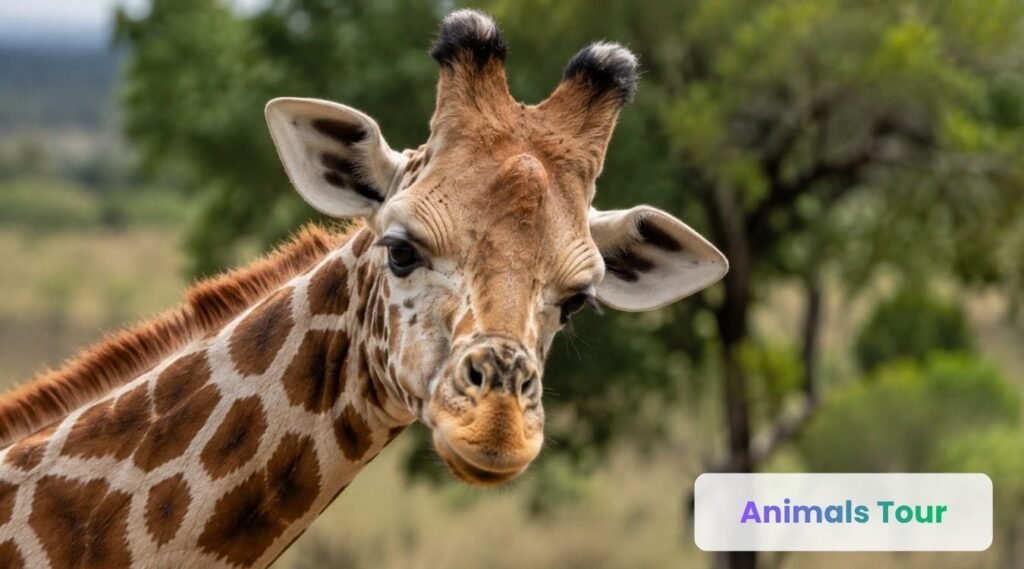
It’s important to treat these distinctive giraffes with empathy, recognizing that each one faces its own challenges and brings unique traits to the wild. In summary, while giraffes can have developmental issues, they do not have Down syndrome as it is understood in humans.
Monkeys with Down Syndrome like Traits
Scientific name: Simiiformes
Class: Mammalia
Diet: Omnivorous (fruits, leaves, seeds, insects, and small animals)
Some monkeys have been found to exhibit chromosomal abnormalities that lead to physical and developmental traits similar to those seen in humans with Down syndrome. Specifically, cases in species like the Japanese macaque and rhesus macaque have shown changes in their chromosome structures. For instance, researchers discovered instances of trisomy, where an extra chromosome can affect development. This can lead to distinct features such as facial differences and learning challenges.
Scientists study these monkeys to better understand genetic conditions and develop potential treatments. By observing animals with Down syndrome-like features, researchers can explore how chromosomal abnormalities affect growth and behavior.
These studies help in discovering the underlying causes of Down syndrome and can pave the way for medical advancements that benefit both humans and animals. This work underlines the importance of monkeys in genetic research, providing valuable insights into conditions that mirror those found in human beings.
Down Syndrome in Mice
Scientific name: Mus musculus
Class: Mammalia
Diet: Omnivorous (seeds, grains, fruits, insects, and plant material)
Scientists have created Down syndrome mouse models by genetically modifying mice to carry extra copies of certain genes corresponding to those found on human chromosome 21. These mice are not naturally occurring animals with Down syndrome; they are laboratory models designed to help researchers study the effects of increased gene dosage.
Some of these mice show differences in brain development, learning, memory, and behavior. Researchers can compare their performance in tasks with that of typical mice to investigate how extra genetic material affects the brain and nervous system.
These models are valuable because they allow scientists to study the biological mechanisms associated with Down syndrome in a controlled setting. They are also used to investigate potential treatments and better understand how genetic changes can influence development and cognitive function.
Elephants
Scientific name for African elephant: Loxodonta africana
Scientific name for Asian elephant: Elephas maximus
Class: Mammalia
Diet: Herbivore
Certain elephants have been observed exhibiting physical and developmental characteristics reminiscent of Down syndrome in humans, though these comparisons are not scientifically substantiated. For instance, an elephant named Bubbles, residing in a sanctuary, displayed unique features such as shorter stature, irregularities in facial structure, and behavioral differences that captured the attention of wildlife enthusiasts.
Reports have pointed to the possibility of other developmental differences in elephants, yet the idea of “elephants with Down syndrome-like features” remains more anecdotal than clinical. To date, no documented cases have established a direct link between any identified chromosomal anomalies in elephants and those akin to human Down syndrome.
The fascination with these cases prompts further inquiry into the genetics of elephants and the broader implications for their care, conservation, and understanding within the animal kingdom.
Rare Genetic Conditions in Horses
Scientific name: Equus caballus
Class: Mammalia
Diet: Herbivorous (mainly grasses, hay, and other vegetation)
Horses that exhibit features sometimes likened to Down syndrome-like conditions may have specific equine chromosomal abnormalities. Some genetic disorders can lead to various developmental abnormalities including smaller size, unusual facial features, and certain behavioral issues.
Unlike human Down syndrome, which is caused by an extra copy of chromosome 21, these genetic disorders in horses do not result from an extra chromosome but rather from missing or irregular segments of existing chromosomes.
Documented cases in horses show that affected individuals often struggle with growth and fertility problems. While there are many claims about horses with Down syndrome-like features, most of these are unconfirmed and rely heavily on anecdotal evidence rather than scientific validation. Understanding these conditions helps highlight the diversity of horse genetics and the unique challenges these animals can face.
Cows
Scientific name: Bos taurus
Class: Mammalia
Diet: Herbivorous (mainly grasses, hay, and other plant material)
Cattle can experience various chromosomal abnormalities, just like humans. Some research has shown that certain cows can have traits similar to human Down syndrome, which is caused by an extra copy of chromosome 21. In cattle, there are documented cases of trisomy — when an animal has three copies of a particular chromosome instead of two.
Some cattle have been observed with abnormal growth patterns, unusual facial features, and fertility issues, which can be likened to features seen in humans with Down syndrome. These cows with Down syndrome-like features may face challenges in their overall health and development, affecting their appearance and ability to reproduce.
However, it’s important to note that calling a cow “Down syndrome” can be misleading. The condition in cattle is not directly related to human trisomy 21, as bovine chromosomes differ significantly from human ones. While both conditions can lead to unique physical traits and health challenges, they arise from different genetic bases.
Understanding the specifics of cattle trisomy helps clarify that while there may be visual similarities, the underlying genetic issues are distinct between species. This distinction is vital for accurately discussing the health of animals with Down syndrom like features in cattle.
Goat
Scientific name: Capra hircus
Class: Mammalia
Diet: Herbivorous (mainly grasses, leaves, shrubs, and other vegetation)
Although Down syndrome has not been established in goats, some goats have been reported with physical or developmental abnormalities that may resemble certain features associated with the condition in humans. These differences can be linked to chromosomal abnormalities or other genetic disorders, although the exact cause varies between cases.
Extra or altered chromosomes can affect normal development, but these conditions should not be confused with human trisomy 21. Because goats have a different chromosome structure, a goat with unusual facial features, body proportions, or developmental difficulties cannot simply be diagnosed with Down syndrome based on appearance alone.
Such cases provide an opportunity to learn more about goat genetics, chromosomal abnormalities, and animal development. However, more research is needed to determine the causes of many unusual developmental conditions reported in goats.
Kaola
Scientific name: Phascolarctos cinereus
Class: Mammalia
Diet: Herbivorous (mainly eucalyptus leaves)
Koalas are often mentioned in discussions about animals with Down syndrome, but there isn’t solid proof that they can actually develop this condition like humans do. They may have some physical or behavior differences, but that doesn’t mean they have the same genetic issues as people with Down syndrome.
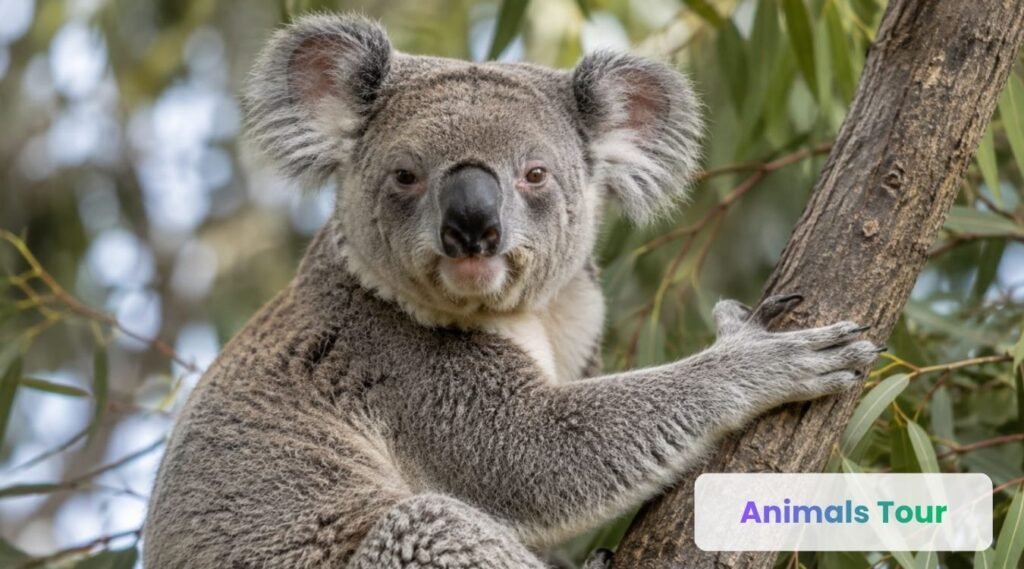
Researchers are looking into koala genetics to gain better insights into their health and reproduction. By studying their DNA, scientists can learn how to help keep koalas safe from diseases and understand their needs for a healthy life. This knowledge is crucial because a diverse gene pool helps ensure that koala populations can survive for years to come.
Orangutan
Scientific name: Pongo
Class: Mammalia
Diet: Omnivorous (mainly fruits, leaves, bark, and insects)
Orangutans are highly intelligent great apes, but there is no confirmed case of Down syndrome in orangutans. Although they share many genetic similarities with humans, their chromosome structure differs from ours, so human trisomy 21 does not directly apply to them. Studying orangutan chromosomes helps scientists understand primate genetics, evolution, and development.
Hyenas and Unusual Genetic Conditions
Scientific name: Hyaenidae
Class: Mammalia
Diet: Carnivorous (mainly meat, carrion, and bones)
Hyenas are unique in the animal kingdom due to their unusual genetic makeup. They have a distinctive chromosome structure with 30 pairs of chromosomes, but what sets them apart is how these chromosomes work together during development. This structure can sometimes lead to physical traits such as broader faces and stocky bodies. However, these traits are normal for hyenas and are not linked to any genetic disorder.
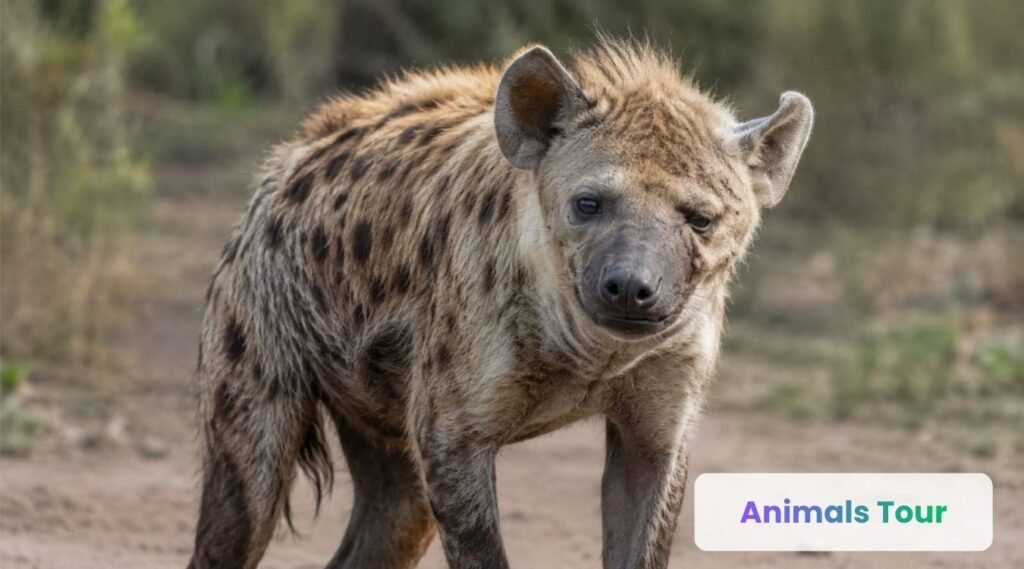
One interesting fact about hyenas is that female hyenas are larger and more dominant than males, which is quite different from most other mammals. This social structure can be seen in their physical features, where females have enlarged genitalia, often leading to confusion about their sex.
While some may draw comparisons between hyenas and animals with Down syndrome, the underlying reasons stem from the normal variation in their biology, not a genetic condition. Understanding these unique traits helps us appreciate how different species adapt to their environments.
Conclusion
In summary, animals with Down Syndrome show us how unique and special all creatures can be. Each of these animals shares their own personality and charm, reminding us that differences are something to celebrate. While they face challenges, they also bring joy and love to those around them.
FAQS
What does it mean for an animal to have Down syndrome-like traits?
Animals with Down syndrome-like traits display physical characteristics or behavioral tendencies reminiscent of humans with Down syndrome, such as distinct facial features, cognitive challenges, or social behaviors.
Can animals actually have Down syndrome?
No, animals cannot have Down syndrome as it is a human-specific genetic condition. However, some animals may exhibit similar traits due to genetic abnormalities or developmental disorders.
What is a Down Syndrome cat?
A Down Syndrome cat refers to a cat that exhibits physical and behavioral characteristics that are similar to those seen in humans with Down syndrome, although the condition is not scientifically recognized in animals.
Is there any giraffe with Down Syndrome-like traits?
While there are no documented cases of giraffes with Down syndrome-like traits, individual giraffes may exhibit unique physical or behavioral characteristics due to genetic differences