Discover Top 18 Long Horned Animals (With Images)
In our exploration of long horned animals in the world, we delve into the stunning diversity of 18 species that showcase remarkable adaptations for survival. Understanding these animals with long horns isn’t just fascinating; it also highlights the intricate relationships between species and their environments.
List of Top 18 Long Horned Animals in the World
Here is the list of the top 18 animals with the longest horns.
| No of Animals | Common Names | Scientific Names of Animals with Long Horns |
| 1 | Ankole-Watusi | Bos taurus indicus |
| 2 | Texas Longhorn | Bos taurus |
| 3 | Greater Kudu | Tragelaphus strepsiceros |
| 4 | Giant Eland | Taurotragus derbianus |
| 5 | Common Eland | Taurotragus oryx |
| 6 | Sable Antelope | Hippotragus niger |
| 7 | Scimitar-Horned Oryx | Oryx dammah |
| 8 | Gemsbok | Oryx gazella |
| 9 | Addax | Addax nasomaculatus |
| 10 | Markhor | Capra falconeri |
| 11 | Alpine Ibex | Capra ibex |
| 12 | Elk | Cervus canadensis |
| 13 | Blackbuck | Antilope cervicapra |
| 14 | Waterbuck | Kobus ellipsiprymnus |
| 15 | Asian Water Buffalo | Bubalus bubalis |
| 16 | Wild Yak | Bos mutus |
| 17 | Bighorn Sheep | Ovis canadensis |
| 18 | Kankrej Cattle | Bos indicus |
Ankole-Watusi: The African Cattle with the Longest Horns
The Ankole-Watusi, renowned for its strikingly long horns that can span up to 10 feet, symbolizes resilience and cultural heritage in East Africa. These magnificent cattle are not just a feast for the eyes; their distinctive horns play a crucial role in thermoregulation, helping them adapt to the hot and arid climates of their native regions.The curvature of their horns enhances their ability to dissipate heat, illustrating a harmonious relationship between their biology and environment that many other cattle breeds lack.
Culturally, the Ankole-Watusi are revered not just as livestock but also as a status symbol among pastoral communities such as the Hutu and Tutsi tribes. The horns of these cattle frequently feature in ceremonial displays, linking people to their ancestry and traditions.
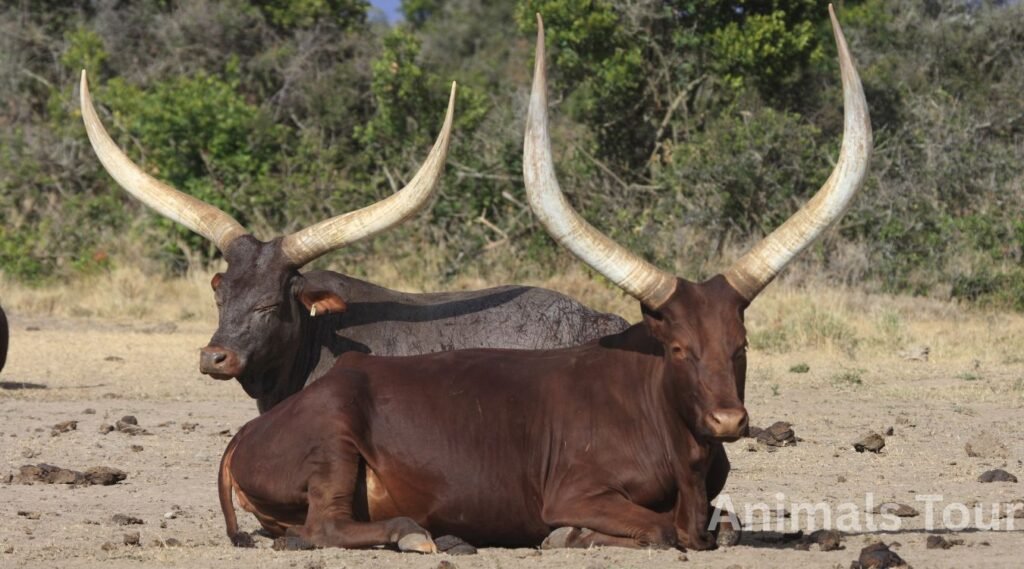
In addition, their milk, celebrated for its rich nutritional value, provides a crucial source of sustenance, highlighting the deep connection between human life and animal welfare in these societies. As conservation efforts gain momentum, these striking animals serve as a reminder of the importance of preserving biodiversity and cultural heritage, encouraging us to reconsider the roles livestock play in our communities today.
Texas Longhorn: Iconic Cattle Famous for Massive Horn Span
The Texas Longhorn is more than just a breed of cattle; it’s a symbol of resilience and adaptability in the rugged landscapes of North America. With its extraordinary horn spans that can reach up to seven feet, this magnificent animal embodies the spirit of the wild frontier.
Historically, they descend from Spanish cattle introduced to the Americas in the 16th century, thriving in harsh environments that many domesticated breeds could not withstand. Their remarkable hardiness not only shapes their character but has also supported their resurgence in modern ranching and conservation initiatives, showcasing nature’s resilience and capacity for survival.
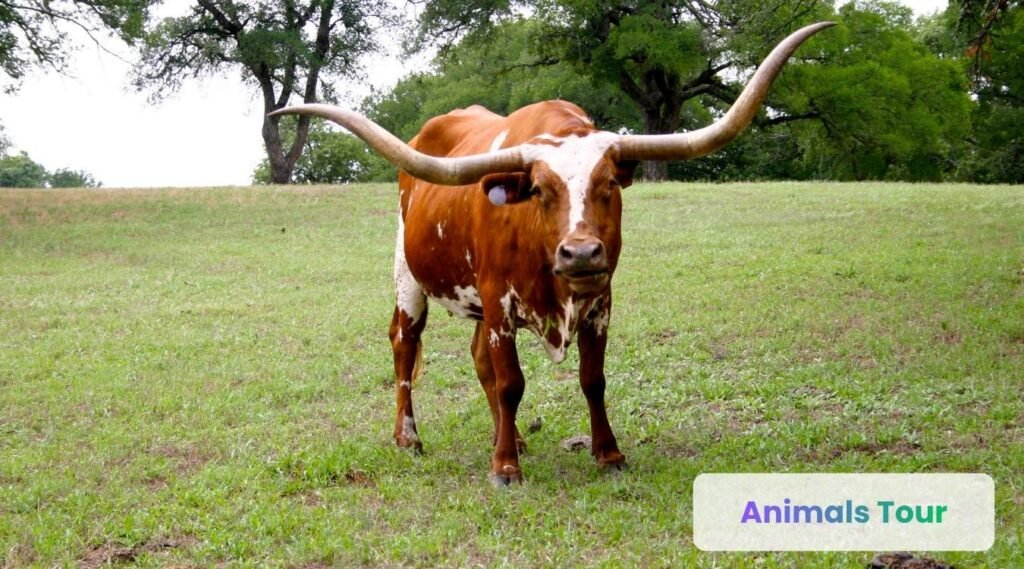
The Longhorn’s horns serve as both a striking physical trait and a practical adaptation. These immense appendages help regulate body temperature and provide a unique mechanism for protection against predators. More surprisingly, they play a crucial role in social behavior, acting as indicators of health and vitality among herd members. For ranchers and enthusiasts alike, the Texas Longhorn is not merely livestock; they represent a living legacy of American history, cultural pride, and agricultural innovation.
Greater Kudu: African Antelope with Stunning Spiral Horns
The Greater Kudu, a majestic antelope native to the woodlands and savannahs of Eastern and Southern Africa, captivates with its remarkable physical features and grace. These striped animals with long horns not only showcase impressive spiral antlers, which can reach lengths of up to 72 inches in males, but they also embody a fascinating evolutionary advantage. The unique twisting shape of their horns serves as a stunning adaptation, allowing them to navigate through dense bush and escape predators more efficiently.
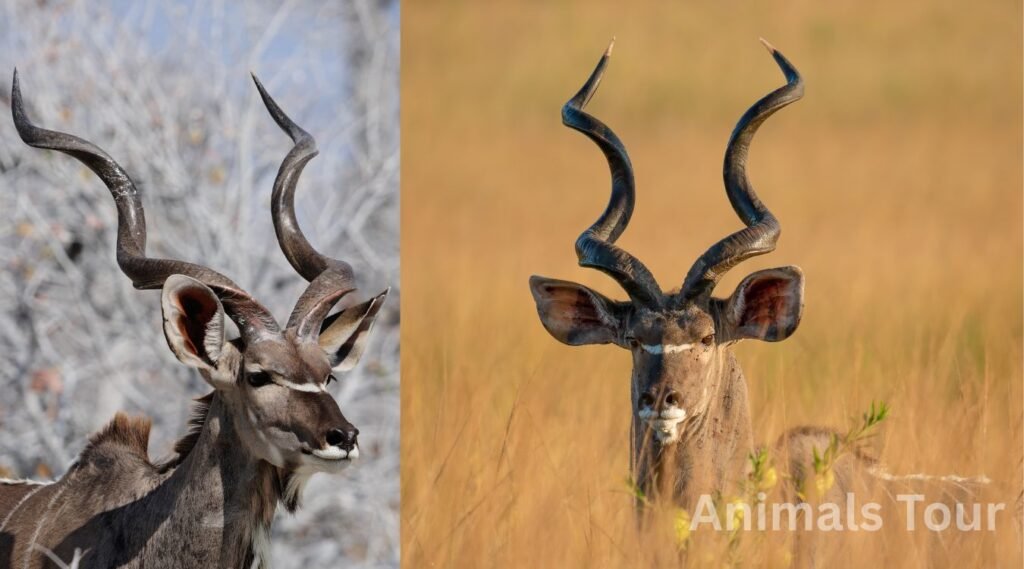
Beyond their striking appearance, Greater Kudus are social creatures, often found in loose herds that reflect a complex social structure. They communicate through a series of vocalizations and body language, fostering bonds among members and establishing hierarchies within the group. A lesser-known fact is that their oversized ears, capable of moving independently, sharpen their hearing and make them highly alert to potential dangers in the wild.
Giant Eland: The Largest Antelope with Impressive Horn Length
The Giant Eland, Africa’s largest antelope, is a powerful creature that embodies both grace and strength. It has impressive long horns that can reach up to four feet in length, showcasing nature’s artistry in both form and function. These impressive antlers are not merely for display; they play a crucial role in mating rituals and establishing dominance within herds. Giant Eland’s robust physique is complemented by its striking coloration — a blend of browns and whites that offers both camouflage in the wild and aesthetic appeal.
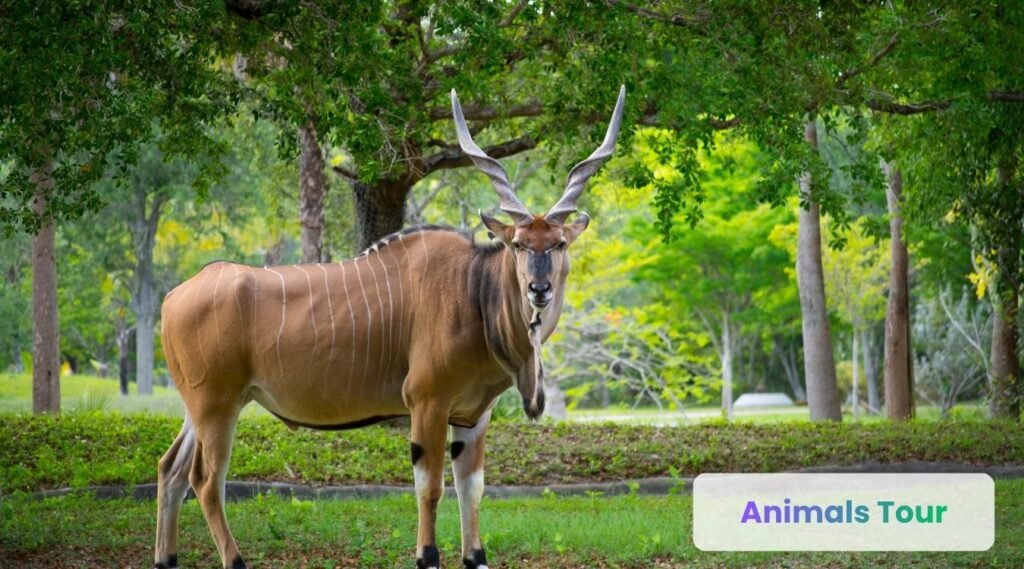
But what often goes unnoticed is the Giant Eland’s remarkable adaptability to various habitats, ranging from savannas to mountainous regions. This ability to thrive in diverse environments underscores its role in maintaining ecological balance. Surprisingly gentle despite their size, these mammals are known for their social dynamics, often forming tight-knit groups that enhance their survival chances against predators. Their interactions reveal close bonds, proving that in the wild, unity matters as much as strength.
Common Eland: Africa’s Horned Animal
The common eland, a standout among long-horned animals, embodies the essence of African savanna with its impressive stature and striking appearance. Males boast horns that can reach up to 90 centimeters. These gentle giants serve as a testament to evolutionary adaptation. When it comes to mating, their long horns act as both a display of fitness and an essential tool for sparring. Male elands engage in gentle combats that help establish hierarchy, making them integral to maintaining social structure within the group.
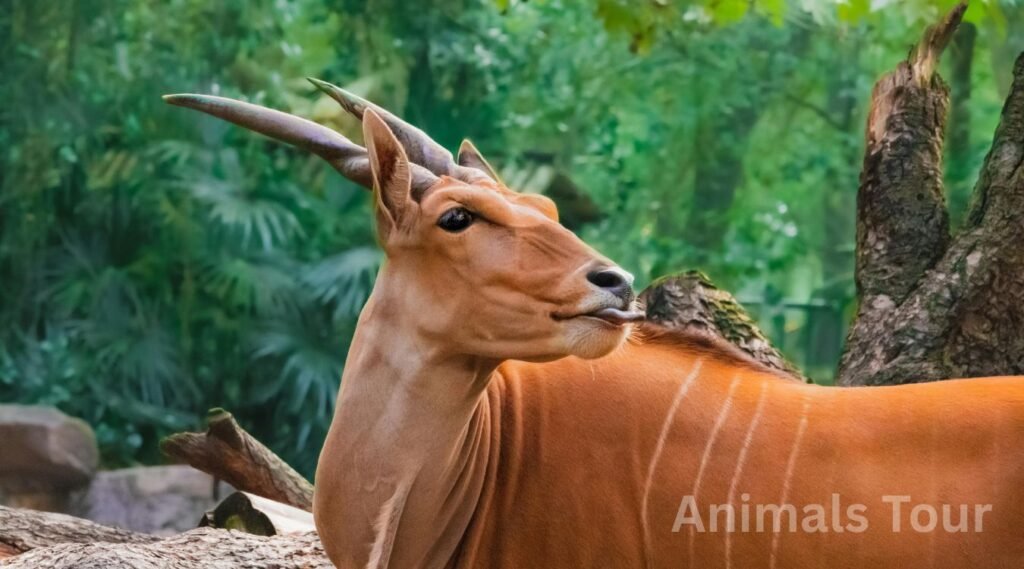
Eland herds have fascinating social structures. They engage in communal behaviors that showcase their intelligence. These animals communicate using low-frequency sounds. This helps them stay connected over long distances — a crucial skill in the unpredictable savanna.
Interestingly, the Giant Eland can go without water for extended periods. It draws hydration from the vegetation it consumes. This remarkable ability, along with its peaceful demeanor and striking appearance, allows the Giant Eland to maintain balance in its ecosystem.
Sable Antelope: Elegant African Antelope with Dark, Curved Horns
The sable antelope, easily recognizable by its striking dark fur and impressive, curved horns, serves as a fascinating example of adaptation in the African savannah. The role of horns extends beyond mere aesthetics; they are vital in establishing dominance among males and play a crucial part during mating rituals. In the wild, these formidable weapons are used in fierce battles, showcasing not only physical strength but also strategic maneuvering, as the intricately curved structure grants agility during combat.
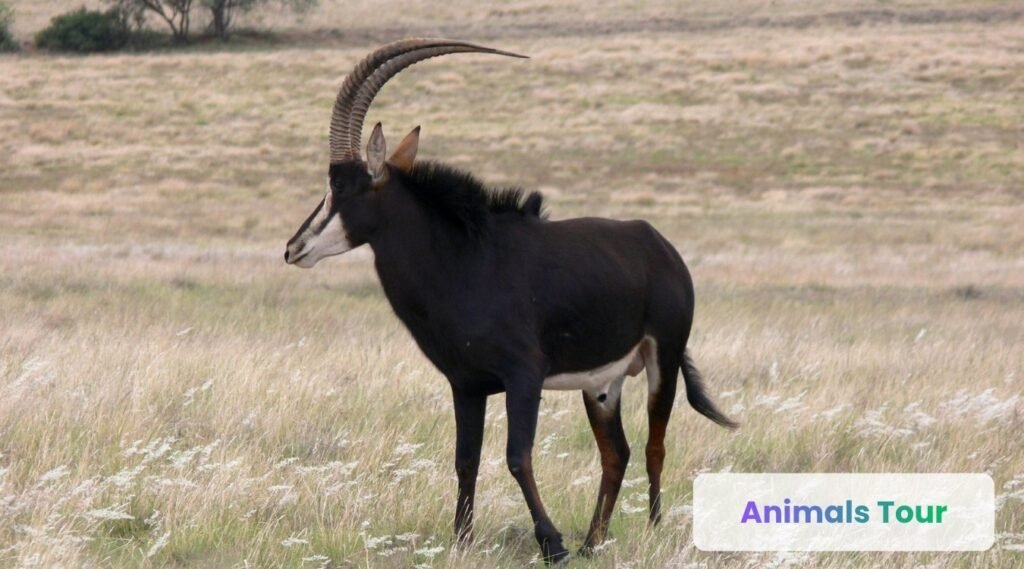
Yet, the sable’s elegance goes beyond its physical prowess. Its social structure provides a unique glimpse into herd dynamics, where a matriarchal system often leads to cooperative behavior among females. The interplay of individual personalities within the herd creates a rich tapestry of interactions that reflect not just survival, but a complex social life. Observing these creatures in their natural habitat shows that their horns symbolize more than combat strength. They also represent genetic fitness and highlight the sable’s vital role in African ecosystems.
Scimitar-Horned Oryx with Sword-Like Horn
The Scimitar-Horned Oryx, once roving the vast deserts and savannas of North Africa, showcases remarkable adaptations that highlight its survival prowess. Its iconic, scimitar-shaped horns, which can reach up to 3 feet in length, are not just a visually stunning feature but play a crucial role in its survival. During fights for dominance and territory, these horns serve as vital tools, helping the oryx maintain its position in the herd. Additionally, they can be employed to fend off predators, showcasing a combination of grace and ferocity that defines their existence in harsh habitats.
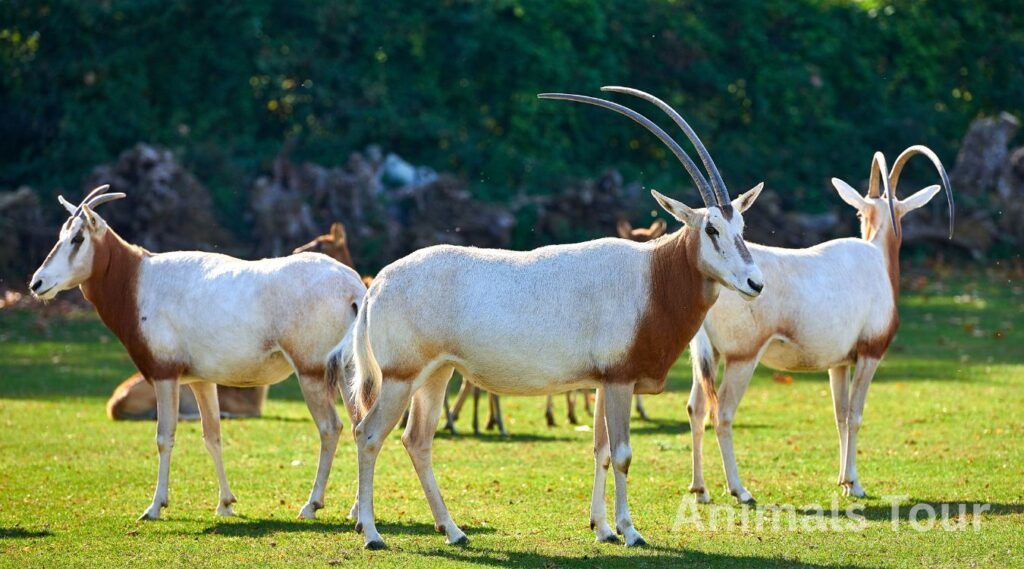
Adaptation is woven into the very fabric of the Scimitar-Horned Oryx’s life. They thrive in arid environments and have developed unique physiological resilience. This allows them to go without water for weeks by obtaining moisture from the vegetation they consume.
Their pale, reflective coats help resist the scorching sun and enable them to blend seamlessly into their surroundings, avoiding predators. As these magnificent creatures navigate the delicate balance of survival, their presence highlights the importance of conservation efforts aimed at restoring their populations and habitats.
Gemsbok: Straight-Horned Antelope in Africa
The gemsbok, a striking horned animal native to the arid regions of southern Africa, is an important example of adaptation and survival. Its impressive, long, straight horns can measure up to 36 inches. These horns are not just for show—they help defend against predators and establish dominance within herds. This combination of elegance and function provides a clear example of how nature designs survival mechanisms in challenging environments.
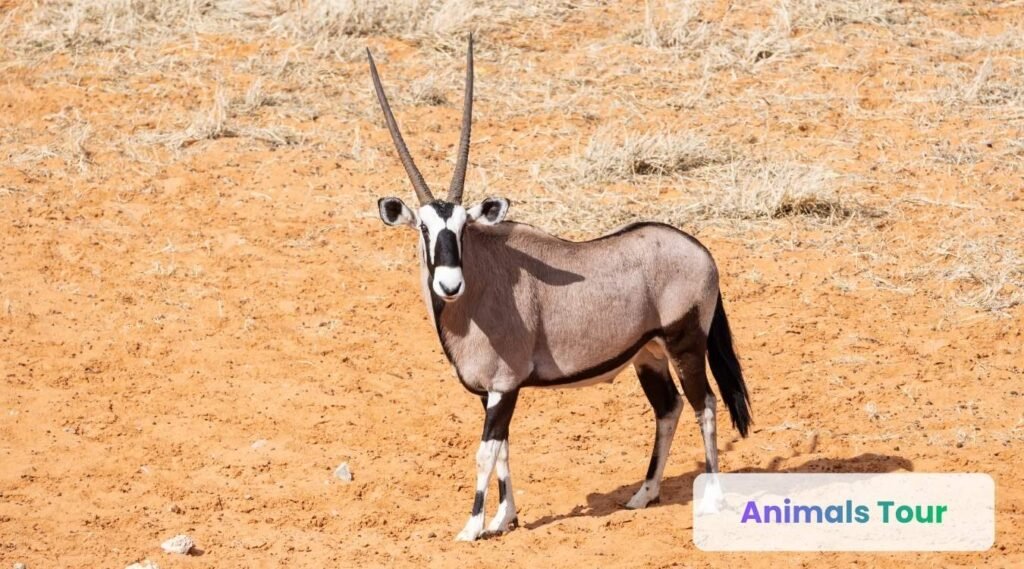
Beyond their formidable horns, gemsboks have developed other adaptations that enhance their survival. Their bodies are built to minimize water loss, allowing them to thrive where most species would struggle. They can go without water for extended periods, deriving moisture from the plants they consume. This incredible resilience highlights their ability to navigate the extremes of their habitat.The gemsbok’s strength, elegance, and resourcefulness make it a striking symbol of how life endures in some of the harshest environments on Earth.
Addax: Rare White Desert Antelope with Twisted Long Horns
The addax, also known as the white antelope, is a true marvel of the arid landscapes it inhabits, primarily the Sahara Desert. Its white coat reflects the harsh desert sun, contrasting beautifully with sand dunes and rocky terrain. With its long, twisted horns that can reach up to 39 inches, the addax not only showcases nature’s artistic flair but also serves as a testament to the species’ survival in such a hostile environment.
The spiraled horns enable the males to engage in fierce battles for dominance while also deterring potential predators.Unique curvature of horns can confound threats that may underestimate their agility and defensive capabilities.
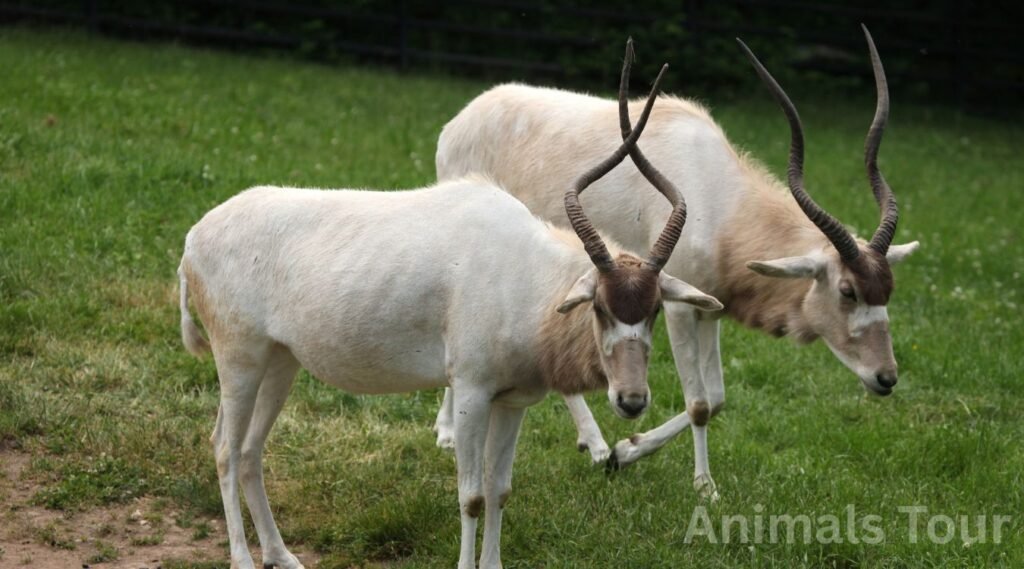
Beyond their impressive horns, Addax have evolved a host of remarkable adaptations that allow them to thrive in extreme aridity. Their light-colored coats reflect harsh sunlight, keeping them cooler during the blistering days, while their ability to survive without drinking water for extended periods is truly extraordinary.
They extract moisture from the sparse vegetation they consume, highlighting their remarkable metabolic efficiency. As one of the most elusive and endangered species in the world, the Addax symbolizes the fragility of desert ecosystems and the critical importance of conservation efforts to protect such unique horned animals from extinction.
Markhor: Central Asian Goat with Iconic Spiral Horns
The markhor, a magnificent goat native to Central Asia, wields its iconic spiral horns with both elegance and purpose. These impressive horns are far more than a display of beauty—they are vital tools for survival. During mating season, males use them to assert dominance, engaging in careful battles where the spiraled structure helps deflect blows and maintain balance.
The horns also serve a practical role beyond combat. In the rugged mountains where markhors live, the spirals assist in navigating steep, rocky slopes, giving these agile goats stability as they move with remarkable grace. This extraordinary adaptation shows how evolution shapes not just appearance but function, ensuring survival on earth.
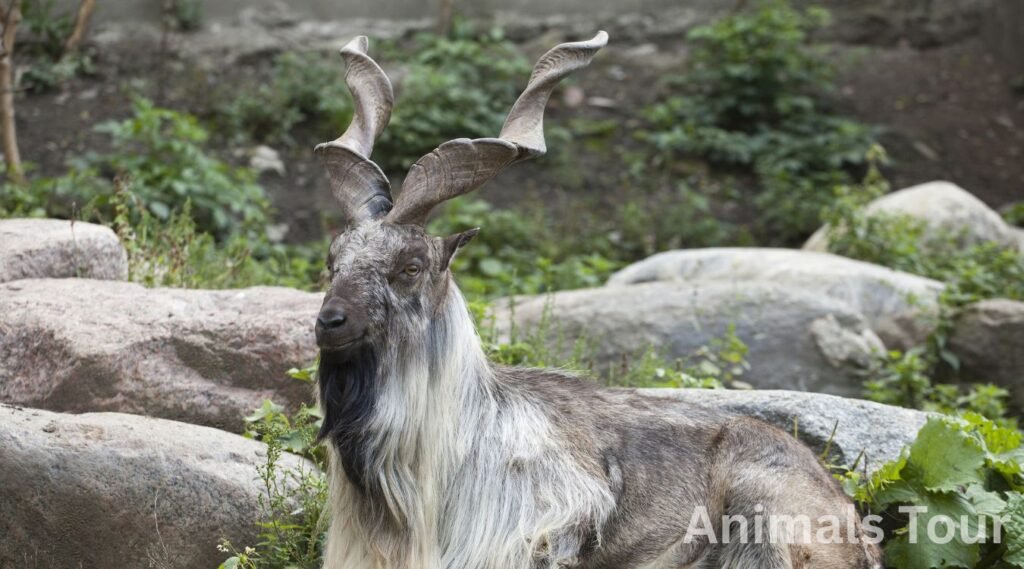
Interestingly, male Markhor horns can grow up to 160 centimeters, making them some of the longest spiraled horns among wild goats. Their majestic curves symbolize strength and resilience, reminding us of nature’s artistry, where every twist and turn serves a purpose. Observing a Markhor in its natural habitat offers a glimpse into a world where beauty, power, and survival are inseparably intertwined.
Alpine Ibex with Backward-Curving Horns
The Alpine ibex is one of Europe’s most impressive long-horned animals, native to the rugged peaks of the Alps. Males grow thick, backward-curving horns that can exceed one meter in length. These permanent, ridged horns continue to grow throughout their lives, making older males especially commanding in appearance.
Far from decorative, the horns play a crucial role in survival. During mating season, males clash head-to-head in powerful battles to establish dominance. The heavy ridges help absorb impact, protecting the skull while proving strength to rivals. Larger horns often mean higher status within the herd.
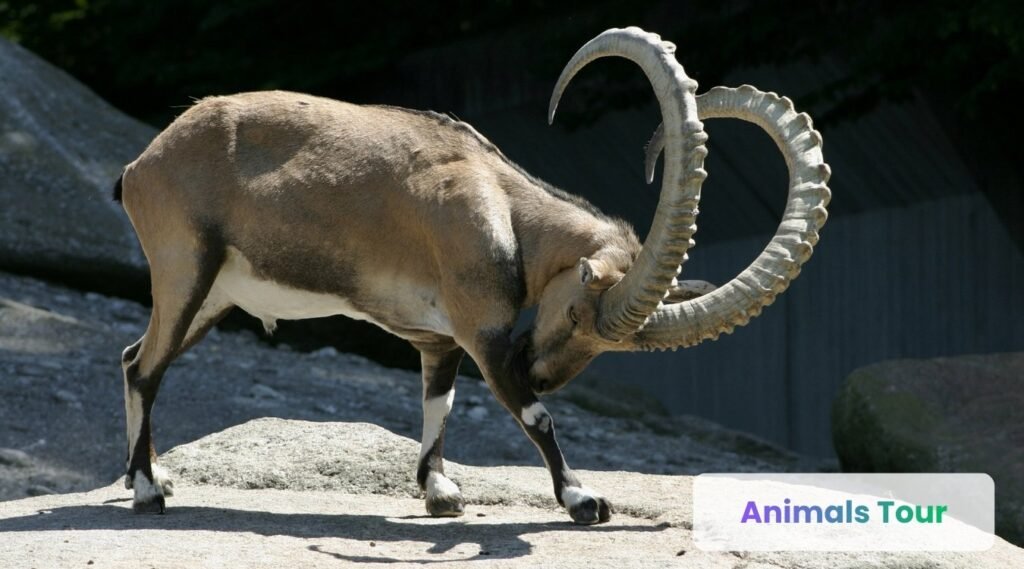
Living on steep, rocky cliffs, the Alpine ibex relies on agility and balance to survive in extreme mountain conditions. While their specialized hooves allow them to scale near-vertical slopes, their massive horns serve as symbols of power and defense. Together, these adaptations make the Alpine ibex a remarkable example of how evolution shapes long horns for both strength and survival.
Elk: The Antlered Giant of the Rutting Season
The elk is one of the largest members of the deer family, native to North America and parts of eastern Asia. Males are famous for their enormous, branching antlers, which can span over four feet from tip to tip. Although often mistaken for horns, these are actually antlers—bone structures that are shed and regrown every year.
During the autumn rut, bull elk use their massive antlers to compete for mates. They engage in dramatic displays, bugling loudly to attract females and intimidate rivals. When challenges escalate, bulls lock antlers in intense pushing contests that test their strength and endurance. Larger antlers often signal good health and strong genetics.
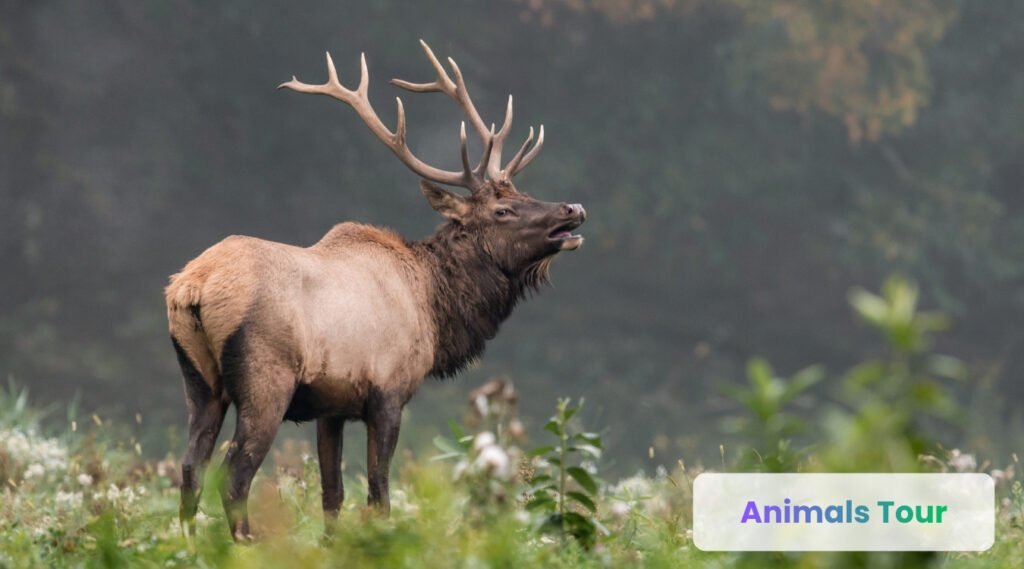
Unlike permanent horns, elk antlers are temporary yet powerful symbols of dominance and survival. Their annual regrowth makes them one of the fastest-growing bone structures in the animal kingdom, showcasing nature’s remarkable ability to combine beauty, strength, and renewal in a single species.
Blackbuck: Indian Antelope with Distinctive Spiral Horns
The blackbuck (Antilope cervicapra) is a graceful antelope native mainly to India’s open grasslands and semi-arid plains. Recognized by the male’s long, spiraled horns and contrasting dark-and-white coat, it is one of the most striking mammals of the Indian subcontinent. These horns can reach 50–70 centimeters in length and form tight corkscrew twists, usually with three to four spirals. Unlike deer antlers, they are permanent and not shed each year. Females generally lack horns, which makes the mature males stand out clearly within a herd.
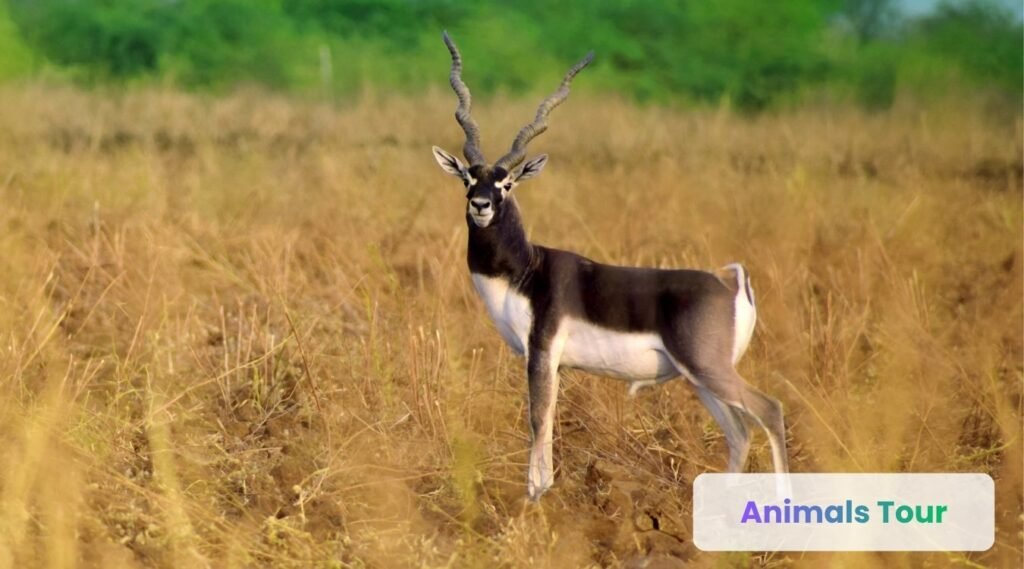
The horns play a vital role in dominance and breeding. During the mating season, males defend territories and engage in direct clashes by locking horns and pushing against rivals. Their spiral structure helps absorb impact during these contests, while the size and symmetry of the horns often influence a male’s success in attracting females.
Although blackbucks are important grazers in India’s grasslands, unfortunately these same horns once made them targets for hunting. Today, conservation efforts focus on protecting both the species and its habitat so that future generations can continue to witness a mature male blackbuck standing tall, its spiraled horns rising prominently above the open plains.
Waterbuck: African Antelope with Strong, Long Horns
The waterbuck (Kobus ellipsiprymnus) is a large antelope of sub-Saharan Africa, best known for the male’s long, ridged horns. These horns curve backward in a wide arc and can reach up to 90 centimeters in length. Thick at the base and permanently fixed, they grow throughout much of the animal’s life. Females lack horns, making mature males clearly recognizable within a herd.
The horns are essential for territorial defense and breeding. During the mating season, males clash by locking and pushing their horns to establish dominance. Their size and symmetry often reflect maturity and strength, directly influencing access to females.
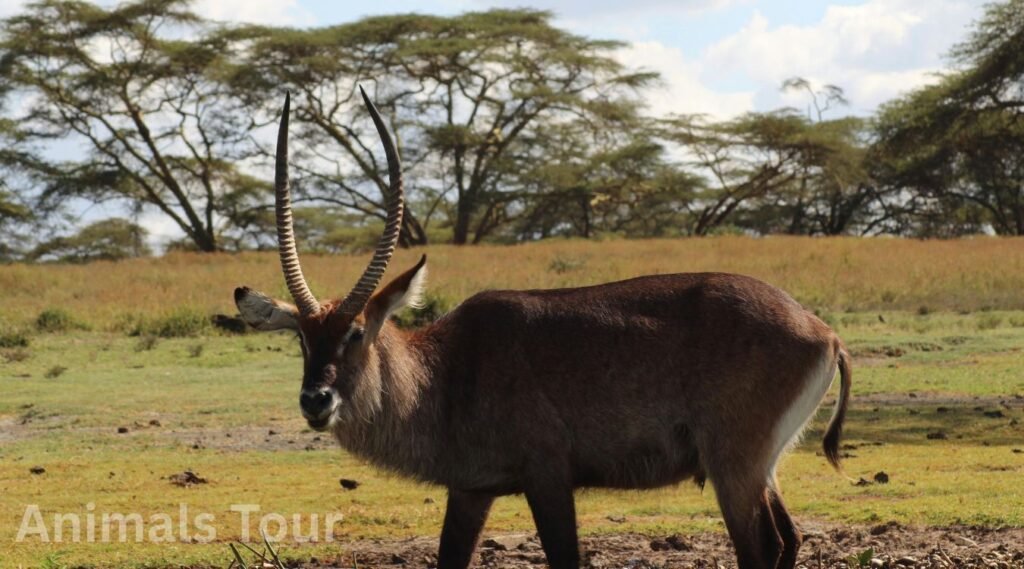
Waterbucks live close to rivers, lakes, and swamps, using these areas as protection from predators. When threatened, they often move toward water, where they can navigate muddy ground effectively. Their shaggy, oily coat helps repel moisture and suits their wet habitats.
They form small herds, while dominant males guard territories. A white ring on the rump helps members stay connected. Despite their wetland adaptations, the male’s long horns remain their most striking feature.
Asian Water Buffalo: Massive Bovine With Long, Curved Horns
The Asian water Buffalo is instantly recognized by its massive, sweeping horns, which can stretch over 1.5 meters from tip to tip. Thick at the base and curving outward and backward in a powerful arc, these horns are a defining feature of both wild and many domestic forms.
Beyond their striking appearance, they serve practical purposes-used in defense, establishing dominance within herds, and shaping social order. In many Asian cultures, the buffalo’s horns also carry symbolic weight, representing strength, endurance, and prosperity in rural life.
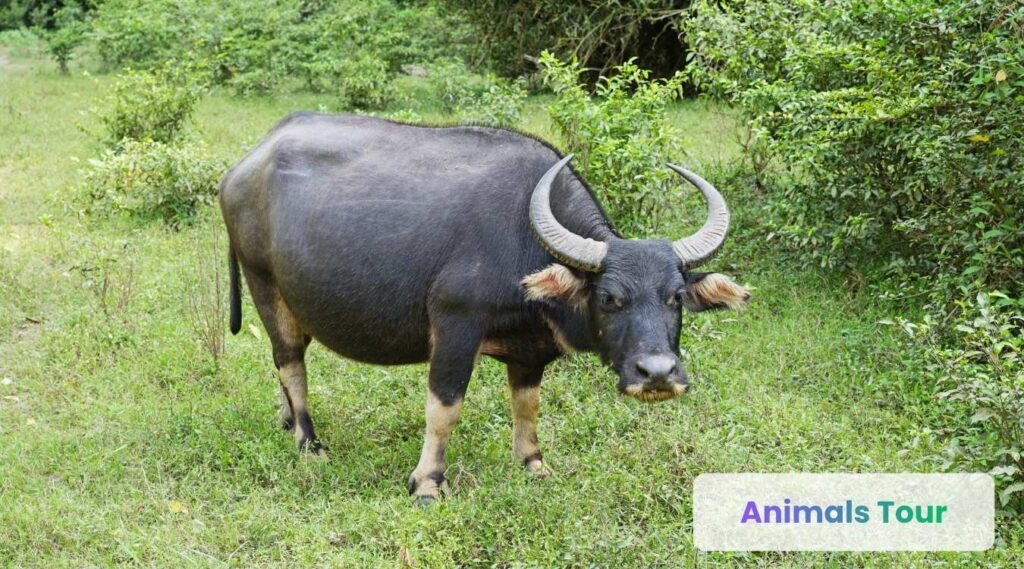
Found in wetlands and farming regions across Asia, the buffalo plays an important ecological and agricultural role. Its grazing helps manage vegetation, while its strength supports traditional farming practices. Protecting this species ensures the continuation of both balanced ecosystems and long-standing cultural traditions.
Wild Yak: Himalayan Giant with Impressive Horn Span
The wild yak is one of nature’s most formidable, long-horned animals that roams the high-altitude plateaus of Tibet. With its massive frame and sweeping horns, it embodies the raw strength of rugged mountain wilderness. Beyond its powerful presence, it plays a vital role in sustaining the fragile alpine ecosystem.
Their massive horns, which can grow up to 7 feet wide, are not just a striking feature; they serve essential functions in their social hierarchy and survival. In the harsh climate of high altitudes, these impressive creatures rely on their powerful builds and thick fur to withstand frigid temperatures while navigating rocky landscapes and sparse vegetation.
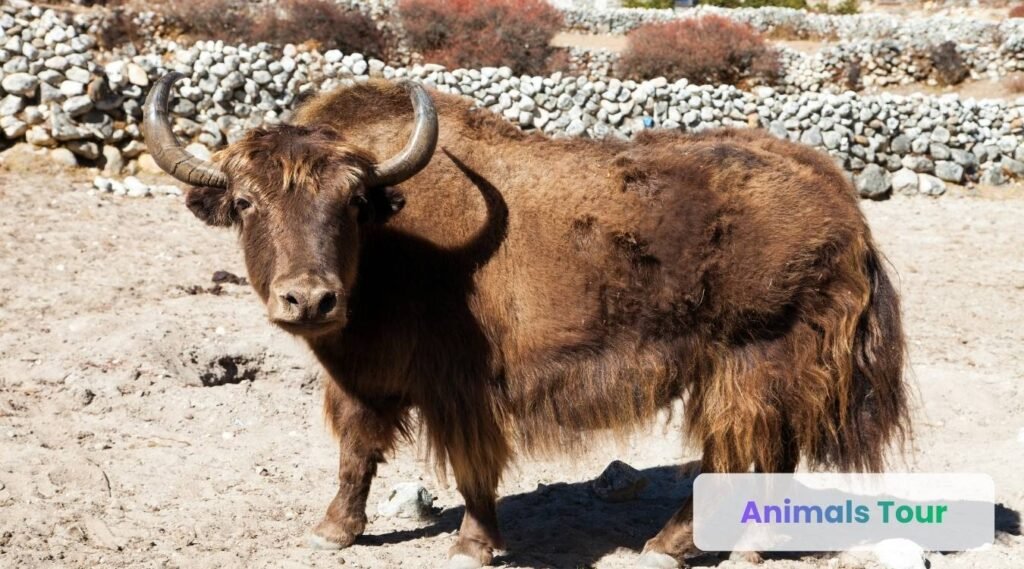
What sets the Wild Yak apart is their communal nature. Living in herds allows them to maximize foraging efficiency and offers protection against predators. Their social structures are fascinating, with dominant males leading the way and younger males often learning essential survival skills from the elders.
Beyond their physical attributes, Wild Yaks hold significant cultural importance for local communities, serving as symbols of resilience and adapting to some of the planet’s most extreme conditions. Embracing the role of both protector and provider, these majestic animals remind us of the intricate balance between nature and social cohesion.
Bighorn Sheep: North American Sheep with Curved Horns
The bighorn sheep is renowned for its impressive curved horns, which can weigh up to 30 pounds and serve as a striking symbol of strength and resilience. These horns are not just ornamental; they play a vital role during the rutting season, when rams engage in dramatic headbutts to establish dominance and win mating rights. The size and condition of a ram’s horns reflect its overall health and genetic fitness, providing insight into its prowess within the herd.
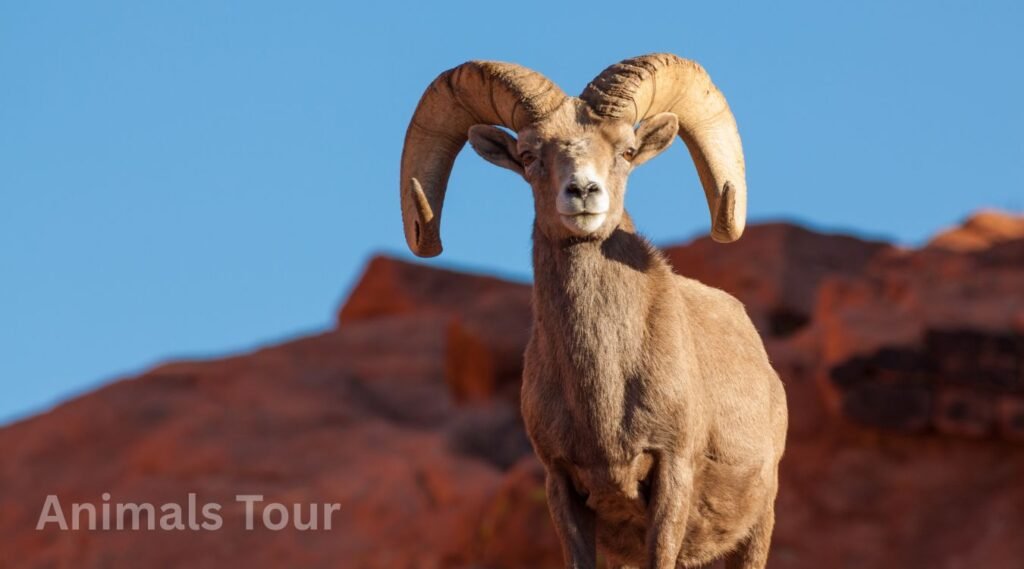
Perfectly adapted to rugged mountain habitats, bighorn sheep are exceptional climbers, able to navigate steep cliffs and rocky terrain with ease. This agility helps them evade predators and reach food sources inaccessible to other animals.
Bighorn sheep also exhibit a strong social structure. Males compete fiercely during breeding season, but outside of it, they form tight herds that cooperate in foraging and protection. Their behaviors highlight the balance of competition and teamwork in the wild.
Kankrej Cattle: Indian Breed Among Long Horned Animals
The Kankrej cattle, a prominent Indian breed, are renowned for their impressive stature and striking long horns, symbolizing both strength and the rich agricultural heritage of India.These magnificent animals, native to the arid regions of Gujarat and Rajasthan, possess horns that can span up to 1 meter, serving both aesthetic and functional roles.
Long horns in Kankrej cattle are not merely for show; they play a crucial role in thermoregulation, helping the animals manage heat in their hot environments. This natural adaptation highlights the unique relationship between their physical attributes and the challenging ecosystems they inhabit.
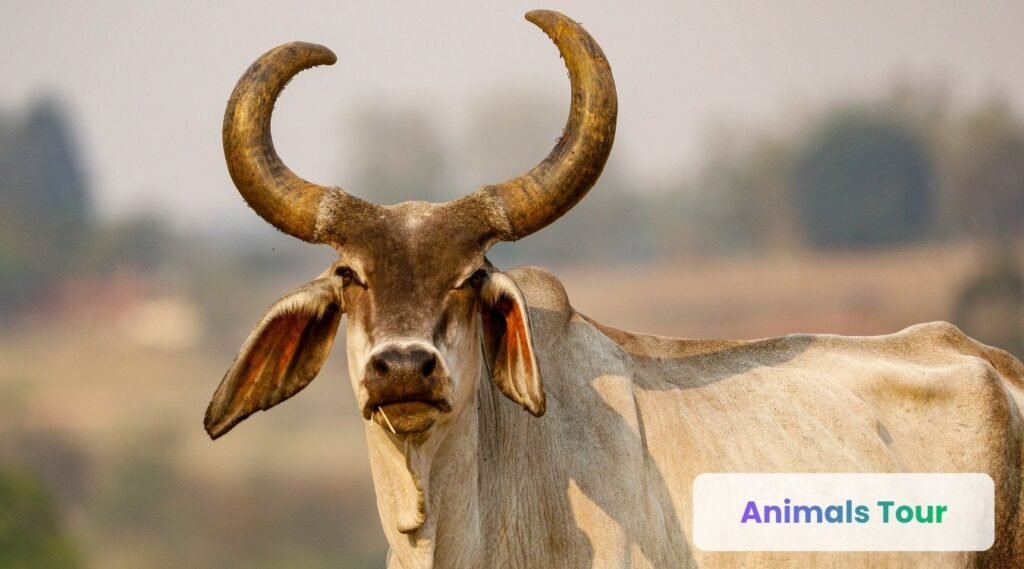
Moreover, the long horns of Kankrej cattle facilitate social hierarchy within herds, allowing their owners to identify and select specific animals for breeding or work. Farmers value these traits, as the cattle are also recognized for their resilience and ability to thrive on minimal resources.
Beyond their agricultural utility, Kankrej cattle symbolize cultural heritage, embodying traditional values and showcasing the deep-rooted connection between local communities and their environment. As interest in sustainable farming grows, this breed may offer insights into sustainable livestock practices adaptable to climate change challenges.
Conclusion
The world of long-horned animals offers a fascinating glimpse into the incredible diversity of nature. From the majestic Longhorn cattle to the striking male oryx, each species showcases unique adaptations that have evolved over millennia. These impressive horns serve various purposes, including defense, display, and thermoregulation, highlighting the intricate balance of ecosystems.
FAQs
What are long horned animals?
Long horned animals are species known for having elongated horns, often used for defense, display, and mating rituals, including cattle, antelope, and certain breeds of goats.
Which animals have long horns?
Common long horns animals are:
1-Ankole-Watusi – up to ~2.4 meters (8 feet)
1-Texas Longhorn – up to ~2.1–2.4 meters (7–8 feet)
3-Greater Kudu – up to ~1.8 meters (6 feet)
4-Sable Antelope – up to ~1.65 meters (5.4 feet)
What is the purpose of horns in these animals?
Horns serve various functions, including protection from predators, establishing dominance during fights, attracting mates, and thermoregulation.
Do all long horned animals shed their horns?
No, typically, true horns are permanent structures that do not shed, unlike antlers, which are shed annually in species like deer.
What are examples of horns?
Horns come in incredible shapes and serve many purposes, from the kudu’s spirals for mating displays to the ibex’s curved horns for defense and the Narwhal’s tusk for navigation. Across species, they showcase evolution’s blend of function and beauty.
Which animal has 12 horns?
There is no known animal with 12 horns. Most horned animals have a maximum of two or four horns.
The Swamp deer is often said “12-horned” animal, as its name( Barasingha) translates to “12-tined” in Urdu refers to the many tines on an adult male’s antlers. But these are not 12 separate horns