Discover Top 15 Happiest Animals in The World (With Pictures)
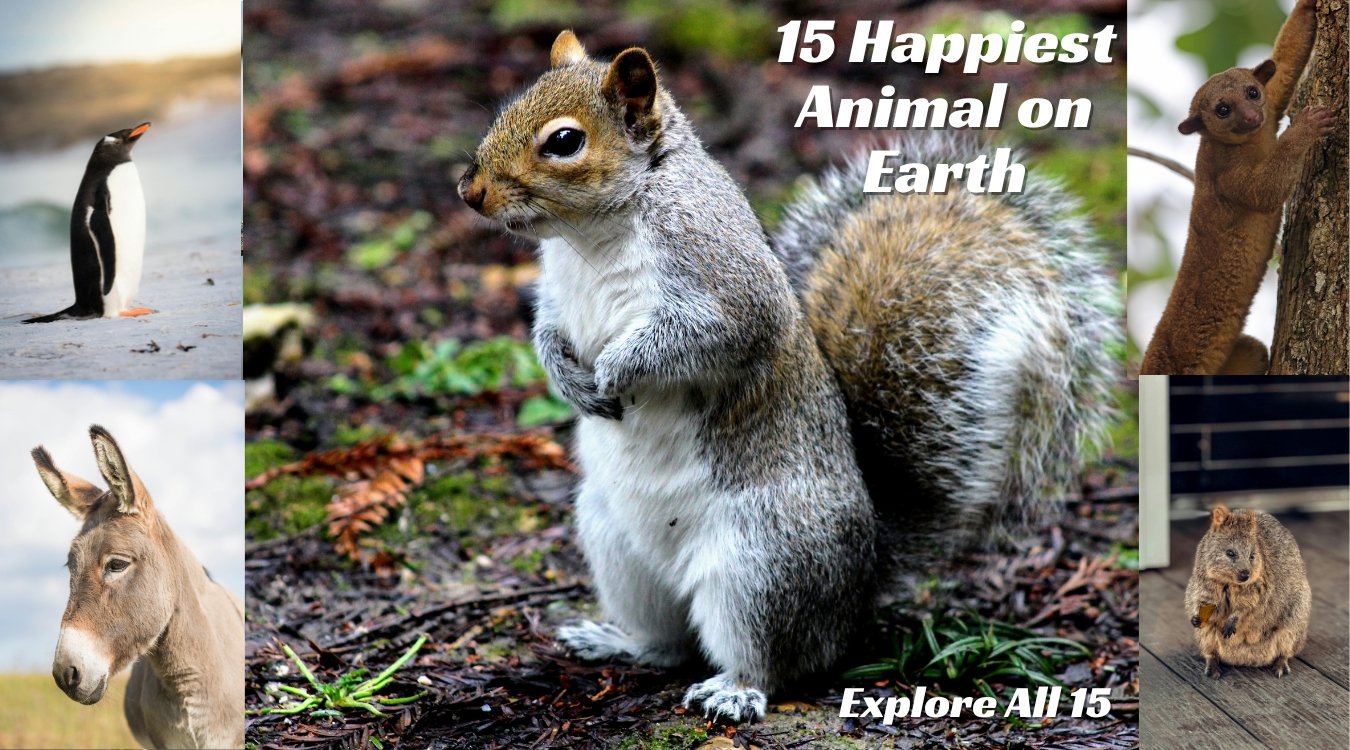
Ever wondered which animals radiate the most joy in our world? This article reveals the 15 happiest animals in the world, showcasing where they can be found and the reasons behind their exuberance. Knowing about these delightful creatures can inspire us to appreciate wildlife while emphasizing the significance of preserving their habitats. Join us as we delve into the happiness of these animals, and you’ll leave with both knowledge and a smile.
List of Happiest Animals in The World
Below is the list of most happiest animals in the world:
1 Dolphin
2 Quokka
3 Kinkajou
4 Penguin
5 Donkey
6 Goat
7 Bluebird
8 Squirrel
9 Laughing Kookaburra
10 Sea Otter
11 Dog
12 Red Panda
13 Capybara
14 Meerkat
15 Kea
Dolphin
Scientific Name: Tursiops truncatus
Class: Mammalia
Diet: Carnivore
Dolphins are often celebrated as the happiest animals in the world, and their joyful demeanor is evident in their playful social interactions and acrobatics. Found in oceans and seas worldwide, these intelligent creatures thrive in diverse environments, from the warm waters of the Caribbean to the chilly depths of the Arctic. Their curiosity drives them to explore, engage with their surroundings, and form complex social bonds, making them a true symbol of aquatic happiness.
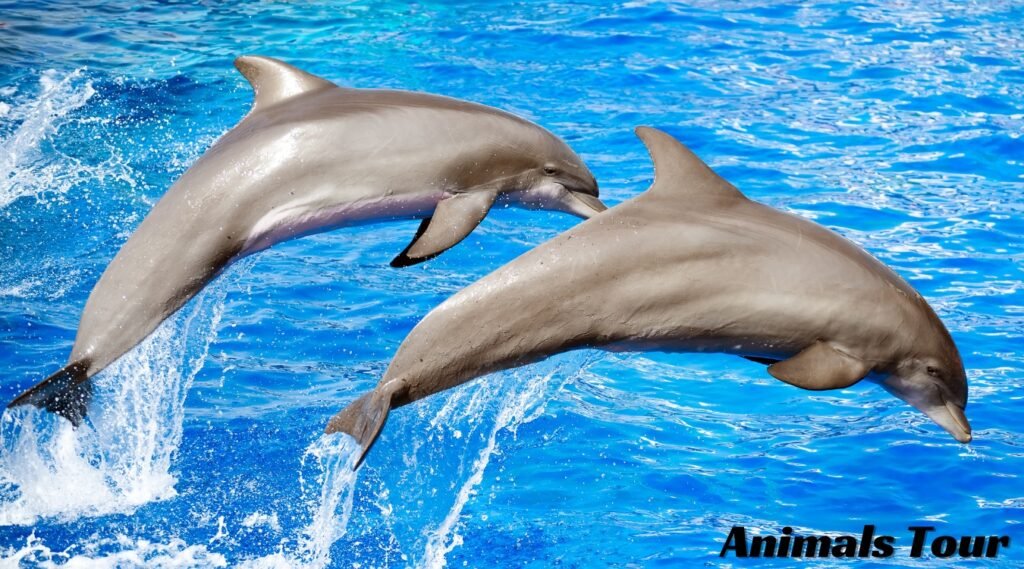
Interestingly, the happiness of dolphins goes beyond mere appearances. Studies reveal that their social structures mirror human communities, with strong family ties and cooperative hunting strategies. These connections not only enhance their well-being but also contribute to their status as one of the most beloved marine species. Whether it’s a pod frolicking in the waves or a solitary dolphin leaping joyfully above the surface, encounters with these happy animals leave an indelible mark on anyone fortunate enough to witness them in their natural habitat.
Quokka
Scientific Name: Setonix brachyurus
Class: Mammalia
Diet: Herbivore
Quokkas, often referred to as the “happiest animals in the world,” have captured the hearts of animal lovers and travelers alike with their irresistibly cheerful expressions and curious nature. Native to Australia, these small marsupials are primarily found on Rottnest Island, a short ferry ride from Perth, where they roam freely without fear of humans. Their playful demeanor and friendly interactions contribute to the perception of quokkas as the embodiment of sheer joy in the animal kingdom.
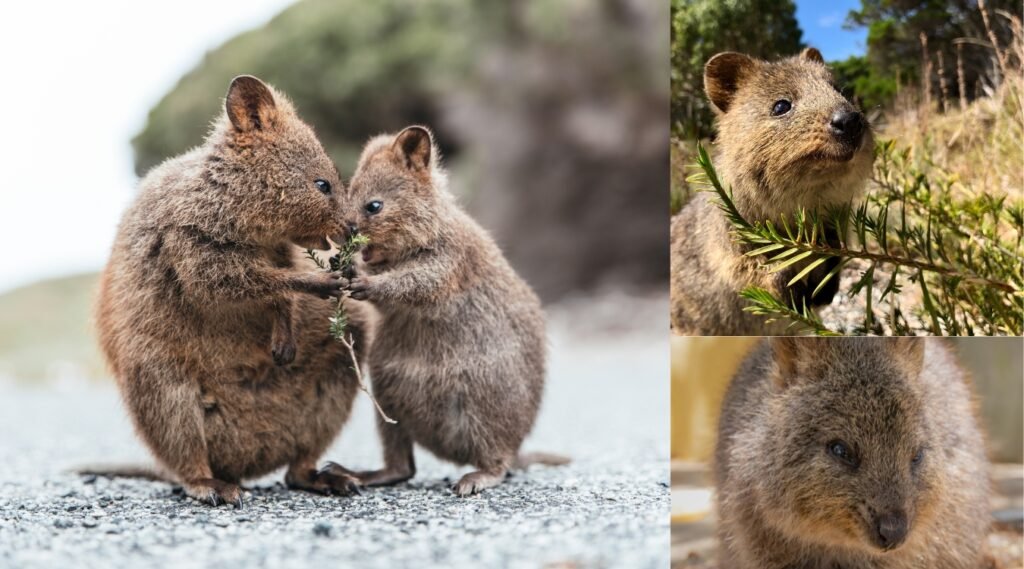
Beyond their captivating charm, quokkas serve as a vital part of the ecosystem on Rottnest Island. Their herbivorous diet aids in maintaining plant health, showcasing how even small, happy animals play a significant role in their environment. While many flock to take the coveted “quokka selfie,” it’s essential to observe them responsibly to ensure their happiness and well-being. With conservation efforts in place, these delightful creatures continue to thrive, reminding us that a simple smile can brighten our world, one quokka at a time.
Kinkajou
Scientific Name: Potos flavus
Class: Mammalia
Diet: Omnivore
Kinkajous, often hailed as some of the happiest animals in the world, exude pure joy with every leap and bound through the trees of Central and South America. These small, nocturnal mammals are known for their playful nature and curious antics, which often resemble those of a playful puppy. Their large, expressive eyes and ever-wagging tails add to their charm, making them enchanting creatures to observe in the wild.
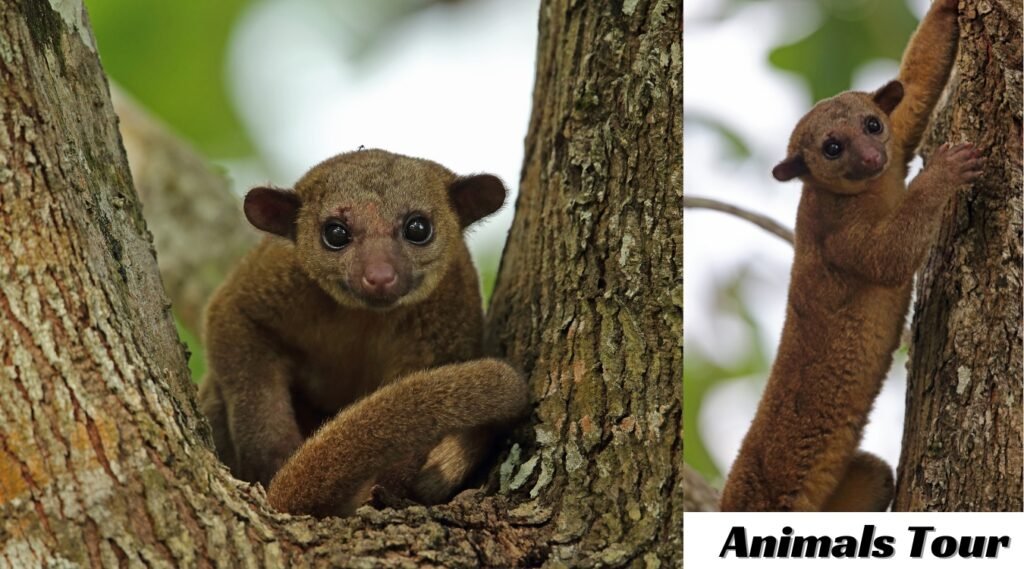
In the vibrant canopy where they reside, kinkajous share a strong bond with their environment, primarily feeding on fruits like figs and nectar. This diet not only sustains them but also plays a crucial role in the ecosystem, as they help disperse seeds, contributing to the health of their forest habitat. Their social behavior, characterized by playful interactions and vocalizations, further highlights why they are considered some of the happiest animals on Earth. With their engaging personalities and significant ecological role, kinkajous embody the spirit of joy and interconnectedness in nature.
Penguin
Scientific Name: Aptenodytes forsteri
Class: Aves
Diet: Carnivore
Penguins, often considered the happiest animals in the world, showcase a unique blend of charm and cheerfulness. Their playful nature is captivating, especially during courtship rituals where they dance and communicate with delightful sounds. Each species, from the charismatic Emperor to the tiny Adelie, brings its own brand of joy to the icy landscapes they inhabit. Observers are often enchanted by their waddling gait and communal behaviors, fostering a sense of togetherness that radiates happiness.
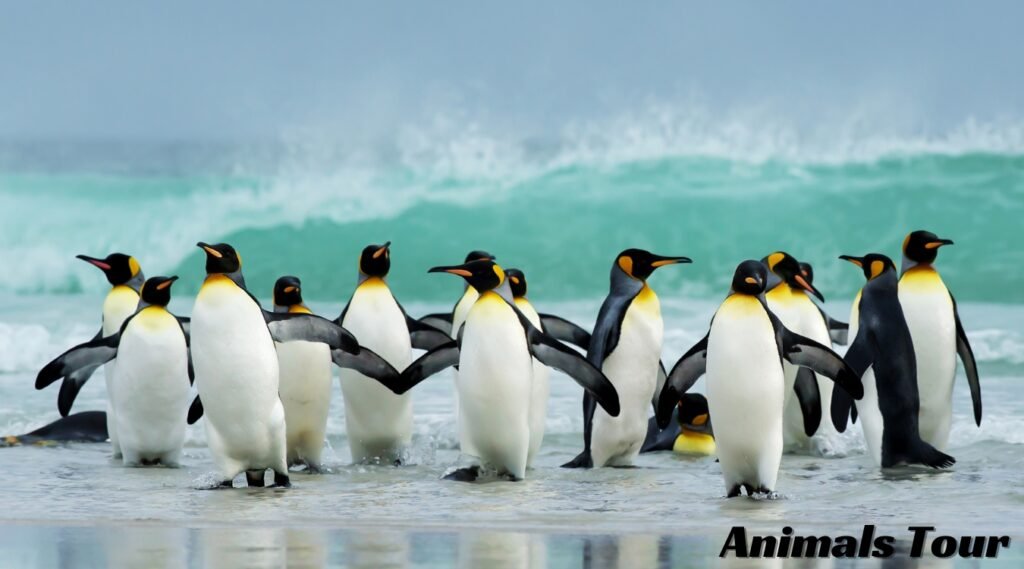
Beyond their adorable appearance, these happy animals thrive in their close-knit communities. Penguins work together to care for their young, demonstrating a strong bond and sense of cooperation. This social structure is essential for survival in harsh environments, but it also enhances their overall happiness. When viewing penguins in the wild or at a sanctuary, their joyful antics remind us of the simple joys of life. By embracing their vibrant spirit, we gain insights not only into their world but also a fresh perspective on joy and companionship in our own lives.
Donkey
Scientific Name: Equus africanus asinus
Class: Mammalia
Diet: Herbivore
Donkeys often embody joy in the animal kingdom, displaying a unique blend of curiosity and playfulness. These excited animals thrive on social interactions, forming deep bonds with their herd and humans alike. Their delightful braying can often be mistaken for laughter, enhancing the perception of them as some of the happiest creatures on Earth.
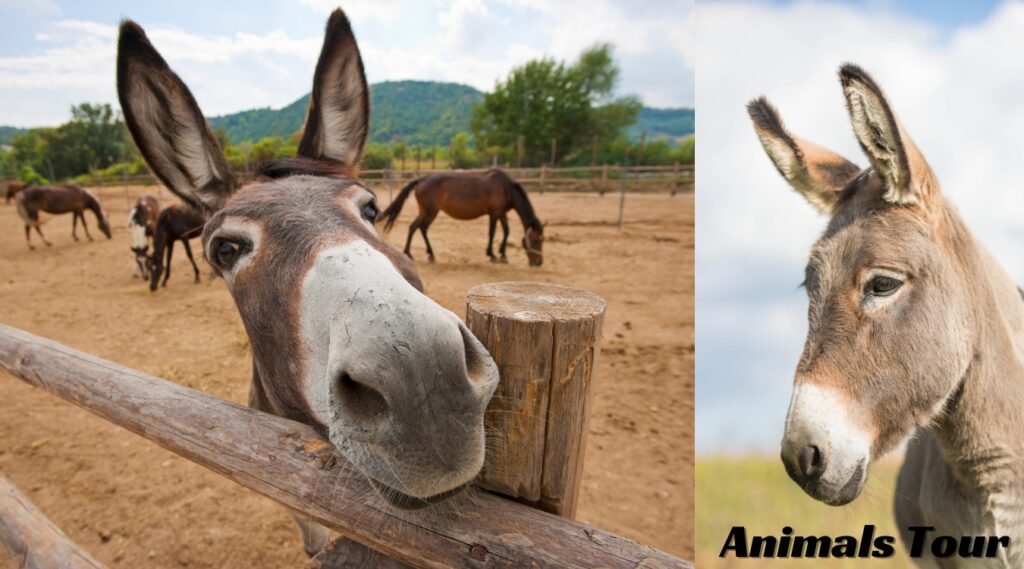
What sets donkeys apart is their unparalleled resilience and adaptability. In challenging environments, they maintain a cheerful disposition, showcasing their remarkable ability to cope with stress. Their contentment is enhanced by a diet rich in forage, meeting their nutritional needs and keeping them healthy. Moreover, donkeys are known to engage in playful antics, such as running and frolicking, reminding us that happiness often lies in simple pleasures. Embracing the joyful spirit of donkeys can inspire us to find happiness in our own lives.
Goat
Scientific Name: Capra aegagrus hircus
Class: Mammalia
Diet: Herbivore
Goats are often regarded as some of the happiest animals in the animal kingdom, and it’s easy to see why. Their playful antics and boisterous personalities can turn any mundane day into a delightful experience. Known for their curious nature, goats derive joy from exploring their environment, climbing to new heights, and interacting with each other. This excitement is infectious, making them a favorite among farm animals.
One fascinating aspect of goat behavior is their strong social bonds. Living in herds, these animals thrive on companionship, often displaying joyous greetings when reunited or even engaging in playful headbutting. This social structure not only keeps them entertained but also nurtures their mental well-being. Goats exhibit a wide range of emotions, and their unique ways of expressing joy like jumping and running at high speeds highlight their vibrant and spirited nature.
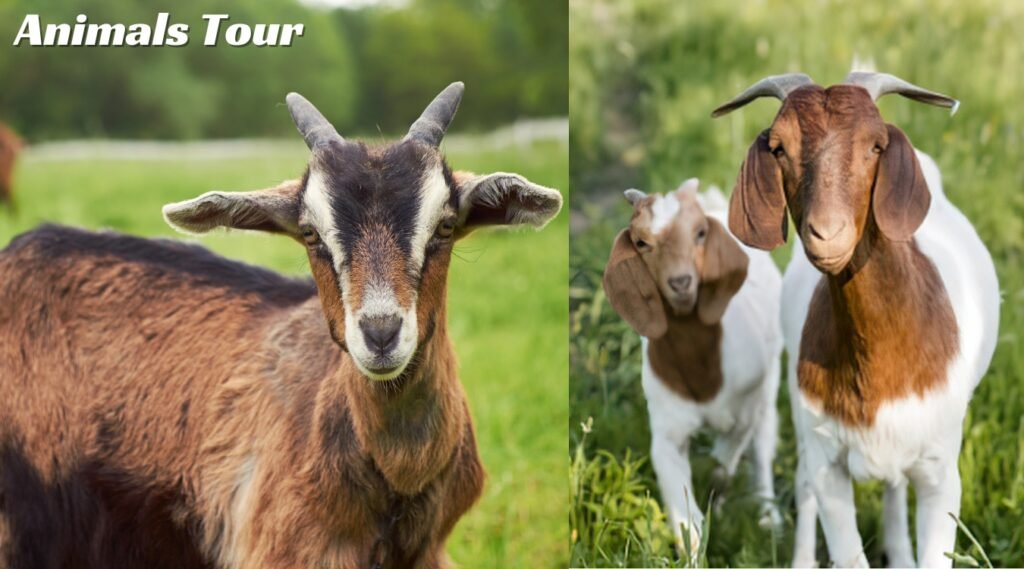
Additionally, goats are known for their intelligence and adaptability, which contribute to their overall happiness. They quickly learn new tricks and can even be trained to navigate obstacle courses, showcasing their ability to engage their minds. By providing a stimulating environment with plenty of companionship and challenges, care providers can ensure these excited animals live their happiest lives.
Bluebird
Scientific Name: Sialia sialis
Class: Aves
Diet: Omnivore
Bluebirds are often celebrated as some of the happiest in the world. Their vibrant plumage and melodious songs create an atmosphere of joy wherever they flit about. These charming birds thrive in open woods and meadows, where they build their nests and raise their young, embodying a sense of harmony with their surroundings. Observing a bluebird in flight can lift anyone’s spirits; their bright colors seem to capture the essence of a clear blue sky, reminding us of the simple beauty of nature.
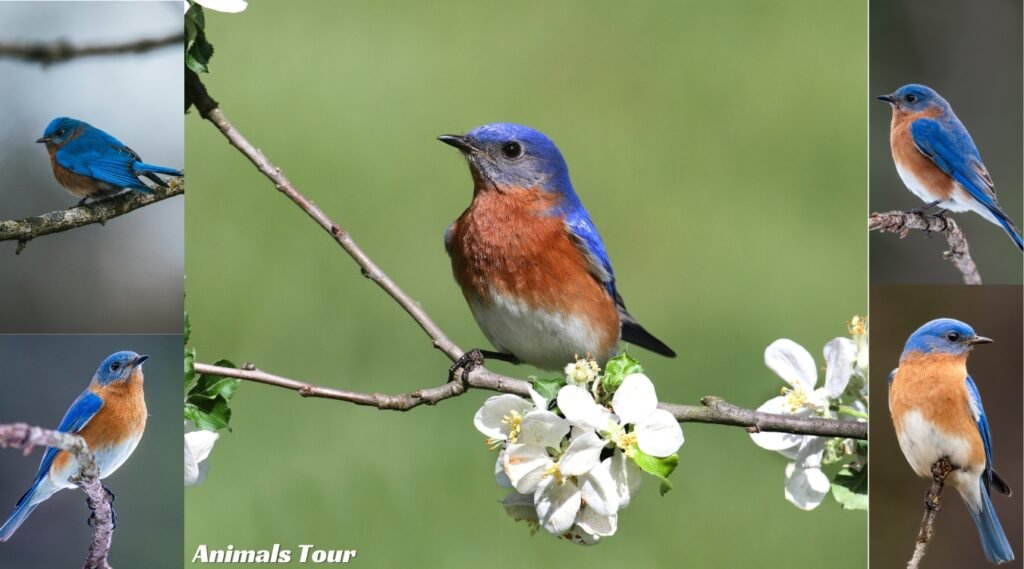
Interestingly, bluebirds also symbolize happiness in various cultures. Many believe that spotting a bluebird can bring good fortune or signify a moment of contentment. This joyful association may stem from their gentle demeanor and playful behaviors. They often engage in cheerful chatter, showcasing a social side that delights birdwatchers and nature enthusiasts alike. As we learn about these delightful creatures, we find that embracing the presence of happy animals like bluebirds can inspire us to appreciate life’s small joys — perhaps nudging us to find our own happiness amidst the busyness of daily life.
Squirrel
Scientific Name: Sciuridae
Class: Mammalia
Diet: Omnivore
Squirrels are often seen darting through parks and backyards, their delightful antics offering a glimpse into a world of joyful animal behavior. With their bushy tails and nimble movements, these creatures exhibit a vibrant energy that is infectious. Watching a squirrel leap from branch to branch, or expertly navigate a tree trunk, reminds us to find joy in our own adventures, no matter how small. Their playful nature encourages us to embrace the outdoors and relish in simple pleasures.
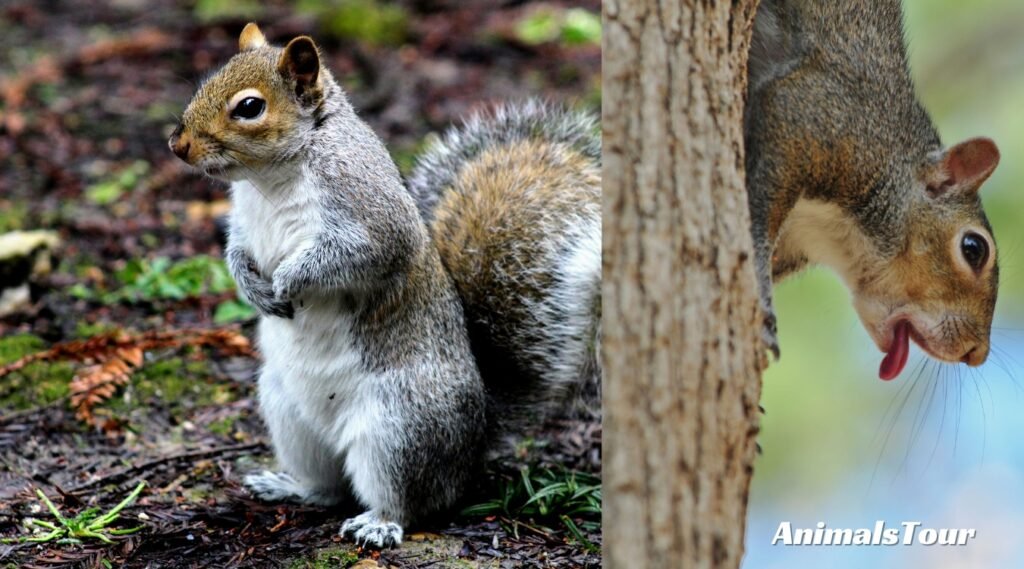
Moreover, squirrels are natural problem solvers. Whether it’s figuring out how to access a bird feeder or searching for hidden nuts, their cleverness is a testament to their adaptability. This ingenuity not only makes them fascinating to observe, but it also highlights the importance of curiosity in our own lives. Like a joyful animal that reminds us to explore and innovate, squirrels teach us that happiness often comes from embracing challenges with a playful spirit. So, the next time you spot a squirrel, take a moment to appreciate its zest for life — there’s a lesson within their leaps and bounds.
Laughing Kookaburra
Scientific Name: Dacelo novaeguineae
Class: Aves
Diet: Carnivore
The Laughing Kookaburra, often considered one of the happiest in the world, brings a unique vibrancy to the Australian outback. With its distinct, chuckling calls echoing through the trees, this joyful animal creates an atmosphere of sheer delight. Their laughter isn’t just a call; it is a beloved sound that signals the start of a new day for many in the bush. Observing a Kookaburra perched majestically on a branch, you can’t help but feel uplifted by its infectious spirit.
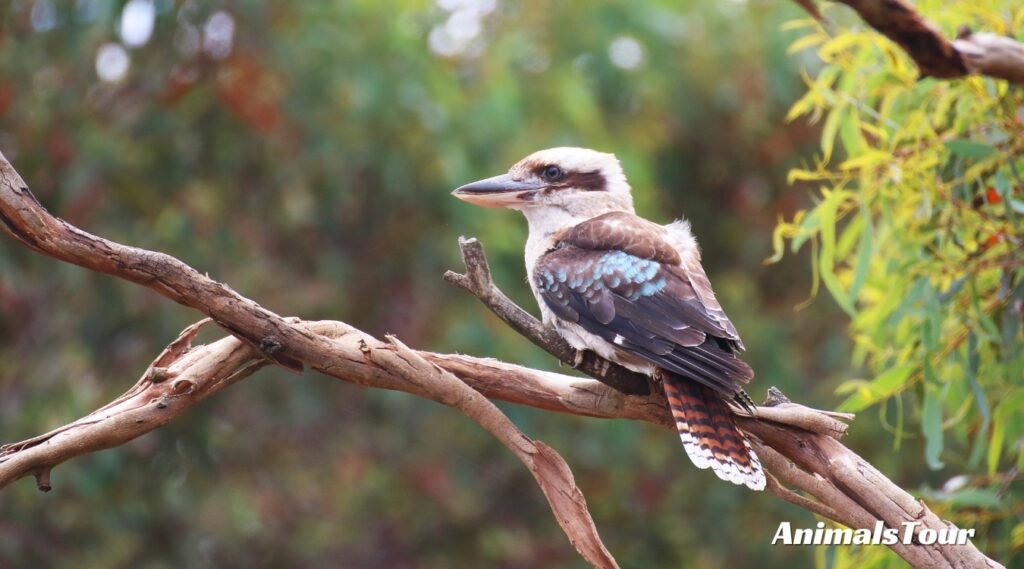
What truly sets the Kookaburra apart is its social nature. Often seen in small family groups, these birds share their meals and experiences, showcasing a bond that highlights the joys of companionship. This communal aspect of their life adds another layer to their joyful identity, reminding us that happiness is often found in sharing moments with loved ones. As we witness these remarkable birds, we’re invited to embrace our own joy and the connections that make life truly worth living.
Sea Otter
Scientific Name: Enhydra lutris
Class: Mammalia
Diet: Carnivore
Sea otters embody happiness in the animal kingdom, radiating joy and playfulness with every splash and dive. Observers can’t help but feel uplifted watching these furry creatures glide through the water, often seen floating on their backs while munching on their favorite snacks, like sea urchins and crabs. Their playful antics, such as sliding down kelp beds or tumbling together in groups, create an infectious sense of excitement that encapsulates the joy of living in the moment.
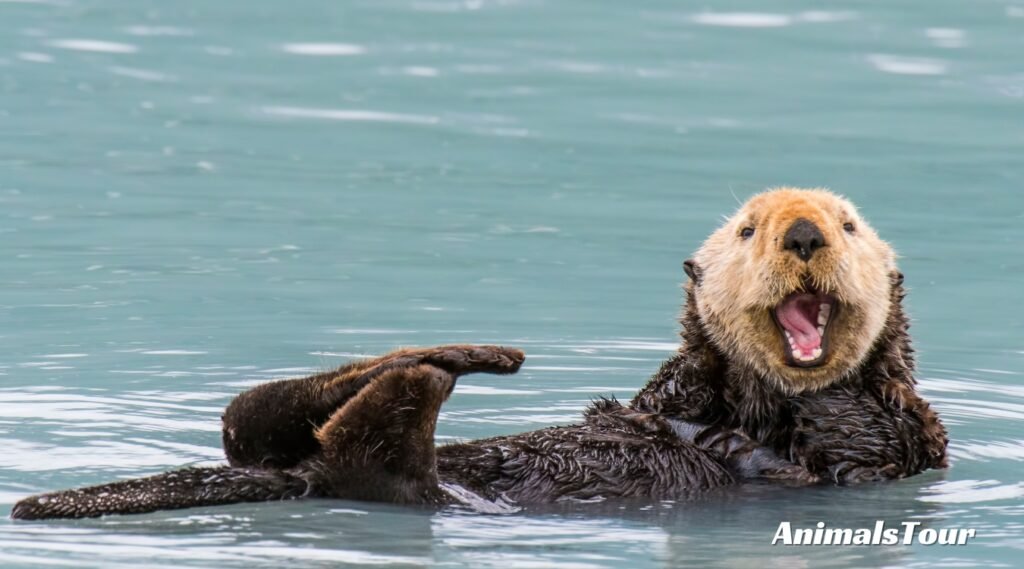
What makes sea otters particularly endearing is their social nature and strong bonds with one another. They often hold paws while they sleep to avoid drifting apart, a heartwarming gesture that symbolizes connection and trust. This behavior not only showcases their joyful spirits but also highlights the importance of companionship in their world. As they navigate the waters in playful groups, it’s easy to see why many consider sea otters the happiest animals on Earth, spreading a sense of joy that resonates with us all.
Dog
Scientific Name: Canis lupus familiaris
Class: Mammalia
Diet: Omnivore
When you watch a dog chase after a ball or excitedly greet its owner, it’s hard not to feel the joy radiating from them. Dogs have a unique way of expressing happiness that is contagious. Their wagging tails, playful barks, and wide-eyed excitement create an atmosphere of pure joy. This happiness is not just instinctual; it’s deeply rooted in the bond they share with humans. Every scratch behind the ears or treat given is met with enthusiastic appreciation, reminding us to cherish the simple things in life.

It’s fascinating how dogs also reflect our emotions. When we’re feeling down, their comforting presence can lift our spirits. They seem to know when to snuggle up and provide warmth, or when to get us up and moving with their playful antics. This mutual exchange fosters not just a happy environment but enhances our own sense of well-being. In a world filled with stress, dogs stand out as reminders that joy can be found in everyday moments, whether it’s a walk in the park or simply lounging in the sun. Their unfiltered excitement for life teaches us to embrace happiness, making them truly the happiest animals on Earth.
Red Panda
Scientific Name: Ailurus fulgens
Class: Mammalia
Diet: Omnivore
Red pandas are often hailed as some of the happiest animals on the planet, and it’s easy to see why. With their playful demeanor and adorable antics, these little creatures bring pure joy to anyone lucky enough to glimpse them in their natural habitat or at a conservation center. Their curious nature drives them to explore their surroundings, climbing trees with an excited bounce and often engaging in playful tumbles that make us smile. Observing their joyful interactions, you can’t help but feel a wave of happiness wash over you.
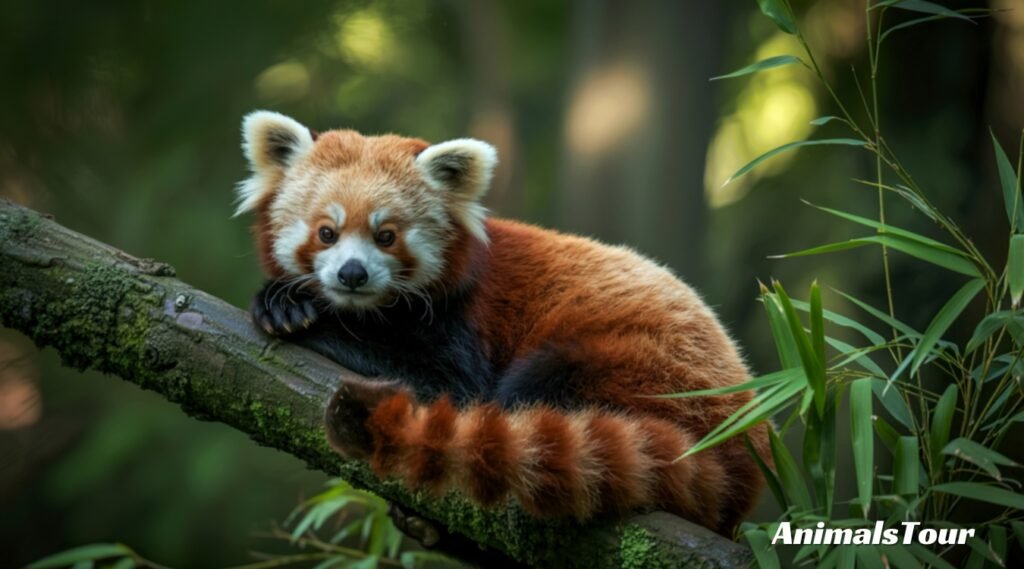
What makes them even more fascinating is their unique lifestyle. Unlike many other animals, red pandas are mostly solitary but still exhibit bursts of playful behavior, especially when the mood strikes. When they are excited, their eyes sparkle, and their playful energy can be contagious. Watching a red panda roll around or swing from a branch is a reminder of the joy that can be found in the simplest moments. It’s this blend of relaxed independence and occasional exuberance that truly encapsulates their happy, joyful spirit.
Capybara
Scientific Name: Hydrochoerus hydrochaeris
Class: Mammalia
Diet: Herbivore
Capybaras are often dubbed the happiest animals in the world, and it’s easy to see why. With their gentle nature and calm demeanor, these large rodents embody joy in every interaction. Whether relaxing in the sun or playing with each other, capybaras radiate a happy, joyful energy that can brighten anyone’s day. Observing them in their natural habitat reveals a unique social structure where they bond closely, showing that happiness often thrives within community.
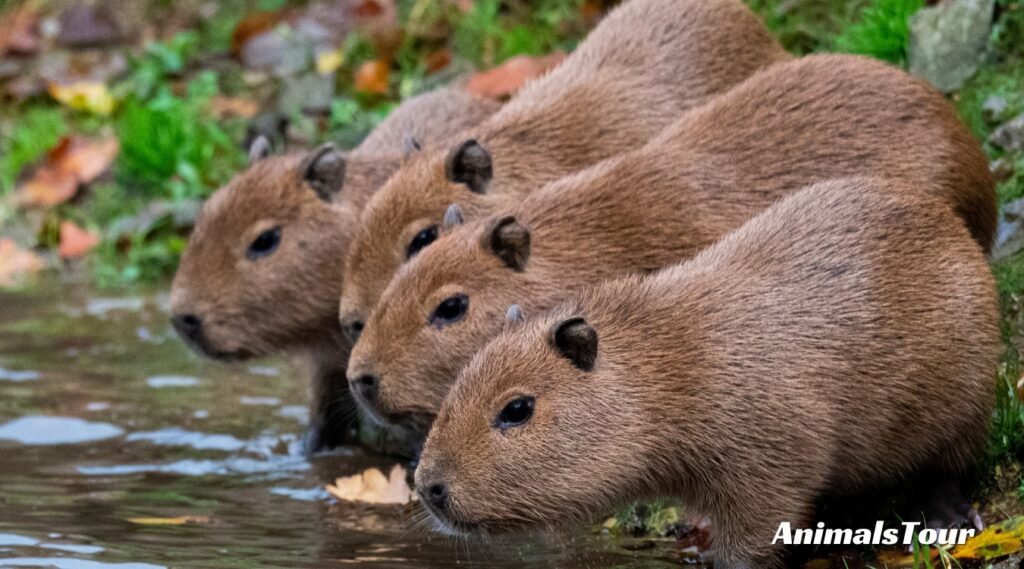
What makes these creatures even more fascinating is their ability to connect with other animals. From birds to monkeys, capybaras are like the friendliest neighbors in the animal kingdom, inviting others into their space without hesitation. Their excitement for companionship highlights an intriguing aspect of happiness: it’s often multiplied by sharing experiences. In a world where stress can sometimes overshadow joy, watching capybaras live and play is a refreshing reminder that happiness is best enjoyed together.
Meerkat
Scientific Name: Suricata suricatta
Class: Mammalia
Diet: Omnivore
Meerkats, often praised as some of the happiest animals on earth, exude joy in their daily antics. These small, social creatures thrive in close-knit family groups, showcasing a delightful display of teamwork and cooperation. Whether they’re standing guard, playing in the sun, or grooming one another, their bond radiates an energy that feels contagious. Watching a group of meerkats interact is like witnessing a joyful celebration of life; their excited chattering and playful behaviors paint a lively picture of their happiness.
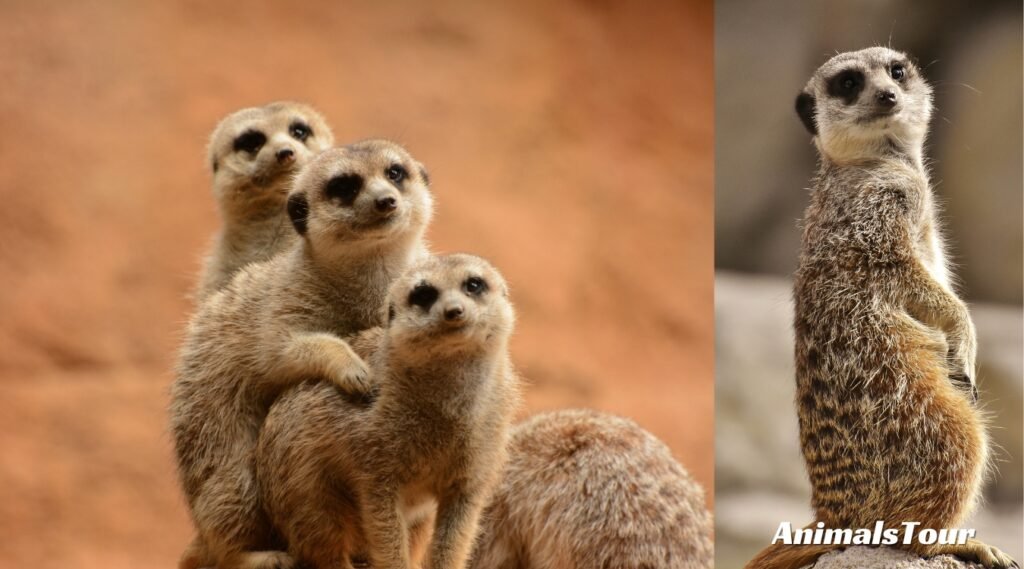
What makes meerkats particularly fascinating is their unique communication style. They have a variety of vocalizations, each serving a purpose, from alerting their group to danger to expressing excitement during playtime. This complex social structure not only fosters connections but also keeps their spirits high. Their vibrant energy reflects a carefree attitude, always curious and eager to explore their surroundings. In the wild, the meerkat’s cheerful nature serves as a reminder of the simple joy found in community and adventure, making them truly one of the happiest animals in the world!
Kea
Scientific Name: Nestor notabilis
Class: Aves
Diet: Omnivore
Kea, the vibrant green parrots native to New Zealand, are often hailed as some of the happiest animals in the world. Their playful nature is infectious; these birds are known for their joyful antics, soaring through the air with a sense of excitement that captivates anyone lucky enough to witness them. Observing a group of Keas is like watching a lively playground in action, as they engage in games, glide effortlessly from tree to tree, and interact with each other in ways that demonstrate their strong social bonds.
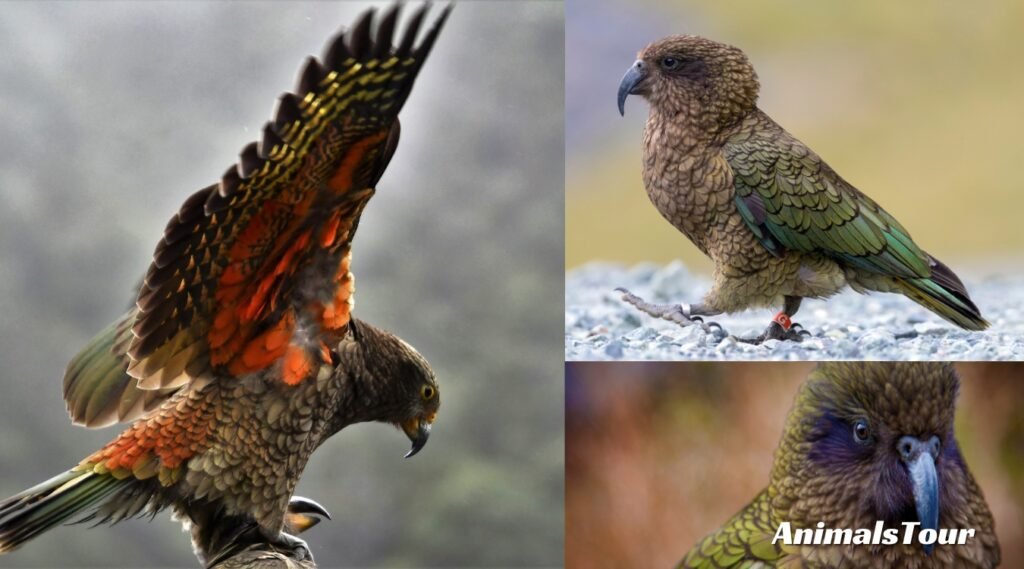
What truly sets Keas apart is their curiosity and intellect. When they encounter new objects or challenges, their excitement is palpable, as they explore and experiment with everything around them. This cleverness not only keeps them entertained but also showcases their adaptability in the wild. Their happiness is a reminder of nature’s wonders, encouraging us to embrace joy and spontaneity in our own lives. After all, if a small parrot can find bliss in the simplest of things, perhaps we can take a cue and seek out the happy moments in our day-to-day adventures.
Final Thoughts
In conclusion, the world is teeming with animals that embody joy and happiness in their daily lives. From the playful antics of dolphins to the serene expressions of contented cats, these 15 happiest animals remind us of the importance of enjoying life’s simple pleasures. Each creature on our list not only brings a smile but also symbolizes the connection we share with nature. Whether through their playful behaviors, social bonds, or charming appearances, these animals inspire us to appreciate the beauty around us. So, the next time you encounter one of these joyful beings, take a moment to reflect on what happiness means to you and consider bringing a little more of it into your own life!
FAQs
What is the happiest animal in the world?
The quokka is often dubbed the happiest animal in the world. These small marsupials, native to Australia, are known for their cheerful facial expressions and seemingly friendly demeanor.
What is the kindest animal ever?
When it comes to the kindest animal, many people point to dolphins. Known for their social behavior and intelligence, dolphins often help injured or sick individuals, even guiding them to safety.
What is the least aggressive animal?
Manatees are often considered one of the least aggressive animals. These gentle sea cows are herbivores, primarily feeding on aquatic vegetation. They have a slow and peaceful nature, often gliding through the water with minimal disturbance.
What is the most calming animal?
The sloth is often considered one of the most calming animals. With their slow-moving nature and laid-back lifestyle, they embody tranquility. Sloths spend most of their time hanging from trees, moving only about 40 yards per day, which can evoke a sense of peace just by watching them.