Top 14 Thickest Skin Animals in The World (images included)
Ever wondered how some animals manage to stay tough in the most hostile environments? Thick skin isn’t just a feature, it’s an essential survival tool, allowing certain species to navigate threats from predators and tough climates. In this article, we’ll explore the top 14 thickest skin animals, shedding light on their evolutionary advantages and the crucial roles they play in their ecosystems. Join us on this journey to discover how these mighty creatures prove that not all heroes wear capes, some wear incredible, thick skin.
List of Animals with thickest skin:
Here’s the list of these animals.
1 Elephant
2 Rhinoceros
3 Hippopotamus
4 Honey Badger
5 Blue whale
6 Armadillo
7 Walrus
8 Crocodile
9 Bison
10 Grizzly bear
11 Camel
12 Whale Shark
13 Wild Boar
14 Sperm Whale
Detailed Look At Thickest Skin Animals
1. Elephant
Class: Mammalia
Diet: Herbivore
Elephants, celebrated as the largest land mammals, possess strikingly thick skin that serves as a formidable barrier against both environmental elements and predators. Their skin can measure up to an inch in thickness, yet it is surprisingly sensitive due to the numerous nerve endings packed within.
This unique feature allows these gentle giants to detect subtle changes in their surroundings, enhancing their interaction with the environment and contributing to their survival.
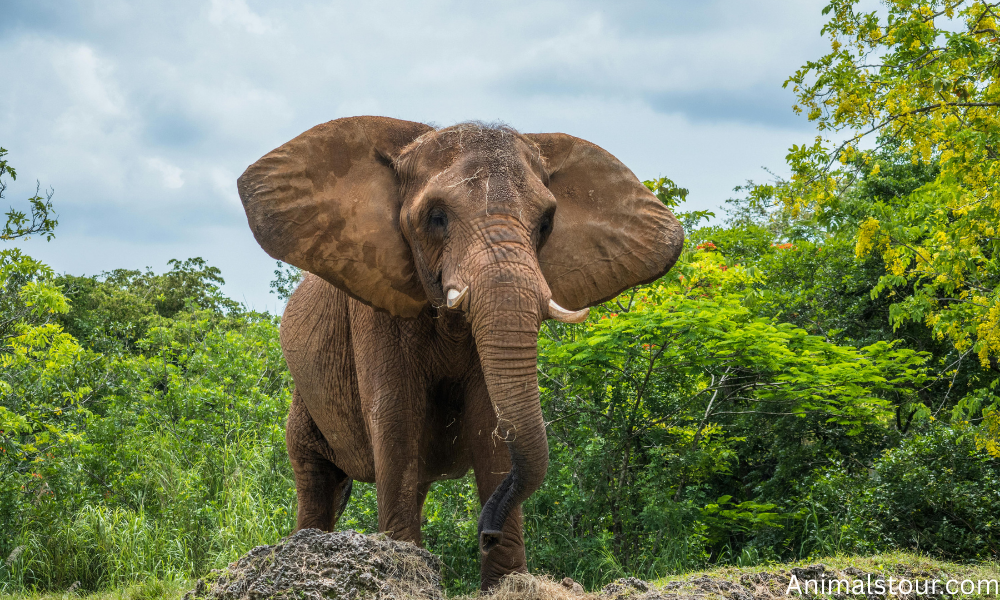
Additionally, elephants engage in behaviors like mud bathing and dust throwing, not just for fun but as a natural sunscreen and insect repellent. These rituals underline their intelligence and their deep connection to the ecosystem, showcasing how their unique physiology is perfectly attuned to their needs. Each wrinkle and fold of their skin tells a story of adaptation and resilience in a world that can be both beautiful and perilous.
2. Rhinoceros
Scientific name: Rhinoceros unicornis
Class: Mammalia
Diet: Herbivore
The rhinoceros, often characterized by its formidable and thick skin. Weighing up to an inch and a half thick in some areas, this armor-like barrier protects them from predators and harsh environmental conditions.
However, it’s not just a tough exterior, this skin is surprisingly sensitive. Rhinos are equipped with a plethora of nerve endings that allow them to sense even the slightest touch, making them more attuned to their surroundings than one might expect.
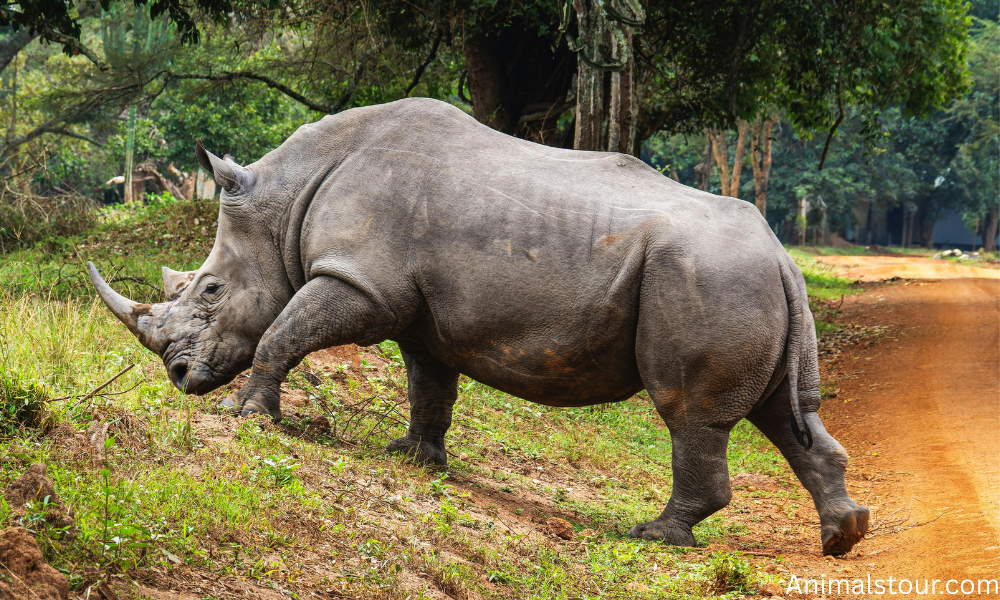
Moreover, the skin isn’t just a static shield. It plays a dynamic role in their survival, regulating body temperature through a unique perspiration system. Without sweat glands, rhinos take mud baths to cool off and protect themselves from sunburn and parasites.
3.Hippopotamus
Scientific name: Hippopotamus amphibius
Class: Mammalia
Diet: Herbivore
The hippopotamus boasts one of the thickest skins in the animal kingdom, measuring up to 2 inches in some areas. This impressive adaptation is not merely a shield against predators; it plays a vital role in their unique lifestyle.
Hippopotamuses spend much of their time submerged in water, where their thick skin prevents excessive water loss and helps regulate body temperature. Unlike other mammals, hippos secrete a natural sunscreen known as “blood sweat” that protects them from sunburn and has antibacterial properties.
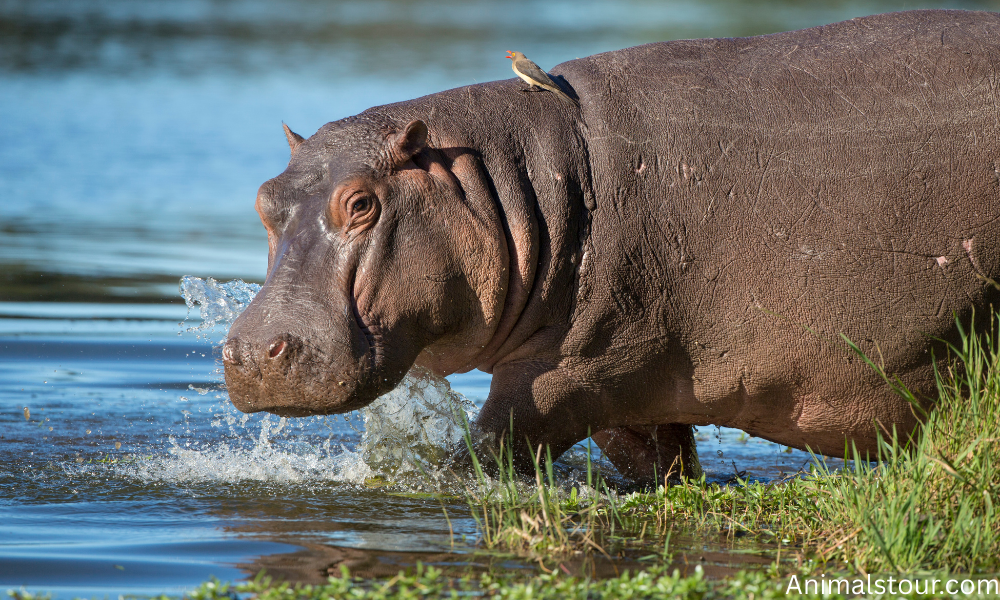
Interestingly, this remarkable skin isn’t as invulnerable as it seems. Despite its thickness, hippos are surprisingly sensitive to touch. Their skin can become sunburned if they remain out of water for too long, reflecting the delicate balance between their aquatic habitat and their physiological needs.
4. Honey Badger
Scientific name: Mellivora capensis
Class: Mammalia
Diet: Omnivore
The honey badger, often celebrated for its bold behavior. Its remarkably thick skin is a dermal armor, nearly 1/4 inch thick in critical areas, that serves as more than just a defensive layer, it’s a testament to evolutionary ingenuity.
Unlike many animals that rely heavily on speed or camouflage for survival, the honey badger’s skin provides a formidable barrier against everything from bee stings to bites from larger predators, allowing it to thrive in some of the most challenging environments.
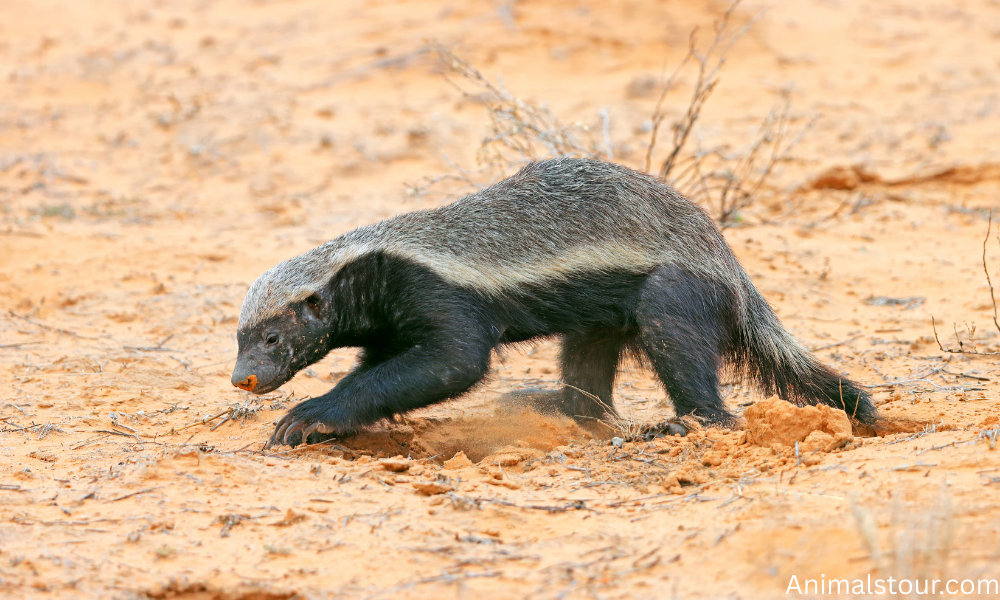
What’s even more fascinating is how this thick skin is not just about physical defense; it’s intricately tied to the honey badger’s fearless disposition. This animal, often dubbed “the world’s most fearless creature,” has a bold attitude that reflects its anatomical advantages.
The thick skin enables it to tackle formidable foes and venture into perilous situations without the typical fear response seen in other species.
5. Blue whale
Scientific name: Balaenoptera musculus
Class: Mammalia
Diet: Carnivore (krill)
The blue whale, the largest creature on Earth, boasts an astonishing thick skin that can measure up to 12 inches in certain areas. This ability serves multiple purposes, from providing insulation in frigid ocean depths to protecting the whale from potential predators like orcas.
As the blue whale glides through the open waters, its skin not only acts as armor but also plays a role in its unique hydrodynamics. It helps to streamline its colossal body for more efficient movement.
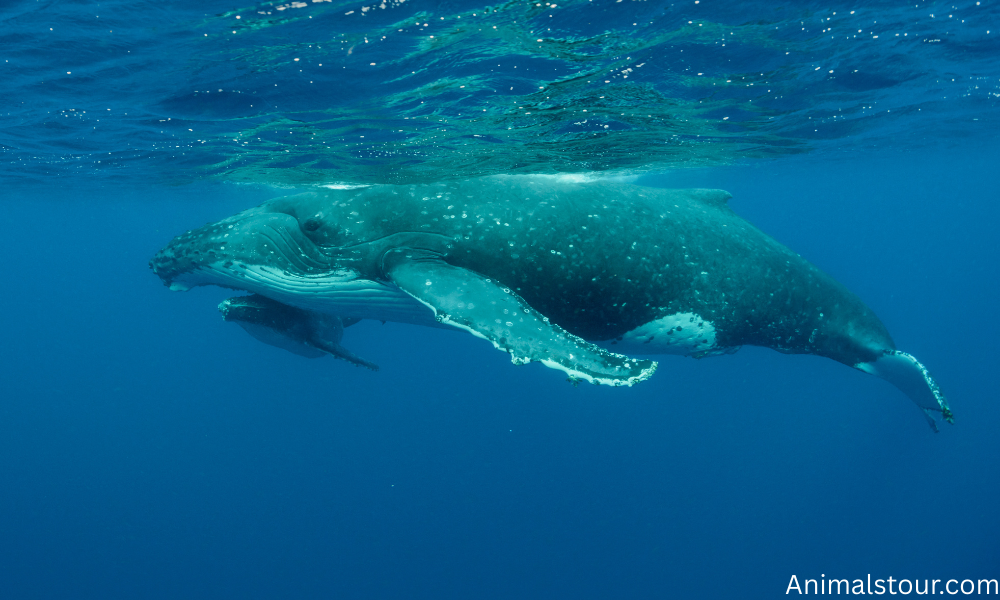
Moreover, researchers have discovered that the textured surface of a blue whale’s skin harbors a complex ecosystem of microorganisms. These tiny organisms, such as bacteria and barnacles, engage in a symbiotic relationship with the whale, contributing to its health while offering insight into the ocean’s biodiversity. Studying this skin can reveal fascinating clues about the health of marine environments, reminding us that even the largest animals carry intricate ecosystems within their own bodies. In a world facing rapid environmental change, understanding the role of blue whales and their skin might be key to broader conservation efforts.
6. Armadillo
Scientific name: Dasypus novemcinctus
Class: Mammalia
Diet: Omnivore
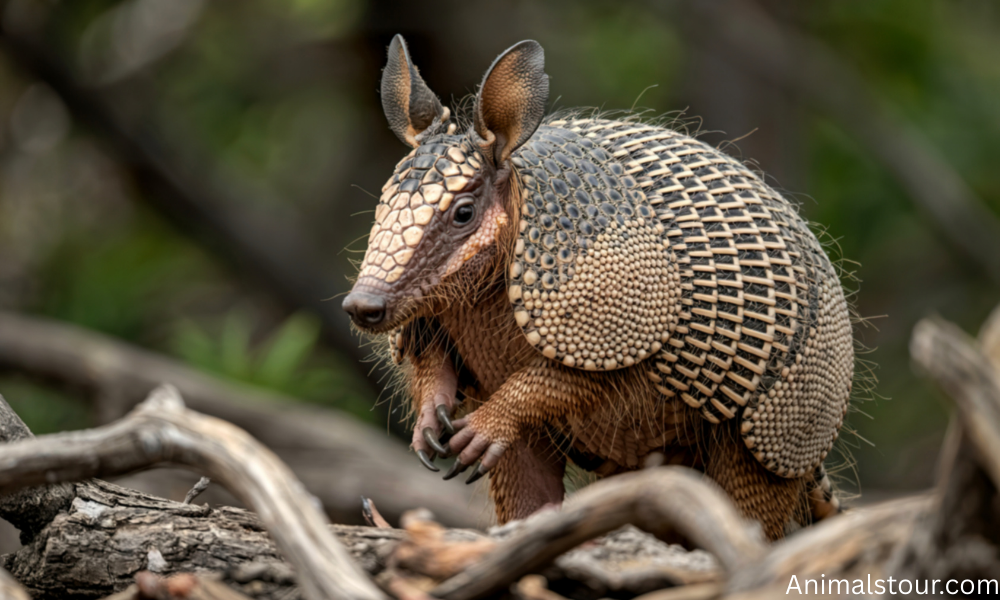
The armadillo, with its unique armor-like skin, is not just a quirky-looking creature. Its thick, bony plates, known as osteoderms, serve as a formidable defense against predators. However, this tough exterior is more than just physical armor; it plays a vital role in thermoregulation, helping the armadillo maintain its body temperature in various habitats, from arid deserts to lush forests.
Interestingly, the armadillo’s skin is also less rigid than it appears, allowing for flexibility and agility while navigating through its environment.
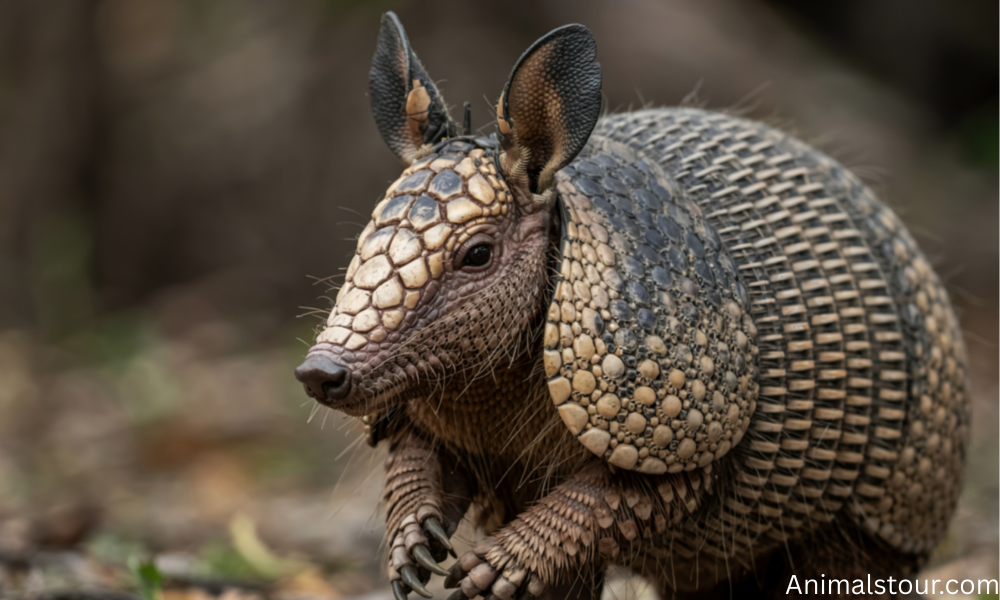
This balance between protection and mobility enables the armadillo to dig efficiently, searching for food like insects and grubs. Moreover, its skin isn’t just for show — it’s a fascinating study of form and function, highlighting how animals adapt uniquely to their ecological niches.
7. Walrus
Scientific name: Odobenus rosmarus
Class: Mammalia
Diet: Carnivore
The walrus, with its imposing stature and charismatic whiskers, boasts the thickest skin of any animal, reaching up to 4 inches in certain areas. This remarkable adaptation does more than just shield the walrus from the biting cold of the Arctic.
It serves as protection against predators, harsh environmental conditions, and even rival males during territorial disputes. The skin is not merely a barrier; it’s a dynamic layer housing a complex interplay of blubber and connective tissues that provide buoyancy and insulation.
Moreover, walruses rely on their thick skin for social interactions. The skin’s texture, enhanced by its rugged surface, plays a vital role in the tactile communication essential for bonding within their pods. Each scar and wrinkle tells a story of survival, encounters, and the harsh realities of life in icy waters.
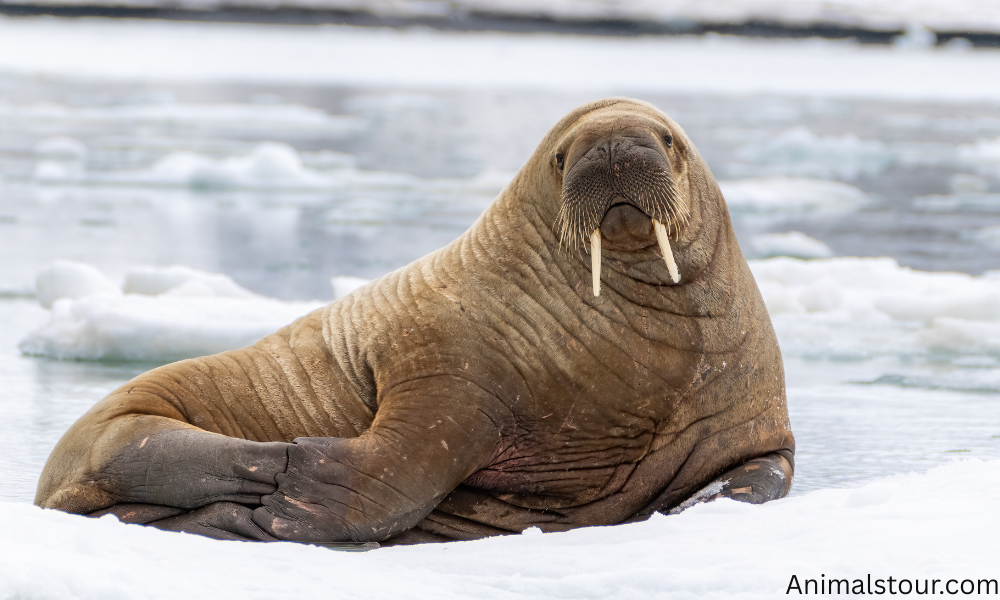
This interplay of toughness and social behavior highlights a unique aspect of walrus life — where strength is interwoven with community, making them formidable yet deeply social creatures of the Arctic.
8. Crocodile
Scientific name: Crocodylus porosus
Class: Reptilia
Diet: Carnivore
Crocodiles possess some of the thickest skin in the animal kingdom, measuring up to 2 inches in certain areas. This remarkable trait not only serves as armor against predators but also provides an intriguing glimpse into evolution.
Their tough skin is covered in rugged scales, composed of a unique structure called osteoderms, bony deposits embedded within the dermis that offer added protection and support. This evolutionary adaptation allows crocodiles to thrive in diverse environments, from freshwater lakes to brackish mangroves, ensuring their survival for millions of years.
Interestingly, the crocodile’s skin is not just a defensive mechanism; it also plays a pivotal role in their social behavior. These reptiles engage in complex interactions through visual signals conveyed by the texture and color of their skin, which can change in response to temperature and emotions.
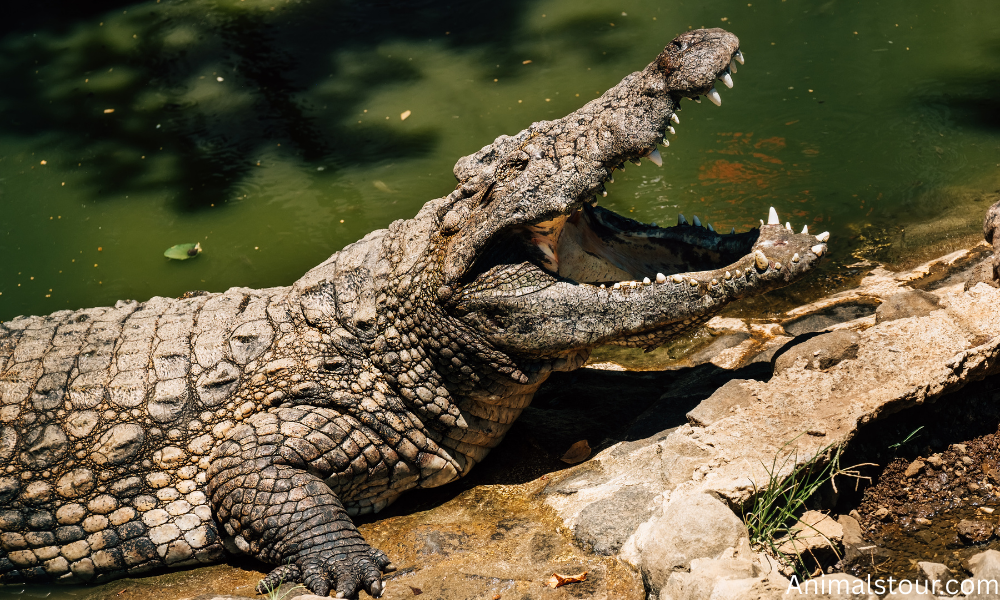
Moreover, their skin is imbued with sensory receptors, enabling them to detect vibrations in the water, enhancing their effectiveness as ambush predators. Thus, the crocodile’s thick skin is not merely a shield, it’s a sophisticated tool that has helped them adapt, communicate, and dominate their ecosystems. Their tails also work like a powerful weapon.
9. Bison
Scientific name: Bison bison
Class: Mammalia
Diet: Herbivore
Bison, often celebrated for their majestic stature and iconic presence on the plains, possess a skin that is not only remarkably thick but also serves multiple critical functions. Its skin can measure up to 5 centimeters in thickness, a feature essential for surviving in harsh environments.
This impressive barrier not only protects them from predators and extreme weather but also plays a role in thermoregulation, helping them maintain body temperature in chilling winds and icy conditions.
Beyond mere protection, bison skin is rich in sensory receptors that allow them to detect changes in their environment. This heightened sensitivity helps them sense danger, whether from lurking predators or emerging natural threats.
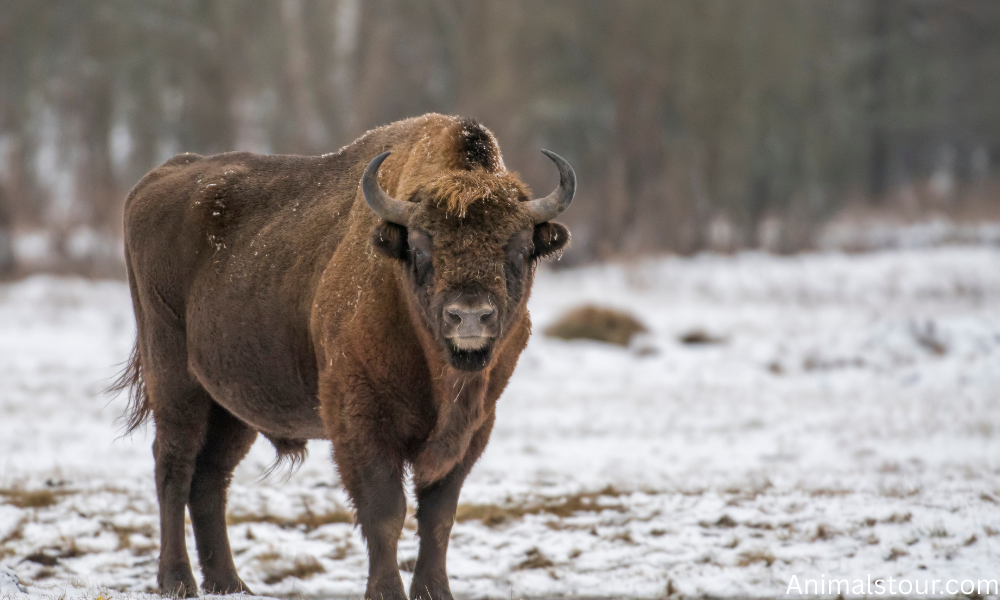
Moreover, bison have learned to adapt their behavior based on the season; during winter, their thick fur coat and skin combine to offer unparalleled defense against the elements, showcasing nature’s ingenuity in crafting survival mechanisms.
10. Grizzly bear
Scientific name: Ursus arctos horribilis
Class: Mammalia
Diet: Omnivore
Grizzly bears, renowned for their formidable presence in the wild, possess skin that can be up to two inches thick, making them one of the thickest-skinned animals on Earth.
This natural armor serves as a vital defense mechanism, shielding them from harsh environmental elements as well as the occasional confrontation with predators.
Interestingly, this exceptional thickness enables them to be surprisingly agile despite their bulk, allowing for quick maneuvers when necessary.
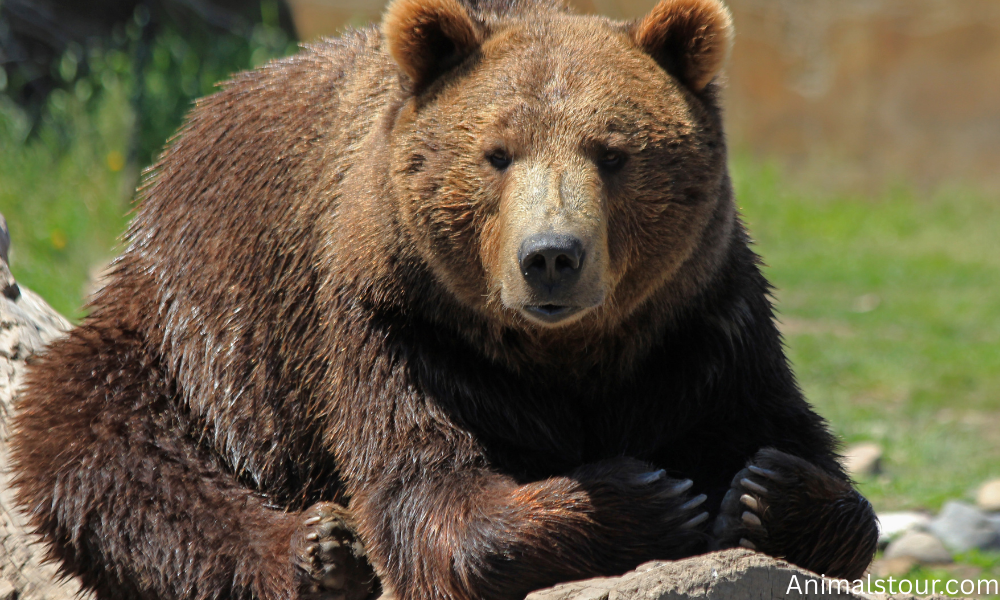
Moreover, their thick skin is not just about protection; it plays a critical role in thermoregulation. In the colder months, this robust layer helps insulate their bodies, retaining warmth as they hibernate. During this season, grizzlies rely on their stored fat copiously.
11. Camel
Scientific name: Camelus dromedarius
Class: Mammalia
Diet: Herbivore
The camel’s skin is a fascinating marvel of nature, serving not just as a protective barrier but also as a remarkable adaptation to its harsh environment.
One of the thickest among land animals, camel skin can reach up to an inch in thickness, allowing these resilient creatures to withstand extreme temperatures and harsh sun exposure. This impressive layer is not merely for protection, but also plays a crucial role in thermoregulation, allowing camels to maintain a stable body temperature in the blistering desert sun.
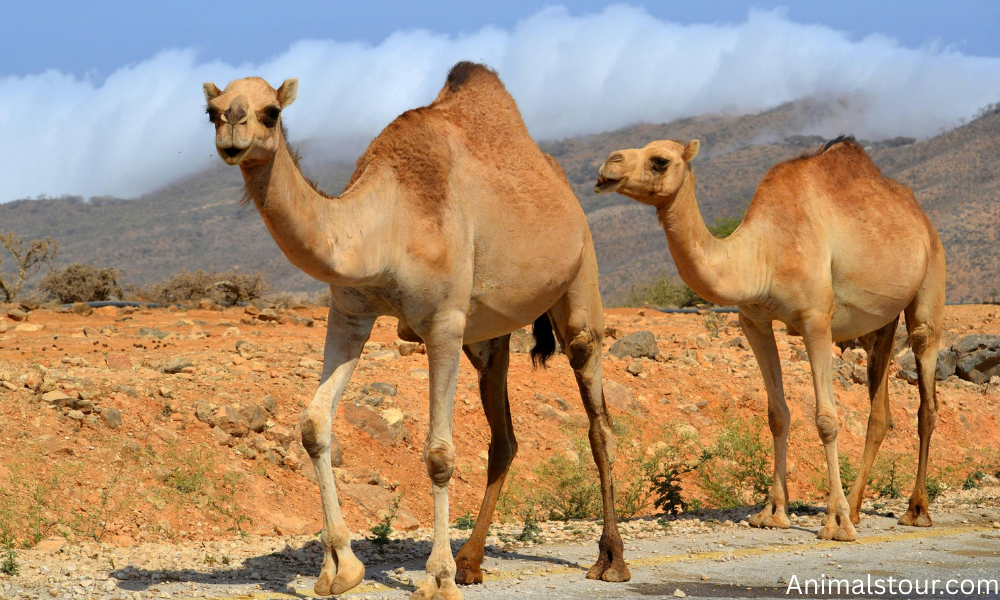
Beyond its thickness, the skin is rich in unique properties, such as the ability to minimize water loss and insulate against cold during nighttime. The oiliness of camel skin, which can repel water, also serves as a deterrent against sand and parasites, further showcasing nature’s ingenuity. Interestingly, the skin is home to a special set of sweat glands, essential for cooling down after exertion, which adds another layer of survival strategy for these remarkable animals in their arid landscapes. Camel can run at speeds up to 65 km/h in short bursts with its long legs.
12. Whale Shark
Scientific name: Rhincodon typus
Class: Chondrichthyes
Diet: Carnivore (filter feeder)
The whale shark, the gentle giant of the ocean, boasts skin that can reach an astonishing thickness of up to 10 centimeters (about 4 inches). This impressive feature is more than just a protective layer; it’s a marvel of evolutionary adaptation.
The shark’s tough skin acts as armor against predators and parasites, ensuring its survival in diverse marine environments. Unlike many fish, whale sharks are more than just robust; their skin texture plays a pivotal role in their unique feeding strategy, as it aids in the filter-feeding process that allows them to consume plankton effectively.
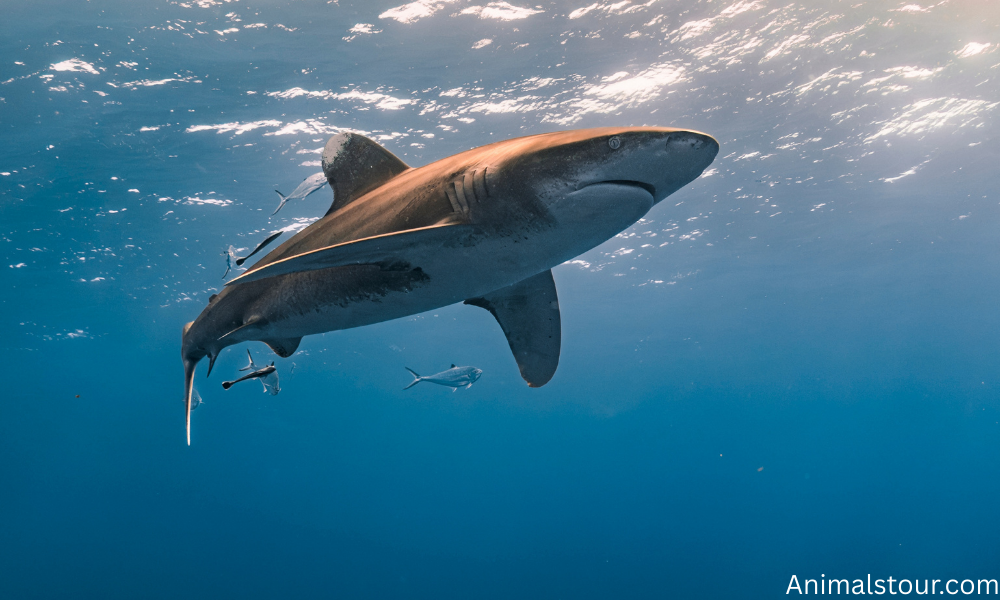
Moreover, the skin of the whale shark is a living canvas, adorned with intricate patterns that are as unique as human fingerprints. These markings help researchers identify individual sharks, enhancing our understanding of their migratory behavior and population dynamics. The skin’s unique properties also play a role in their interaction with their environment, influencing water flow around their bulky body and contributing to their overall efficiency in hunting.
13. Wild Boar
Scientific name: Sus scrofa
Class: Mammalia
Diet: Omnivore
The wild boar, often perceived as a ferocious creature of the forest, boasts an astonishing adaptation: its remarkably thick skin. This natural armor not only safeguards it from predators but also plays a crucial role in its survival.
The resilience of their skin allows these animals to thrive in diverse environments, from dense woodlands to rugged terrains, where encounters with sharp thorns and rough underbrush are common.
Interestingly, the wild boar’s skin is embedded with coarse bristles that act as an additional layer of defense. These bristles not only provide insulation but also help in regulating their body temperature, making them formidable survivors in varying climates.
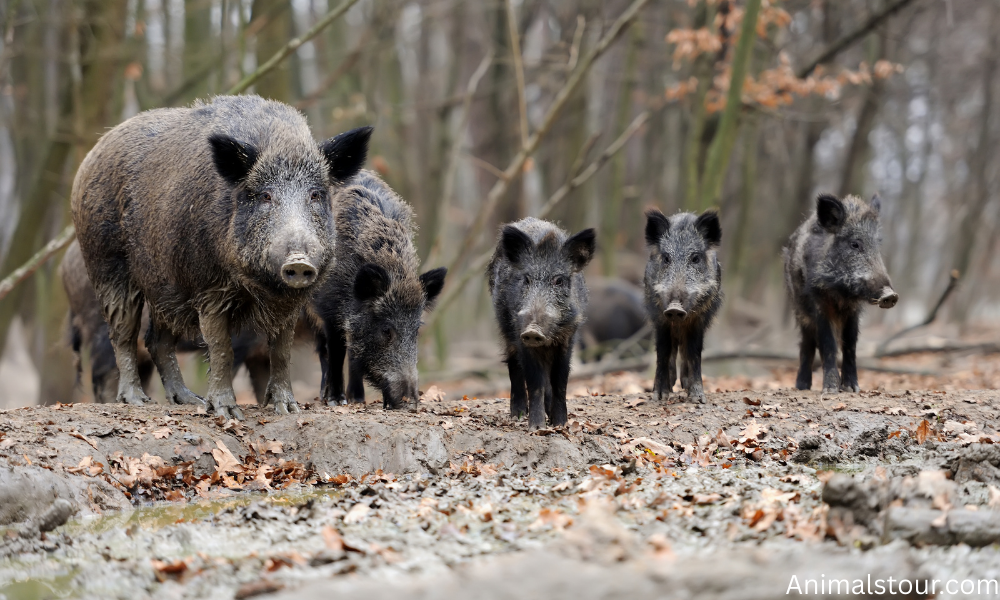
Moreover, this adaptation can also be seen as a parallel to the wild boar’s character; resilient and rugged, they embody a spirit of persistence that is fascinating to observe. Their thick skin, often overlooked, serves as a reminder of the extraordinary ways in which nature equips its creatures to face the challenges of their habitats.
14. Sperm Whale
Scientific name: Physeter macrocephalus
Class: Mammalia
Diet: Carnivore
The sperm whale boasts the thickest skin of any known animal, measuring up to a remarkable foot in certain areas. This impressive adaptation serves not only as a protective barrier against predators but also aids in regulating its body temperature in the chilly depths of the ocean.
The skin’s toughness can be attributed to a dense layer of collagen, allowing the whale to withstand harsh oceanic conditions without succumbing to injuries from rough underwater terrain.
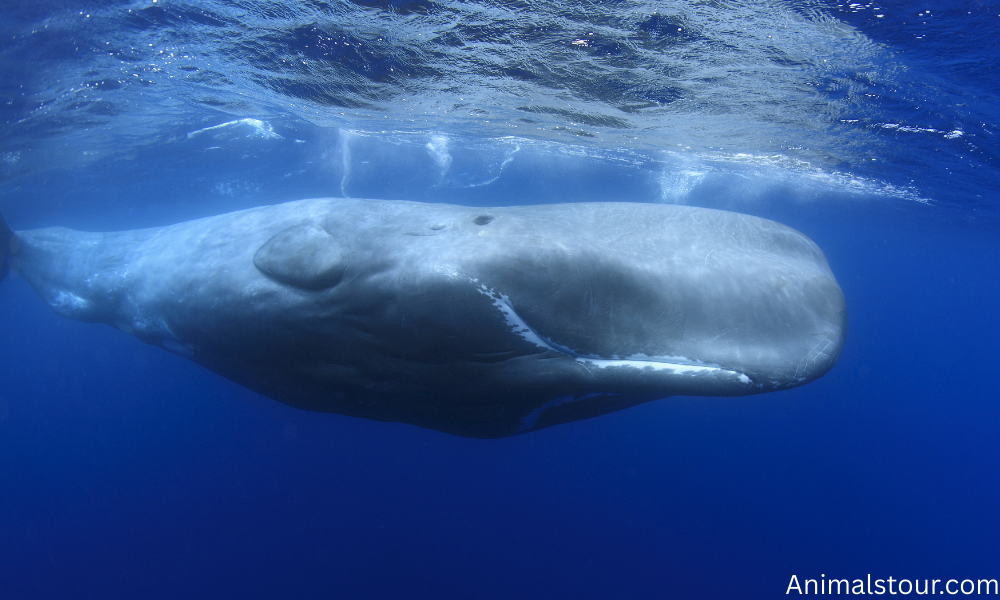
Moreover, the unique texture and composition of sperm whale skin hold secrets that scientists are eager to unlock. Each whale carries its own signature pattern of scars, which can tell stories of its interactions with other marine creatures, including the notorious cookiecutter shark.
This interplay of survival and environmental adaptation is a vivid reminder of the intricate connections within the marine ecosystem.
Final Thoughts
To sum up, the thick-skinned animals we’ve explored represent some of the most extraordinary adaptations in nature. These species not only survive but thrive in their ecosystems, facing threats with their impressive durability. Their thick skin serves various purposes, from protection against environmental hazards to deterring predators. By learning about these incredible animals, we deepen our understanding of biodiversity and the delicate balance of ecosystems. Join us in advocating for the preservation of these stunning creatures and their habitats, ensuring they continue to roam the Earth for generations to come.
FAQs
What animal has the thickest skin?
The animal with the thickest skin is actually the sperm whale. Their skin can reach up to 14 inches in thickness, which helps protect them from the intense pressure of deep ocean waters and predatory threats. Sperm whale skin also serves as a barrier against temperature changes and environmental elements.
Which animal has the toughest skin?
Crocodiles have some of the toughest skin in the animal kingdom. Their hide is made up of tough, scaly plates called osteoderms, which provide excellent protection against predators and environmental challenges. These scales are not only hard but also resistant to damage, making it difficult for most threats to penetrate.