Top 20 Animals With Sharp Teeth and the Strongest Bite Force
This guide explores the top 20 animals with sharp teeth, revealing how each animal with sharp teeth uses its powerful animal teeth for hunting, defense, and survival.
Not all sharp teeth animals use their teeth the same way. Some rely on long canines to grip prey, while others have serrated or razor-like teeth for slicing meat. A few are even animals that have fangs, using specialized teeth to inject venom or hold struggling prey.
These creatures are not just fascinating; they play crucial roles in maintaining the balance of nature. By exploring this list, you’ll gain a newfound respect for the power and importance of these animals in our world!
List of Animals With Sharp Teeth
| No. | Animal Name | Scientific Name | Class | Diet |
| 1 | Lion | Panthera leo | Mammalia | Carnivore |
| 2 | Great White Shark | Carcharodon carcharias | Chondrichthyes | Carnivore |
| 3 | Crocodile | Crocodylus niloticus | Reptilia | Carnivore |
| 4 | Wolf | Canis lupus | Mammalia | Carnivore |
| 5 | Tiger | Panthera tigris | Mammalia | Carnivore |
| 6 | Hyena | Crocuta crocuta | Mammalia | Carnivore |
| 7 | Polar Bear | Ursus maritimus | Mammalia | Carnivore |
| 8 | Snake | Ophiophagus hannah | Reptilia | Carnivore |
| 9 | Leopard | Panthera pardus | Mammalia | Carnivore |
| 10 | Alligator | Alligator mississippiensis | Reptilia | Carnivore |
| 11 | Jaguar | Panthera onca | Mammalia | Carnivore |
| 12 | Komodo Dragon | Varanus komodoensis | Reptilia | Carnivore |
| 13 | Orca | Orcinus orca | Mammalia | Carnivore |
| 14 | Tasmanian Devil | Sarcophilus harrisii | Mammalia | Carnivore |
| 15 | Barracuda | Sphyraena barracuda | Actinopterygii | Carnivore |
| 16 | Piranha | Pygocentrus nattereri | Actinopterygii | Carnivore |
| 17 | African Wild Dog | Lycaon pictus | Mammalia | Carnivore |
| 18 | Wolverine | Gulo gulo | Mammalia | Carnivore |
| 19 | Moray Eel | Muraenidae | Actinopterygii | Carnivore |
| 20 | Saber-Toothed Cat | Smilodon fatalis | Mammalia | Carnivore |
The shape and structure of animal teeth vary greatly depending on diet and habitat. Carnivores have razor-sharp canines for tearing meat, while herbivores have flatter teeth for grinding plants. These adaptations help every species survive in its environment.
Detailed Look At Animals With Sharp Teeth
Lion
Scientific Name: Panthera leo
Class: Mammalia
Diet: Carnivore
Lions, known as Panthera leo, are powerful wild cats with sharp conical teeth called canines. Their canine teeth can grow up to 3 inches long and are used to grip and kill prey. Lions also have carnassial teeth that work like scissors to slice through meat cleanly.
These long sharp teeth make lions one of the most effective predators on the African savanna. Their teeth are perfectly designed for grabbing, killing, and tearing large animals apart.
Young lion cubs begin developing their adult hunting teeth at around three months old. Lions are the only wild cats that hunt together in groups using their teeth as their primary weapon.
A fun fact about lions is that they can eat up to 88 pounds of meat in a single meal.
Great White Shark
Scientific Name: Carcharodon carcharias
Class: Chondrichthyes
Diet: Carnivore
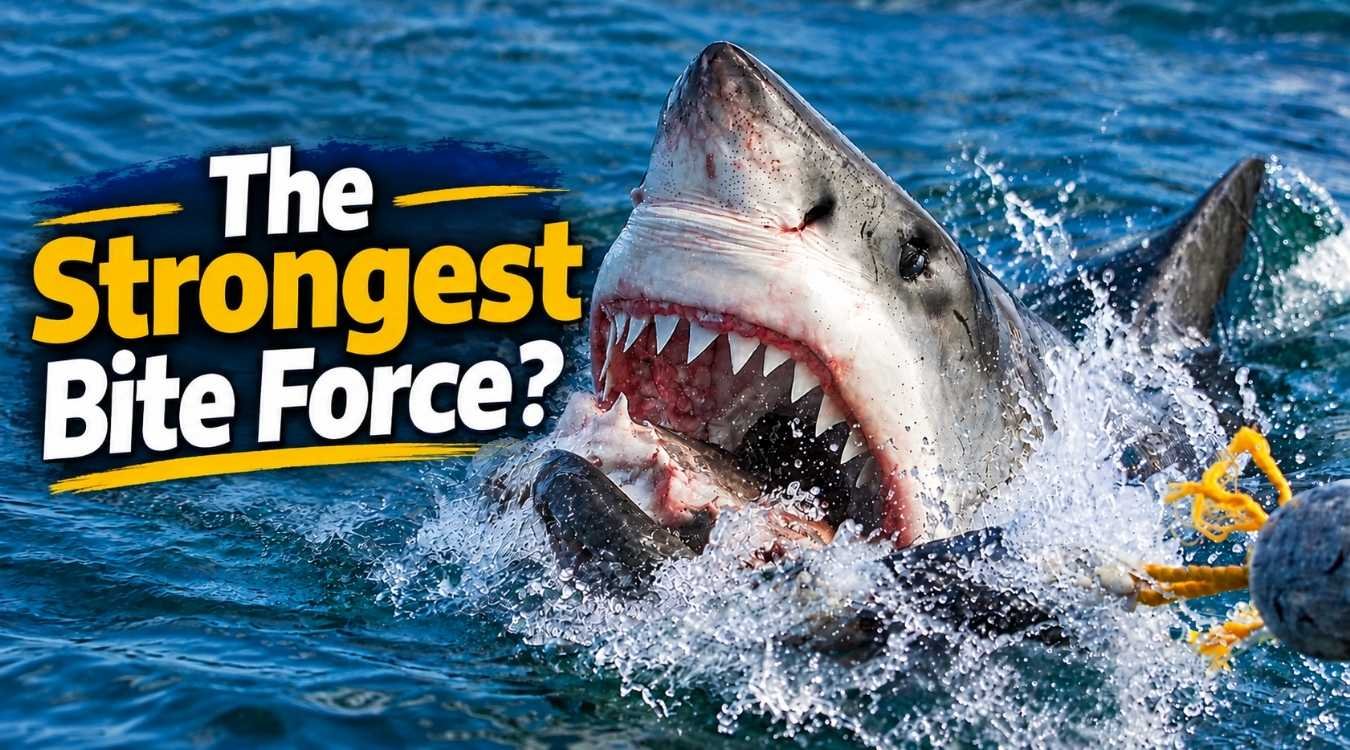
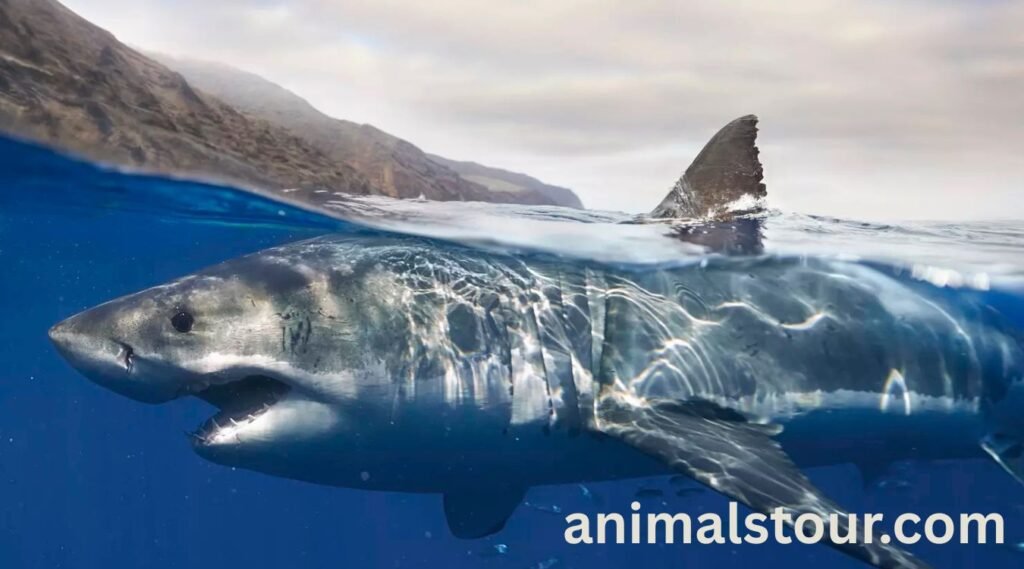
The white shark is among the most dreaded sea predators. It inhabits oceans all over the world. There are rows of sharp teeth in this shark. Each tooth has a jagged edge. These blades are useful in slicing through the flesh. When one tooth cracks another one pushes.
Thousands of teeth may be replaced in a lifetime of sharks. Great white do not chew on food. Their prey is bitten and shaken. This motion cuts the meat up. Their teeth are cutters, and not grinders. Such sharks prey on fish seals and sea lions.
They often attack from below. The attack is fast due to speed and sharp teeth. Their jaws are very strong. One bite could bring about a lot of harm.Sharks depend on the survival of their teeth. In their absence they were unable to hunt large animals.
Juvenile sharks begin with large teeth. One of their hunting tools is teeth. People are scared of them though they rarely attack. They tend to confuse individuals with prey. It is significant that sharks are protected as animals of balance to oceans.
A fun fact is that a great white shark can go through up to 50,000 teeth in its entire lifetime.

Crocodile
Scientific Name: Crocodylus niloticus
Class: Reptilia
Diet: Carnivore
The crocodile, known as Crocodylus niloticus in Africa, has one of the most powerful bites ever recorded. The crocodile is often discussed when comparing animals with the strongest bite force because of its extremely powerful jaws. Its bite allows it to grab and hold prey firmly underwater.
Crocodile teeth are replaced continuously throughout their life, going through thousands of teeth total. Unlike most predators, crocodile teeth are not used for chewing but purely for gripping and drowning prey.
Their teeth interlock perfectly when the mouth is closed, leaving none hidden inside the jaw. The fourth lower tooth of a crocodile is always visible even when its mouth is fully shut. This is actually one of the easiest ways to tell a crocodile apart from an alligator.
A fun fact is that crocodiles can replace each tooth up to 45 times during their long lifespan.
Wolf
Scientific Name: Canis lupus
Class: Mammalia
Diet: Carnivore
The gray wolf, known as Canis lupus, has 42 long sharp teeth built perfectly for hunting large prey animals. Wolves have long canine teeth that can reach up to 2.5 inches and are used to grab and hold.
Their carnassial teeth at the back of the jaw slice through tough meat and crack bones easily. A wolf’s bite is nearly twice as strong as that of a large domestic dog. Their teeth are so strong they can generate a bite force of around 400 pounds per square inch.
Wolves use their teeth not just for hunting but also for grooming and playing with pack members. Young wolves begin losing their baby teeth and growing adult teeth at around four months of age.
A fun fact is that wolves can crush large moose and elk bones with their powerful back teeth effortlessly.
Tiger
Scientific Name: Panthera tigris
Class: Mammalia
Diet: Carnivore
The tiger, known as Panthera tigris, is the largest wild cat and has impressively large, sharp canine teeth. Their canines can grow up to 4 inches long, making them the longest of any living wild cat species.
Tigers use these teeth to deliver a precise bite to the neck or throat of their prey animals. Their teeth are strong enough to snap the spine of a deer or wild pig in one quick bite. Despite having fewer teeth, each one is larger and more powerful than those of other big cats.
Tigers also use their rough tongue and teeth together to strip meat cleanly from bones after a kill. Their dental structure is so efficient that very little meat is ever wasted after a tiger finishes eating.
A fun fact is that tigers have fewer teeth than most other carnivores, with only 30 teeth in total.
Hyena
Scientific Name: Crocuta crocuta
Class: Mammalia
Diet: Carnivore
The spotted hyena, known as Crocuta crocuta, has some of the strongest and most durable teeth in the animal kingdom. Their large premolar teeth, called bone-crushers, can crack through the thickest bones of dead animals. Hyenas have 34 teeth in total, all designed to tear meat and crush hard materials with great ease. Their bite force is around 1,100 pounds per square inch, which is stronger than most big cats.
Their teeth are so strong they rarely chip or break even after years of crushing hard bones daily. Young hyenas are actually born with fully erupted milk teeth ready to compete at a carcass immediately. Hyenas leave almost nothing behind after a meal, making them nature’s most complete and efficient consumers.
A fun fact is that hyenas can eat and digest bones, hooves, and horns that no other predator can consume.

Polar Bear
Scientific Name: Ursus maritimus
Class: Mammalia
Diet: Carnivore
The polar bear, known as Ursus maritimus, has 42 long sharp teeth adapted for a diet of seals and marine animals. Their long canine teeth are used to grab slippery seals right out of the icy water with a firm grip.
Polar bears also have sharp cheek teeth designed to cut and chew through tough seal skin and blubber. Their teeth are slightly more sharp and pointed than other bear species due to their purely meat-based diet.
Unlike brown bears, polar bears rarely eat plant material, so their teeth stay sharper for much longer. The polar bear bite force is also impressive, helping this powerful predator grip seals and tear through tough skin and blubber. Its strong jaws are an important part of its hunting ability in the Arctic.
A fun fact is that polar bears have such strong teeth they can bite through several inches of frozen seal blubber easily.
Snake
Scientific Name: Ophiophagus hannah
Class: Reptilia
Diet: Carnivor
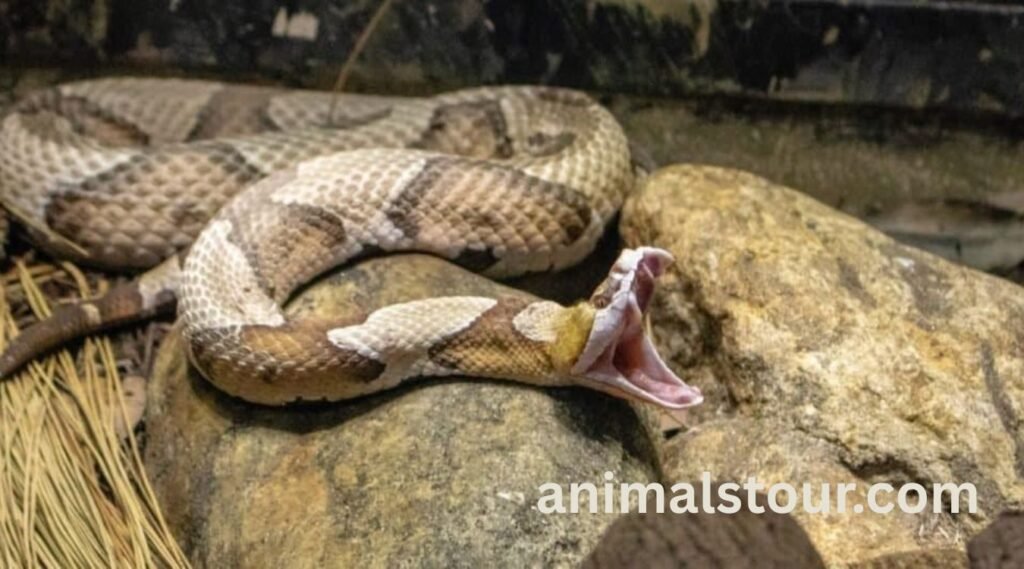
Snakes belong to the order Squamata and have highly specialized teeth depending on their species and hunting method. Animals with fangs like Venomous snakes cobras have hollow that inject venom directly into their prey during a bite.
Non-venomous snakes have rows of small, backward-curved teeth that prevent prey from escaping their grip. All snake teeth are designed not for chewing but purely for catching and holding food before swallowing.
Some snakes have over 100 small teeth lining both the upper and lower jaws at the same time. The inland taipan has venom so powerful that even its small fangs can kill a human in under an hour. Snakes swallow all prey whole because their teeth are simply not built for cutting or chewing food at all.
A fun fact is that snakes can replace lost teeth quickly throughout their entire lifetime without any permanent gaps.
Leopard
Scientific Name: Panthera pardus
Class: Mammalia
Diet: Carnivore
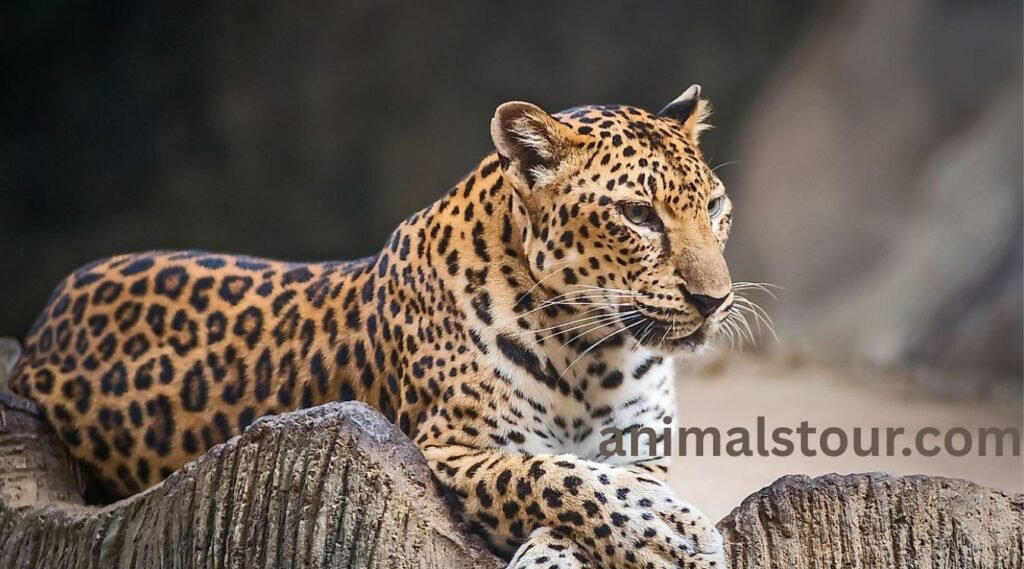
The leopard, known as Panthera pardus, has 30 long sharp teeth perfectly suited for hunting a wide variety of prey animals. Their long, curved canine teeth can reach up to 2 inches and deliver a suffocating bite to the throat.
Leopards use their sharp carnassial teeth to slice meat efficiently off bones after making a successful kill. Their teeth are strong enough to carry prey much heavier than themselves up into tall trees with ease.
Their versatile teeth allow them to eat everything from tiny beetles and birds to large antelopes and baboons. Leopards keep their teeth clean and sharp by gnawing on bones and rough tree bark regularly.
A fun fact is that Leopards have the widest prey range of all big cats, eating over 90 different animal species.
Alligator
Scientific Name: Alligator mississippiensis
Class: Reptilia
Diet: Carnivore
The American alligator, known as Alligator mississippiensis, has around 80 sharp, cone-shaped teeth at any given time. Their teeth are designed to grab and hold prey firmly rather than to slice or chew it into pieces.
Alligators replace their teeth constantly and can go through 3,000 teeth over the course of their entire lifetime. Their bite force is one of the strongest ever measured at around 2,980 pounds per square inch.
Unlike crocodiles, the lower teeth of an alligator are hidden when its mouth is fully closed shut. Alligators use their teeth mainly to grip struggling prey before dragging it underwater to drown it.
This impressive bite force often raises the question: what animal has the strongest bite force? The answer can vary depending on whether scientists compare measured bite force, body size, or bite force among living land animals.
A fun fact is that alligators can grow new teeth to replace old or broken ones throughout their entire lives.
Jaguar
Scientific Name: Panthera onca
Class: Mammalia
Diet: Carnivore
The jaguar, known as Panthera onca, has the most powerful bite of any big cat species living in the world today. Their large canine teeth are used to pierce directly through the skulls of prey rather than biting the throat.
Jaguars have 30 teeth in total, with incredibly strong jaw muscles that make each bite absolutely devastating. Their teeth can crack open turtle shells and the thick skulls of caimans with a single precise bite.
This naturally leads to another interesting question. which animal has the strongest bite force among living predators?
Jaguars are especially notable among big cats because their powerful jaws allow them to bite through tough shells and skulls. This killing technique is faster and more efficient than the throat bite method used by lions and tigers.
A fun fact is that the jaguar’s bite is twice as strong as that of a lion of similar body size.
Komodo Dragon
Scientific Name: Varanus komodoensis
Class: Reptilia
Diet: Carnivore
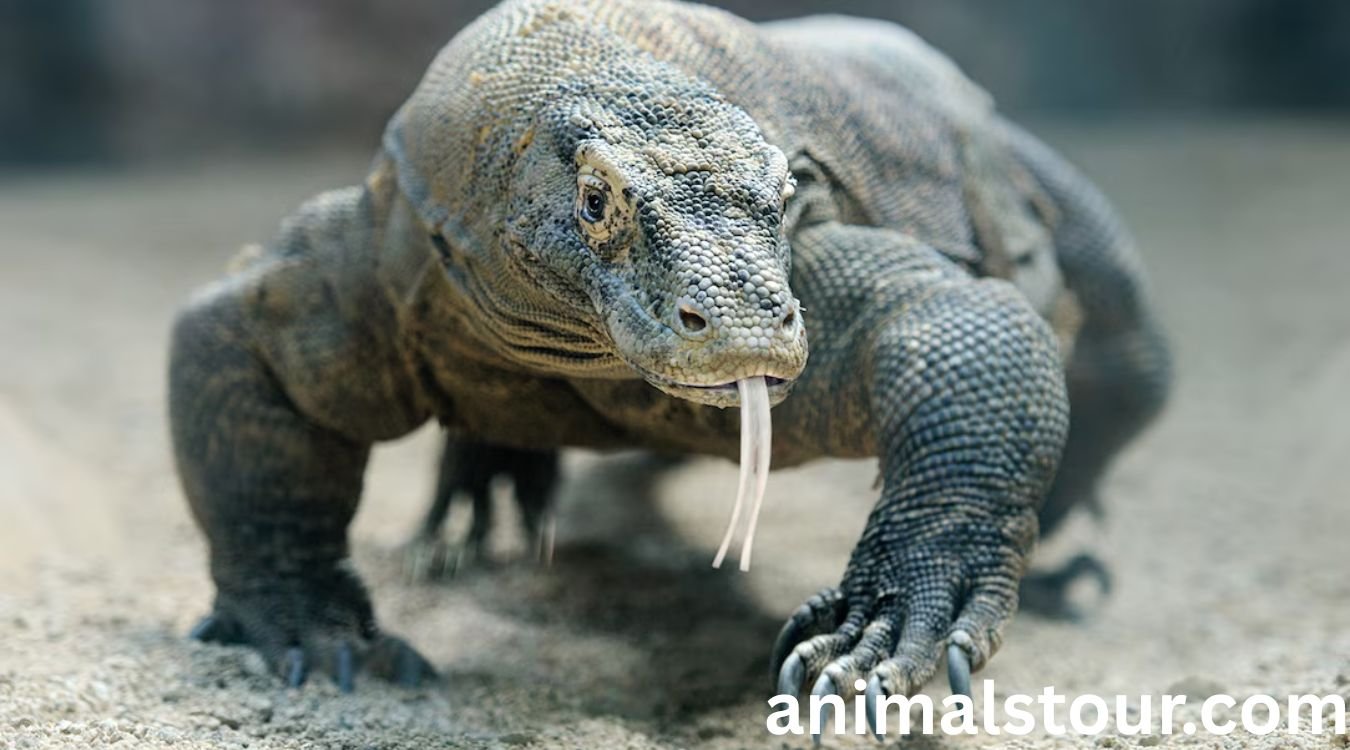
The Komodo dragon, known as Varanus komodoensis, has around 60 sharp, serrated teeth hidden under its gum tissue. Their teeth are blade-like and curved, designed perfectly for tearing large chunks of meat from prey animals.
Komodo dragons replace their teeth regularly, and each tooth is coated with iron minerals that keep them sharp. They also produce venom from glands in the lower jaw that prevents the blood of prey from clotting properly.
Their gums cover most of the teeth, which turn the saliva a red color after they begin feeding on prey. A Komodo dragon can eat up to 80 percent of its body weight in one single feeding session. Their combination of sharp teeth, venom, and patience makes them one of the most dangerous reptile predators alive.
A fun fact is that Komodo dragon teeth are very similar in shape to the teeth of some meat-eating dinosaurs.
Orca
Scientific Name: Orcinus orca
Class: Mammalia
Diet: Carnivore
The orca, known as Orcinus orca, has around 40 to 56 large, cone-shaped teeth built for gripping slippery prey. Each tooth can measure up to 4 inches long and curves slightly backward to prevent prey from escaping.
Orcas use their teeth to catch fish, seals, sharks, and even large whales in the open ocean. Their teeth are incredibly strong and rarely wear down despite a lifetime of hunting very large and shock animals.
When hunting large prey like whales, orcas use their teeth to hold on while the group works together. Orca teeth continue growing throughout their entire lifetime and can reveal the animal’s age when studied closely. Researchers can actually count the layers inside an orca tooth like tree rings to determine exactly how old it is.
A fun fact is that orcas do not chew their food but instead swallow smaller prey completely whole in one motion.

Tasmanian Devil
Scientific Name: Sarcophilus harrisii
Class: Mammalia
Diet: Carnivore
The Tasmanian devil, known as Sarcophilus harrisii, has 42 long sharp teeth that are extremely strong for its small body size. Their large canine teeth are used to grab and hold struggling prey or pieces of tough carcass firmly.
Tasmanian devils have powerful molars at the back of the jaw that can crush and grind through bones completely. Their bite force relative to body size is one of the strongest of any living mammal found on Earth.
Their teeth are so efficient that a group of devils can completely finish a large wallaby carcass within 30 minutes. Young devils begin developing their strong adult teeth just a few months after leaving their mother’s pouch.
A fun fact is that Tasmanian devils can eat every single part of an animal, including the bones and thick fur.
Barracuda
Scientific Name: Sphyraena barracuda
Class: Actinopterygii
Diet: Carnivore
The great barracuda, known as Sphyraena barracuda, has two types of sharp teeth that work together perfectly for hunting. The outer teeth are small and fine for gripping, while the inner teeth are large and fang-like for piercing prey.
Although they are fish rather than venomous predators, barracudas are often compared to fanged animals because of their long, fang-like teeth that are perfect for catching prey. Their razor-sharp teeth can cut a large fish completely in half with just one fast and powerful bite.
They strike prey so fast and precisely that smaller fish are often cut clean in two before they can react. Barracudas replace worn or broken teeth throughout their lives to maintain peak hunting effectiveness in the ocean.
Their teeth combined with their extreme swimming speed make them one of the most efficient fish predators in warm ocean waters.
A fun fact is that barracuda teeth are so sharp they have been compared to the edge of a well-sharpened steel knife blade.
Piranha
Scientific Name: Pygocentrus nattereri
Class: Actinopterygii
Diet: Carnivore
The red-bellied piranha, known as Pygocentrus nattereri, has triangular interlocking teeth that are razor-sharp on all edges. Their teeth fit together perfectly like a zipper when the mouth closes, creating a nearly perfect cutting tool.
Piranhas have some of the sharpest teeth of any freshwater fish living in rivers and lakes today. They can bite through fishing hooks, wooden boat paddles, and thick animal bones with very little effort.Piranhas replace one side of their teeth at a time so they always have a working set ready for use.
Their jaw muscles are extremely powerful relative to their small body, delivering a shockingly strong bite. A single piranha can strip a small fish completely to the bone in less than a minute of focused feeding.
A fun fact is that piranha teeth are so sharp that some South American tribes historically used them as cutting tools.
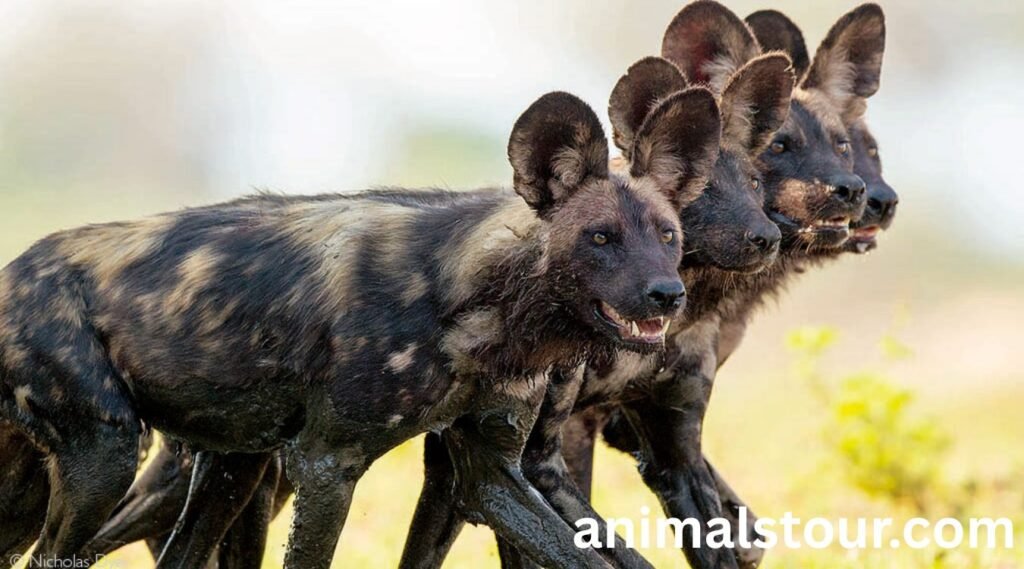
African Wild Dog
Scientific Name: Lycaon pictus
Class: Mammalia
Diet: Carnivore
The African wild dog, known as Lycaon pictus, has 42 long sharp teeth including large carnassials for slicing meat efficiently. Their teeth are proportionally larger and stronger than those of domestic dogs of the same body size.
African wild dogs use their sharp teeth to eat prey extremely quickly before lions or hyenas can steal the kill. Their scissor-like carnassial teeth slice meat so efficiently that very little energy is wasted during feeding time.
This extra cusp makes their teeth even more effective at processing meat quickly and cleanly after a successful hunt. Wild dogs eat so fast using their sharp teeth that an entire impala can be consumed by the pack in minutes. Their dental efficiency is one of the reasons their hunting success rate is so much higher than other large African predators.
A fun fact is that African wild dogs have a unique extra cusp on their lower carnassial tooth not found in other wild canines
Wolverine
Scientific Name: Gulo gulo
Class: Mammalia
Diet: Carnivore
The wolverine, known as Gulo gulo, has extremely strong teeth built to handle the toughest food found in frozen environments. Their large carnassial teeth are rotated slightly inward, giving them extra power to crack through frozen carcasses and thick bones.
Wolverines have teeth strong enough to bite through the frozen flesh and bones of animals that have been dead all winter long. Their jaw structure gives them one of the most powerful bites relative to body size of any land mammal.
Their teeth are so tough they can crush through the leg bones of large animals like caribou and elk completely. Wolverines use their teeth aggressively to defend food from wolves and bears many times their size. Despite living in one of the harshest environments on Earth, wolverine teeth rarely show signs of significant wear or damage over time.
A fun fact is that the wolverine’s scientific name Gulo actually means glutton in Latin, referring to its huge appetite.
Moray Eel
Scientific Name: Muraenidae
Class: Actinopterygii
Diet: Carnivore
The giant moray eel, known as Gymnothorax javanicus, has two complete sets of sharp teeth inside its long narrow head. The first set lines the outer jaw and grabs prey firmly during a sudden strike from its hiding spot.
The second set, called pharyngeal jaws, sits deep in the throat and shoots forward to pull captured prey inward. This double jaw system makes the moray eel one of the most uniquely armed predators living on coral reefs worldwide. Their outer teeth curve backward like hooks, making it nearly impossible for a captured fish to pull itself free.
Moray eels must open their mouths repeatedly just to breathe, which makes them look constantly threatening to divers nearby. Their teeth can cause serious wounds in humans not because morays are aggressive but because escape from their grip is so very difficult.
A fun fact is that the moray eel is one of the very few animals in the world to use pharyngeal jaws actively during feeding.
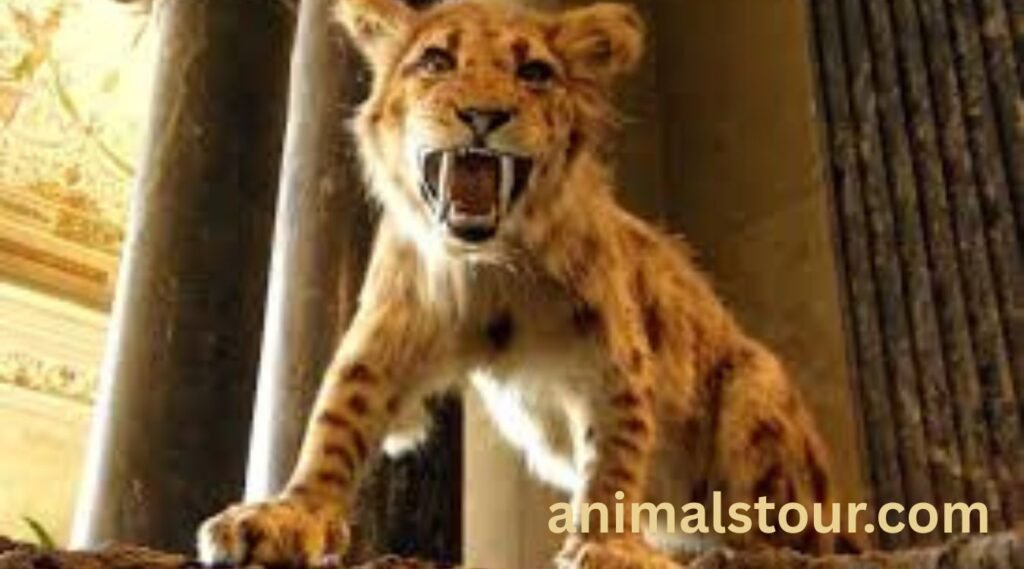
Saber-Toothed Cat
Scientific Name: Smilodon fatalis
Class: Mammalia
Diet: Carnivore
The saber-toothed cat, known as Smilodon fatalis, is most famous for its two enormous upper canine teeth reaching up to 11 inches long. These teeth were oval in cross-section, sharp on both edges, and serrated like a steak knife for cutting through thick hide.
Scientists believe the saber teeth were used to deliver a precise, deep slash to the soft throat of very large prey animals. Despite their dramatic size, these teeth were actually somewhat fragile and needed careful, accurate use to avoid breaking.
Their jaw could open to an incredible 120-degree angle, far wider than any modern big cat can manage today. Fossils found in the La Brea Tar Pits in California have given scientists most of what we know about their teeth. Though extinct for 10,000 years, the saber-toothed cat remains the most iconic example of extreme tooth evolution in the entire history of life.
A fun fact is that Smilodon had the longest canine teeth of any cat that has ever lived on Earth throughout history.
Final Words
The animal kingdom is full of amazing animals with sharp teeth, each adapted for a unique way of hunting and surviving. Whether you’re learning about a lion, shark, crocodile, or another animal with sharp teeth, their teeth reveal just how specialized nature can be.
Animal teeth are not just weapons but essential tools for eating, defending, and staying alive. These 20 animals remind us how diverse and fascinating nature truly is around us. Learning about them helps us appreciate wildlife and understand why protecting these animals matters so much.
When comparing an animal with the strongest bite force, researchers consider more than just the size of the teeth. Jaw structure, muscle strength, body size, and how the bite is measured can all affect the results.
FAQs:
what animal has the sharpest teeth?
The list includes species like the great white shark, tiger, piranha, and crocodile, among others.
What scientific class do these animals belong to?
They belong to various classes such as Mammalia (mammals), Chondrichthyes (cartilaginous fish), and Reptilia (reptiles).
What types of diets do these animals typically have?
Diets range from carnivorous to omnivorous, with most being primarily meat-eaters.
Are sharp teeth an adaptation for hunting?
Yes, sharp teeth are primarily adaptations for catching and consuming prey efficiently.
what animals have fangs?
Animals that have fangs include venomous snakes, spiders, vampire bats, barracudas, and extinct saber-toothed cats, all of which use their fang-like teeth for hunting or defense.