Scavenger Animals Revealed: The Unsung Heroes Behind Nature’s Ultimate Cleanup
Scavengers are animals that primarily feed on the remains of dead animals, rather than hunting live prey themselves. These important creatures act as nature’s clean-up crew, consuming carrion left behind by predators or animals that died naturally. By removing decaying organic matter, scavengers help prevent the spread of disease and recycle nutrients back into the ecosystem. In this article, you’ll explore the diverse range of scavengers, their unique adaptations, and why they are important to nature’s cleanup crew.
What are scavengers?
Scavengers are a crucial group of animals that primarily feed on the remains of dead organisms, rather than hunting live prey. These important scavenger animals act as nature’s clean-up crew, consuming carrion, decaying plant matter, or other waste products left behind by predators or natural causes. Vultures, hyenas, raccoons, and even some insects like dung beetles are common examples, all playing a vital role in breaking down dead material and preventing the spread of disease. By recycling nutrients back into the ecosystem, scavengers are essential for maintaining environmental health and balance.
What do scavengers eat?
Scavengers play a vital role in ecosystems by consuming a wide variety of organic matter that others leave behind. These crucial scavenger animals primarily feed on items that would otherwise accumulate and decay, ensuring nutrients are recycled. Their diet typically includes:
Carrion: This is perhaps the most well-known food source, referring to the decaying flesh of dead animals. Vultures and hyenas are classic examples of scavengers that specialize in this.
Rotting plants: While many associate scavengers with meat, some also consume decaying vegetation, such as fallen fruits, leaves, and other plant matter, helping break down organic material.
Animal byproducts: Various scavenger animals utilize things like discarded bones, fur, feathers, and even feces left by other creatures, ensuring nothing goes to waste.
Dead marine life: Along shorelines and in the ocean depths, scavenger species like crabs, gulls, and certain fish are essential for cleaning up deceased aquatic organisms.
In essence, the diet of a scavenger is diverse, encompassing almost any organic material that is no longer living, making them nature’s indispensable clean-up crew.
Why are scavengers so important?
Scavenger animals play an incredibly vital role in maintaining the health and cleanliness of our ecosystems. They act as nature’s clean-up crew, consuming dead animals and decaying organic matter that would otherwise accumulate and spread disease. Without these important creatures, such as the majestic vultures soaring overhead, the opportunistic hyenas of the plains, or even common raccoons and opossums in urban areas, our environments would quickly become overwhelmed with waste.
Various insects, like certain beetles and maggots, also belong to the scavenger animals names list, diligently breaking down carcasses and returning essential nutrients to the soil. Ultimately, the tireless work of scavenger animals is indispensable for a balanced and healthy planet.
Reduce the spread of disease
Scavenger animals play a crucial role in reducing the spread of disease by naturally cleaning up the environment. These important creatures, often including birds like vultures or mammals like hyenas, consume dead animals and decaying organic matter that would otherwise rot and become breeding grounds for harmful bacteria, viruses, and disease-carrying pests. By quickly removing these potential sources of infection and contamination, scavengers prevent pathogens from multiplying and spreading to other animals or humans through water, soil, or direct contact. Their essential work helps maintain public health by naturally sanitizing ecosystems and limiting the transmission of illnesses.
Help return nutrients to the earth
Scavenger animals play a very important role in returning essential nutrients to the earth. These creatures, like vultures, hyenas, and certain insects, clean up the environment by consuming dead animals and decaying organic matter. By doing so, they prevent the build-up of waste and break down complex materials into simpler forms. As they digest their food, they release vital nutrients such as nitrogen and phosphorus back into the soil, making them available for plants and other organisms to use again. This natural recycling process is crucial for maintaining a healthy and fertile ecosystem.
What are some examples of scavengers?
Below is the list of examples of scavenger animals in the world:
- Hyenas
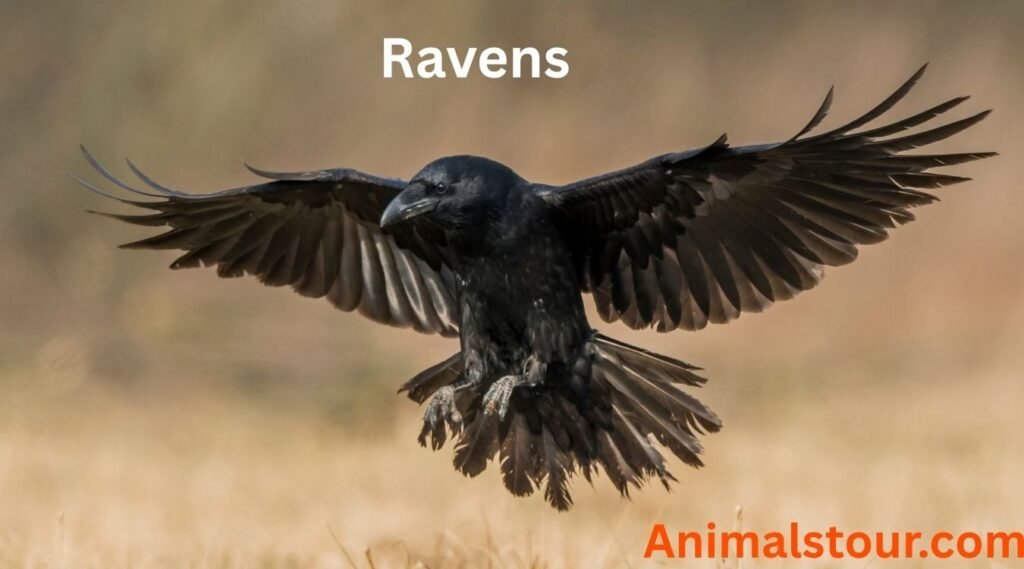
- Ravens
- Hawks
- Vultures
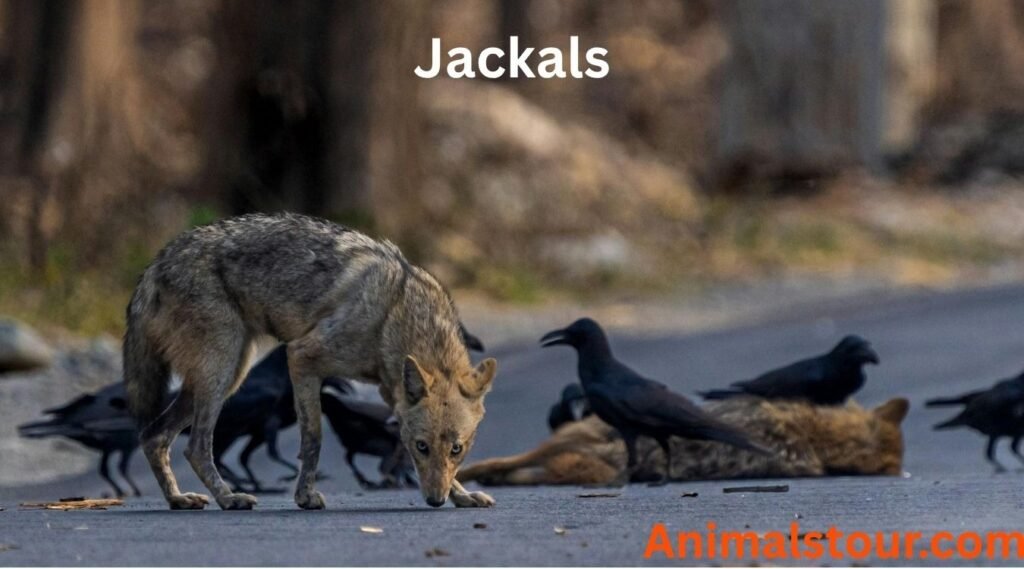
- Jackals
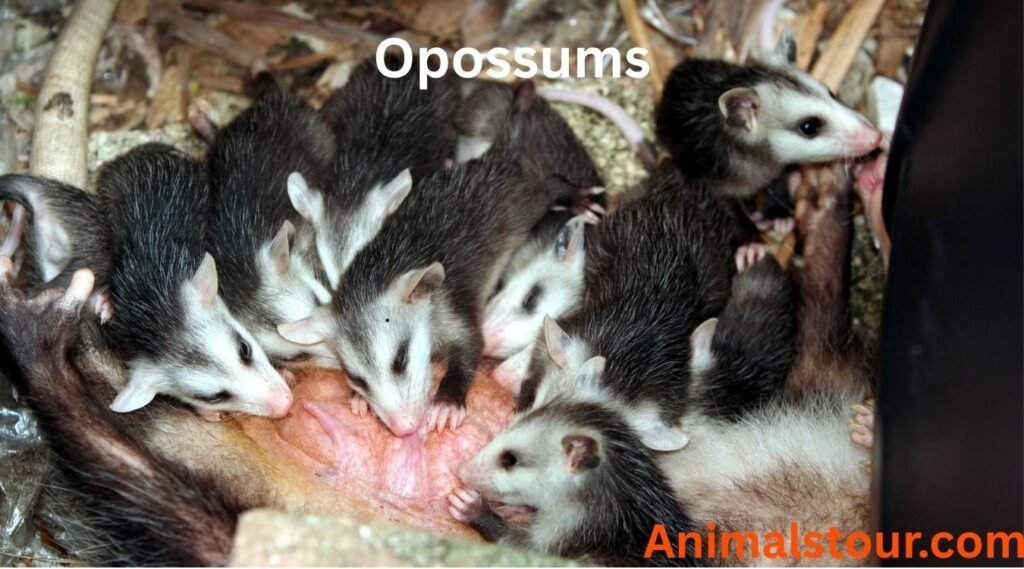
- Opossums
- Ants
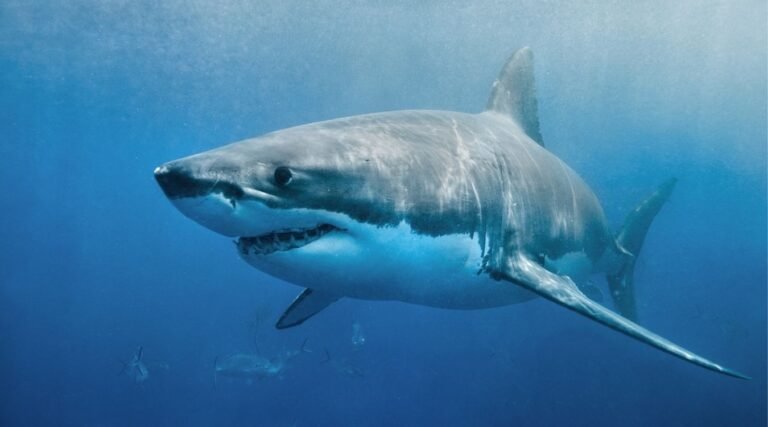
- Sharks
- Seagulls
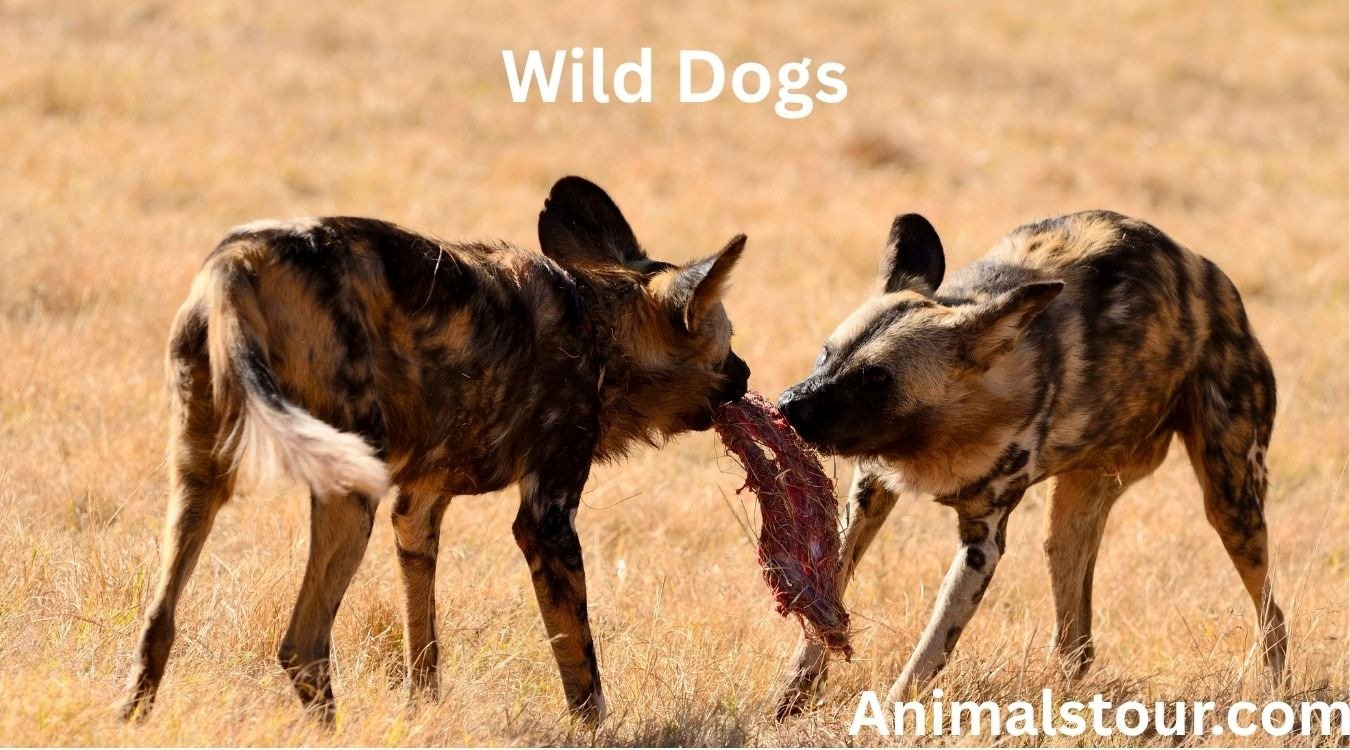
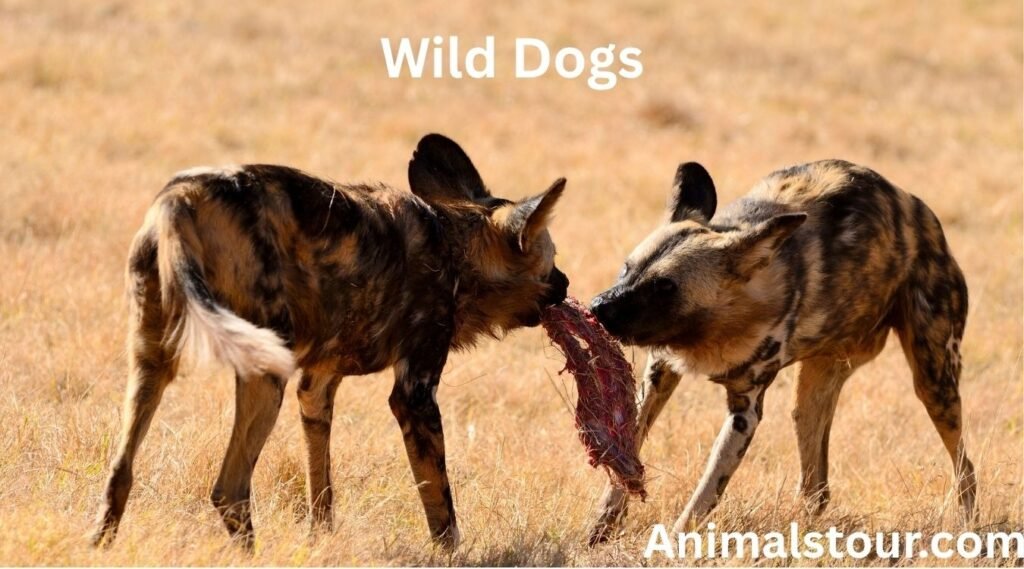
- Wild Dogs
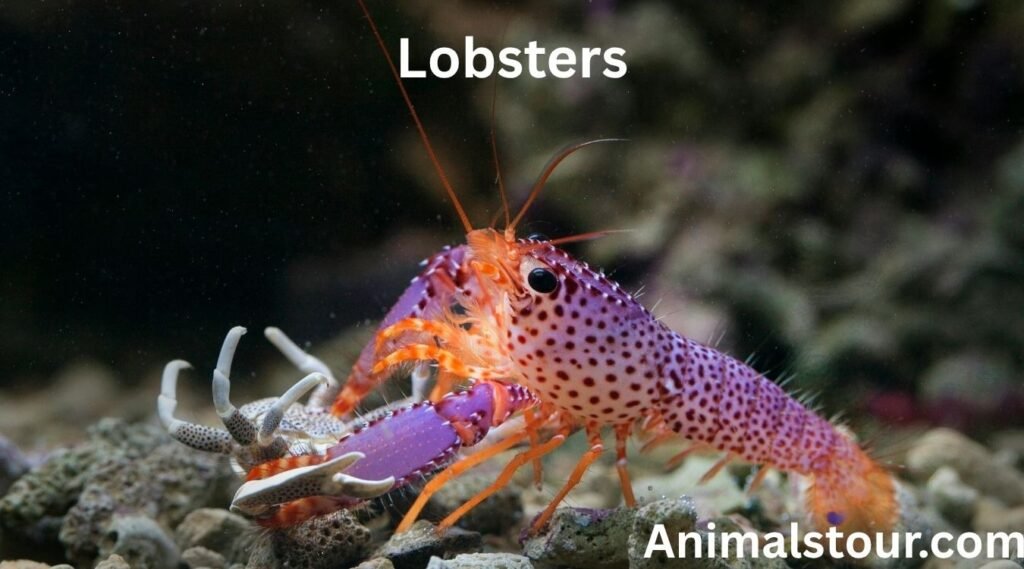
- Lobsters
- Foxes
- Coyotes
- Hagfish
- Eagles
- Crows
- Tasmanian Devils
- Crabs
- Raccoons
- Condors
- Millipedes
- Marabou Storks
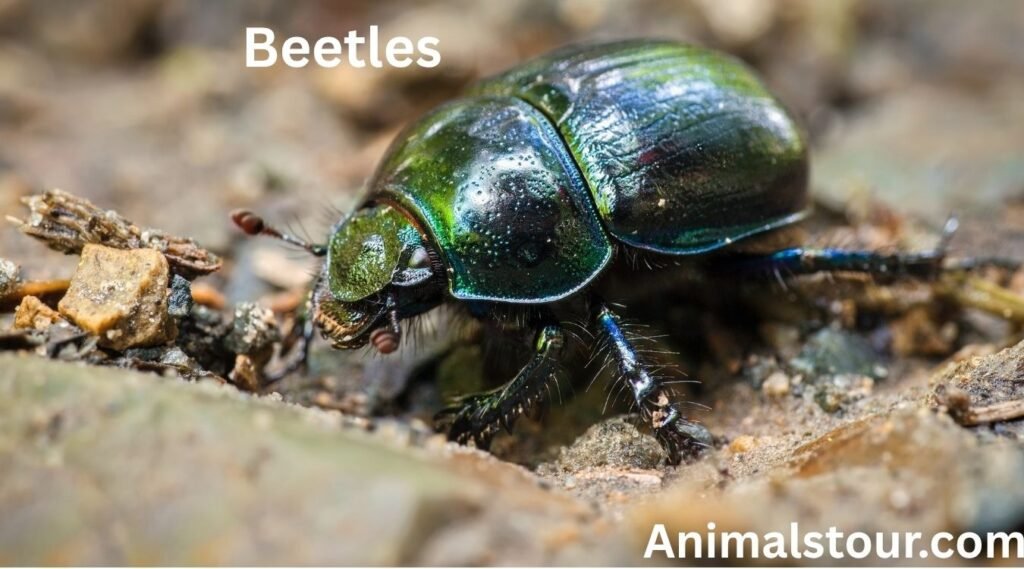
- Beetles
- Bears
- Wolves
- Gull
- Kites
What are the top scavengers in the ocean?
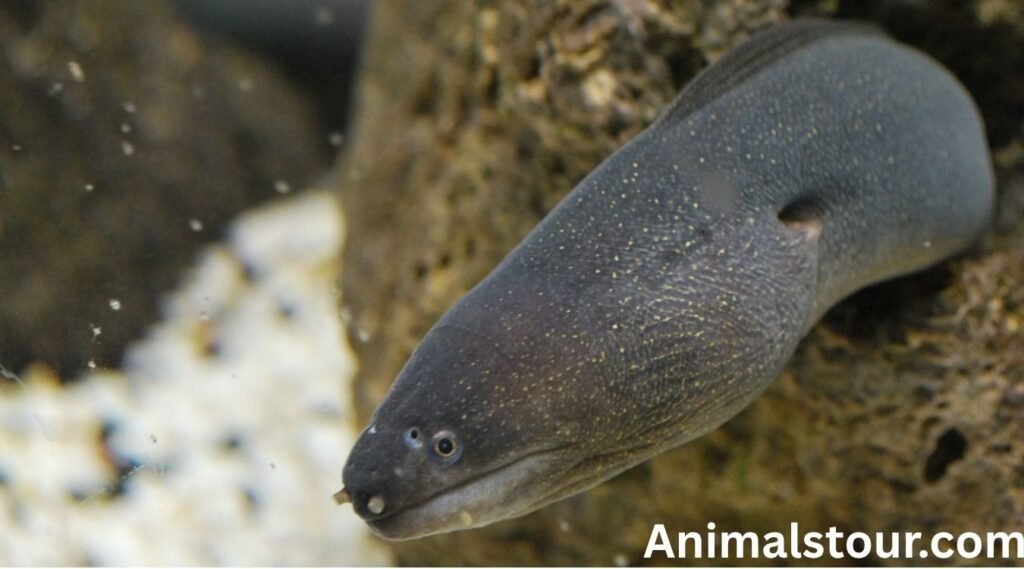
Hagfish
Hagfish are unique scavenger animals found in the deep ocean. They primarily feed on dead or dying marine creatures that sink to the seabed, like whales or large fish. Using their excellent sense of smell, hagfish quickly locate these carcasses and burrow into them, consuming the flesh from the inside. This important feeding behavior helps to break down organic matter and recycle nutrients. Their role as scavenger animals is crucial for maintaining the health of deep-sea ecosystems.
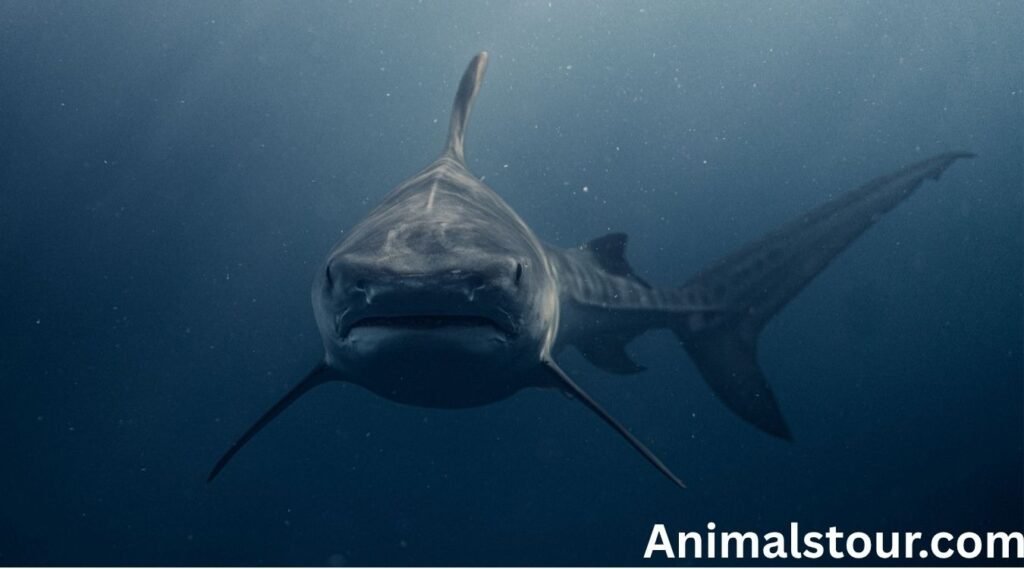
Greenland shark
The Greenland shark is a remarkable scavenger animal of the deep, cold oceans. It primarily feeds on carrion, consuming the remains of various marine mammals like seals, whales, and even polar bears that have drowned. Its slow metabolism and long lifespan are well-suited for this opportunistic feeding strategy, allowing it to go long periods between meals. This makes the Greenland shark a crucial part of the Arctic ecosystem, cleaning up the ocean floor.
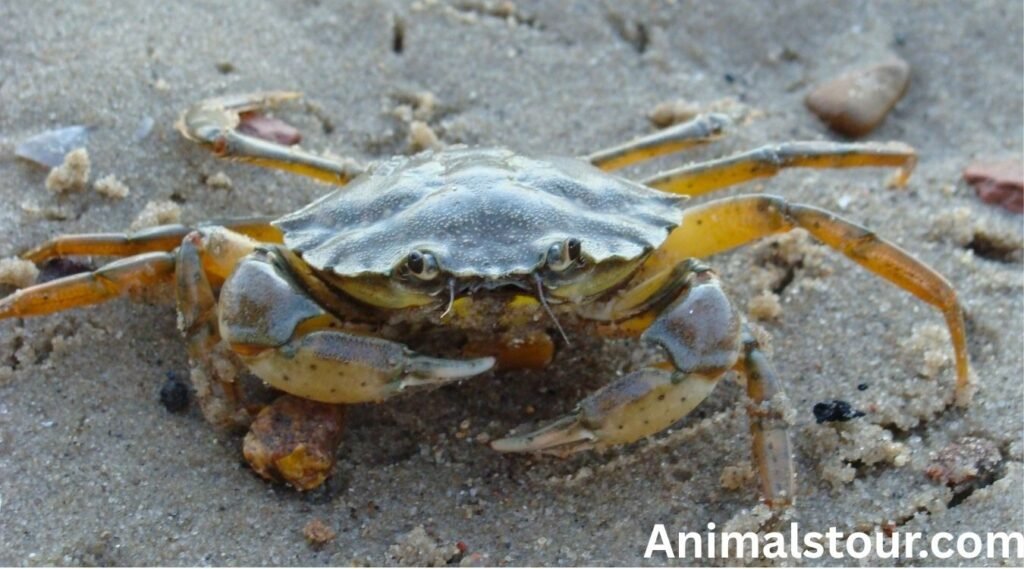
Crabs
Crabs play a vital role as scavengers in various aquatic environments. They actively seek out and consume dead plants, animals, and decaying organic matter, helping to keep their habitats clean. This constant foraging recycles nutrients and prevents the build-up of waste, contributing significantly to ecosystem health. Essentially, crabs act as nature’s efficient clean-up crew.
What are the top scavengers on land?
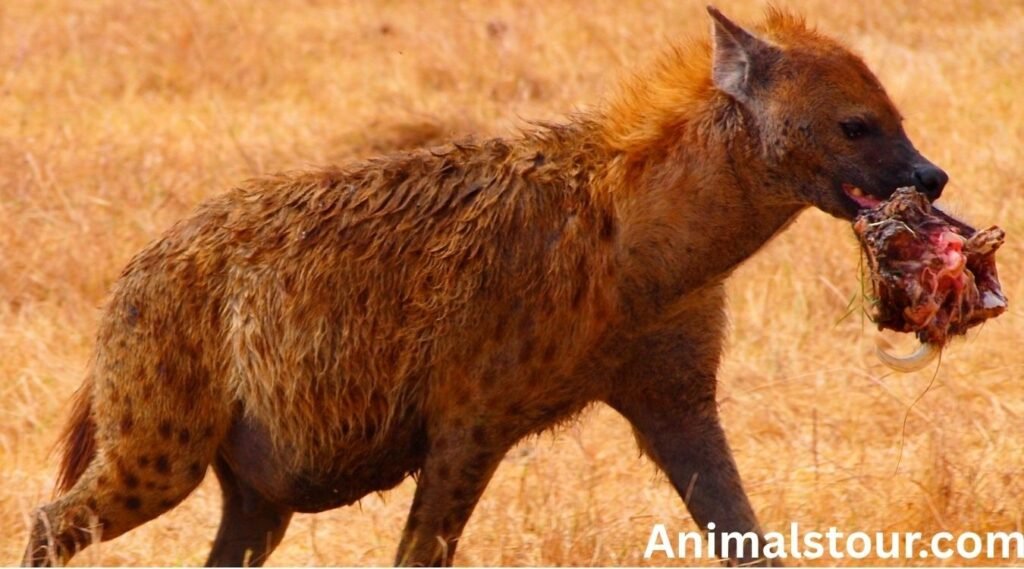
Hyenas
Hyenas are widely known as highly effective scavenger animals within their ecosystems. They play a crucial role by feeding on carrion, the remains of animals that have been killed by other predators or died from natural causes, making them incredibly important scavengers. Equipped with powerful jaws and a robust digestive system, hyenas can process bones and other tough parts of a carcass that many other scavenger animals are unable to consume, ensuring that very little goes to waste. This remarkable ability to clean up the environment underscores their vital contribution to maintaining a healthy and balanced ecosystem.
Coyotes
Coyotes are highly adaptable creatures that often act as proficient scavenger animals, playing a vital role in many ecosystems. To understand their role, it’s important to clarify what are scavengers, these are animals that primarily feed on the carcasses of dead animals, rather than hunting live prey. Coyotes perfectly fit this description, readily consuming carrion left by other predators or animals that died from natural causes, which helps them survive in diverse environments.
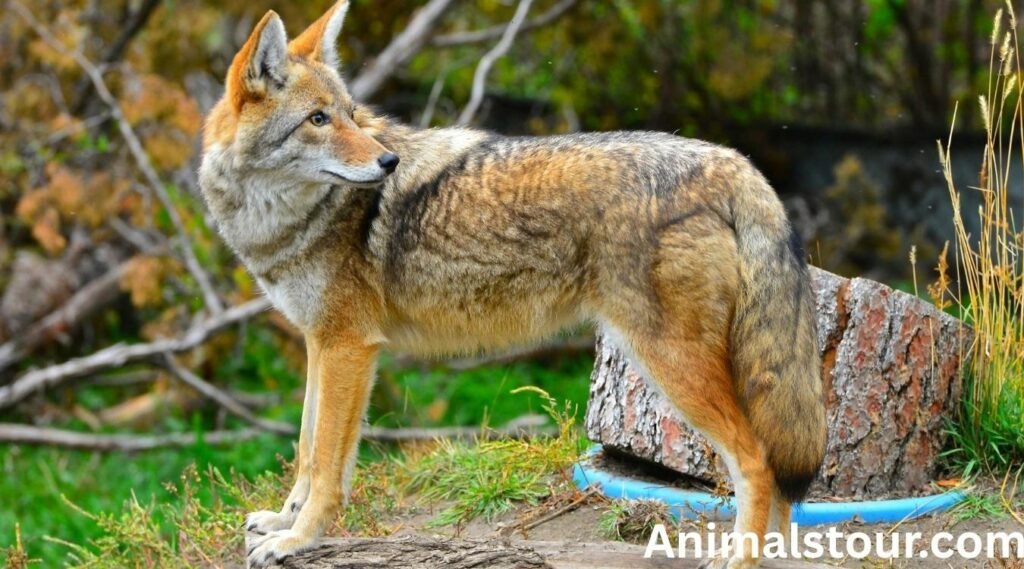
Beyond coyotes, a scavenger animals names list includes well-known examples like vultures, hyenas, and even some insects like carrion beetles, all contributing to the natural cleanup crew. These scavenger animals are crucial for maintaining environmental cleanliness by removing decaying organic matter, preventing disease, and recycling nutrients back into the ecosystem. By diligently cleaning up the landscape, coyotes demonstrate their significant contribution as effective scavengers.
Raccoons
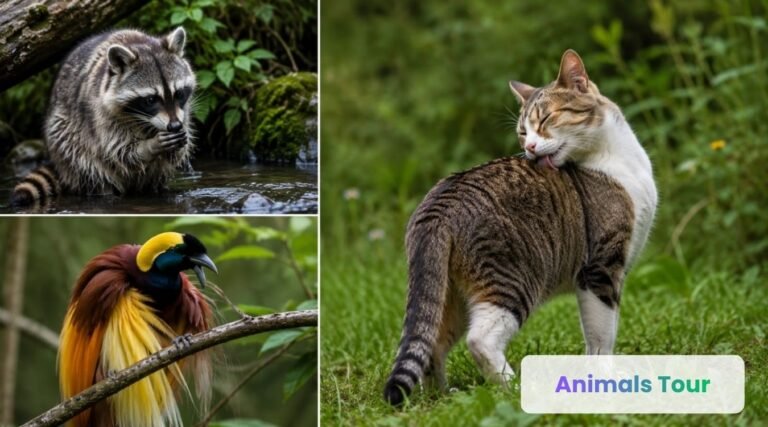
Raccoons are widely recognized scavenger animals, expertly demonstrating how they use scavenging for survival in various environments. These adaptable creatures thrive by finding food in both wild settings and urban areas, earning their reputation as resourceful foragers. Their diet is remarkably diverse, ranging from natural items like fruits and insects to discarded human food found in trash cans, a common trait among scavengers animals.

While raccoons are prominent examples, they are just one among many, often appearing on any list of 10 scavengers animals name due to their highly opportunistic nature. Ultimately, the raccoon’s success is a testament to its remarkable ability to effectively find and consume available resources through persistent scavenging.
What birds are scavengers?
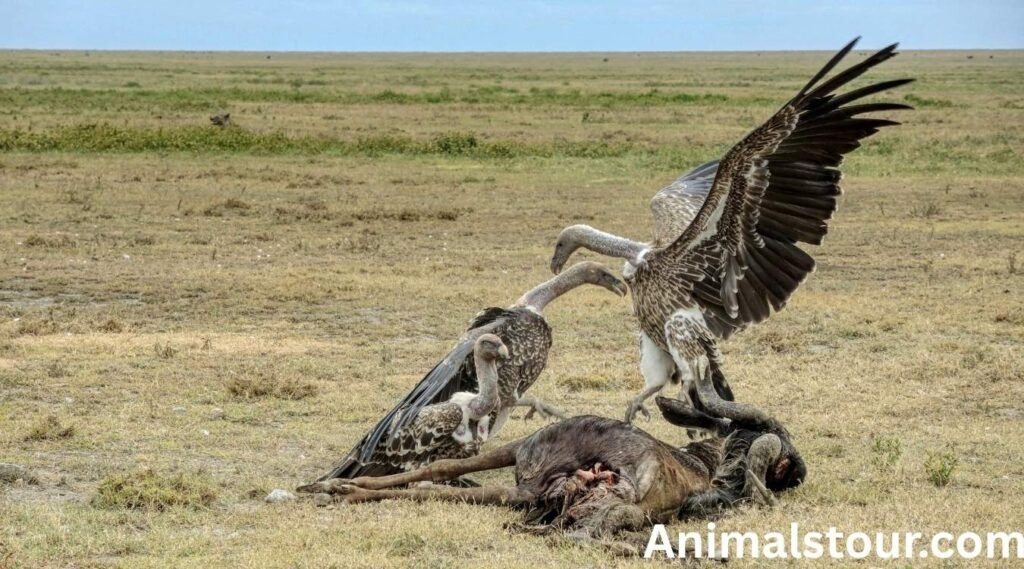
Vultures
Vultures are quintessential scavenger animals, playing a vital role in nature’s clean-up crew. They are widely known by the common scavengers name because they primarily feed on carrion, or dead animals. These important scavenger animals use their keen eyesight and sense of smell to locate deceased prey across vast distances. Their specific scavengers animals name truly reflects their essential job of removing decaying matter, preventing disease spread. Ultimately, vultures are indispensable natural recyclers, maintaining healthy ecosystems.
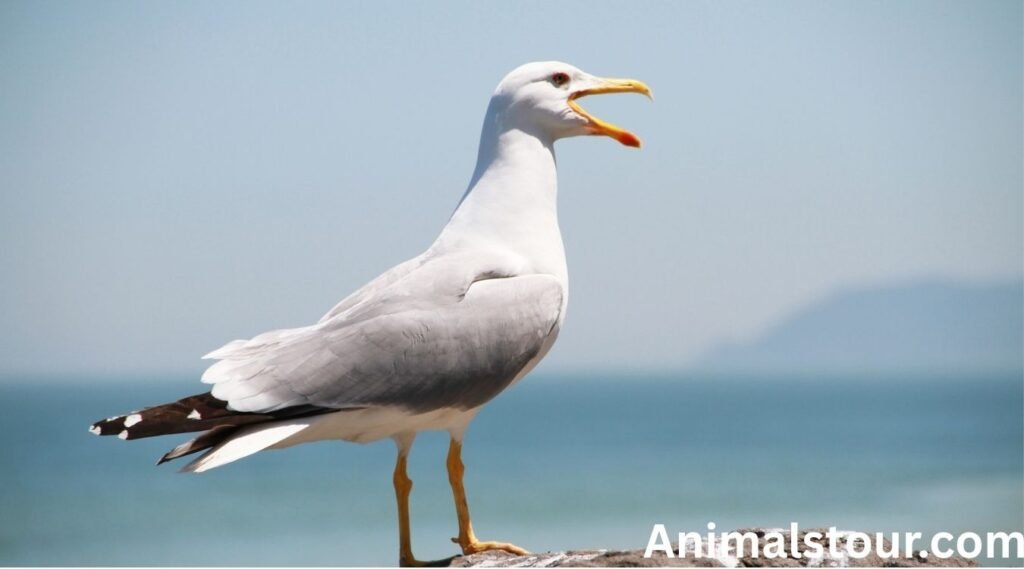
Gulls
Gulls are highly effective scavenger animals, often seen cleaning up human waste. They readily consume discarded food scraps, dead fish, and other organic debris found near coasts and urban areas. Their adaptable diet makes them excellent at finding and utilizing available resources, demonstrating typical scavenger animal behavior. This helps keep environments tidy by removing decaying matter. Ultimately, gulls play an important role as natural scavenger animals in many ecosystems.
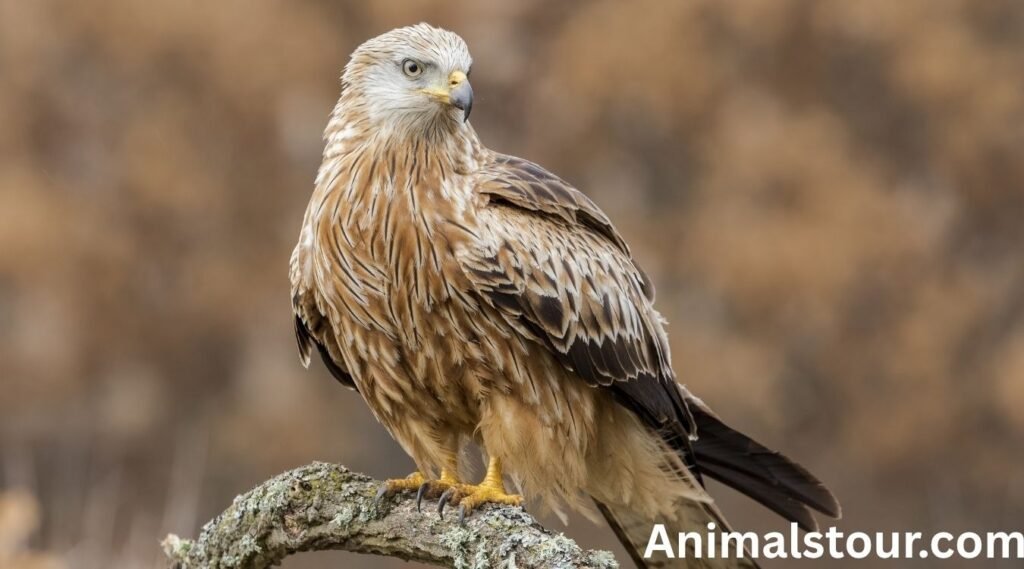
Kites
Kites are excellent scavenger animals, meaning they primarily feed on carrion or dead animals. This important role helps clean up environments and recycle nutrients. Besides kites, ten common scavenger examples include vultures, hyenas, raccoons, opossums, jackals, marabou storks, Tasmanian devils, some beetles, crabs, and certain sharks. These animals are vital for maintaining healthy ecosystems by removing dead organic matter.
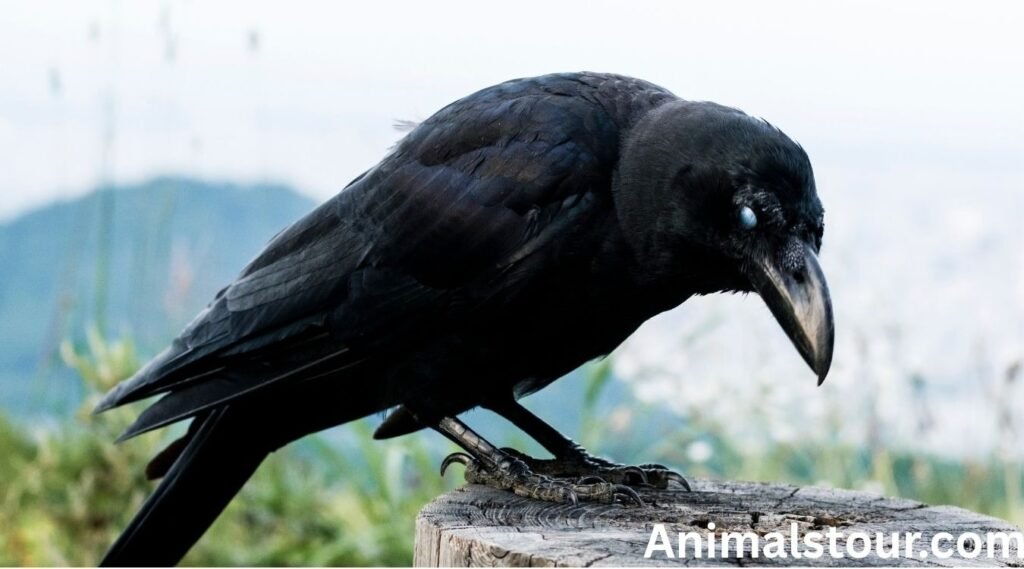
Crows
Crows are highly effective scavenger animals, playing a vital role in many environments. They readily consume carrion, food scraps, and other organic waste left behind by humans or other creatures. This adaptable diet allows them to thrive in diverse habitats, from urban areas to wild landscapes, as they efficiently clean up what others leave behind. Their sharp eyesight and intelligence make them excellent at locating available food sources. Ultimately, crows are indispensable sacvengers animals, contributing significantly to ecosystem health by preventing the accumulation of decaying matter.
How can we protect scavengers?
Protecting scavengers, vital to our ecosystems, requires urgent attention due to serious threats like the toxic drug diclofenac. Many scavenger populations, particularly vultures, have been devastated after consuming carcasses of livestock treated with this anti-inflammatory drug, which is highly toxic to them. A comprehensive analysis of data from over 1,300 vertebrate scavenger populations worldwide confirms a worrying decline, highlighting the widespread nature of these threats.
However, there are also hopeful stories, such as the dedicated conservation efforts happening in the Muga Valley, where local initiatives are working to safeguard these essential species. These efforts are led by true ‘Pioneers of Our Time‘ – scientists, conservationists, and local communities who are forging new paths in wildlife protection. Ultimately, safeguarding scavengers demands continued research, policy changes to ban harmful drugs, and the unwavering dedication of these pioneers to ensure these crucial species survive and thrive.
Protecting scavengers is vital for our environment. We can help by reducing pollution and properly disposing of our waste so they don’t eat harmful items. It’s also important to avoid using poisons that can accidentally harm them, and to protect their natural places to live. Educating people about how important scavengers are helps too. By doing these things, we ensure these important animals can continue to keep our world clean.
Final Words
In conclusion, scavenger animals play a vital and indispensable role in maintaining the balance of healthy ecosystems. By consuming dead plant and animal matter, they facilitate nutrient recycling, prevent the spread of disease, and effectively serve as nature’s essential cleanup crew. Understanding the importance of scavenger animals highlights the need to protect these species and the habitats they support.
FAQS
What is a scavenger animal?
A scavenger animal is an organism that feeds on dead or decaying organic matter.
What are 5 scavenger examples?
Here are 5 examples of scavenger animals:
Vultures
Hyenas
Raccoons
Crows
Jackals
Which animals are known as scavengers?
Scavengers are found across many animal groups. Common examples include:
Birds: Vultures, crows, ravens, and condors.
Mammals: Hyenas, jackals, raccoons, coyotes, and foxes.
Insects: Dung beetles and blowflies.
Aquatic Life: Crabs, lobsters, and hagfish.
Are worms scavengers?
Yes, most worms are scavengers. They feed on dead and decaying organic matter, such as rotting leaves, roots, and animal remains. Earthworms and maggots are common examples.