Top 12 Animals That Eat Ants (With Images & Fun Facts)
Some might think ants are tiny, but they play a huge role in the animal kingdom as a food source for many creatures. This article explores the amazing world of animals that eat ants, revealing their unique adaptations and dietary habits. Understanding what eats ants not only highlights the interconnectedness of ecosystems but also showcases the diversity of animal diets. Get ready to uncover the surprising animals that rely on these little insects.
List Of Animals That Eat Ants
Here is the list of animals that eat ants:
- Giant Anteater
- Jumping Spider
- House Gecko
- Antlions
- Aardvark
- Wrens
- Horned Lizards
- Pangolins
- Orangutan
- Echidnas
- Fire Ants
- Numbats
Giant Anteater
Scientific name: Myrmecophaga tridactyla
Class: Mammalia
The Giant Anteater is a remarkable example among animals that eat ants, showcasing unique adaptations for its specialized diet. This impressive mammal can reach lengths of seven feet, primarily feasting on ants and termites, solidifying its reputation as a prime example of a hewan pemakan semut. Its feeding technique is highly specialized, using powerful claws to tear open insect mounds, it then deploys an incredibly long, sticky tongue, up to two feet in length, which can flick in and out up to 160 times a minute to capture thousands of tiny prey.
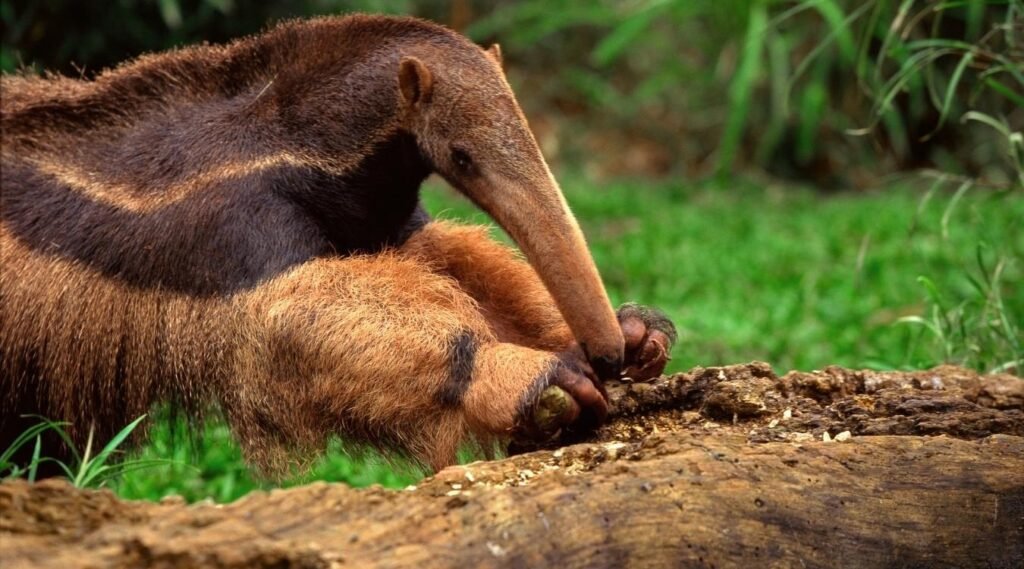
Beyond its remarkable diet, truly demonstrating what eats ants with such efficiency, the Giant Anteater also exhibits a peculiar gait, walking on its knuckles to protect its formidable claws. This unique nama hewan pemakan semut plays a vital ecological role, helping to regulate insect populations and aerate soils, thus underscoring its importance in maintaining healthy ecosystems.
Jumping Spider
Scientific name: Salticidae
Class: Arachnida
Jumping spiders are amazing creatures that showcase a unique form of hunting. As agile predators, these small animals thrive on a diet that often includes ants. What sets them apart is their remarkable jumping ability, allowing them to pounce on unsuspecting prey with precision. Unlike many predators that trap their food, jumping spiders rely on their quick reflexes and keen eyesight to catch ants, making each meal an exhilarating chase.
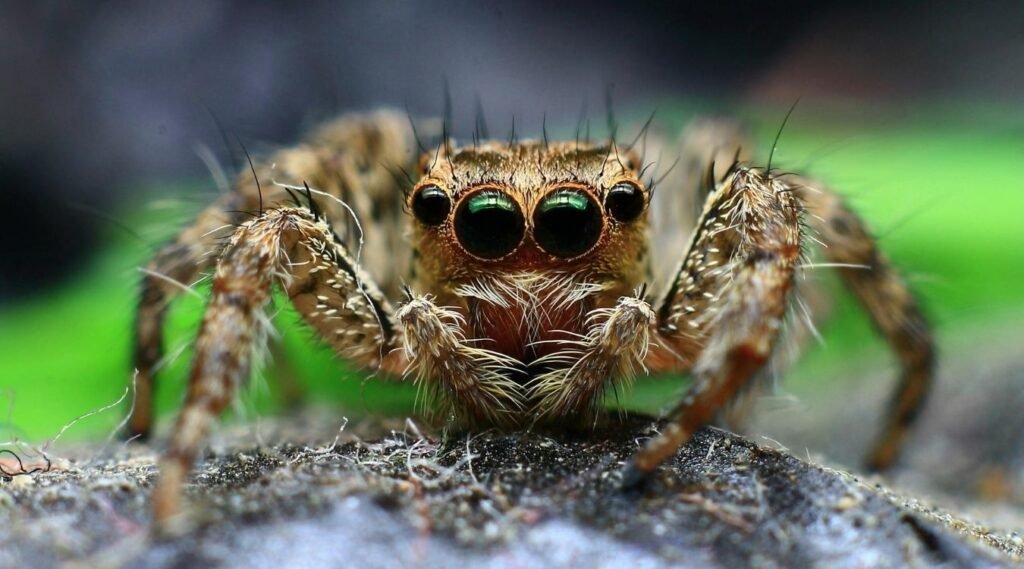
These nimble hunters have impressive vision, with eight eyes that give them a wide field of view. They can spot movement from a distance, making it easier to track down ants even in cluttered environments. This ability to stalk and surprise makes them efficient ant-eating animals. Instead of spinning webs, they employ a mix of stealth and speed, exemplifying nature’s diverse strategies for survival. Each time a jumping spider captures an ant, it not only satisfies its hunger but also maintains the delicate balance of the ecosystem, showcasing the role of animals that eat ants in nature’s web of life.
House Gecko
Scientific name: Hemidactylus frenatus
Class: Reptilia
House geckos are ineresting little creatures that play a big role in managing pest populations, particularly ants. These agile lizards can often be found scurrying along walls and ceilings, quietly hunting for their next meal. Unlike many other insect-eating animals, house geckos are particularly efficient at targeting ants, thanks to their quick reflexes and sticky toe pads that help them navigate tight spaces.
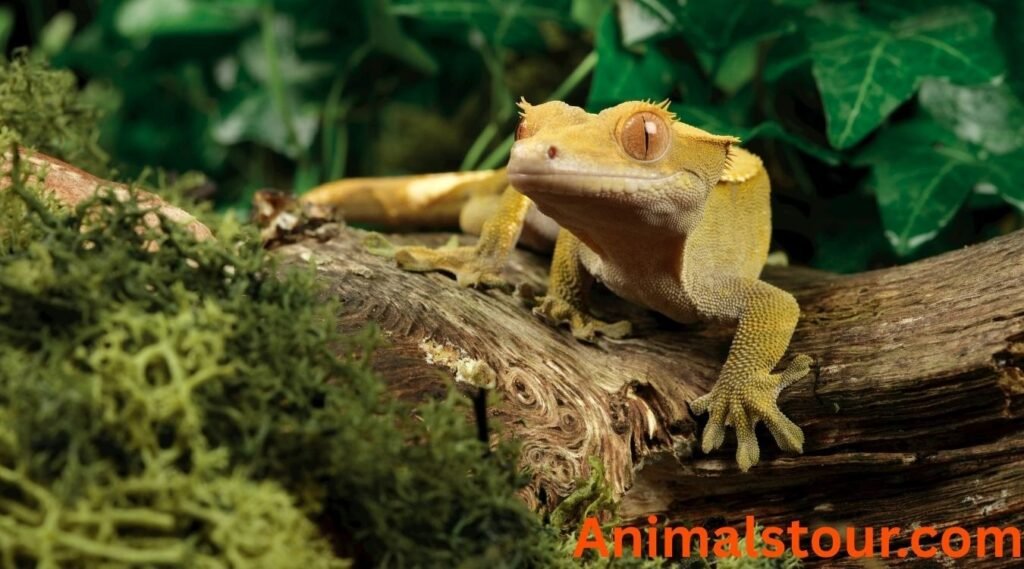
Observing a house gecko in action can be quite a spectacle. They use their keen eyesight to spot ants on the move, then swiftly dart in for the catch. This ant-eating animal not only helps control ant populations but also showcases the gecko’s important role in the ecosystem. By keeping ant numbers in check, house geckos help protect plants and other animals from being overwhelmed by these tiny pests. In a world full of ants, having these little predators around can make a significant difference.
Antlions
Scientific name: Myrmeleontidae
Class: Insecta
Antlions are amazing insects, well-known as efficient animals that eat ants, particularly in their larval stage. These larvae, often found in sandy soil, are specialists in creating cunning pitfall traps – conical depressions designed to capture unsuspecting prey. When an ant, or other small insect, tumbles into the loose sand of the pit, the antlion larva, hidden at the bottom, quickly grabs it with its powerful, pincer-like jaws.
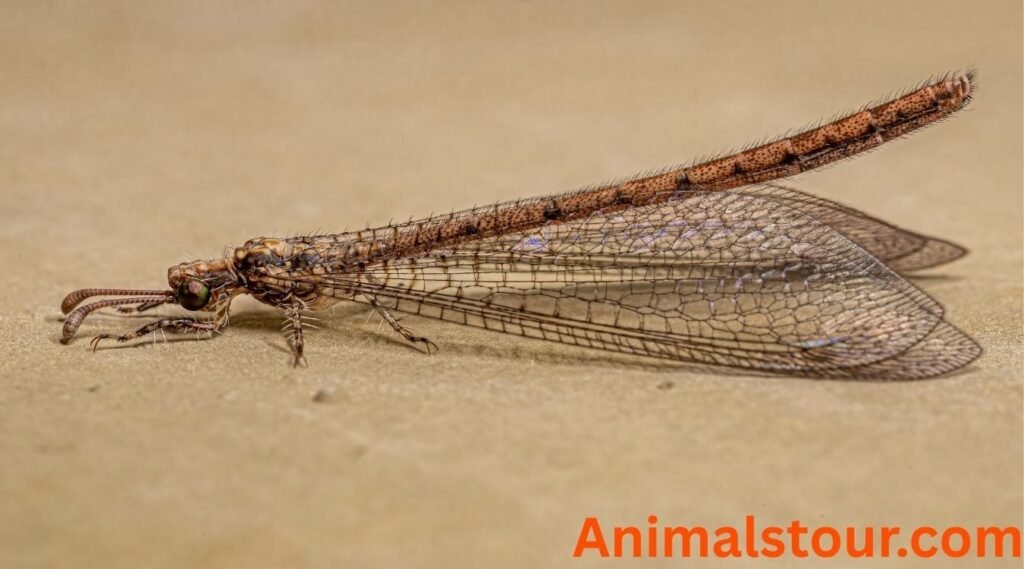
While the larvae are ground-dwelling hunters, the adult antlion resembles a delicate dragonfly, though it is typically a weaker flyer. This predator-prey relationship makes them a significant answer to “what eats ants in the garden” and “what animal eats ants,” playing an important role in controlling ant populations and contributing to the balance of the local ecosystem. Thus, antlions, with their ingenious traps and unique life cycle, stand out as a highly effective answer to what eats ants in various environments.
Aardvark
Scientific name: Orycteropus afer
Class: Mammalia
Aardvarks are amazing animals known for their unique diet that primarily consists of ants and termites. These hewan makan semut use their powerful claws to dig deep into the ground, creating tunnels that lead to hidden nests. With their long, sticky tongues, they can slurp up insects efficiently, making them expert ant eating animals. This specialized diet plays a crucial role in their ecosystem, helping to control ant populations and contribute to soil aeration.
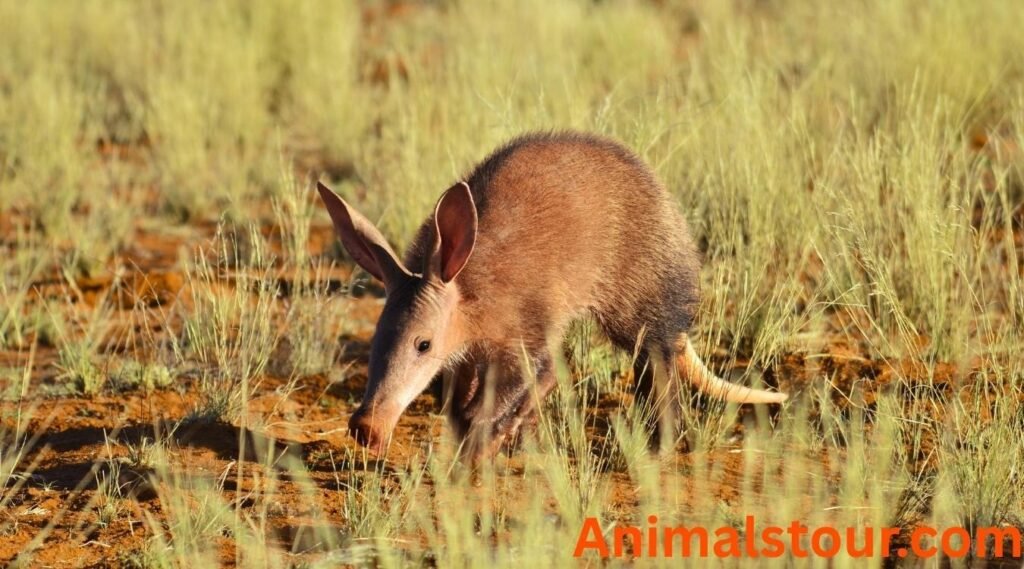
What sets aardvarks apart is not just their eating habits but also their physical adaptations. Their bodies are built for digging, with sturdy limbs and tough skin that withstands rough terrains. As nocturnal foragers, they navigate the night, avoiding predators while searching for their favorite snacks. The aardvark’s unique lifestyle showcases the beauty of evolution and the intricate balance within nature, as every creature plays its part in maintaining harmony.
Wrens
Scientific name: Troglodytidae
Class: Aves
Many people ask do birds eat ants? The answer is Yes. Wrens are small, energetic birds well-known among the animals that eat ants, making them significant ant predators in many environments. These tiny, feisty creatures are often described as curious and restless, constantly flitting through undergrowth while delivering remarkably loud and melodious songs that belie their small size. Their keen eyesight and agile movements enable impressive hunting skills, allowing them to meticulously probe crevices in bark and foliage with their slender beaks using a precise feeding technique to extract ants and other small invertebrates.
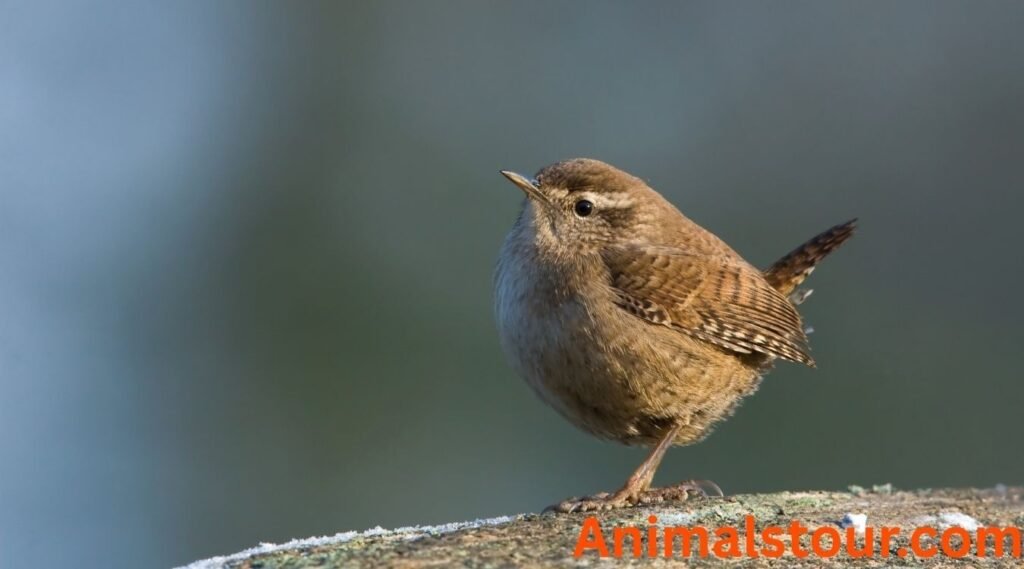
While ants are a primary food source, clearly demonstrating what animals eat ants, their dietary flexibility ensures they can also consume a variety of other insects and spiders, adapting to seasonal availability. Ultimately, their crucial role as diligent insect controllers underscores their importance in maintaining balanced insect populations and contributing to the overall health of their ecosystems.
Horned Lizards
Scientific name: Phrynosoma
Class: Reptilia
Horned lizards are amazing creatures that have developed a unique relationship with their favorite food: ants. These ant-eating animals are perfectly adapted for their specific diets. With their flat, wide bodies and camouflaged skin, they blend seamlessly into their desert surroundings, allowing them to ambush unsuspecting ants that scuttle by. Their specialized tongues can flick out quickly, capturing multiple ants in one swift motion.
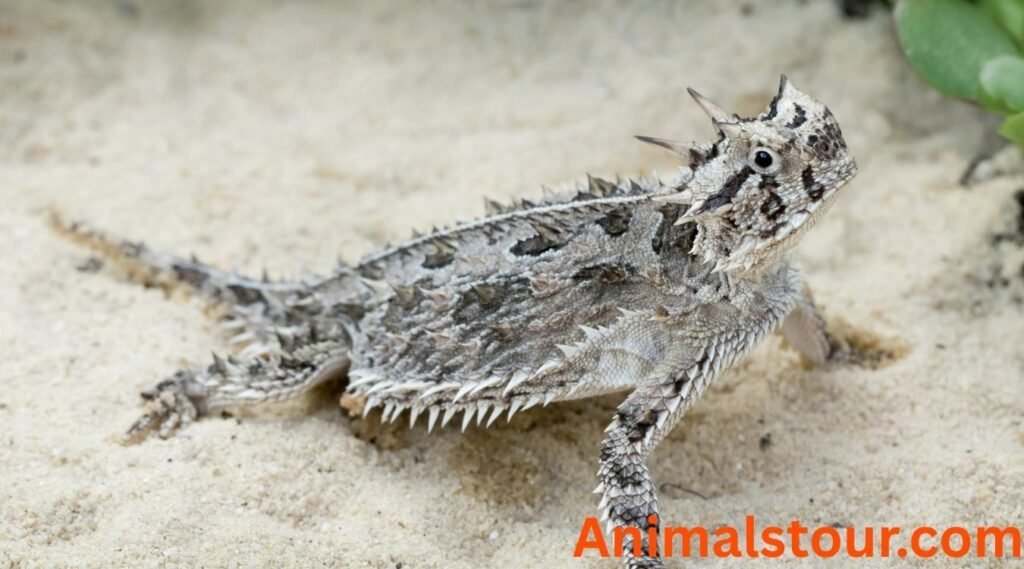
What many might not realize is that horned lizards can consume thousands of ants in just a few days. This impressive eating habit makes them essential players in their ecosystem, helping to keep ant populations in check. Furthermore, they exhibit a remarkable defense mechanism; when threatened, they can puff up their bodies and even squirt blood from their eyes to ward off predators. This unique behavior not only keeps them safe but also highlights the incredible adaptations that help them thrive as ant eaters in a harsh environment.
Pangolins
Scientific name: Manis
Class: Mammalia
Pangolins are interesting ant-eating animals known for their unique, scaly armor. With their long, sticky tongues, they can reach deep into ant hills and termite mounds, making them expert foragers. These creatures have an incredible sense of smell that helps them locate their next meal, feasting primarily on ants and termites, which makes up nearly their entire diet.
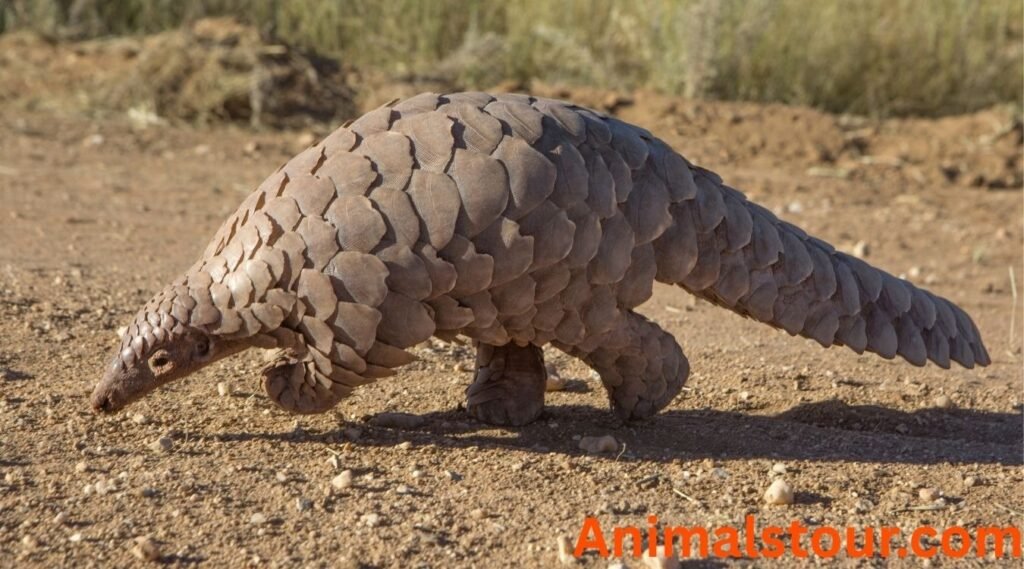
What makes pangolins particularly interesting is their specialized diet and role in the ecosystem. By consuming large quantities of ants, they help control insect populations, supporting a balanced environment. Sadly, these remarkable animals are critically endangered, primarily due to poaching and habitat loss. Protecting pangolins not only ensures the survival of these unique ant-eating animals but also maintains the health of the ecosystems they inhabit.cal balance.
Orangutan
Class: Mammalia
Orangutans, while primarily recognized for their fruit consumption, are also among the amazing animals that eat ants, incorporating these insects into their diverse diet. Their culinary habits are quite varied, extending beyond fruits to include leaves, bark, honey, and a range of invertebrates like ants and their protein-rich larvae. For their feeding technique, these intelligent primates often use their long fingers or even carefully selected sticks to extract ants from nests or foraging trails with precision.
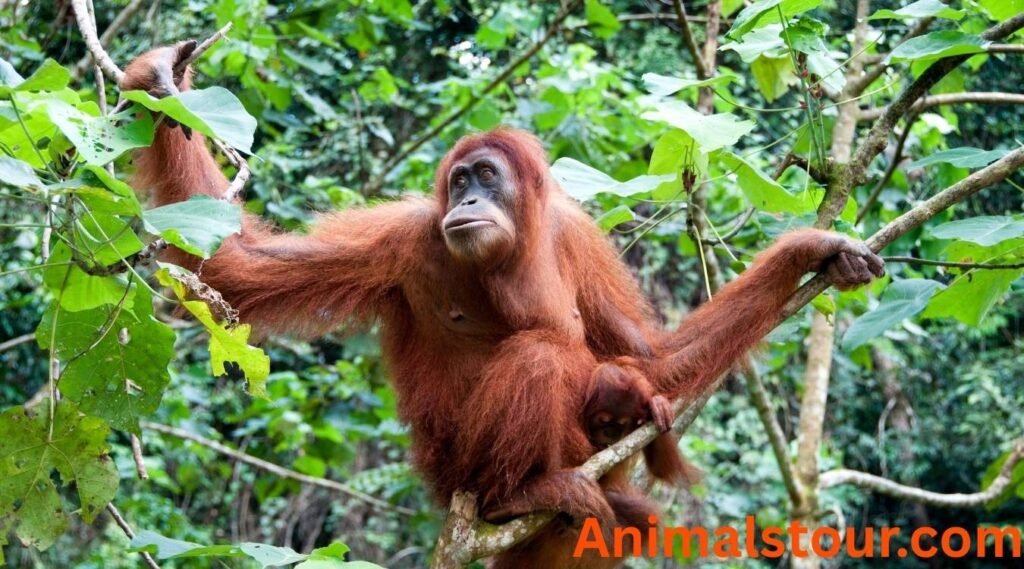
As an important ant eating animal, orangutans help regulate insect populations and contribute to seed dispersal, demonstrating that what eats ants can be a crucial component of a healthy forest ecosystem. Their adaptable diet and role as an occasional insectivore highlight their significant contribution to the balance of their rainforest environment.
Echidnas
Scientific name: Tachyglossidae
Class: Mammalia
Echidnas are amazing creatures known for their unique diet, primarily consisting of ants and termites. Their long, sticky tongues are perfectly adapted for this, allowing them to slurp up these tiny insects with ease. Unlike many animal foragers, echidnas don’t need to dig deep or hunt down their food. Instead, they simply use their keen sense of smell to locate ant nests, which makes feeding efficient and effortless.
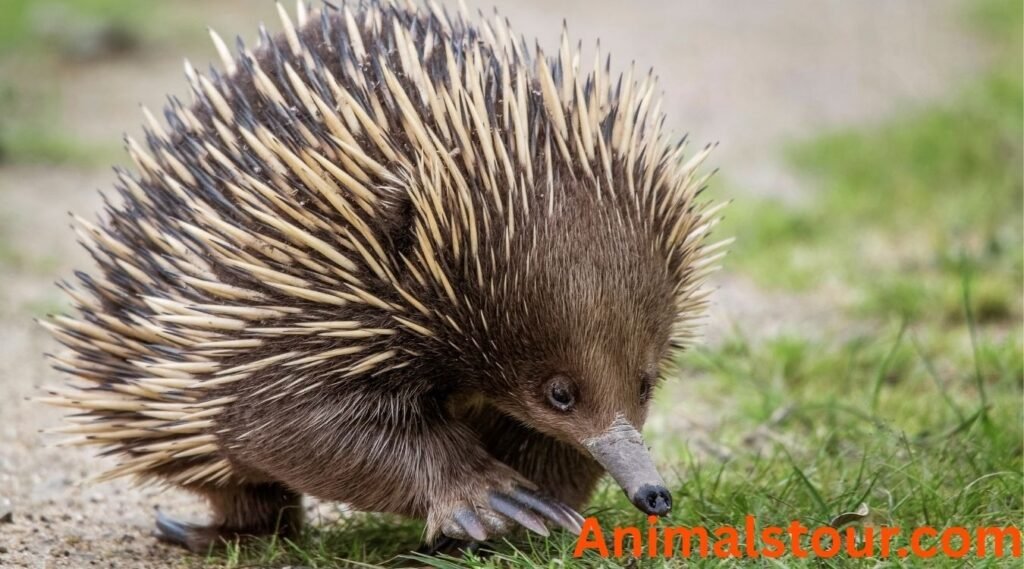
These ant-eating animals also play a crucial role in their ecosystems. By controlling ant populations, echidnas help maintain a balance in their environment. Furthermore, their foraging habits aerate the soil, promoting healthy plant growth. Observing an echidna in action offers a glimpse into the delicate connections within nature, showcasing how even the smallest animals can make a big impact on their surroundings.
Fire Ants
Scientific name: Solenopsis
Class: Insecta
Fire ants, known for their painful sting, are fascinating creatures that often feast on other ants. As social insects, they live in large colonies and work together to hunt for food. Their diet includes various insects, but they have a particular taste for other ant species. This behavior not only helps control the ant population in their environment but also showcases their resourcefulness as predators.
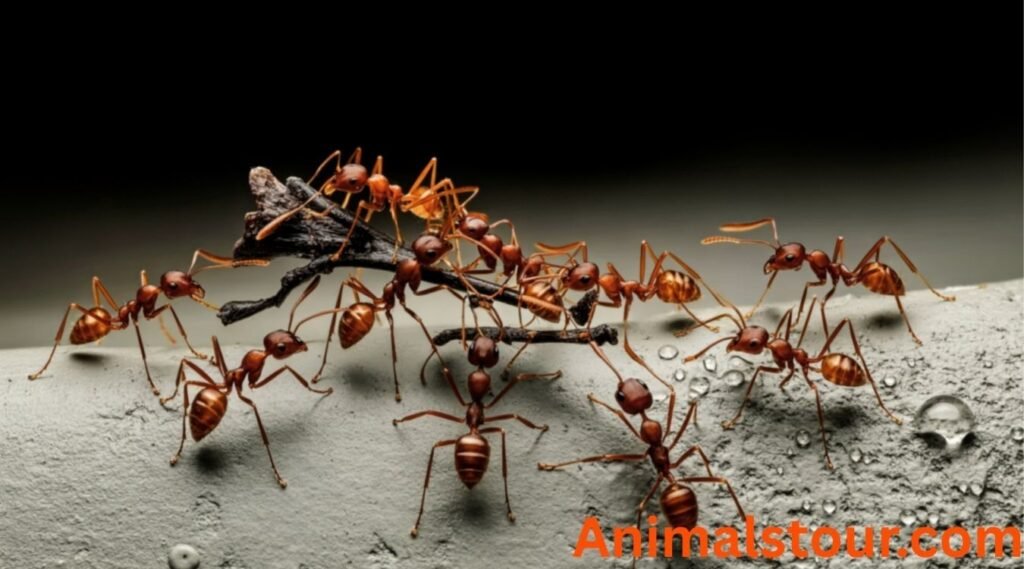
What animals eat ants? Numerous creatures, including birds, lizards, and even some mammals, depend on ants as a food source. For instance, certain anteaters have specialized tongues to slurp up these little protein-packed insects. Interestingly, some species of birds have learned to distinguish between ant types, hunting down the most nutritious ones. This dynamic shows the complexity of food webs and how interconnected life really is, emphasizing that even the smallest creatures have a significant impact on their environment.
Numbats
Scientific name: Myrmecobius fasciatus
Class: Mammalia
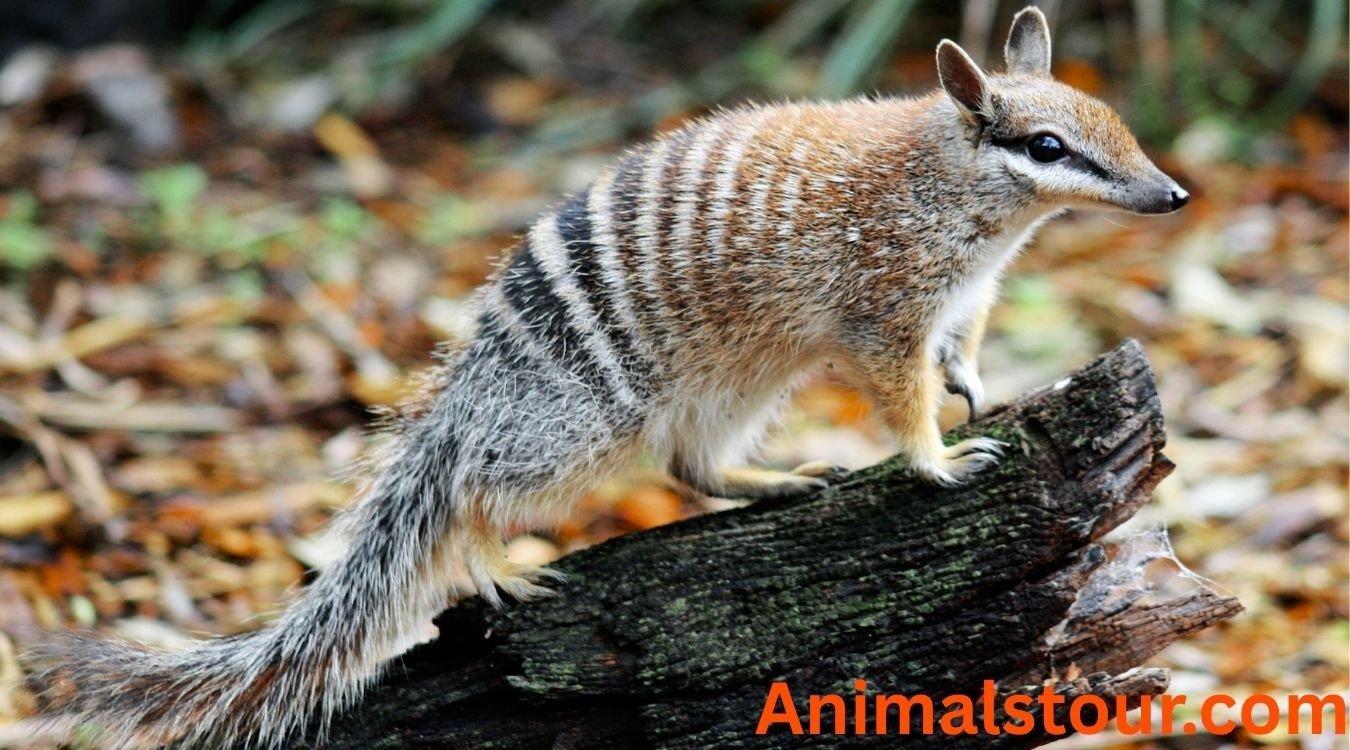
Numbats are amazing creatures that have carved out a unique niche in the animal kingdom as expert ant-eaters. With their slender bodies and long snouts, these small marsupials are perfectly designed for their diet. They can consume up to 20,000 termites and ants a day, using their sharp teeth and sticky tongues to snag their slippery prey. This impressive feeding habit makes them one of the few dedicated ant-eating animals, turning them into crucial players in their ecosystem.
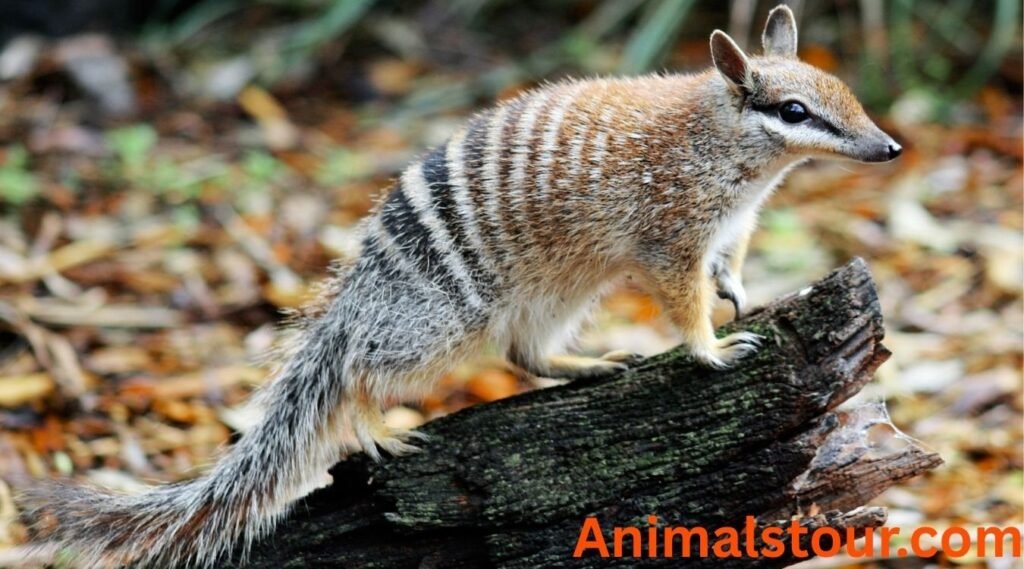
Their unique diet doesn’t just make them great for the environment; it also plays a role in their survival. Numbats have a low metabolic rate, allowing them to thrive on a diet that many other animals wouldn’t consider enough. Their beautiful striped coats and active lifestyles make them endearing as well. If you ever find yourself wondering which animal eats ants, look no further than the numbat, a true master of the art of ant hunting.
Final Thought
The world of ants attracts many hungry animals that contribute to the cycle of nature. Insects like aardvarks and myrmecophagous birds expertly hunt down ants, showcasing their unique feeding habits. Some animals, like monkeys, even search for ants as tasty treats during their foraging. This connection between species helps maintain a healthy ecosystem. We should take a moment to recognize the vital roles these animals play and consider ways to protect their habitats.
FAQS
Which animal eats ants?
The most famous animal that eats ants is the anteater. However, many other creatures rely on them for food, including the aardvark, pangolin, echidna, sloth bear, and the horned lizard. Certain birds, such as woodpeckers and flickers, also eat ants.
What is an ant’s worst enemy?
The anteater is often considered an ant’s worst enemy, as a single anteater can eat up to 30,000 ants in a day. Other major predators include the aardvark and the pangolin.
Who eats the most ants?
The giant anteater eats the most ants, consuming up to 30,000 in a single day.
Do lizards eat ants?
Yes, many species of lizards eat ants. The horned lizard is famous for eating almost exclusively ants, particularly harvester ants. Other common lizards that eat ants include geckos, collared lizards, and bearded dragons.
What is an ant eater called?
It is commonly called an anteater. However, the scientific term for any animal that specializes in eating ants is a myrmecophage.