Explore Amazing 27 Most Shy Animals (With images)
Have you ever wondered which most shy animals are in the wild? Many of these animals are shy at first but then outgoing when they become comfortable and feel no danger nearby. Introverted animals are creatures that avoid human contact and loud environments. They hide, freeze, or bolt the moment they sense any danger nearby. Nature is full of incredibly shy creatures that prefer silence and solitude over any kind of attention. Get ready to meet 27 animals that are shy but friendly, known for mastering the art of staying invisible in the wild.
List of Most Shy Animals
Here is the list of most shy animals in the world:
- Red Squirrel
- Deer
- Slow Loris
- Cheetah
- Hedgehog
- Red Panda
- Koala
- Tarsier
- Meerkat
- Sloth
- Aye-aye
- Snow Leopard
- Kiwi
- Saola
- Quokka
- Axolotl
- Fossa
- Kangaroo
- Giant Anteater
- Okapi
- Dik-Dik
- Pangolins
- Maned Wolf
- Binturong
- Giant Panda
- Aardvarks
- Fennec Fox
Red Squirrel
Scientific name: Sciurus vulgaris
Class: Mammalia
Diet: Omnivore
The red squirrel is one of the most timid animals living in forest areas. It spends most of its time high up in the trees where it feels completely safe. This small creature has a bright reddish-brown coat that helps it blend into the woodland environment. Red squirrels are very alert and run away quickly at the slightest sound or movement. They prefer to live alone and do not enjoy sharing their space with other animals.
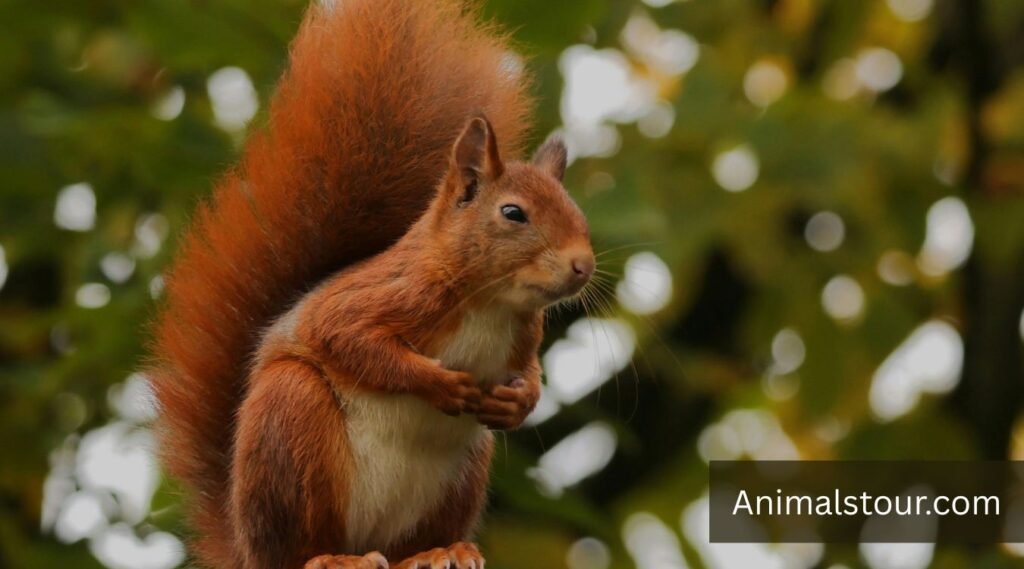
Red squirrels are very active during the day, especially in the early morning hours. They collect nuts, seeds, and berries to store food for the cold winter season ahead. Their sharp claws help them climb trees with great speed and impressive agility. These animals are sadly becoming rare in many parts of the world today. Their shy nature makes them very difficult to spot even in places where they still live.
Deer
Scientific name: Cervidae
Class: Mammalia
Diet: Herbivore
Deer are gentle and very shy animals that are found in forests and open grasslands worldwide. They are always alert and ready to run away at even the smallest sign of danger. Their large ears can rotate in different directions to detect sounds from far away. Deer prefer to stay near the edges of forests where they can hide quickly if needed. They are most active during dawn and dusk when fewer predators are out hunting.
Deer live in small groups and rely on each other to watch out for danger nearby. They communicate through body language, sounds, and special scent glands on their bodies. A deer can run at very high speeds to escape from wolves, lions, and other predators. Fawns are born with white spots that help them stay camouflaged in the forest ground. These beautiful and timid animals are a symbol of grace and gentleness in the wild.
Slow Loris
Scientific name: Nycticebus coucang
Class: Mammalia
Diet: Omnivore
The slow loris is a small and incredibly shy nocturnal animal found in Southeast Asia. It moves very slowly through the trees at night, trying hard not to draw any attention. This animal has huge round eyes that help it see clearly in complete darkness. The slow loris feels very stressed and frightened when it is around humans or loud noises. It prefers to stay hidden in dense forest branches throughout the entire day.
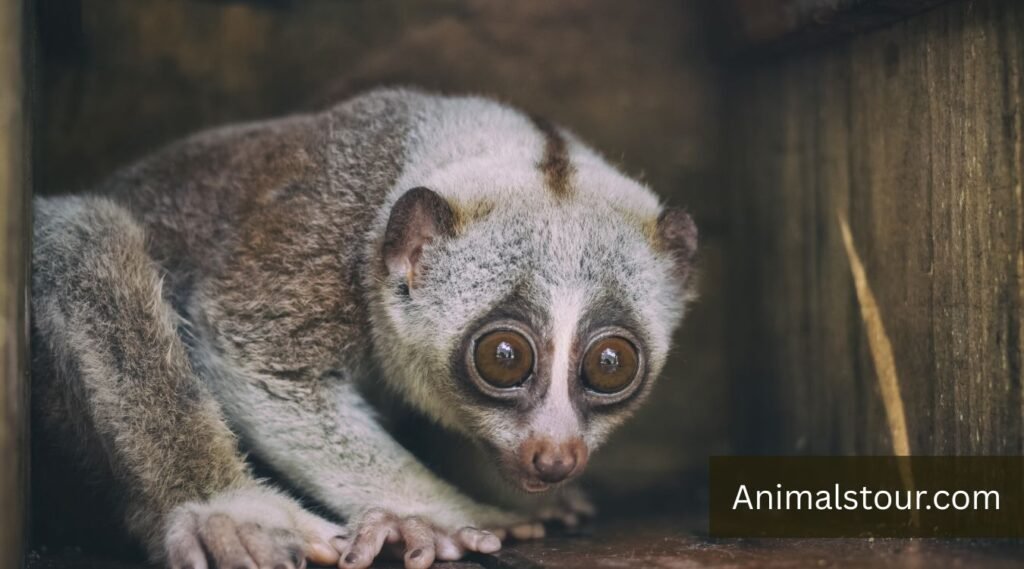
The slow loris is one of the very few venomous mammals found anywhere in the world. It produces a toxic secretion from its arm that it uses only for self-defense purposes. This shy animal is sadly threatened by illegal wildlife trade and rapid habitat loss. It communicates with other slow lorises using very soft sounds and scent markings. Protecting this gentle and timid creature is extremely important for forest biodiversity.
Cheetah
Scientific name: Acinonyx jubatus
Class: Mammalia
Diet: Carnivore
The cheetah is widely known for its incredible speed but it is also a surprisingly shy animal. Unlike lions, cheetahs avoid confrontation and will back down easily when challenged by others. They are solitary animals that prefer to hunt and live quietly on their own. Cheetahs often feel very nervous and anxious in the presence of larger or more aggressive predators. They tend to avoid busy areas and prefer wide open spaces where they can see danger coming.
Cheetahs are very sensitive animals that do not do well under stress or pressure at all. In captivity, cheetahs are sometimes paired with dogs to help them feel calm and comfortable. They communicate through purring, chirping, and yelping sounds rather than roaring loudly. Female cheetahs are especially shy and raise their cubs in very hidden and isolated locations. Conservation efforts are very critical because cheetah populations are declining rapidly across Africa.
Hedgehog
Scientific name: Erinaceus europaeus
Class: Mammalia
Diet: Omnivore
The hedgehog is a small and very shy animal that curls into a tight ball when it feels scared. It has thousands of sharp spines covering its back that act as a strong natural defense. Hedgehogs are nocturnal creatures that come out only at night to search for food. They prefer to live alone in quiet areas like gardens, hedges, and woodland edges. During the day they stay tucked away in their nest, completely hidden from the outside world.
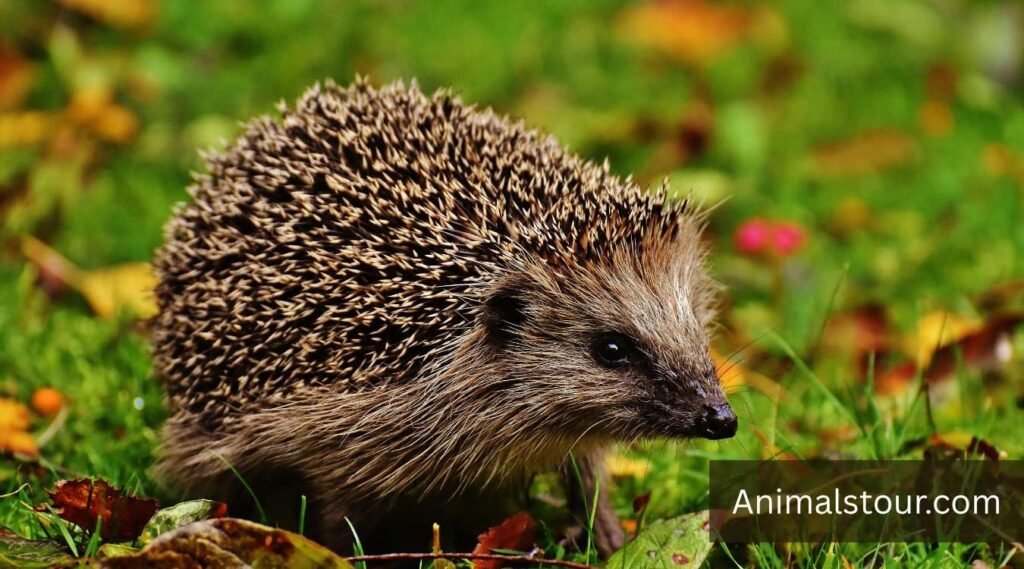
Hedgehogs have a very poor sense of sight but an excellent sense of smell and hearing. They use their nose to sniff out insects, worms, and small creatures hiding in the soil. When frightened, a hedgehog will hiss loudly and curl up tightly into a defensive ball shape. These animals hibernate during the cold winter months to survive the harsh temperatures. Hedgehogs are gentle and timid animals that simply want to be left alone in peace.
Red Panda
Scientific name: Ailurus fulgens
Class: Mammalia
Diet: Herbivore
The red panda is an adorable and extremely shy animal native to the eastern Himalayas and China. It spends most of its time alone up in the cool mountain trees away from disturbance. This small animal has a thick reddish-brown coat that keeps it warm in cold temperatures. Red pandas are very secretive and are rarely spotted even in areas where they are known to live. They feel very uncomfortable and stressed when they are around humans or loud environments.
Red pandas are mostly active at dawn and dusk and sleep during most of the day. They feed mainly on bamboo leaves along with fruits, roots, and small insects occasionally. Their semi-retractable claws make them excellent climbers in steep and forested mountain terrain. Red pandas are sadly endangered due to deforestation and illegal poaching activities worldwide. Every effort to protect their natural forest habitat is extremely important for their survival.
Koala
Scientific name: Phascolarctos cinereus
Class: Mammalia
Diet: Herbivore
The koala is a famously shy and slow-moving animal that is native to Australia. It spends up to twenty hours a day sleeping high in the branches of eucalyptus trees. Koalas are very solitary animals and prefer to keep to themselves most of the time. They feel very nervous and threatened when approached by humans or unfamiliar animals. Their calm and quiet lifestyle makes them one of the most peaceful animals on the planet.
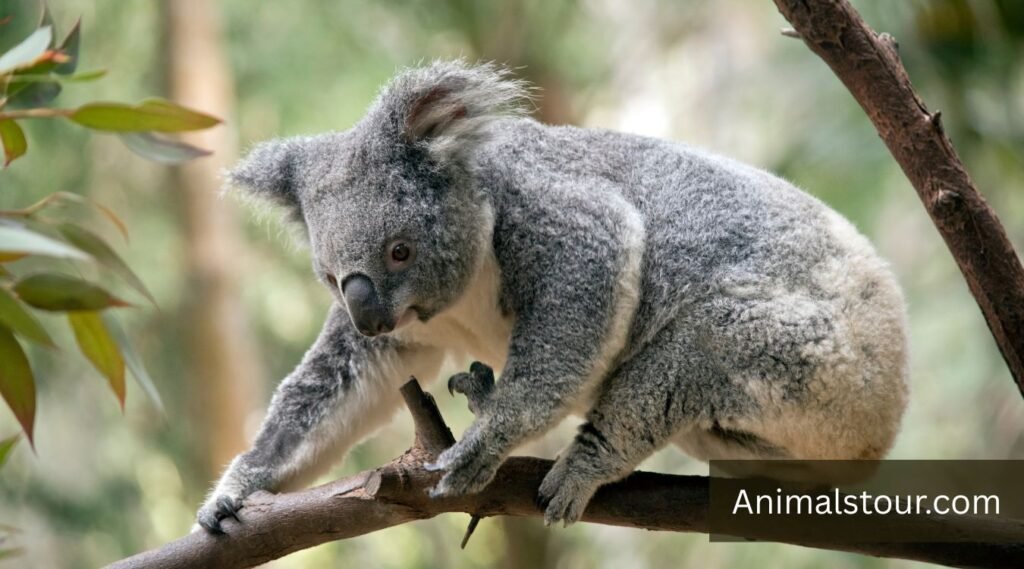
Koalas feed almost entirely on eucalyptus leaves which are toxic to most other animals. Their special digestive system allows them to safely process these poisonous leaves every day. Baby koalas, called joeys, spend months inside their mother’s pouch after being born. Koalas communicate through deep bellowing sounds that can travel long distances through the forest. Sadly, habitat loss and disease are putting koala populations under serious threat today.
Tarsier
Scientific name: Tarsius tarsier
Class: Mammalia
Diet: Carnivore
The tarsier is one of the shyest and most unusual-looking animals found in Southeast Asia. It has enormous eyes that are fixed in its skull and cannot move in any direction. These huge eyes help the tarsier see perfectly in the dark during its nighttime activities. Tarsiers are very sensitive creatures that become extremely stressed when disturbed by humans. They prefer to live deep in the forest where they can stay completely hidden and undisturbed.
Tarsiers are incredible jumpers and can leap many times their own body length between trees. They feed on insects, small lizards, and birds that they catch with their quick and precise hands. Tarsiers communicate using very high-pitched calls that are often too high for humans to hear. These shy animals sadly do not survive well in captivity due to extreme stress and anxiety. Protecting their natural forest habitat is absolutely essential for keeping tarsier populations alive.
Meerkat
Scientific name: Suricata suricatta
Class: Mammalia
Diet: Omnivore
The meerkat is a small and cautious animal that lives in the dry desert regions of southern Africa. They live in groups called gangs and always post a lookout to watch for any incoming danger. Despite living in groups, meerkats are very shy and alert animals that startle very easily. They immediately dart into underground burrows the moment they sense a predator approaching them. Their entire lifestyle is built around staying safe and avoiding danger at all possible times.
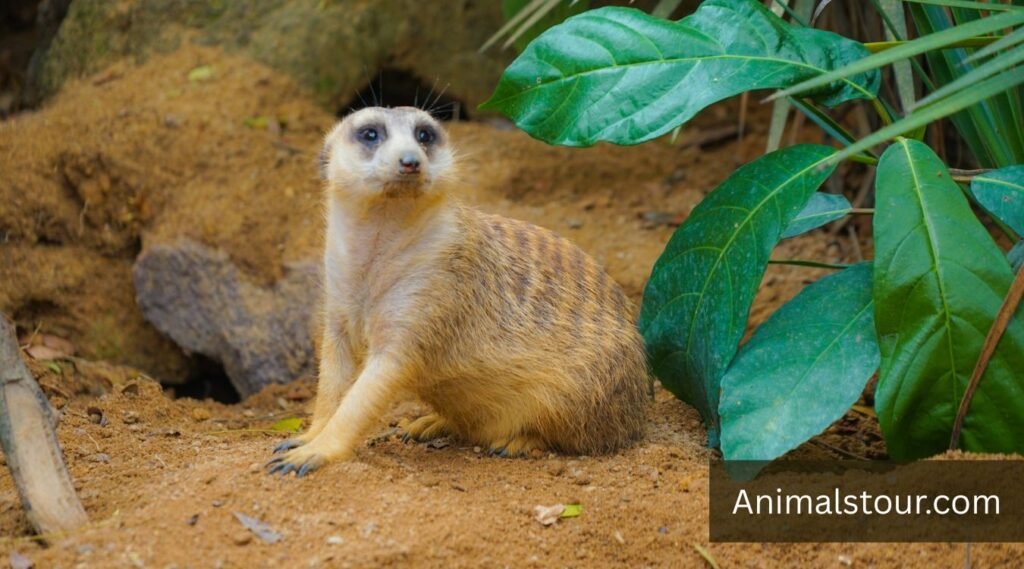
Meerkats stand tall on their back legs to scan the surrounding area for any threats nearby. They have a special dark skin on their belly that absorbs the warm morning sunlight quickly. Meerkats communicate using a complex series of calls to warn the group about different predators. They feed on insects, scorpions, lizards, and small snakes found in the desert sand. These fascinating little animals are extremely shy in the wild despite looking bold and confident.
Sloth
Scientific name: Bradypus variegatus
Class: Mammalia
Diet: Herbivore
The sloth is perhaps the most famously slow and shy animal living in the rainforests of Central and South America. It spends almost its entire life hanging upside down from the branches of tall trees. Sloths move so slowly that green algae actually grows on their fur as a natural camouflage. They are very quiet animals that avoid any kind of confrontation or unnecessary movement at all. Their stillness and silence make them one of nature’s greatest masters of staying hidden.
Sloths come down from the trees only about once a week to go to the bathroom. They sleep for up to fifteen to twenty hours a day due to their very slow metabolism. Their long curved claws grip tree branches tightly so they can hang without using any energy. Sloths are gentle and harmless animals that pose absolutely no threat to any other creature. Deforestation is the biggest danger these incredibly peaceful and shy animals currently face.
Aye-aye
Scientific name: Daubentonia madagascariensis
Class: Mammalia
Diet: Omnivore
The aye-aye is one of the strangest and shyest animals found only on the island of Madagascar. It is a nocturnal lemur that hides deep in the rainforest canopy throughout the daytime. The aye-aye has very large eyes, bat-like ears, and an unusually long and thin middle finger. It uses that long finger to tap on trees and find hidden insects underneath the bark. This mysterious animal is extremely rare and very difficult to find even in its natural habitat.
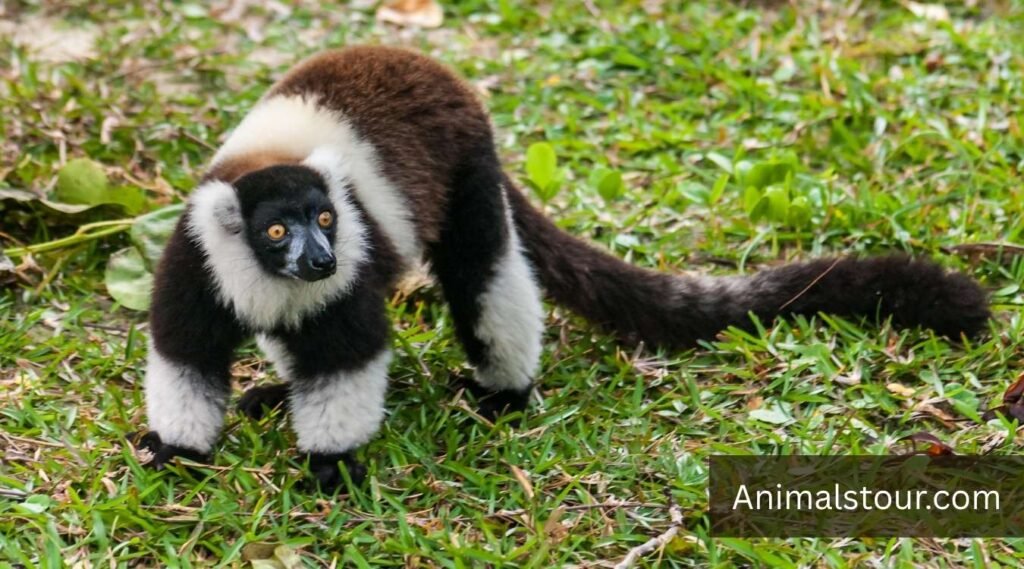
Local people in Madagascar have traditionally feared the aye-aye due to old superstitions and myths. This has sadly led to many aye-ayes being killed out of fear over the centuries. The aye-aye is now seriously endangered due to both superstition and rapid deforestation. It is a very solitary creature that spends most of its life completely alone in the dark forest. Conservation programs are now working hard to protect this fascinating and deeply shy animal.
Snow Leopard
Scientific name: Panthera uncia
Class: Mammalia
Diet: Carnivore
The snow leopard is one of the most elusive and shy big cats living in the mountains of Central Asia. It is so rarely seen in the wild that it is often called the ghost of the mountains. Snow leopards live at very high altitudes in cold and rocky mountain terrain that is hard to reach. They are very solitary animals that roam huge territories completely alone through the mountains. Their thick spotted fur provides excellent camouflage against the rocky and snowy landscape around them.
Snow leopards are very secretive hunters that stalk their prey with great patience and silence. They prey on blue sheep, ibex, and other mountain animals that share their high-altitude habitat. These big cats avoid humans and will retreat quickly whenever they detect any human presence nearby. Snow leopards cannot roar like other big cats and instead make chuffing and hissing sounds. They are endangered animals and protecting their remote mountain habitat is critically important today.
Kiwi
Scientific name: Apteryx australis
Class: Aves
Diet: Omnivore
The kiwi is a very shy and unique flightless bird that is found only in New Zealand. It is the national symbol of New Zealand and is deeply loved by the people there. Kiwis are nocturnal birds that come out only at night to search for food in the dark. They use their long beaks to probe the soil for worms, insects, and other small creatures. During the day, kiwis hide in burrows, hollow logs, or dense bushes to stay safe and hidden.
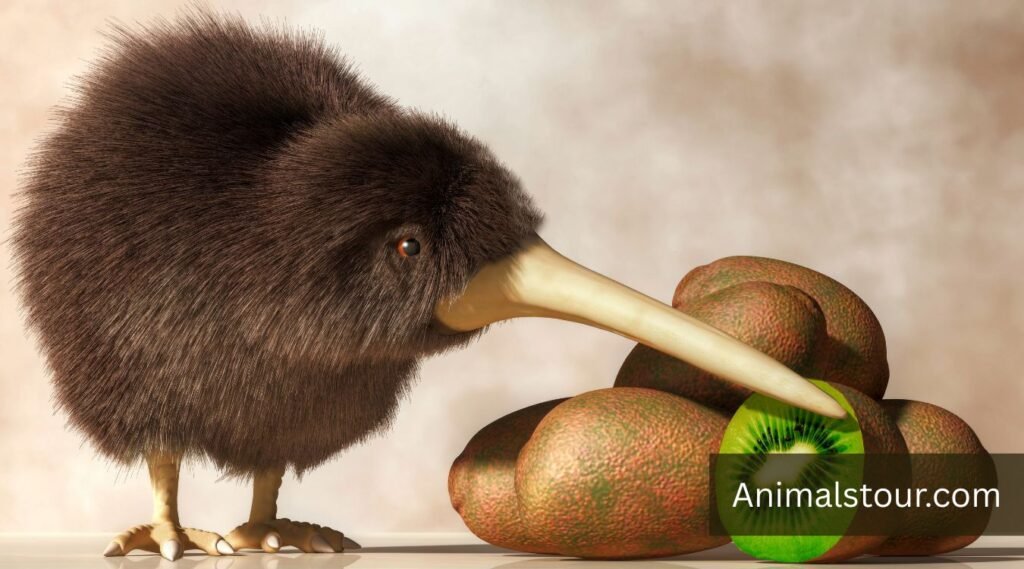
Kiwis have a very poor sense of sight but make up for it with an excellent sense of smell. They are the only birds in the world with nostrils located at the very tip of their beak. Kiwis are very territorial and prefer to live alone rather than in groups or pairs. They make soft snuffling sounds while searching for food along the dark forest floor. These shy and extraordinary birds are sadly threatened by introduced predators and habitat destruction.
Saola
Scientific name: Pseudoryx nghetinhensis
Class: Mammalia
Diet: Herbivore
The saola is one of the world’s rarest and shyest animals found in the forests of Vietnam and Laos. It was only discovered by scientists as recently as 1992, which shocked the entire scientific world. The saola looks somewhat like an antelope and has two long straight horns on its head. It lives deep in the dense and remote forests of the Annamite Mountains far from human activity. This incredibly elusive animal is so rare that very few people have ever seen one in the wild.
The saola is so shy and secretive that scientists know very little about its behavior and lifestyle. It is critically endangered due to hunting and the rapid destruction of its forest habitat. Local hunters have accidentally caught saolas in traps that were set for other animals in the forest. There are no saolas currently living in captivity anywhere in the world today. Conservation of the saola is one of the most urgent wildlife challenges in all of Southeast Asia.
Quokka
Scientific name: Setonix brachyurus
Class: Mammalia
Diet: Herbivore
The quokka is a small and famously friendly-looking marsupial that lives on Rottnest Island in Australia. Despite its cheerful and happy appearance, the quokka is actually a very shy and cautious animal. It feels most comfortable in dense low-lying shrubs where it can hide quickly from danger. Quokkas are mostly active at night and rest in shady spots during the hot daytime hours. They live in small groups but are generally very timid when approached by unfamiliar people or animals.
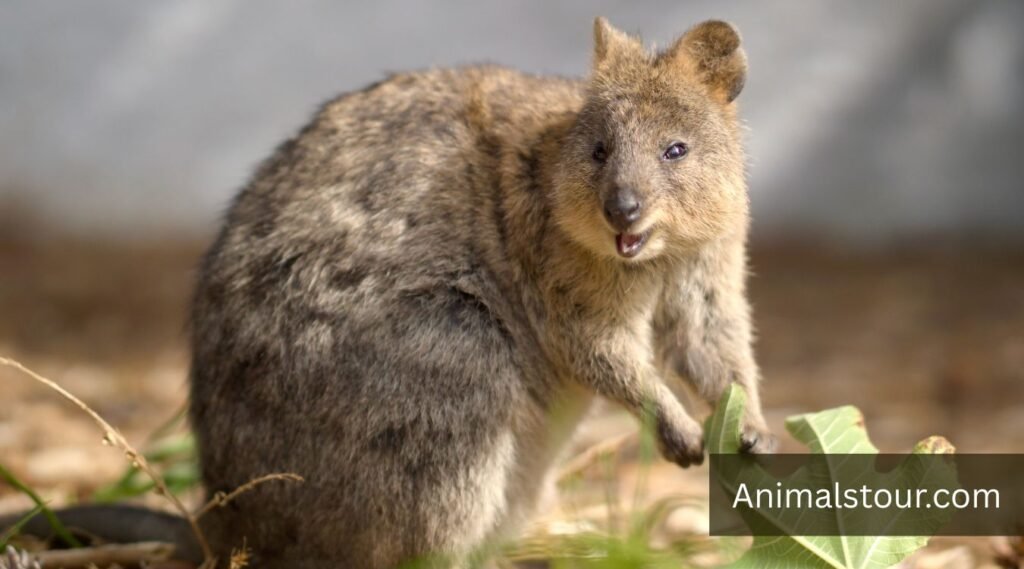
Quokkas are herbivores that feed on grasses, leaves, and other plants found across their island home. They carry their babies called joeys in a small pouch on their belly after birth. Quokkas have become famous on the internet for appearing to smile in photos with tourists. However, feeding or handling quokkas by tourists can cause them serious stress and health problems. These shy little animals are considered vulnerable due to predators and ongoing habitat changes.
Axolotl
Scientific name: Ambystoma mexicanum
Class: Amphibia
Diet: Carnivore
The axolotl is a fascinating and very shy aquatic animal that is native to the lakes of Mexico City. It is a type of salamander that never fully transforms into an adult form like other salamanders do. The axolotl spends its entire life in the water and hides among rocks and aquatic plants constantly. It is a very sensitive creature that prefers calm, cold, and dark water environments to feel safe. Axolotls are mostly active at night and spend their days hiding away from light and movement.
Axolotls are incredibly unique because they can regenerate lost body parts including limbs and even parts of their heart. They feed on small worms, insects, and tiny fish that they find in the water around them. Axolotls are critically endangered in the wild due to water pollution and urban development in Mexico. Many axolotls are kept in aquariums and research labs around the world today. Saving the wild axolotl requires urgent action to clean and protect their remaining natural lake habitat.
Fossa
Scientific name: Cryptoprocta ferox
Class: Mammalia
Diet: Carnivore
The fossa is a shy and very secretive carnivore that lives only in the forests of Madagascar. It is the largest predator on the island and looks like a strange mix of a cat and a mongoose. The fossa is a very solitary animal that spends most of its life hidden deep in the forest. It is an excellent climber and uses trees both for hunting and for resting during the day. Fossas are very rarely seen because of their secretive nature and remote forest habitat.
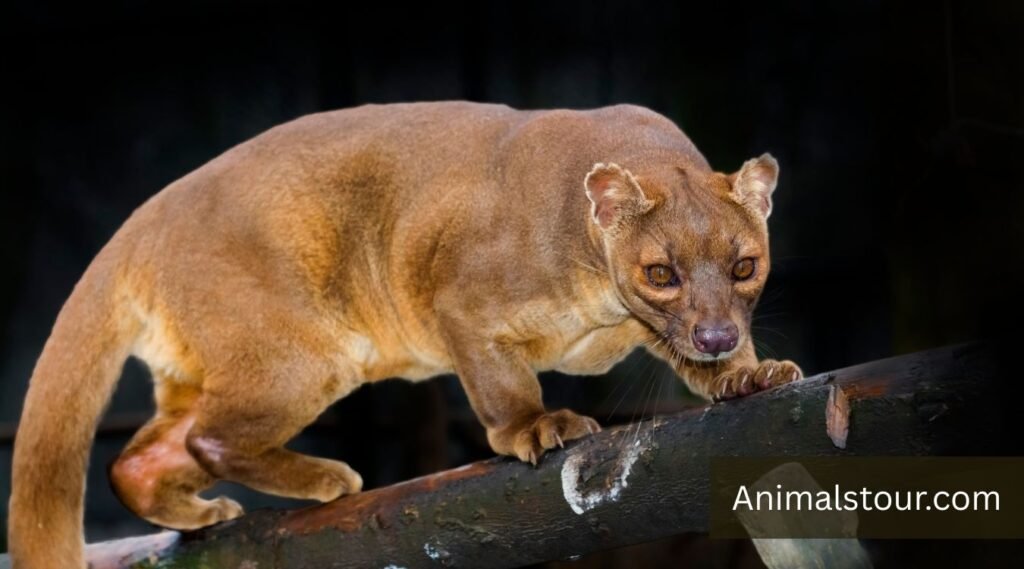
Fossas are most active during both day and night making them unusual among predators worldwide. They hunt lemurs, birds, and small reptiles with great speed and impressive agility. Fossas have flexible ankles that allow them to climb both up and down trees headfirst with ease. They are very sensitive to human presence and will retreat deep into the forest when disturbed. Habitat loss and hunting have made the fossa a vulnerable species that urgently needs protection today.
Kangaroo
Scientific name: Macropus
Class: Mammalia
Diet: Herbivore
The kangaroo is one of Australia’s most iconic animals and is also surprisingly shy in the wild. Wild kangaroos are very cautious and will hop away quickly when humans approach them too closely. They are most active during the cool hours of dawn, dusk, and nighttime to avoid the heat. Kangaroos live in groups called mobs and rely on each other for safety and protection. Despite their strong and powerful appearance, kangaroos are generally timid and non-aggressive animals.
Kangaroos use their powerful hind legs to jump great distances at very impressive speeds when escaping danger. A mother kangaroo carries her baby called a joey in her front pouch for many months after birth. They communicate with each other through thumping the ground loudly with their strong back feet. Kangaroos are herbivores and spend large amounts of time grazing quietly on grasses and low plants. Human expansion into their natural habitat is putting increasing pressure on kangaroo populations across Australia.
Giant Anteater
Scientific name: Myrmecophaga tridactyla
Class: Mammalia
Diet: Insectivore
The giant anteater is a very shy and solitary animal found in the grasslands and forests of South America. It has a very long snout and an even longer sticky tongue used to eat ants and termites. Giant anteaters are not aggressive animals and will only defend themselves when absolutely necessary. They prefer to walk slowly and quietly through their habitat, avoiding contact with other animals. These animals have very poor eyesight but an excellent sense of smell to locate their insect food.
A giant anteater can eat up to thirty-five thousand ants and termites in just a single day. It uses its powerful curved claws to break open hard termite mounds in the ground. Despite those sharp claws, the giant anteater is a peaceful animal that avoids all confrontation. Mothers carry their babies on their backs for up to a year after they are born. Giant anteaters are classified as vulnerable due to habitat loss and being hit by vehicles on roads.
Okapi
Scientific name: Okapia johnstoni
Class: Mammalia
Diet: Herbivore
The okapi is one of Africa’s most secretive and shy animals living in the dense rainforests of the Congo. It was completely unknown to the outside world until it was officially discovered in the year 1901. The okapi looks like a mix between a zebra and a giraffe with its striped legs and long neck. It lives alone deep in the forest and uses its dark brown coat for natural camouflage among the trees. Okapis are so secretive that even people living near their habitat rarely ever see them in the wild.
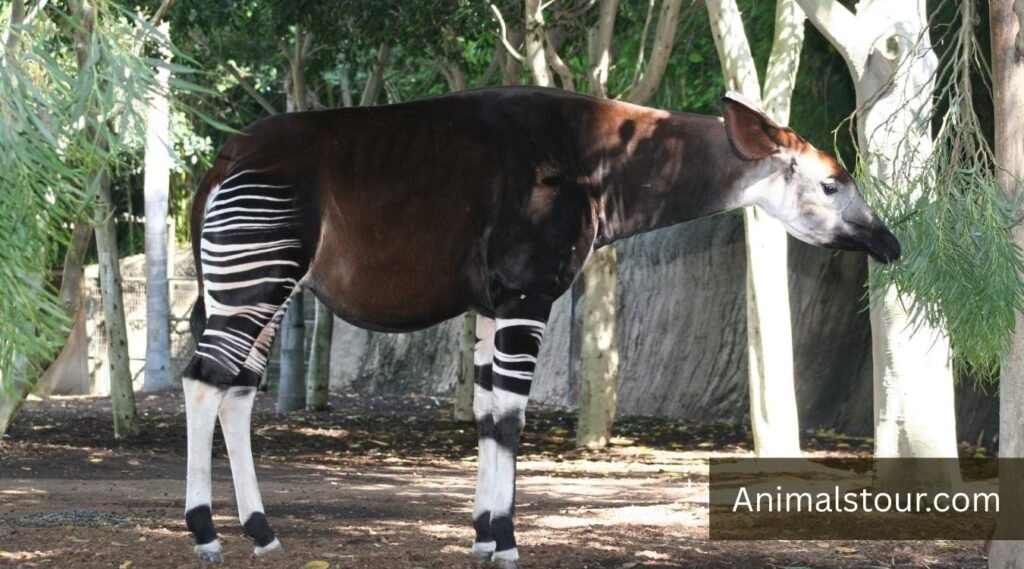
Okapis have a very long blue-black tongue that they use to strip leaves from forest branches with ease. They also use their tongue to clean their own eyes and ears, which is a remarkable and unique ability. Okapis communicate using very soft sounds and infrasonic calls that humans cannot hear at all. They are very sensitive to noise and disturbance and will disappear silently into the forest when alarmed. Okapis are endangered due to deforestation and illegal hunting in their Central African forest home.
Dik-Dik
Scientific name: Madoqua kirkii
Class: Mammalia
Diet: Herbivor
The dik-dik is one of the smallest and shyest antelopes found in the bushlands of eastern and southern Africa. It stands only about thirty to forty centimeters tall making it one of the tiniest antelopes in existence. Dik-diks are very nervous animals that are constantly watching and listening for signs of danger. They freeze completely still or bolt into the thick bushes the moment they sense any threat nearby. These tiny antelopes are named after the alarm sound the female makes when she is frightened.
Dik-diks live in monogamous pairs and stay together in the same territory for their entire lives. They mark their territory using scent glands located just in front of each of their large eyes. Dik-diks feed on leaves, berries, shoots, and fruit found in the dry bushland where they live. They get most of the water they need directly from the food that they eat every day. Their small size and extreme shyness make them one of the most difficult African animals to observe closely.
Pangolins
Class: Mammalia
Diet: Insectivore
The pangolin is one of the world’s shyest and most unique mammals found across parts of Africa and Asia. Its entire body is covered in hard overlapping scales made of keratin just like human fingernails. When threatened, the pangolin rolls itself into a tight and almost perfectly round defensive ball shape. It is a very solitary and nocturnal animal that spends its days hidden inside burrows or hollow trees. Pangolins are so shy and secretive that they are rarely encountered even in areas where they still exist.
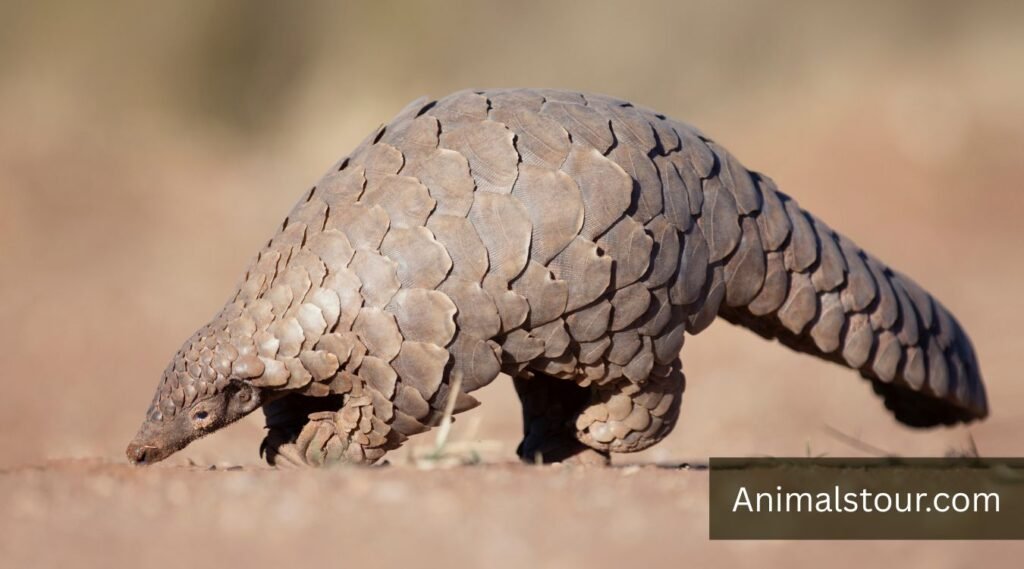
Pangolins use their very long sticky tongue to feed on ants and termites from inside their mounds. A pangolin’s tongue can be longer than its entire body when fully extended during feeding. They have no teeth at all and instead use their muscular stomach to grind up the insects they eat. Pangolins are sadly the most illegally trafficked mammals in the entire world today. Urgent global conservation action is desperately needed to stop the poaching and trade of these gentle animals.
Maned Wolf
Scientific name: Chrysocyon brachyurus
Class: Mammalia
Diet: Omnivore
The maned wolf is a tall and strikingly beautiful wild canid found in the grasslands of South America. Despite looking like a fox on very long legs, it is not closely related to foxes or wolves at all. The maned wolf is a very shy and solitary animal that avoids contact with humans at all costs. It is mostly active at night and spends the day resting quietly in tall grasses away from disturbance. Its long legs help it see above the tall savanna grass while searching for food and watching for danger.
Maned wolves are omnivores and eat a wide variety of foods including fruits, insects, rodents, and birds. A large fruit called the wolf apple makes up a very significant part of their regular diet. They communicate using loud roar-barks that can be heard from long distances across the open grasslands. Maned wolves live and hunt alone and only come together during the mating season each year. They are classified as near threatened due to habitat loss and being hit by vehicles on roads.
Binturong
Scientific name: Arctictis binturong
Class: Mammalia
Diet: Omnivore
The binturong is a shy and unusual animal also commonly known as the bearcat of Southeast Asia. Despite its nickname, the binturong is not related to bears or cats in any scientific way at all. It has a thick shaggy black coat, a long prehensile tail, and a very distinctive musky smell. The binturong spends most of its life up in the trees and rarely comes down to the ground. It is a very slow-moving and cautious animal that prefers the quiet and dense forest canopy.
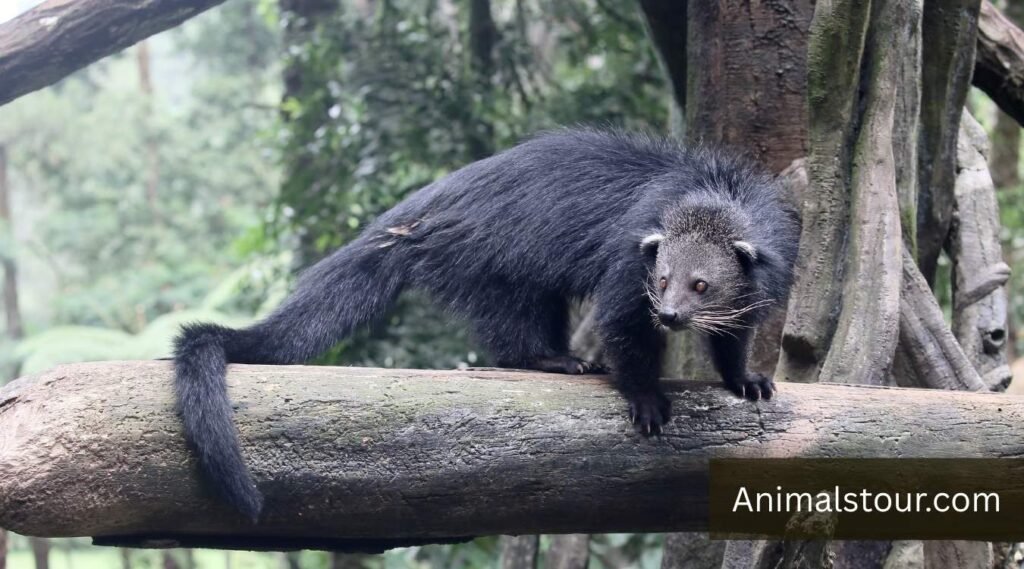
The binturong has a very unique smell that many people find surprising compared to warm buttered popcorn. This smell comes from a chemical compound produced in its scent glands used for marking territory. Binturongs are omnivores and eat fruits, birds, fish, small mammals, and eggs when available. They are one of only a few mammals that have a fully prehensile tail strong enough to support their weight. Binturongs are vulnerable due to ongoing deforestation and illegal capture for the exotic pet trade worldwide.
Giant Panda
Scientific name: Ailuropoda melanoleuca
Class: Mammalia
Diet: Herbivore
The giant panda is one of the world’s most beloved and shy animals native to the mountain forests of China. It lives in high-altitude bamboo forests that are cool, wet, and very remote from human settlements. Giant pandas are very solitary animals that avoid contact with other pandas except during mating season. They are naturally timid and will retreat deeper into the forest when they sense any human presence. Their black and white markings may actually help them stay camouflaged in their snowy and rocky mountain habitat.
Giant pandas spend up to fourteen hours every single day eating bamboo to meet their energy needs. They have a special wrist bone that acts like a thumb to help them grip bamboo stalks tightly. Giant pandas were once critically endangered but conservation efforts have improved their status in recent years. China has created many special panda reserves to protect their bamboo forest habitat from destruction. These gentle and shy animals have become a global symbol of wildlife conservation efforts around the world.
Aardvarks
Scientific name: Orycteropus afer
Class: Mammalia
Diet: Insectivore
The aardvark is a very shy and nocturnal animal found across sub-Saharan Africa south of the Sahara Desert. It has a long pig-like snout, large ears, and a heavy body that is built perfectly for digging. Aardvarks are extremely secretive and are very rarely seen due to their strictly nighttime habits. During the day they sleep safely inside deep burrows that they dig with their powerful clawed feet. They emerge only after dark to search for ant and termite mounds to feed on throughout the night.
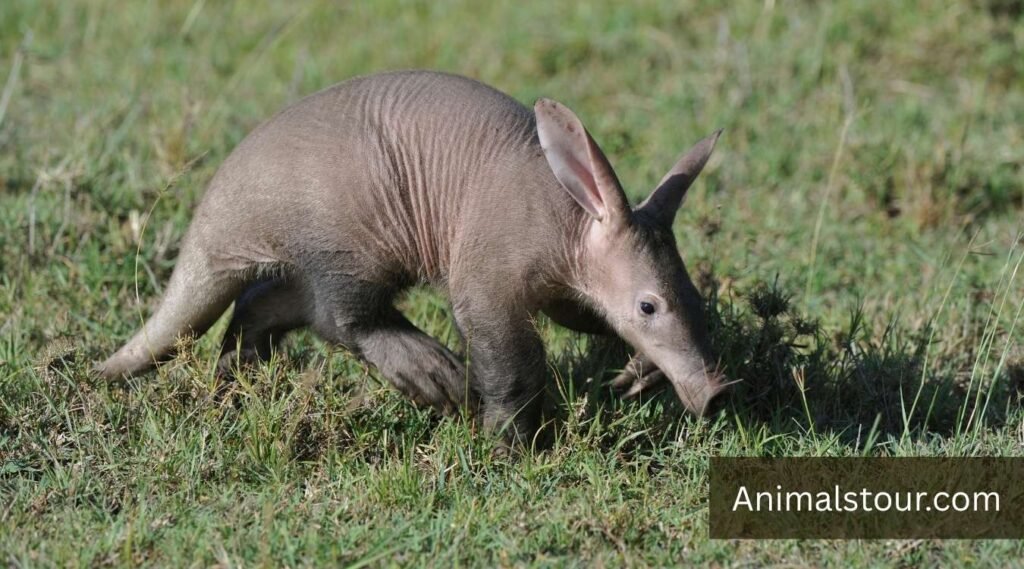
Aardvarks have a very long sticky tongue that can reach deep inside termite mounds with ease. Their thick skin protects them from the painful bites of ants and termites while they are feeding. Aardvarks are excellent and very fast diggers that can disappear underground within just a few minutes. They are solitary animals that live and forage entirely alone throughout their adult lives. Despite being fairly common across Africa, aardvarks are almost never seen because of their extreme shyness and secrecy.
Fennec Fox
Scientific name: Vulpes zerda
Class: Mammalia
Diet: Omnivore
The fennec fox is the world’s smallest wild fox and is found in the Sahara Desert of North Africa. It has enormous ears that can be up to fifteen centimeters long relative to its tiny body size. Those large ears help the fennec fox hear prey moving underground and also release excess body heat. Fennec foxes are very shy and will quickly retreat into their burrows when they sense any danger. They are nocturnal animals that stay hidden in their underground dens during the scorching desert daytime.
Fennec foxes live in small family groups and dig complex burrow systems in the cool desert sand. Their thick fur keeps them warm during cold desert nights and also insulates them from the hot sand. They feed on insects, small rodents, birds, eggs, and desert plants found across the sandy landscape. Fennec foxes can go for very long periods without drinking water, getting moisture from their food instead. They are highly alert and incredibly fast runners that can disappear into the desert sand within moments.
Final Thoughts
The world is full of animals that prefer peace and quiet over anything else. Each of these 27 most shy animals has its own unique and beautiful way of staying hidden and safe. Their shyness is not a weakness but one of nature’s most clever and effective survival tools. Many of these animals that are shy but friendly prefer to stay away from humans but are harmless in nature. We must do everything we can to preserve the wild spaces these shy animals call their home. Because a world where these creatures can live safely and freely is a much richer and more beautiful world for all of us.
FAQs
What is the most shy animal in the world?
The snow leopard is widely considered one of the shyest animals on the planet. It is so rarely seen in the wild that people often call it the ghost of the mountains.
Why are some animals shy by nature?
Animals that are shy because it helps them stay safe from predators and danger in the wild. Shyness is simply a smart and natural survival skill that keeps them alive longer.
Are introverted animals dangerous to humans?
Most introverted animals are completely harmless and will run away before they ever cause any trouble. They only defend themselves when they feel truly trapped or seriously threatened with no escape.
Can shy animals be kept as pets?
Most shy wild animals do not do well in captivity because they get very stressed and anxious easily. They always live happier, healthier, and longer lives in their own natural wild habitat.
How can we help protect shy and endangered animals?
We can help by supporting wildlife conservation programs and avoiding destruction of natural forest habitats.