Interesting Top 14 Animals That are Like Raccoons (With Images)
Animals that are like raccoons share some of the same traits, such as a masked face, clever behavior, and the ability to adapt to different environments. While raccoons are unique, there are several other animals that look similar or behave in a comparable way. In this article, we’ll look at the most common animals that are like raccoons and what makes them similar.
List of Animals That are Like Raccoons
Here is the list of animals that are like Raccoons:
| Number of Animals | Names of Animals Like Raccoons |
| 1 | Ringtails |
| 2 | Kinkajous |
| 3 | Northern Olingo |
| 4 | Olinguitos |
| 5 | Japanese Raccoon Dog |
| 6 | Marten |
| 7 | Cacomistle |
| 8 | Burmese Ferret-Badger |
| 9 | Red Panda |
| 10 | Coati |
| 11 | Skunks |
| 12 | Wolverine |
| 13 | American badger |
| 14 | Fox |
Ringtails
Scientific name: Bassariscus astutus
Class: Mammalia
Diet: Omnivore
Ringtails are small, shy animals that live in rocky areas and dry forests. They have big eyes, large ears, and a long striped tail that looks like a raccoon’s. Ringtails are excellent climbers and love to explore narrow spaces at night. They use their tail for balance when moving across rocks and trees.
Ringtails are sometimes called “ringtail cats,” but they are not cats at all. They are actually close relatives of raccoons and coatis. They eat insects, fruits, and small animals to survive. People in the past even kept them as pets to catch mice in their homes.
Kinkajous
Scientific name: Potos flavus
Class: Mammalia
Diet: Omnivore
Kinkajous are small, furry animals that live high up in tropical rainforests. They have soft golden-brown fur, big eyes, and a long tail they use to grip branches. Kinkajous are nocturnal, meaning they are most active during the night. They love eating fruit and drinking nectar from flowers with their long tongues.
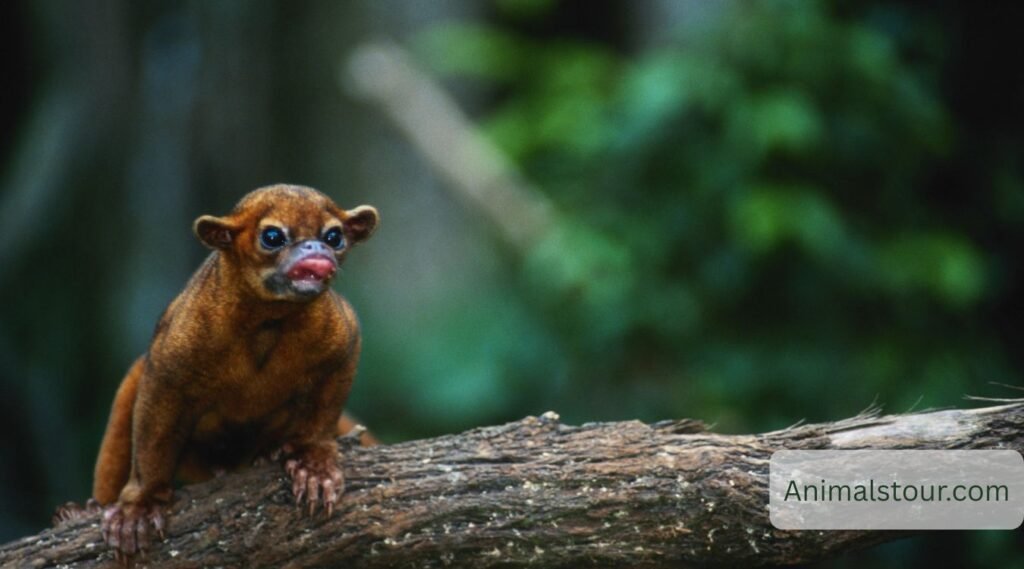
Kinkajous are related to raccoons, even though they look more like monkeys. They are gentle animals but can scratch or bite if they feel scared. They live mostly in Central and South America in dense forest areas. Kinkajous play an important role in spreading seeds and pollinating plants in the wild.
Northern Olingo
Scientific name: Bassaricyon gabbii
Class: Mammalia
Diet: Omnivore
The Northern Olingo is a small, tree-dwelling animal found in Central America. It has a long bushy tail, large eyes, and soft brownish-gray fur all over its body. Olingos are very quiet animals and spend most of their time high up in trees. They come out at night to search for fruits, nectar, and small insects to eat.
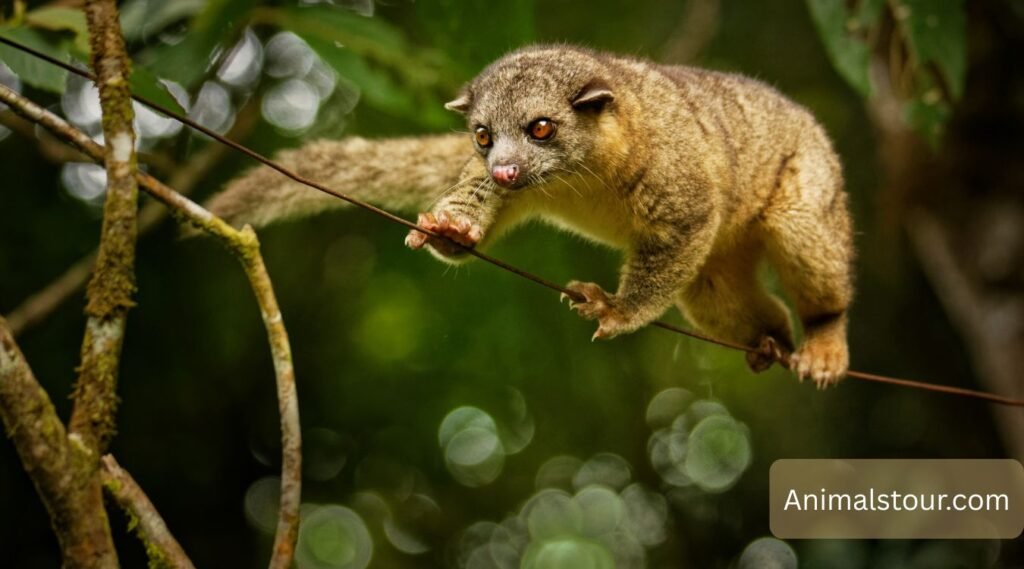
Northern Olingos are closely related to kinkajous and raccoons. They are shy creatures and are rarely seen by humans in the wild. They live in cloud forests and tropical rainforests with lots of tall trees. Scientists study them carefully because they are not very well known compared to other animals.
Olinguitos
Scientific name: Bassaricyon neblina
Class: Mammalia
Diet: Omnivore
The Olinguito is a small, cute animal that was only discovered by scientists in 2013. It has reddish-brown fluffy fur, small round ears, and big, beautiful eyes. Olinguitos live in the misty mountain forests of Colombia and Ecuador in South America. They are the smallest members of the raccoon family in the entire world.
Olinguitos are shy and live alone most of the time in tall, dense trees. They eat mostly fruits and occasionally small insects found on tree branches. They are nocturnal animals and move quietly through the forest at night. Their discovery was very exciting for scientists because it was a brand new species found recently.
Japanese Raccoon Dog
Scientific name: Nyctereutes procyonoides viverrinus
Class: Mammalia
Diet: Omnivore
The Japanese Raccoon Dog, also called a Tanuki, lives in forests across East Asia. It has a chubby body, short legs, and dark markings on its face just like a raccoon. Tanukis are the only members of the dog family that hibernate during cold winters. They are very adaptable animals and can live in forests, farmlands, and even near cities.
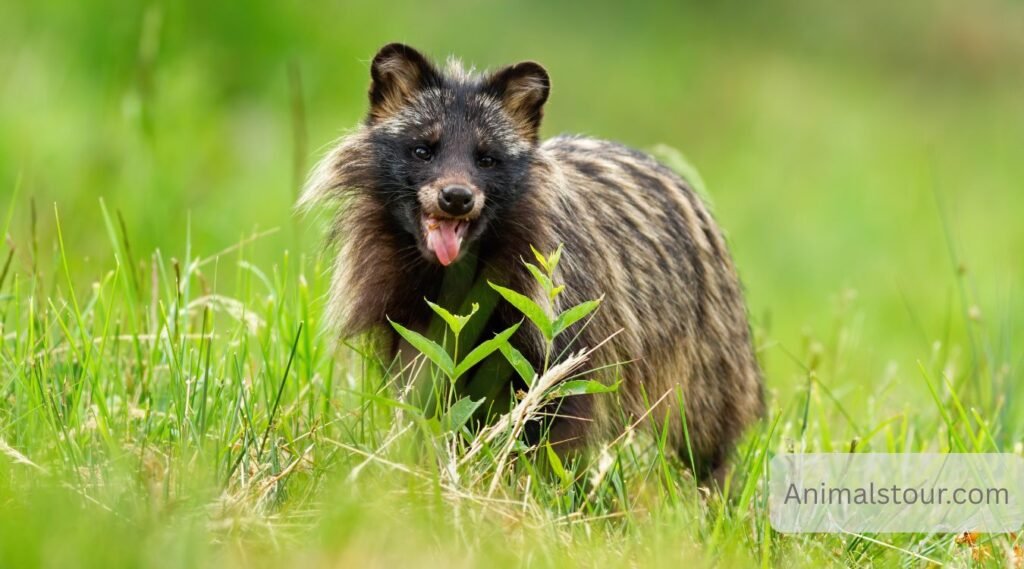
Japanese Raccoon Dogs are famous in Japanese culture as symbols of good luck. They eat almost anything, including fruits, insects, frogs, and small rodents. They live in pairs or small family groups and are very loyal to their mates. Even though they look like raccoons, they are actually more closely related to foxes and wolves.
Marten
Scientific name: Martes americana
Class: Mammalia
Diet: Omnivore
Martens are small, agile animals that live in cold forests across Europe and North America. They have a slender body, short legs, and thick soft fur that keeps them warm in winter. Martens are excellent climbers and can chase prey high up in the trees with great speed. They have sharp claws and teeth that help them catch squirrels, birds, and small mammals.
Martens are solitary animals and prefer to live and hunt alone in large territories. They mark their territory using scent glands to keep other martens away. Their fur is very soft and was once highly valued in the fur trade long ago. Martens play an important role in keeping the population of small rodents under control in forests.
Cacomistle
Scientific name: Bassariscus sumichrasti
Class: Mammalia
Diet: Omnivore
The Cacomistle is a slender, agile animal that lives in the forests of Central America. It has a very long black and white striped tail that looks similar to a raccoon’s tail. Cacomistles have large eyes that help them see clearly in the darkness of the night. They are fast and skillful climbers that spend most of their life up in the trees.
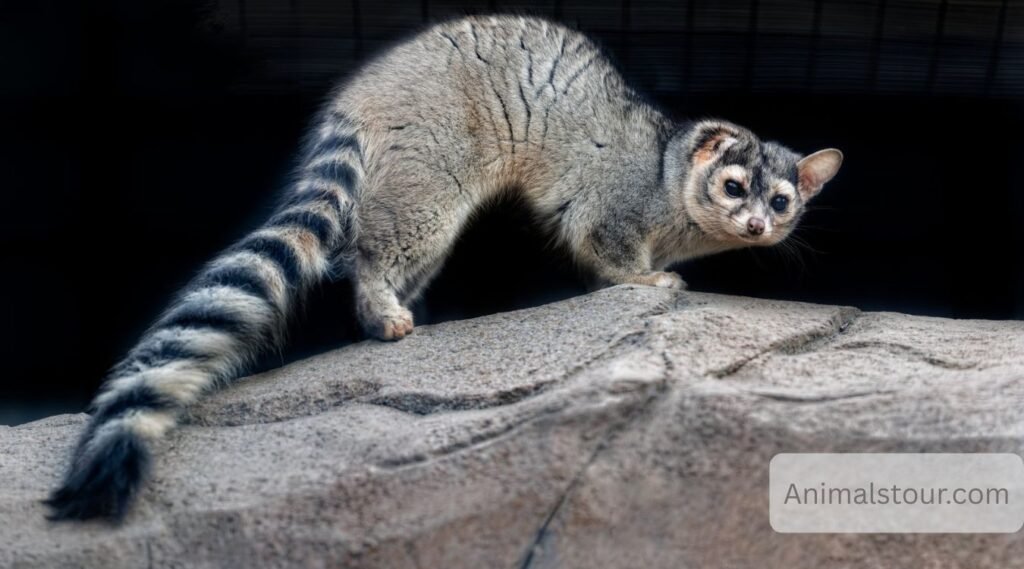
Cacomistles are closely related to ringtails and are part of the raccoon family. They eat fruits, insects, small lizards, and birds that they find in the forest. They are very shy animals and try to avoid contact with humans at all times. Their long striped tail helps them keep balance while jumping between branches high in the treetops.
Burmese Ferret-Badger
Scientific name: Melogale personata
Class: Mammalia
Diet: Omnivore
The Burmese Ferret-Badger is a small animal found in the forests of Southeast Asia. It has a long body, short legs, and a distinctive black and white pattern on its face. This animal looks a little like a raccoon because of the dark markings around its eyes. It uses its long snout to dig in the soil and search for food every day.
Burmese Ferret-Badgers eat insects, worms, small animals, and berries found on the forest floor. They are mostly active during the night and early morning hours in dense forests. These animals are good climbers and can also dig burrows to rest and hide inside. They are not very well studied, so scientists are still learning many new things about them.
Red Panda
Scientific name: Ailurus fulgens
Class: Mammalia
Diet: Omnivore
The Red Panda is a beautiful, small animal that lives in the mountain forests of Asia. It has reddish-brown fur, a fluffy striped tail, and a face that looks a little like a raccoon. Red Pandas spend most of their time in trees and use their tail to stay warm at night. They are shy, gentle animals that love to eat bamboo leaves, fruits, and berries.
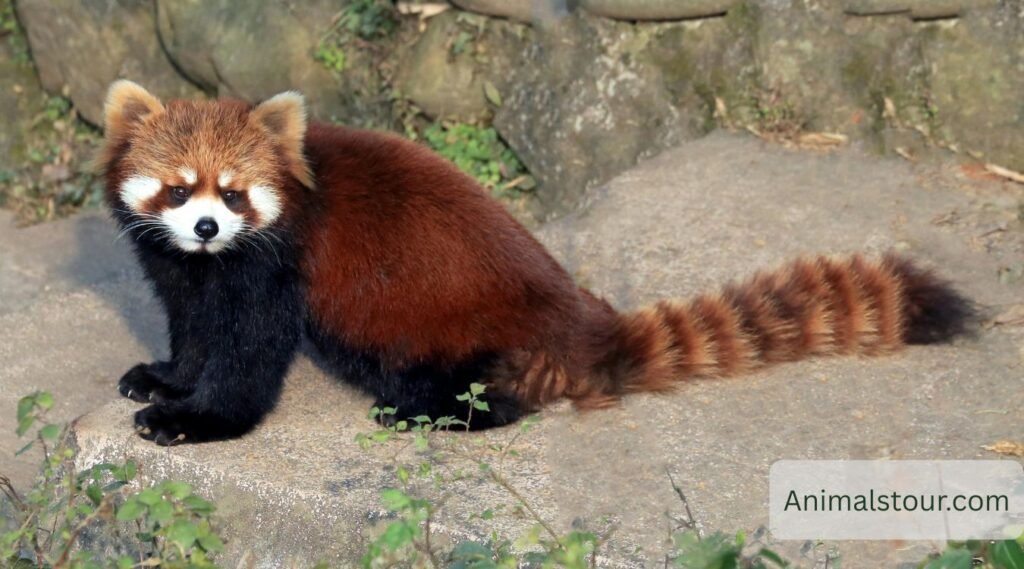
Red Pandas are considered endangered because their forest habitat is being destroyed fast. They are solitary animals and prefer to live and move around quietly on their own. Despite their name, Red Pandas are not closely related to Giant Pandas at all. Scientists classify them in their own special family called Ailuridae, making them truly unique animals.
Coati
Scientific name: Nasua narica
Class: Mammalia
Diet: Omnivore
Coatis are social animals that live in the forests and grasslands of South and Central America. They have a long, flexible snout, a striped tail, and a face that closely resembles a raccoon. Coatis are very active during the day and love to search for food on the forest floor. They use their strong claws to dig in the soil for insects, grubs, and small animals.
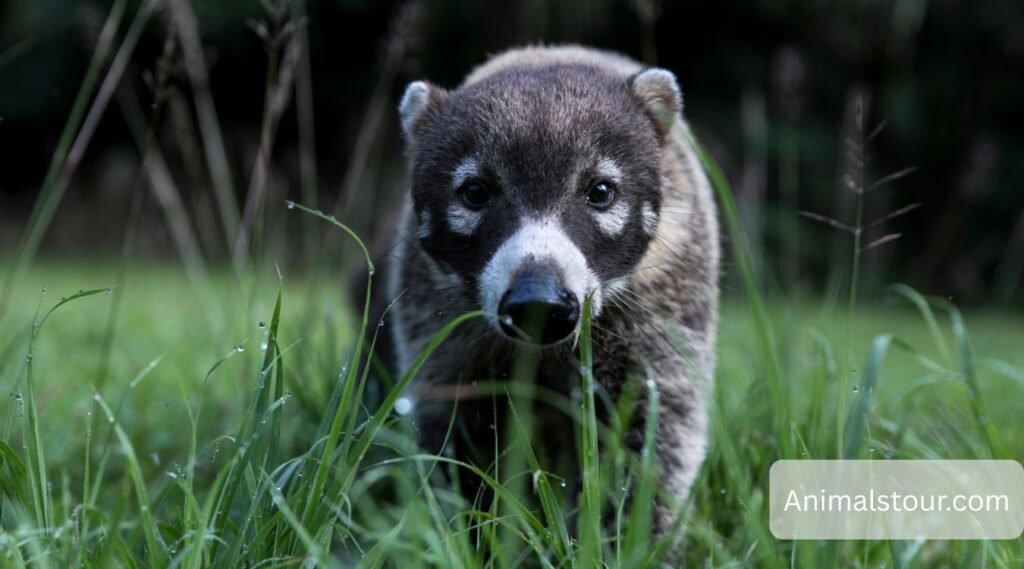
Female coatis live in large, noisy groups called bands that can have up to thirty members. Male coatis, however, tend to live alone and only join groups during mating season. Coatis are very intelligent and curious animals that are quick to investigate new things. They are close relatives of raccoons and share many of the same clever survival behaviors.
Skunks
Scientific name: Mephitis mephitis
Class: Mammalia
Diet: Omnivor
Skunks are small, black and white animals that are famous for their very powerful smell. They can spray a strong, unpleasant liquid from glands near their tail to scare away predators. Skunks have a similar body shape to raccoons and are also very good at adapting to different environments. They live in forests, grasslands, and even in suburban neighborhoods close to people.
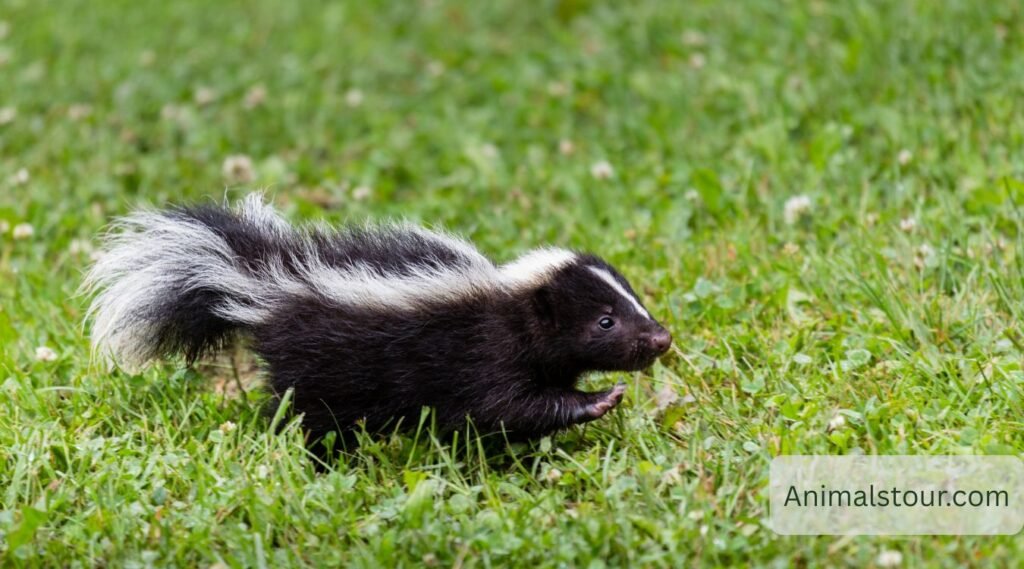
Skunks eat a wide variety of foods including insects, eggs, fruits, and small rodents. They are mostly nocturnal and go out at night to search quietly for their food. Skunks give clear warning signals before they spray, like stomping their feet or raising their tail. Despite their famous smell, skunks are actually calm and peaceful animals that avoid trouble when possible.
Wolverine
Scientific name: Gulo gulo
Class: Mammalia
Diet: Omnivore
The Wolverine is a powerful, stocky animal that lives in cold northern forests and Arctic regions. It looks somewhat like a small bear but is actually the largest member of the weasel family. Wolverines have thick dark fur, strong legs, and sharp claws built for walking through deep snow. They are incredibly strong animals for their size and are known for their fierce attitude.
Wolverines are solitary animals that roam very large territories in search of food every day. They eat almost anything they can find, including carrion, small mammals, and berries. Wolverines are famous for being able to drive larger predators like wolves away from their food. They are rare animals today because of habitat loss and have become a symbol of wild northern wilderness.
American Badger
Scientific name: Taxidea taxus
Class: Mammalia
Diet: Carnivore
The American Badger is a tough, low-bodied animal found across North America’s open grasslands. It has a flat body, short strong legs, and a distinctive black and white striped face. Badgers are powerful diggers and can burrow into the ground faster than almost any other animal. They use their long sharp claws to dig out ground squirrels and prairie dogs to eat.
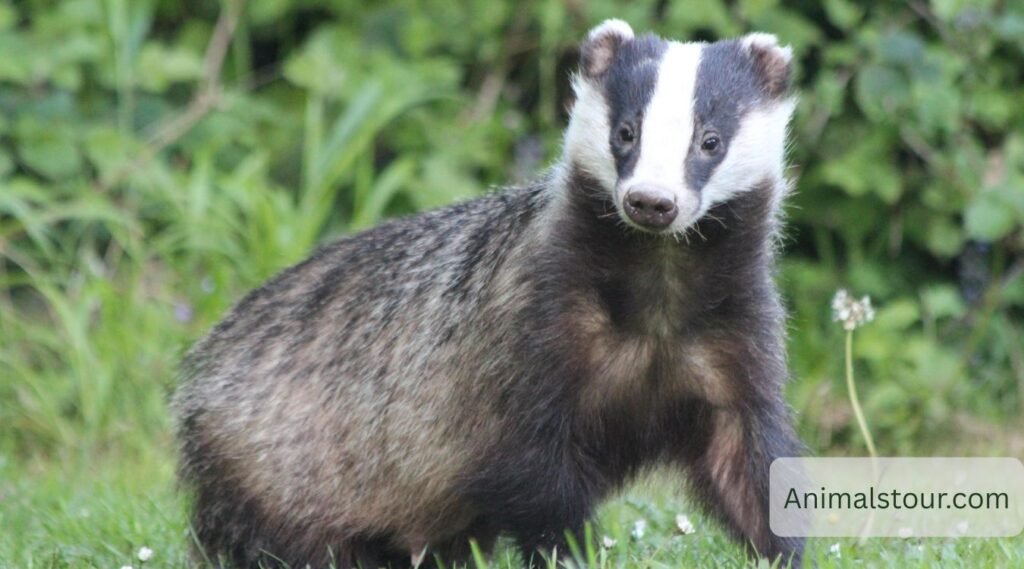
American Badgers are mostly solitary and are active during both day and night depending on the season. They are known to sometimes hunt cooperatively with coyotes in an unusual animal partnership. Badgers are very fierce and will defend themselves boldly against much larger animals and predators. Their tough, loose skin makes it hard for other animals to get a firm grip on them during a fight.
Fox
Scientific name: Vulpes vulpes
Class: Mammalia
Diet: Omnivore
Foxes are clever, quick animals found on almost every continent around the world. They have a slender body, pointed ears, a sharp nose, and a large bushy tail called a brush. Foxes share raccoon like qualities such as intelligence, adaptability, and the ability to live near humans. They are omnivores and eat fruits, birds, rodents, and insects depending on what is available.
Foxes are mostly active at dawn and dusk, making them crepuscular animals by nature. They are excellent hunters and use their sharp hearing to locate prey hiding under snow or grass. Foxes live alone or in small family groups and raise their young in underground dens. Their ability to survive in cities, farms, and wild forests makes them one of nature’s most successful animals.
Animals Comparison Table
| Animal | Similarity with Raccoon | Key Difference |
|---|---|---|
| Coati | Same family (Procyonidae), similar face & behavior | Longer snout, more active during day |
| Raccoon Dog | Similar facial mask and body shape | Belongs to dog family (Canidae) |
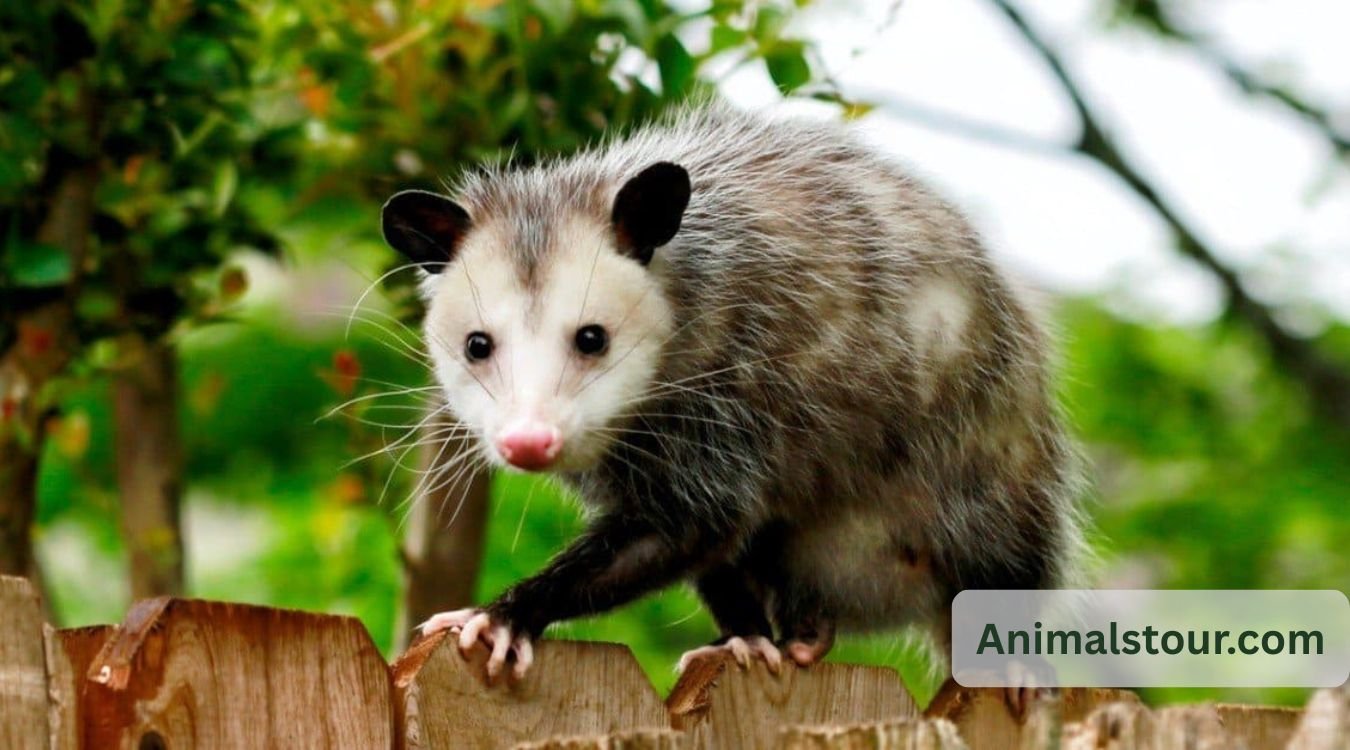
| Opossum | Nocturnal and scavenger behavior | Different species (marsupial) |
| Civet | Nocturnal, tree-climbing, similar face pattern | Different family, more cat-like |
| Badger | Similar facial markings and digging habits | More aggressive and ground-dwelling |
| Kinkajou | Same family, arboreal lifestyle | Looks different, longer tongue |
| Red Panda | Similar facial markings and tail | Different family, mainly herbivore |
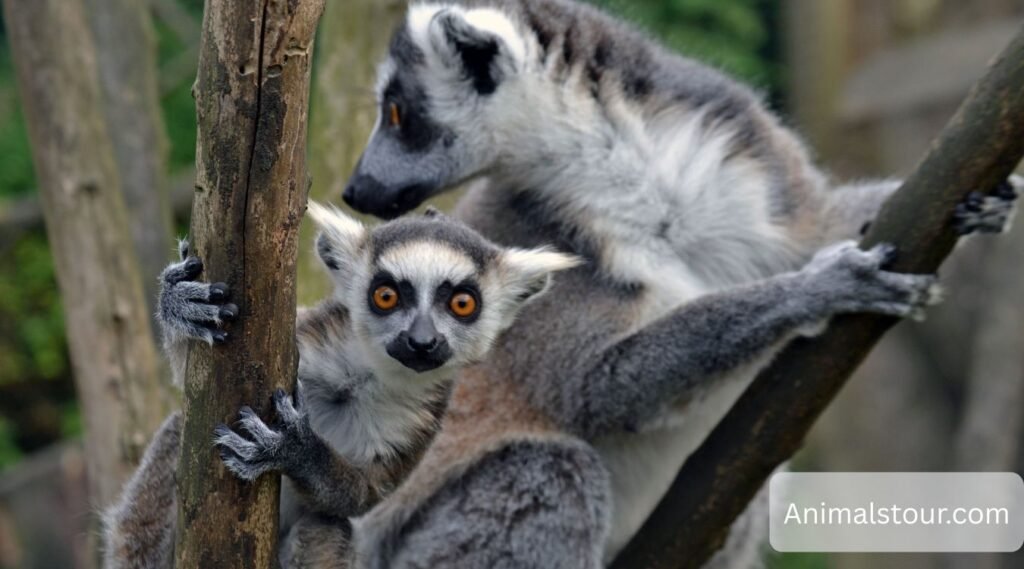
| Lemur | Big eyes, nocturnal traits | Primate, not closely related |
While many animals may appear similar to raccoons, only a few like coatis and kinkajous are closely related. Others share similarities mainly in behavior or appearance.
Final Thoughts
There are many amazing animals in the world that share traits with raccoons. All these animals are smart, sneaky, and very skilled at surviving in the wild. Nature is full of creatures that surprise us with how similar they can be. Learning about these animals helps us appreciate the beauty of wildlife around the world. Every animal plays an important role in keeping nature balanced and healthy.
FAQs
Why do some animals look and act like raccoons?
Animals similar to raccoons develop similar features because they live in similar habitats and eat similar foods. This natural process is called convergent evolution and happens slowly over thousands of years.
Where does most raccoon like animal live in the world?
Most raccoon like animal lives in forests, mountains, and grasslands across North America, South America, and Asia. They prefer areas with plenty of trees, water, and food sources nearby.
Are animals like raccoons dangerous to humans?
Most animals like raccoons are shy and peaceful and try to avoid humans whenever possible. But, animals like Wolverines and Badgers can be fierce if they feel threatened or cornered.