Top 25 Amazing Animals with Long Legs: Life on High Limbs (With Images)
Long legs are one of nature’s most fascinating adaptations. From towering giraffes and elegant flamingos to swift ostriches and long-legged birds, animals with long legs have evolved remarkable ways to survive in their environments. Their impressive height can help them reach food, escape predators, travel through wetlands, run at incredible speeds, or wade through deep water.
In this article, we’ll explore the top 25 amazing animals with long legs, including some of the tallest, fastest, and most unusual species found around the world. Along the way, you’ll discover interesting facts about how these animals use their long limbs and why this unique body feature gives them an advantage in the wild. Get ready to meet some incredible animals living life on high limbs, with images to bring each species to life!
List of Animals with long legs:
Here’s the list of animals having long legs:
- Giraffe
- Flamingo
- Ostrich
- Kangaroo
- Red-footed Booby
- Crane
- Heron
- Stork
- Secretary Bird
- Marabou Stork
- African Wild Dog
- Camel
- Horse
- Zebra
- Gazelle
- Meerkat
- Sand-hill Crane
- Egret
- Moose
- Greater Rhea
- Wildebeest
- Okapi
- Tarantula Hawk Wasp
- Fishing Spider
- Alaskan Moose
Detailed Look At Animals With Long Legs:
Giraffe
Scientific Name: Giraffa camelopardalis
Class: Mammalia
Diet: Herbivore (leaves, twigs, fruits)
No discussion of animals with long legs would be complete without the giraffe, the tallest land animal on the planet. Giraffes are not just the tallest land animals. Their long necks, a signature feature, serve not only for reaching high leaves but also play a crucial role in their social interactions.
Moreover, giraffes’ long legs enable them to cross the African savanna with impressive speed and grace. Contrary to the belief that their height limits agility, they can sprint up to 37 miles per hour, making them surprisingly swift despite their lanky appearance. Their height also offers a strategic advantage in spotting predators, granting them a broader view of their surroundings.
This remarkable combination of physical traits not only cements their status as one of nature’s most intriguing creatures but also underscores the intricate ways in which evolution molds survival strategies in the wild.
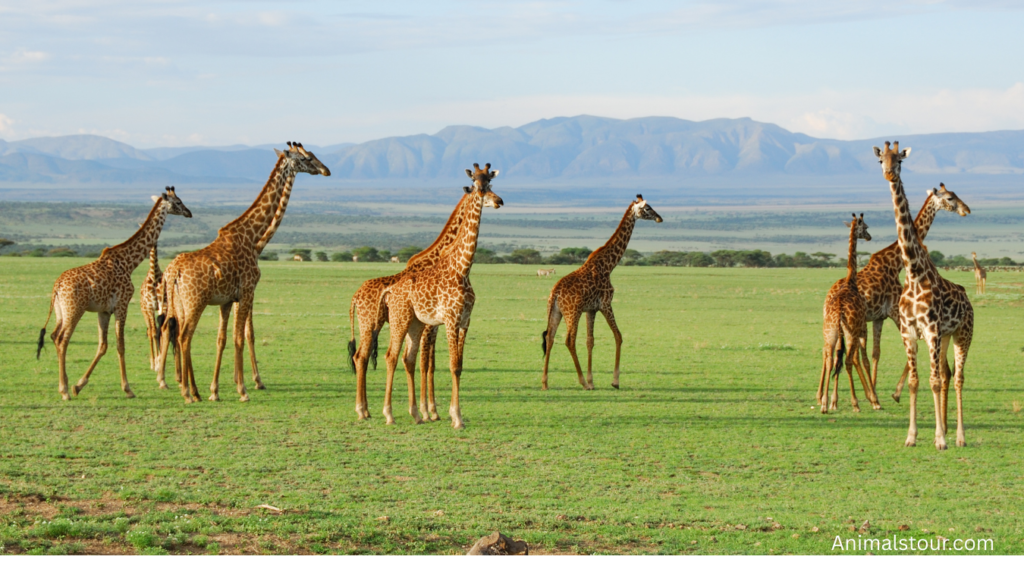
Fun fact: Each giraffe’s coat pattern is unique, like human fingerprints.
Flamingo
Scientific Name: Phoenicopterus roseus
Class: Aves
Diet: Omnivore (algae, crustaceans, small insects)
The flamingo is perhaps the most recognizable long legged creature among birds, instantly identifiable by its vivid pink plumage and impossibly thin, stilt-like legs. Flamingos are more than just their striking pink feathers, their long legs are a masterpiece. Their legs allow them to wade gracefully through shallow waters, foraging for food hidden beneath the surface.
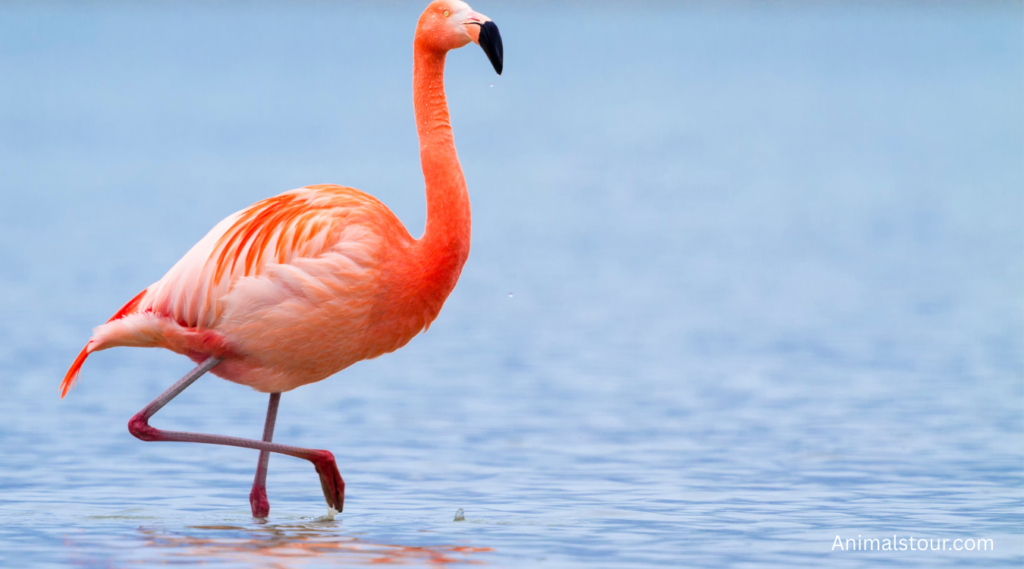
Their skeletal structure is perfectly adapted for life in wetlands. It enables them to balance on one leg. This is a position often seen during rest. The long legs of these magnificent birds are not just a means of mobility, they are an integral part of their identity, influencing their behavior, well being, and even the ecosystems they inhabit.
As they stir up the sediment while feeding, they access a wider range of food sources, ensuring a colorful, healthy glow. By walking through diverse aquatic environments, flamingos not only thrive but also contribute to the ecological balance.
Fun fact: Flamingos can sleep standing on one leg, reducing muscle fatigue.
Ostrich
Scientific Name: Struthio camelus
Class: Aves
Diet: Omnivore (plants, seeds, insects, small vertebrates)
With legs that can stretch up to nine feet, the ostrich embodies the power of adaptation in the animal kingdom. These remarkable limbs not only hold the record for being the longest of any bird but also serve as exceptional tools for survival.
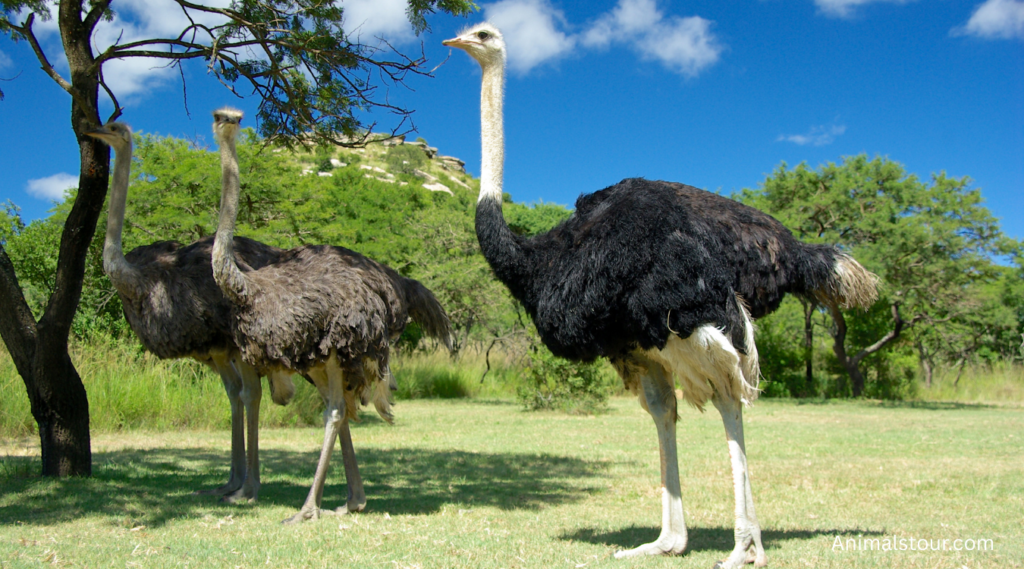
In the open savannas of Africa, their long legs enable swift movement, allowing them to reach speeds of up to 45 miles per hour, outpacing most predators. Among long legged animals, the ostrich stands out as proof that long limbs can be built purely for raw speed and power.
Moreover, ostriches are not just built for speed, their legs play a crucial role in their social interactions.
During mating displays, male ostriches will perform elaborate dances, using their long legs to create an impressive visual spectacle that demonstrates their strength and vitality.
Fun fact: Ostriches lay the largest eggs of any living bird.
Kangaroo
Scientific Name: Macropus rufus
Class: Mammalia
Diet: Herbivore (grass, leaves, shrubs)
Kangaroos are unmistakable animals with long legs, but their leg structure is built for hopping rather than walking or running in the traditional sense. Having long legs is an essential trait for survival in the dry Australian outback. With a single leap, a kangaroo can travel up to 30 feet, showcasing a natural elegance that belies their robust stature.
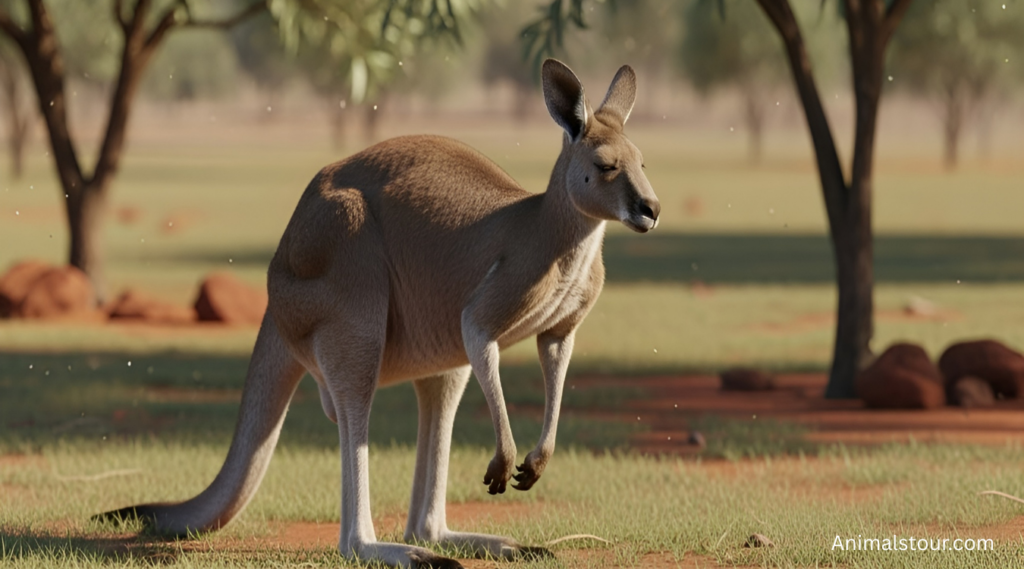
Moreover, these elongated limbs serve a dual purpose beyond mere transportation. When standing, a kangaroo uses its powerful hind legs to maintain balance and agility, allowing them to pivot and shift direction swiftly, a tactic that is essential for evading predators.
Their hind legs also play a crucial role in social interactions, during courtship, males often engage in boxing matches, showcasing their strength and agility, while their tails provide added support, allowing them to stay upright during these displays.
This remarkable combination of strength, grace, and efficiency truly sets kangaroos apart as one of nature’s fascinating marvels. As a marsupial example of animals with long limbs, the kangaroo demonstrates a completely different evolutionary solution to the challenge of covering ground efficiently.
Fun fact: Kangaroos can leap over 9 meters in a single bound.
Red-footed Booby
Scientific Name: Sula sula
Class: Aves
Diet: Carnivore (fish, squid)
The Red-footed Booby’s long legs contribute to their vibrant social dynamics. They engage in intricate courtship displays that involve lots of foot-shuffling and elaborate movements, where the brightness of their feet becomes a focal point in mating rituals.
This eye-catching attribute not only attracts potential mates but also communicates health and vitality among peers. As these birds socialize on remote islands, it’s fascinating to consider how such seemingly simple features serve multifaceted purposes in their ecosystem, intertwining elegance with survival.
Emphasizing their long legs invites us to appreciate the subtleties in birdwatching; sometimes, true beauty lies not just in color but in the harmony of physique and behavior.
Witnessing a flock of these graceful birds, you cannot help but be drawn into the intricate dance of nature’s design.
Fun fact: They have bright red feet used in mating displays.
Crane
Scientific Name: Grus grus
Class: Aves
Diet: Omnivore (plants, insects, small animals)
The crane, with its elegant long legs, embodies a perfect blend of grace and adaptability. These limbs aren’t just for show, they are vital for wading through shallow waters and navigating muddy lands.
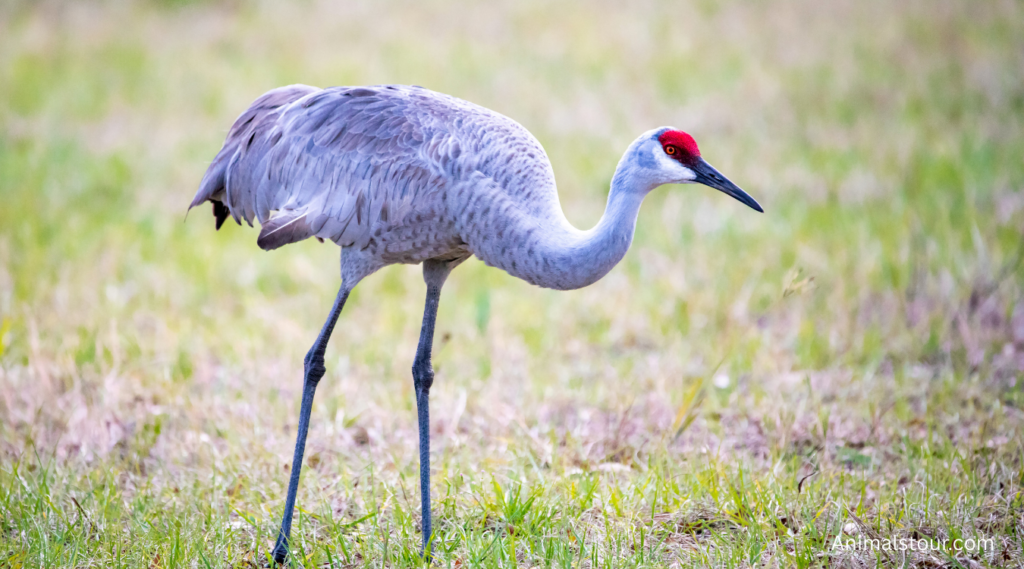
As the bird stirs the remains below, it uncovers hidden treasures, delicate fish and crustaceans that most predators can only dream of. This unique foraging behavior showcases not only the crane’s physical skill but also its critical role in maintaining the health of aquatic ecosystems.
In folklore, cranes often represent wisdom, longevity, and the cyclical nature of life, teaching us about the delicate balance between existence and the environment. Observing their slow, deliberate movements can remind us to appreciate the beauty in patience and the rewards of meticulous effort. Ultimately, the crane is a reminder that elegance often lies in the harmony of form and function.
Fun fact: Cranes mate for life and often return to the same nesting area every year.
Heron
Scientific Name: Ardea cinerea
Class: Aves
Diet: Carnivore (fish, amphibians, small mammals)
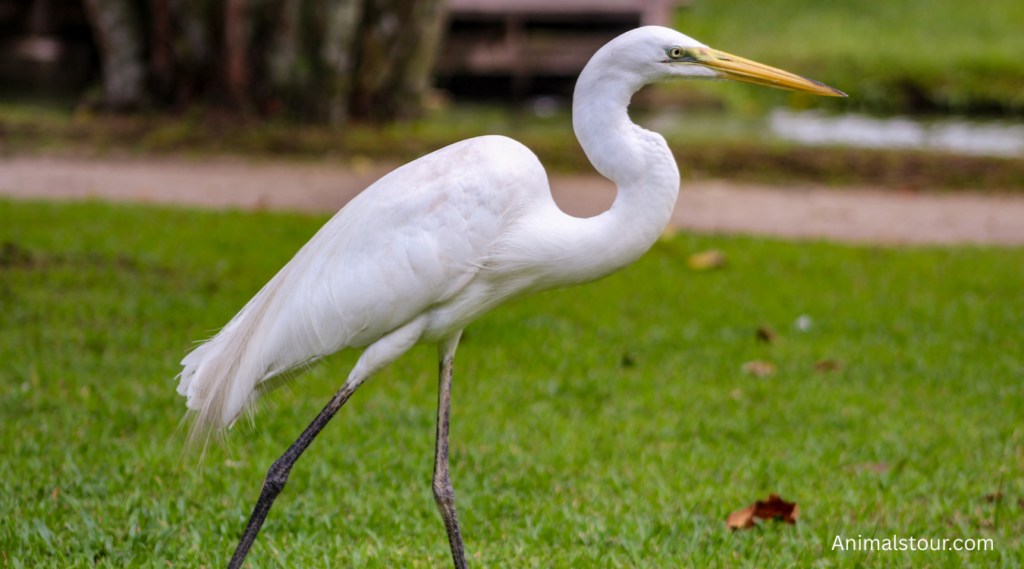
Herons are fascinating birds that embody a sleek combination of grace and tenacity. With long legs that seem to defy gravity, they wade through shallow waters, showcasing their unique hunting techniques. Often seen standing still for extended periods, these patient predators wait for the perfect moment to strike, their necks poised to snap into action as they snare fish and other aquatic delicacies.
Their leggy silhouette against the shimmering water not only captivates wildlife enthusiasts but also serves a practical purpose. These birds often venture beyond wetlands, making appearances in urban areas where they hunt in parks and lakes, offering city dwellers a rare glimpse into the wild. With every graceful flight and deliberate move, herons remind us of nature’s resilience and the delicate balance that sustains their existence.
Fun fact: Herons have a specialized neck called an “S-neck” that helps them strike rapidly.
Stork
Scientific Name: Ciconia ciconia
Class: Aves
Diet: Carnivore (insects, frogs, small reptiles)
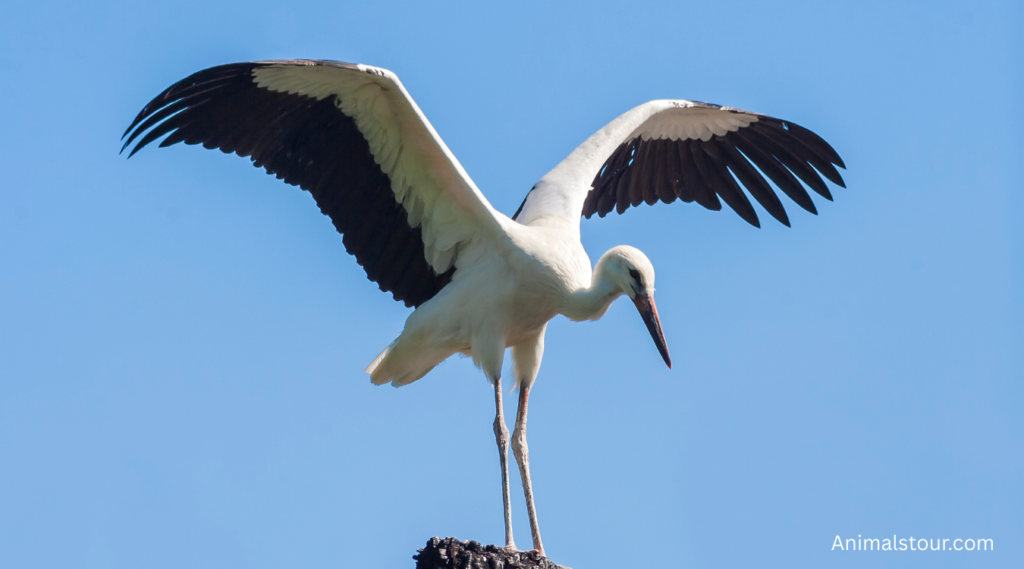
Storks are fascinating birds that not only grace our skies but also hold a unique symbolic place in various cultures. With their long legs and distinctive necks, these elegant creatures are often misunderstood, pigeonholed into folklore as mere harbingers of new life.
Storks thrive in diverse habitats, from wetlands to fields, where they play a crucial part in maintaining ecological balance. Their diet is equally intriguing, consisting of small fish, amphibians, and even insects. This omnivorous appetite makes them valuable players in controlling pest populations.
Observing a stork hunting is a lesson in patience; they stand perfectly still, waiting for the right moment to strike. As we further explore their behaviors, we discover that storks live in complex social structures, often returning to the same nesting sites each year.
Fun fact: Storks are migratory and can fly thousands of kilometers to reach wintering grounds in Africa.
Secretary Bird
Scientific Name: Sagittarius serpentarius
Class: Aves
Diet: Carnivore (snakes, insects, small mammals)
The Secretary Bird, with its striking long legs and elegant neck, is a marvel of evolution, perfectly designed for the grasslands and savannas of Africa. The secretary bird is one of the most distinctive animals with long legs in Africa, resembling a bird of prey balanced on the legs of a crane.
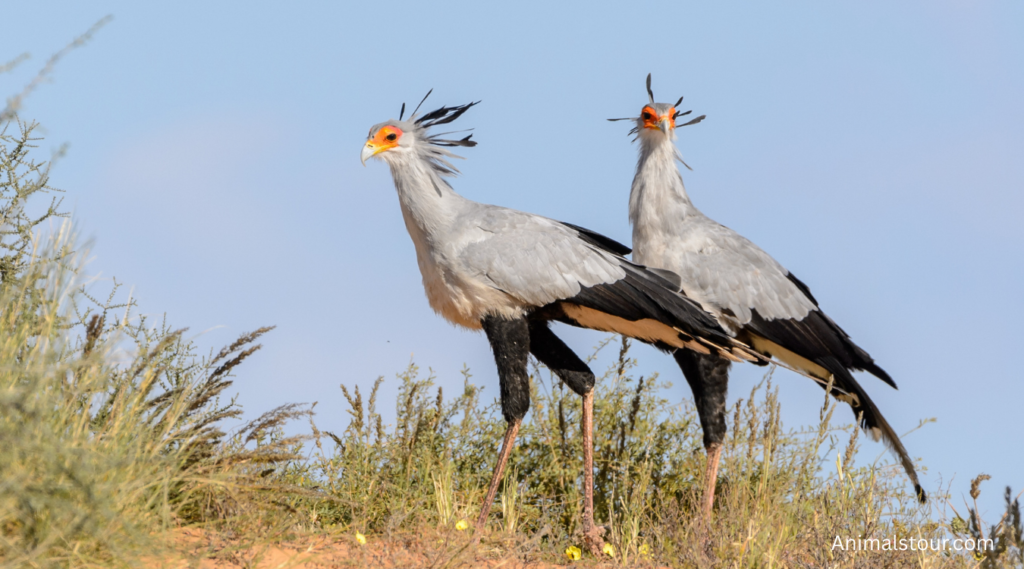
Unlike other birds of prey, it hunts primarily on foot, relying on its impressive vision and expert movements to locate and capture food.
Often seen striding gracefully across the plains, this unique bird doesn’t just rely on its size, it’s a master at spotting snakes and other small animals, making it a crucial part of the ecosystem.
The bird’s long, slender neck allows for keen observation, ensuring that it can react quickly and effectively. Observing this majestic creature in action feels like witnessing nature’s endless ingenuity in motion, revealing how life thrives in even the harshest conditions.
Fun fact: Secretary birds can kill venomous snakes with precise kicks, making them specialized hunters.
Marabou Stork
Scientific Name: Leptoptilos crumenifer
Class: Aves
Diet: Scavenger (carrion, fish, small mammals)
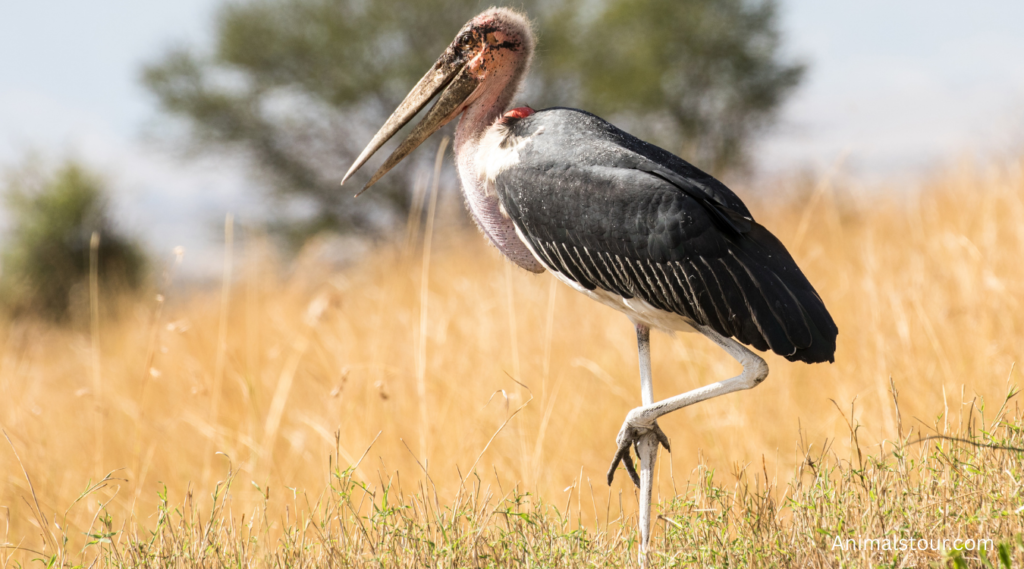
The Marabou Stork, often dubbed the “undertaker bird” due to its appearance. With long, spindly legs and a massive wingspan, it is the symbol of both grace and disarray in the wild. These birds thrive in diverse habitats across Africa, often found near water bodies, where they can effortlessly scavenge for food. Their diet mainly consists of carrion, but they aren’t picky eaters.
They will also feast on fish and small mammals. One of the most captivating features of the Marabou Stork is its neck, which serves as a vital tool for survival. The bare skin around their neck helps regulate body temperature, an essential adaptation for living in hot climates.
Fun fact: Marabous are sometimes called “undertaker birds” because of their dark plumage and scavenging habits.
African Wild Dog
Scientific Name: Lycaon pictus
Class: Mammalia
Diet: Carnivore (antelope, rodents, birds)
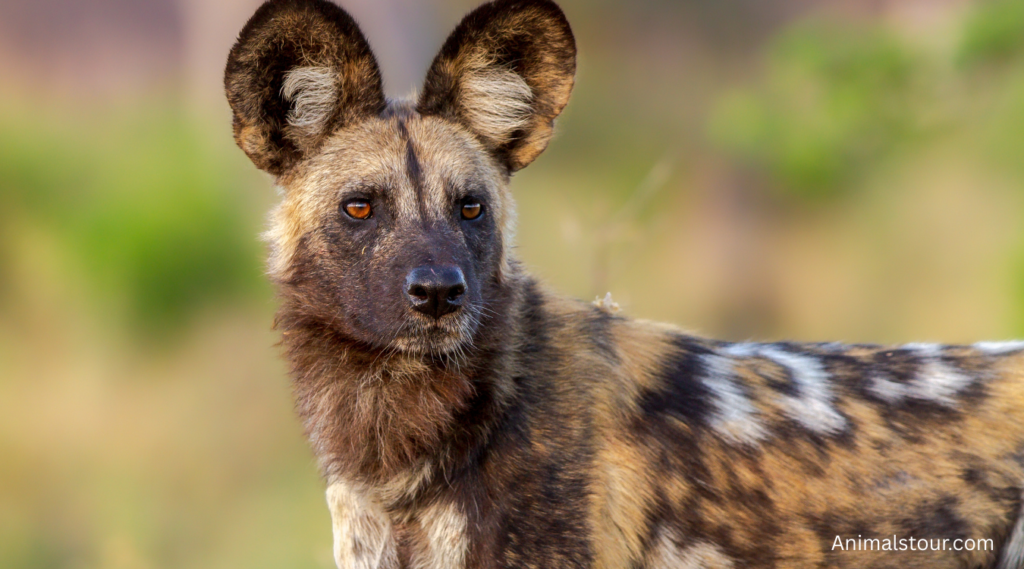
African wild dogs, renowned for their patterned coats and highly social nature, are fascinating examples of teamwork in the animal kingdom. A pack’s success relies on their well-coordinated hunting strategies, where they pursue prey over long distances. These dogs exhibit remarkable tolerance, sometimes running for hours just to secure food, with their strong legs serving as crucial assets in these high-stakes chases.
These long legged animals are built for endurance rather than short bursts of speed, allowing packs to chase prey such as antelope over long distances until exhaustion sets in. A unique characteristic of the African wild dog is their method of communication. Through a series of vocalizations and body postures, they maintain cohesion within their pack, ensuring that every member knows when and where to move.
This deep social bond extends beyond mere survival. It fosters a nurturing environment where stronger individuals often help feed the weaker ones. A wounded or elderly dog, for instance, is often supported by the pack, illustrating its commitment to collective well-being, even when it involves sharing the scant resources they find in their arid habitats.
Fun fact: African wild dogs have a unique hunting strategy where they relay-run, taking turns chasing prey to conserve energy.
Camel
Scientific Name: Camelus dromedarius
Class: Mammalia
Diet: Herbivore (dry grasses, shrubs, desert plants)
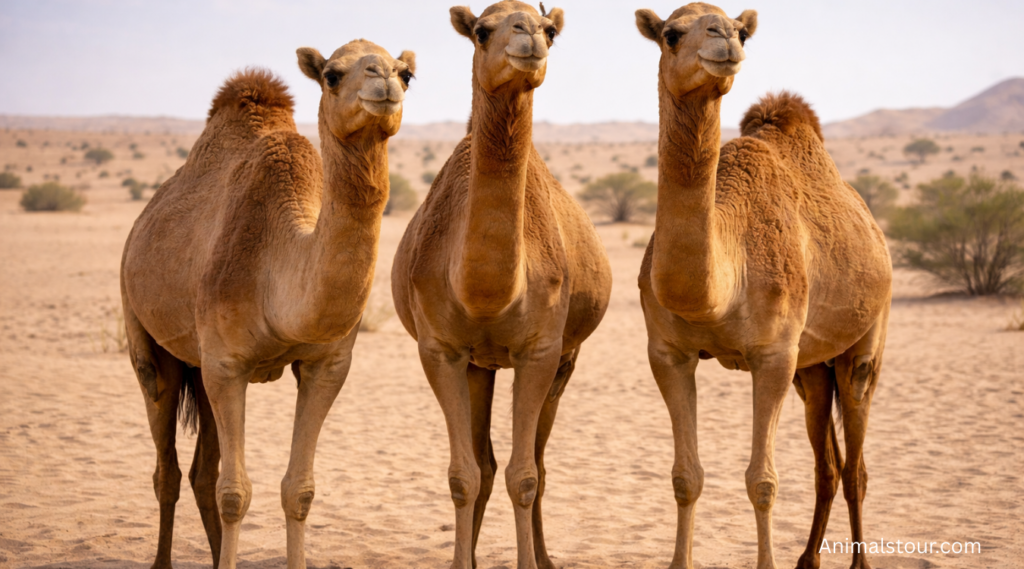
Camels, with their long legs and unique adaptations, are marvels of the desert landscape. These incredible creatures not only carry heavy loads across sands but also have perfected the art of living in harsh environments.
Their long legs elevate them above the hot ground, allowing for efficient movement while minimizing heat absorption. This adaptation is complemented by their ability to withstand significant periods without water, storing energy and hydration for days, which is essential for survival in dry climates.
Fun fact: Camels can run at speeds up to 65 km/h in short bursts.
Horse
Scientific Name: Equus ferus caballus
Class: Mammalia
Diet: Herbivore (grass, hay, grains)
Horses are powerful, athletic long legged animals whose leg structure has been refined over millions of years of evolution for speed and endurance. The horse, a symbol of grace and strength, thrives on a diet that is as diverse as its personalities. These majestic creatures have evolved to digest fibrous plants, relying on grasses and grains to fuel their powerful bodies.
When fed the right food, horses develop not just strong muscles but also strong legs. Their strong legs enable them to run at impressive speeds while navigating challenging land.
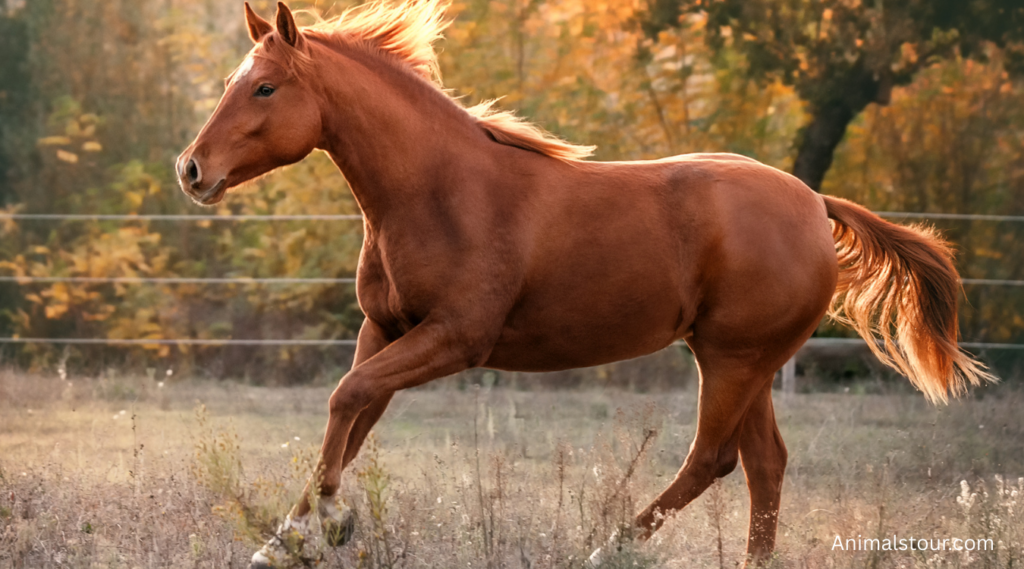
A horse’s neck, often viewed merely as a structural feature, serves as a dynamic and expressive component of its anatomy. The flexibility and strength of a horse’s neck play crucial roles in communication and balance, allowing them to adjust their posture and maintain poise while in motion.
This unique characteristic not only supports their powerful frame but enhances their ability to forge bonds with humans.
Fun fact: Horses can sleep both standing up and lying down, using a “stay apparatus” in their legs to lock joints while standing.
Zebra
Scientific Name: Equus quagga
Class: Mammalia
Diet: Herbivore (grass, leaves)
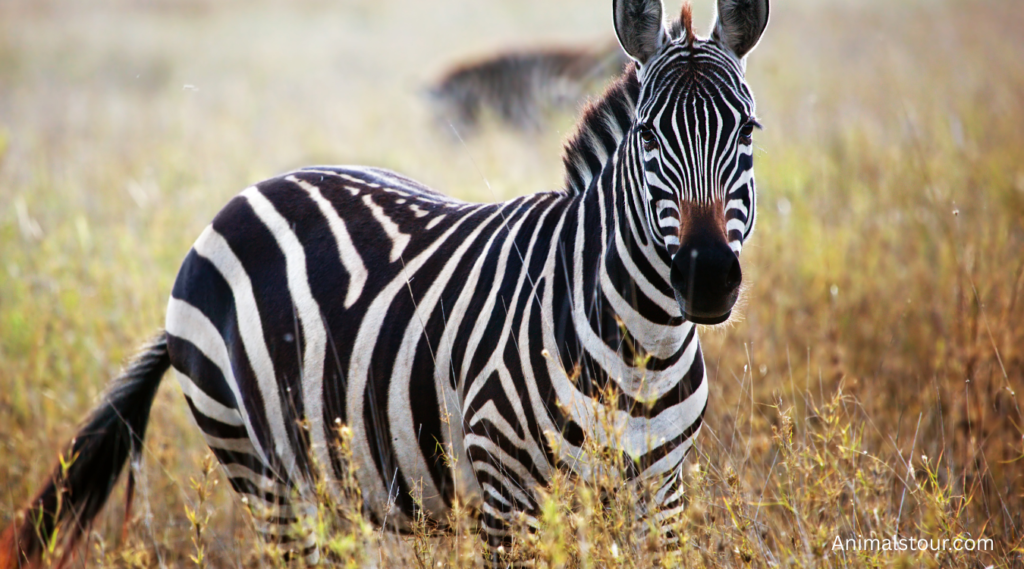
Zebras are marked with their iconic black and white stripes. Living in herds, these fascinating creatures rely on their social structure for survival, with each member playing a unique role. You might think those stripes are purely for camouflage against predators, but they also serve as a means of communication and help regulate body temperature in their native lands.
Their diet is mainly grass, but zebras are also known to nibble on bark and leaves, displaying an impressive adaptability in the wild. With sturdy legs built for speed, they can quickly escape threats, but they often graze peacefully, using their long necks to reach tasty morsels high up on shrubs.
The interplay of their diet and anatomy illustrates nature’s intelligent designs, ensuring that zebras thrive in harsh environments while maintaining their social bonds.
Fun fact: Each zebra’s stripe pattern is unique, much like fingerprints.
Gazelle
Scientific Name: Gazella gazella
Class: Mammalia
Diet: Herbivore (grass, leaves, shoots)
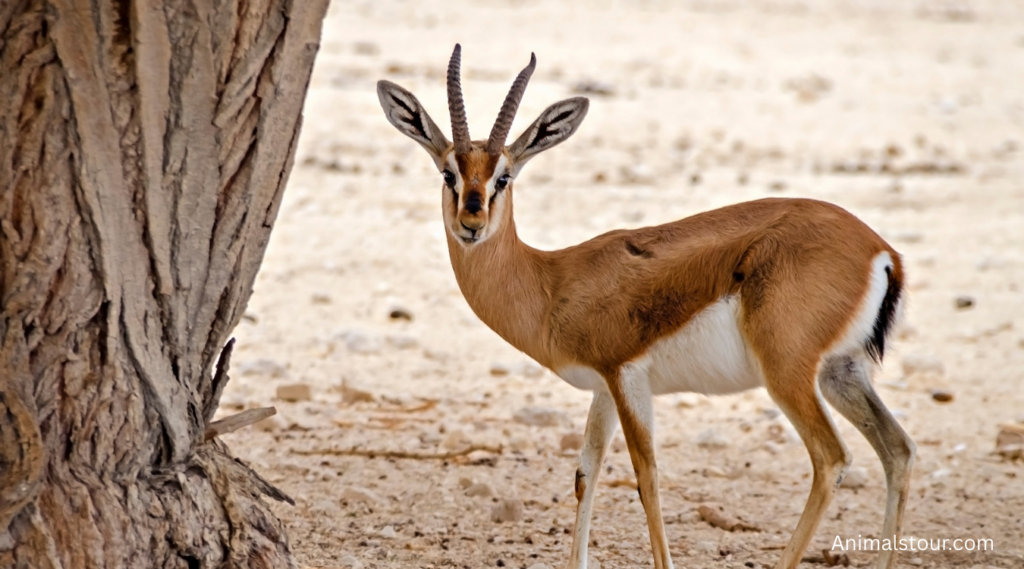
With their slim frames and graceful movements, gazelles move quickly in the wild. These remarkable creatures can reach speeds of up to 60 miles per hour, thanks to their powerful legs designed for rapid acceleration and swift turns. Observing a gazelle in full sprint is a reminder of the sheer joy of living freely, a dance between survival and freedom in the vast land.
Beyond their swift legs, gazelles display a fascinating relationship with their environment, particularly when it comes to their diet. They primarily graze on open grasslands, using their keen eyesight to locate nutritious food sources. Their long necks give them the advantage of reaching tender shoots just out of reach for many other herbivores, allowing them to thrive where competition is fierce. Among animals with long limbs, few combine elegance and pure athletic performance quite like the gazelle.
Fun fact: Some gazelles can leap over 3 meters in a single bound. Grasses, leaves, and shoots are their primary sources of food and they can survive on little water.
Meerkat
Scientific Name: Suricata suricatta
Class: Mammalia
Diet: Omnivore (insects, small reptiles, fruits)
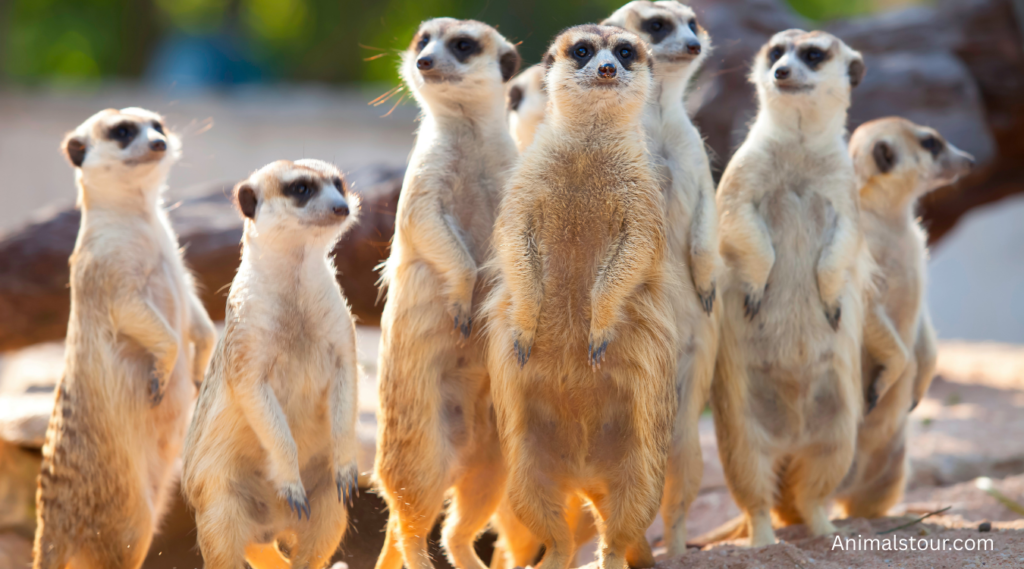
Meerkats are fascinating creatures that offer more than just their adorable appearance. These small mammals, native to the arid regions of Southern Africa, are adept at living in harsh environments
Their keen sense of sight, bolstered by those sharp, agile legs, allows them to stand upright for hours, scanning the land for potential threats or sources of food. It’s not only their physical traits that contribute to their survival, their complex social structure also plays a crucial role in ensuring the safety of their group. Their diet primarily consists of insects, but they also relish the occasional small snake or plant matter.
Fun fact: Meerkats take turns acting as sentries, standing on their long legs to watch for danger while others forage.
Sand hill Crane
Scientific Name: Antigone canadensis
Class: Aves
Diet: Omnivore (plants, insects, small vertebrates)
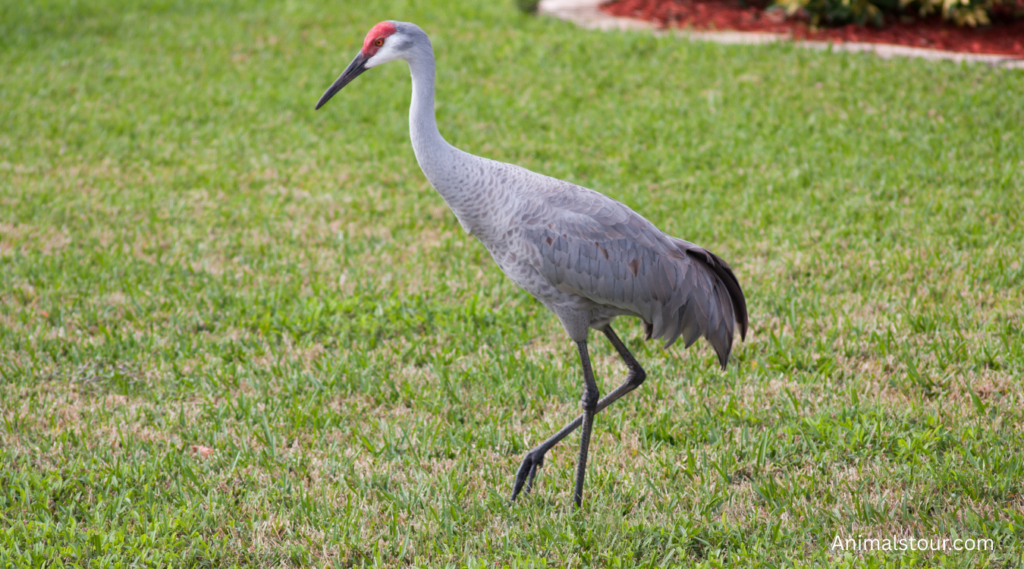
Sand hill cranes are truly remarkable birds. With their long, spindly legs, they gracefully navigate wetlands and grasslands alike, showcasing a unique mode of living that allows them to forage for food among water and seeds. The Sandhill Crane is one of North America’s most iconic long legged creatures, known for its haunting calls and massive migratory flocks.
Their diet primarily consists of grains, insects, and small vertebrates, making them essential players in their ecosystems. This diverse palate not only sustains their health but also highlights their role in maintaining ecological balance. Each year, they travel thousands of miles, demonstrating an impressive sense of direction and social cohesion. Their elaborate courtship dances characterized by jumping, bowing, and callings.
Fun fact: Sandhill cranes perform elaborate dances involving bows, leaps & wing flaps during courtship.
Egret
Scientific Name: Egretta garzetta (Little Egret)
Class: Aves
Diet: Carnivore (fish, amphibians, insects)
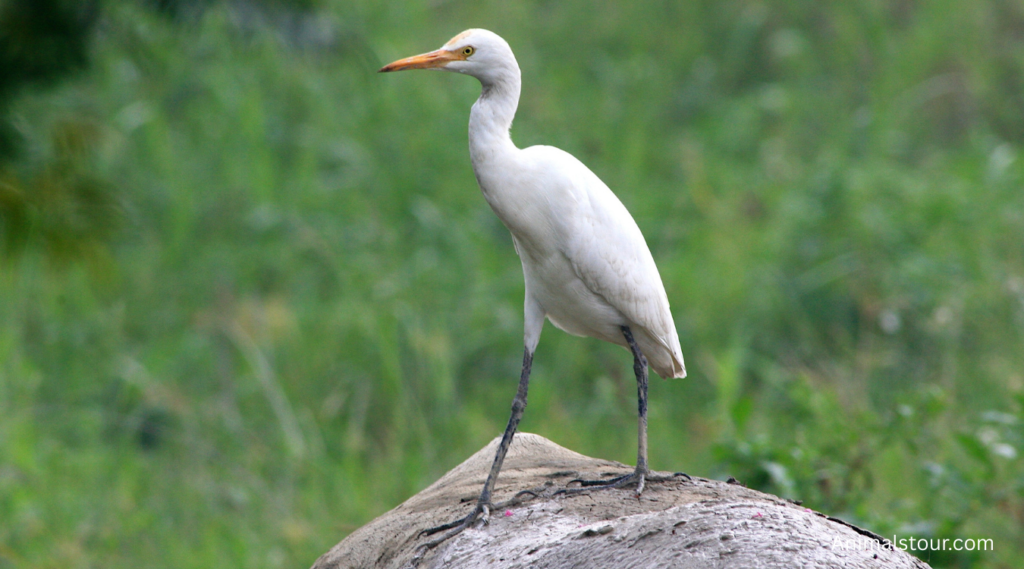
Egrets are fascinating creatures that showcase a unique blend of grace and adaptability.
With their long legs, these elegant birds wade effortlessly through shallow waters, hunting for a diverse array of food, from fish to amphibians. They use their sharp eyesight to spot potential meals hiding in the murky depths.
They stand still for long periods, waiting for the perfect moment to strike. Living in wetlands, marshes, and estuaries, egrets play a crucial role in their ecosystems. Not only do they serve as indicators of environmental health, but their feeding habits can help control fish populations, ensuring a balanced aquatic life.
Fun fact: Egrets were once hunted for their feathers, which were used in fashion, leading to conservation efforts.
Moose
Scientific Name: Alces alces
Class: Mammalia
Diet: Herbivore (leaves, twigs, aquatic plants)
Moose, the towering giants of the forest, are notable for their size. With long legs designed for traversing deep snow and marshy landscapes, these creatures embody agility despite their size.
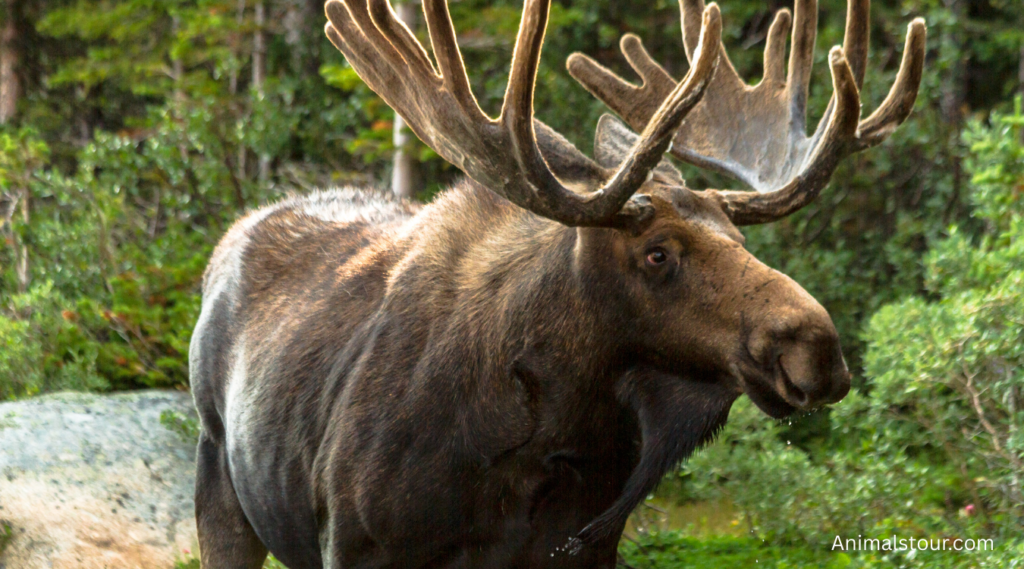
Their height also provides a strategic advantage, allowing them to reach foliage and aquatic plants that other herbivores can only dream of. This impressive browsing ability makes moose crucial players in their ecosystem, promoting plant diversity and shaping the vegetation around them.
Living in a variety of habitats, from boreal forests to wetlands, moose are versatile survivors. Their diet, primarily consisting of leaves, bark, and aquatic vegetation. Interestingly, they require a substantial amount of food to sustain their massive bodies — up to 70 pounds a day during certain seasons.
Fun fact: Moose can run up to 55 km/h over short distances despite their size.
Greater Rhea
Scientific Name: Rhea americana
Class: Aves
Diet: Omnivore (plants, fruits, insects, small animals)
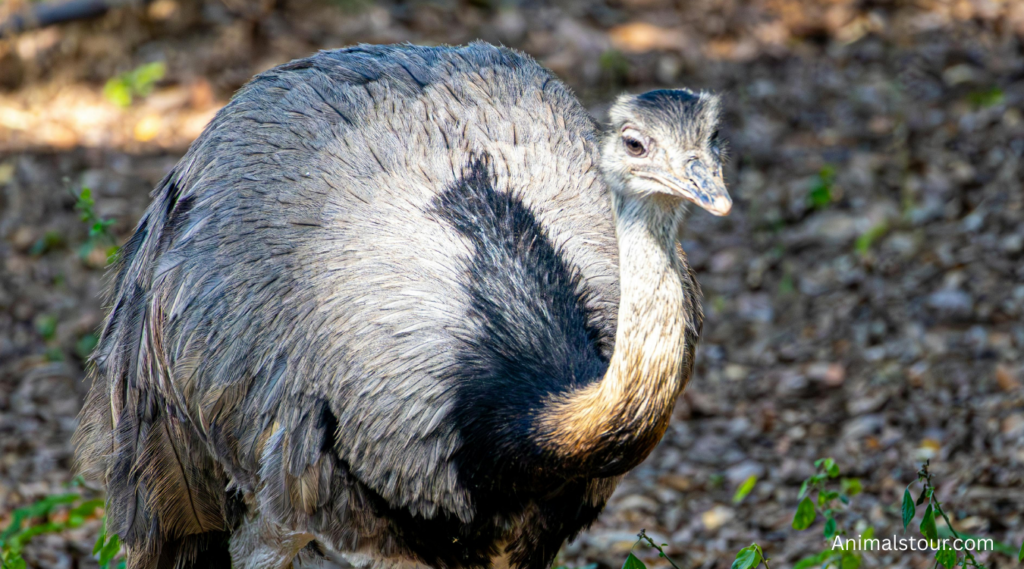
The Greater Rhea, with its long legs and striking appearance, dominates the open landscapes of South America. These giant flightless birds, often mistaken for their ostrich relatives, exhibit a unique and fascinating lifestyle.
Their long legs enable them to traverse large distances in search of food, primarily insects, seeds, and fruits, which they forage from the ground. What sets the Greater Rhea apart is not just its size but also its social structure. They often live in small groups, a behavior that provides safety in numbers against potential predators.
Fun fact: Males incubate eggs from multiple females in a single nest, demonstrating unique parental behavior.
Wildebeest
Scientific Name: Connochaetes taurinus
Class: Mammalia
Diet: Herbivore (grass, leaves)
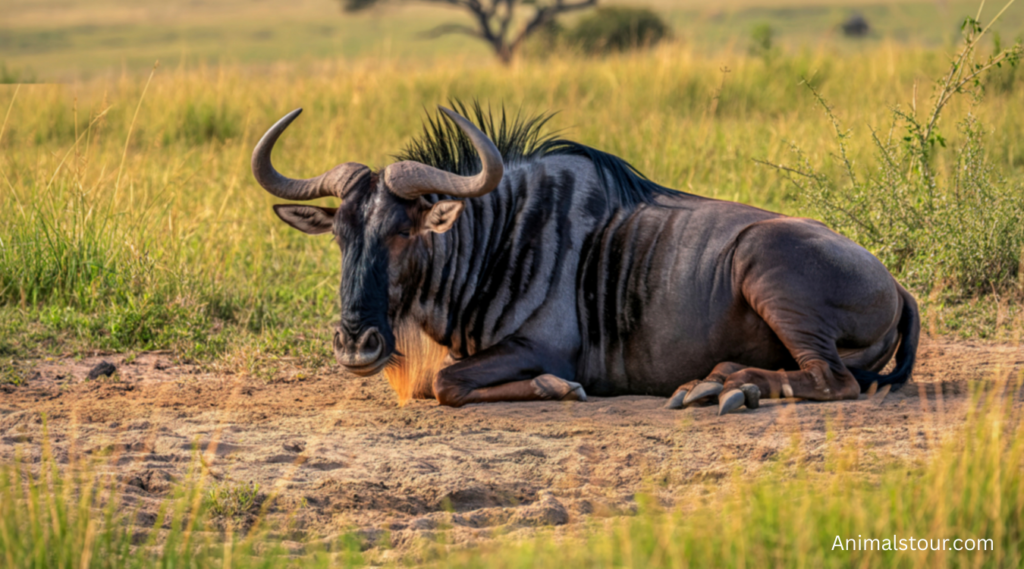
Wildebeests, with their long legs and sturdy bodies, are remarkable athletes of the African savannas. These creatures are not just known for their spectacular migrations, which is a breathtaking journey that sees millions travel but also for their unique adaptations to grazing life.
Their digestive systems are finely tuned to process vast quantities of grass quickly, allowing them to extract essential nutrients while constantly on the move in search of food. Living in large herds fosters a dynamic environment where individuals can communicate effectively, alerting one another to potential predators.
Fun fact: During migration, wildebeests often face rivers full of crocodiles, but their long legs help them wade through deep water.
Okapi
Scientific Name: Okapia johnstoni
Class: Mammalia
Diet: Herbivore (leaves, fruits, shoots)
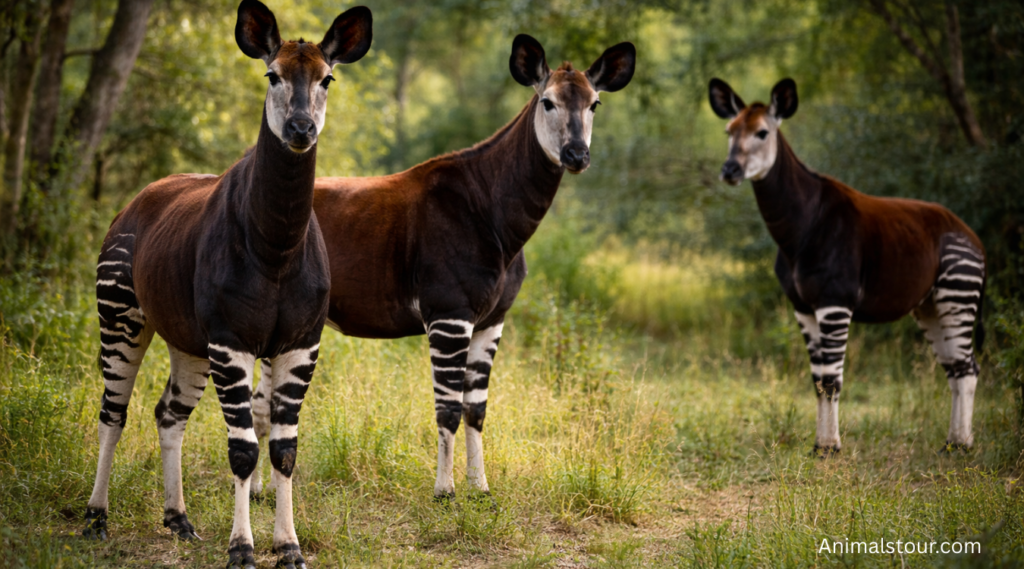
The okapi is often regarded as the forest’s unicorn. With long legs enabling them to navigate the dense underbrush of the rainforest.
Their unique physical attributes not only aid in mobility but also provide them with an extraordinary ability to reach high foliage for food, benefiting from a diet that primarily consists of leaves, fruits, and succulents. The rich, dark brown fur adorned with vertical white stripes on its legs allows it to blend seamlessly into the dappled light of the forest, avoiding predators while living in utter secrecy.
Fun fact: Okapis were unknown to the western world until the early 20th century, earning the nickname “forest giraffe.”
Tarantula Hawk Wasp
Scientific Name: Pepsis grossa
Class: Insecta
Diet: Carnivore (spiders, nectar)
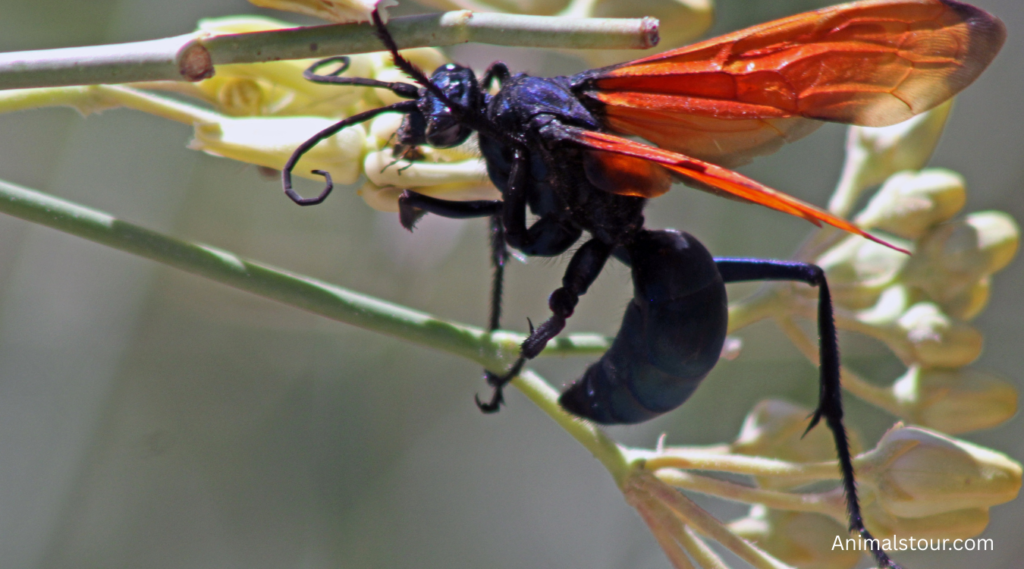
Stepping away from mammals and birds, the tarantula hawk wasp is a striking example of a long legged creature in the insect world. The tarantula hawk wasp is a remarkable creature, instantly recognizable by its long legs and vibrant blue-black body. With a wingspan that can stretch several inches, these wasps are not only striking in appearance but also exhibit fascinating behaviors that set them apart in the insect world.
Once they locate a tarantula, the female tarantula hawk delivers a sting so potent that it ranks among the most painful in the animal kingdom, temporarily paralyzing the spider. Afterward, the wasp lays its egg inside the still-living tarantula.
This ensures that as the larva hatches, it has a ready food supply to feast upon while the spider remains conscious, trapped in a nightmarish fate.
Fun fact: Their sting is one of the most painful in the insect world, though not deadly.
Fishing Spider
Scientific Name: Dolomedes tenebrosus
Class: Arachnida
Diet: Carnivore (small fish, insects, tadpoles)
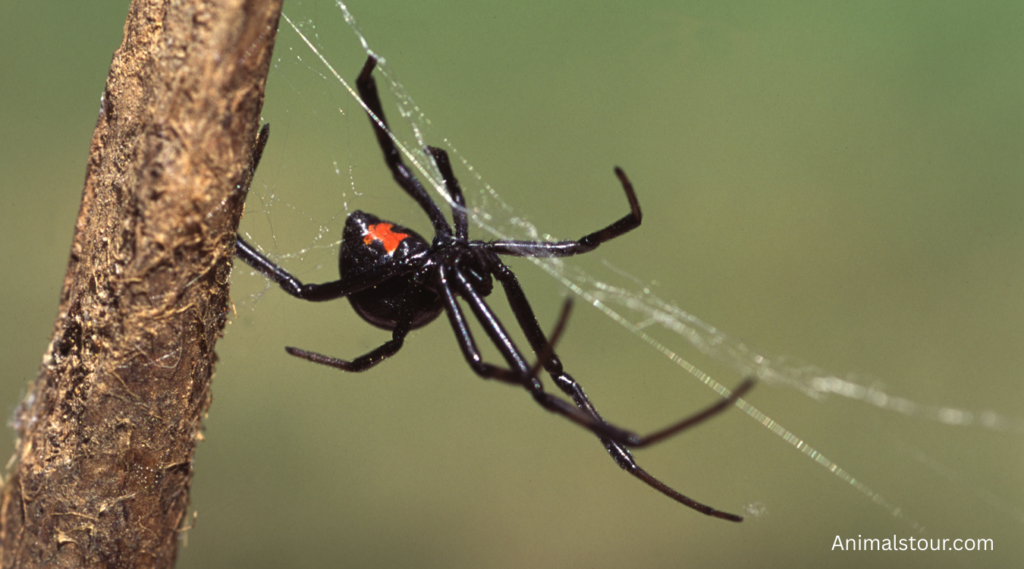
The fishing spider, with its long legs extending outward like a delicate ballet of nature, is a remarkable predator that thrives on the water’s edge.
Often found skimming across the surface of ponds and streams, they exhibit an amazing ability to walk on water, using their width. This unique adaptation not only aids in escaping predators but also positions them expertly to snag their next meal.
Living a life intertwined with aquatic ecosystems, fishing spiders are versatile hunters. They primarily feast on small fish, tadpoles, and even insects that venture too close to the water. Their keen sensory hairs can detect vibrations, allowing them to attack unsuspecting prey with lightning speed. The intricate dance of survival they engage in showcases the delicate balance of life in and around freshwater habitats. This wasp proves that animals with long limbs exist far beyond the world of vertebrates.
Fun fact: They can dive underwater briefly to capture prey or escape danger.
Alaskan Moose
Scientific Name: Alces alces gigas
Class: Mammalia
Diet: Herbivore (leaves, bark, aquatic plants)
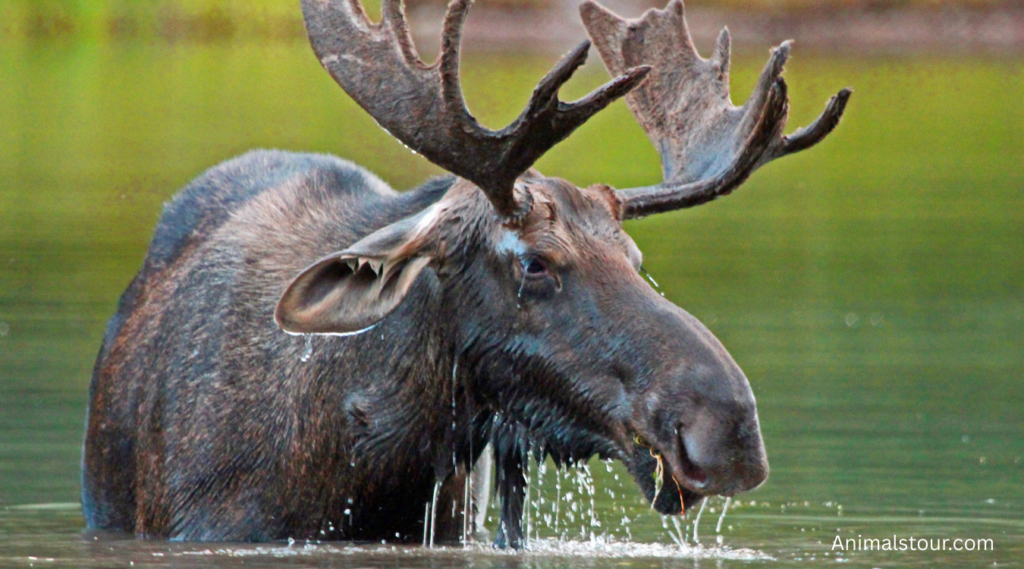
Alaskan moose, with their towering long legs, are a spectacle of nature’s adaptability. They can travel the rough land and deep snow of their northern habitat. Their diet primarily consists of aquatic vegetation, bark, and twigs, but they’re also known to indulge in the occasional feast of willow and birch leaves during the summer months.
Living in the expansive wilderness of Alaska, moose have developed an interesting social structure, often seen solo or in small groups, particularly during mating season. Their striking antlers, which can span up to six feet, serve multiple purposes.
Yet, beyond their physical skill, moose reflect a fascinating aspect of survival, with adaptations finely tuned to thrive in an environment where food can be scarce during harsh winters.
Fun fact: Their legs can be over 1.2 meters long, helping them cross rivers and deep snow.
You can also read about Animals with Long Neck.
Conclusions:
To sum up, Animals with long legs demonstrate just how creatively nature adapts species to their surroundings. Whether it’s the giraffe using its extraordinary height to reach treetop leaves, the ostrich relying on powerful legs for speed, or the flamingo wading through shallow water in search of food, long limbs serve many important purposes in the animal kingdom.
These 25 amazing long-legged animals show that height and leg length can provide advantages in feeding, movement, defense, and survival. From grasslands and forests to wetlands and open plains, these remarkable creatures have developed unique adaptations that make them truly fascinating to observe. The next time you see an animal with unusually long legs, remember that those impressive limbs are much more than just a striking feature, they are an essential part of its survival story.
FAQs:
1: What is the reason that some animals have long legs?
Long legs enable animals to run quickly, access food, navigate water bodies and evade predators as well as moving easily within their habitat.
2: What is the tallest animal that has long legs?
The giraffe is the tallest, has long necks and legs that enable it to access the leaves in trees that are very high.
3: Do long legs occur more in birds or mammals?
The majority are long-legged species in both groups with a few species of birds, such as cranes, herons and ostriches, wading and hunting with their legs, and mammals, such as running and locomotion.
4: Do big legs belong to insects also?
Yes, there are insects with long legs such as tarantula hawk wasps and fishing spiders which try to capture their food, balance and move properly within their surroundings.
5: What are the advantages of long legs to predators?
Long legs provide quickness and agility to predators to hunt prey with ease or inflict powerful blows as is the case with secretary birds and African wild dogs.
6: Why do flamingos stand on one leg?
Flamingos are believed to stand on one leg primarily to conserve body heat, tucking one leg up close to the body while the other supports their weight in the water.