Top 15 Amazing Animals With Thick Fur — Why They Matter
Animals with thick fur are not only marvels of evolution but also play an important role in their ecosystems. In this article, we’ll explore the importance of these remarkable creatures, highlighting their adaptations and the impacts of climate change on their habitats
List Of Animals With Thick Fur:
Here is the List of Animals With Thick Fur:
- Polar Bears
- Arctic Fox
- Musk Ox
- Snow Leopard
- Chinchilla
- Canadian Lynx
- Yak
- Sea Otter
- Siberian Tiger
- Wolverine
- Highland Cow
- Harp Seal
- Alaskan Malamute
- Northern Red Fox
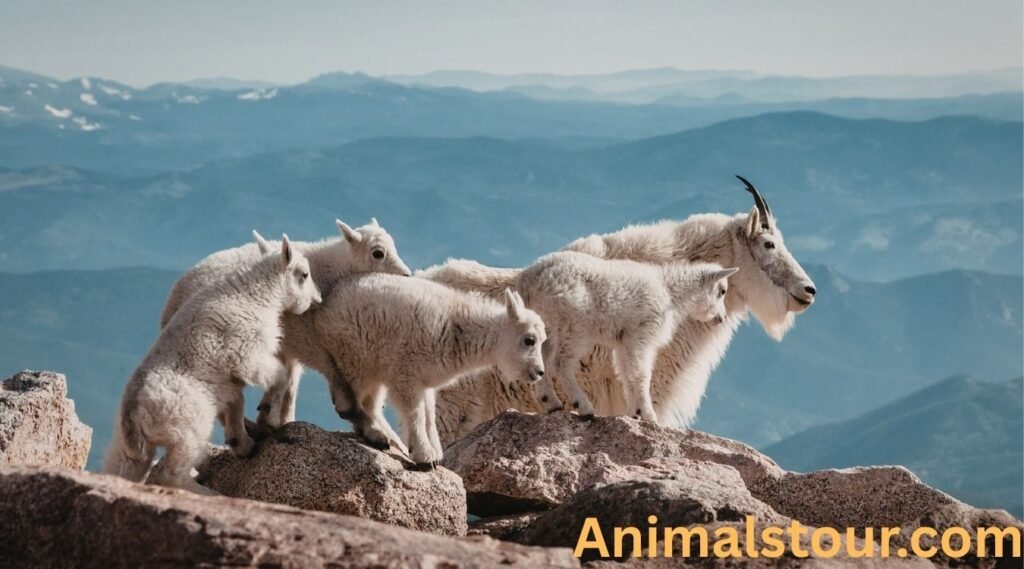
- Mountain Goat
1. Polar Bear:
Scientific Name: Ursus maritimus
Class: Mammalia
Diet:Carnivore
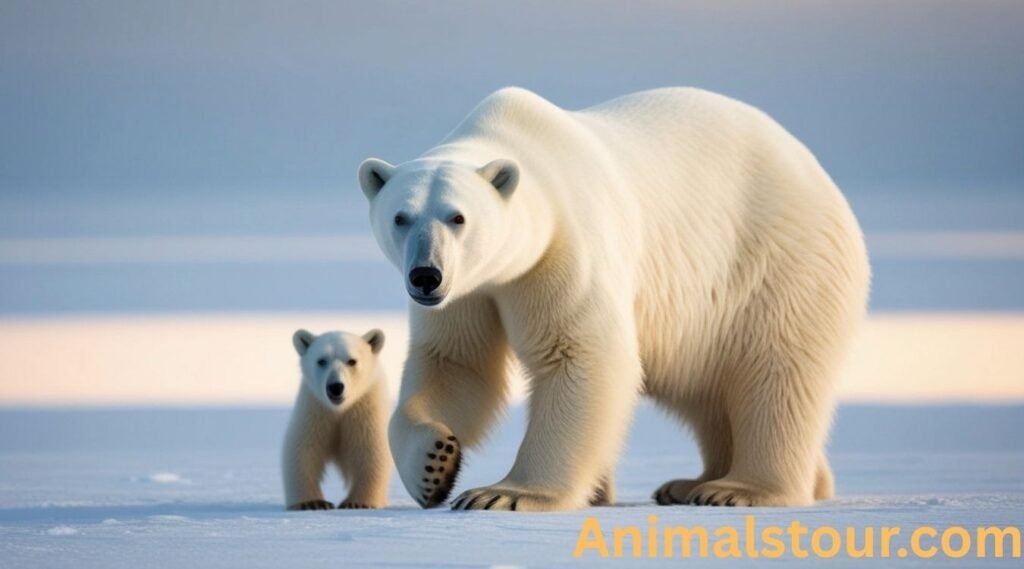
Animals with thick fur, such as the polar bear, play an important role in maintaining the health of our ecosystems. Their fur is not just a physical attribute, it’s an adaptation that allows them to survive in extreme conditions while regulating their body temperature. As Arctic ice melts due to climate change, these magnificent creatures face the challenge of survival, making their thick insulation more critical than ever. The polar bear’s fur also serves as a barrier against ultra violet rays, protecting their skin from damage and enabling them to hunt efficiently in harsh environments.
2. Arctic Fox
Scientific Name: Vulpes lagopus
Class: Mammalia
Diet: Omnivore
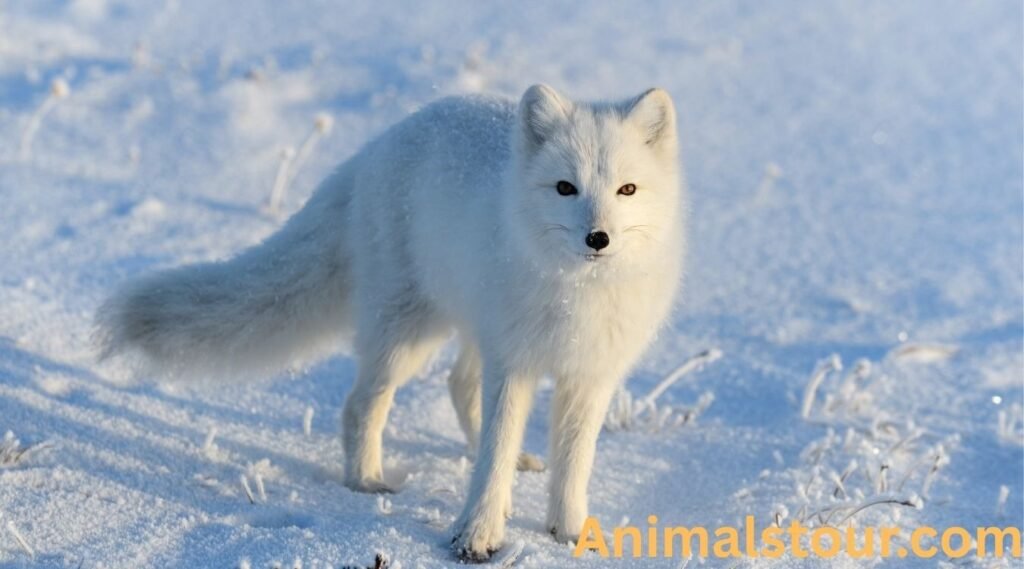
Animals with thick fur, like the Arctic Fox, play a critical role in their ecosystems and offer unique insights into the resilience of nature. Their dense fur not only serves as insulation against extreme temperatures but also highlights the intricate relationships between species and their habitats. The Arctic Fox, with its remarkable adaptability, live in one of the harshest climates on Earth. Its thick, multi-layered coat changes color with the seasons, providing protection against the cold.
Beyond their survival skills, the animals that have fur, serve as indicators of environmental health. The changing patterns of their fur and behavior can signal shifts in climate, such as rising temperatures or melting ice, which affect their prey and overall biodiversity. Protecting species like the Arctic Fox is essential, as they are important in maintaining the balance of their ecosystems. By safeguarding these interesting creatures, we ensure that the natural world continues to live, reminding us of the delicate interconnections within the web of life.
3. Musk Ox
Scientific Name: Ovibos moschatus
Class: Mammalia
Diet: Herbivore
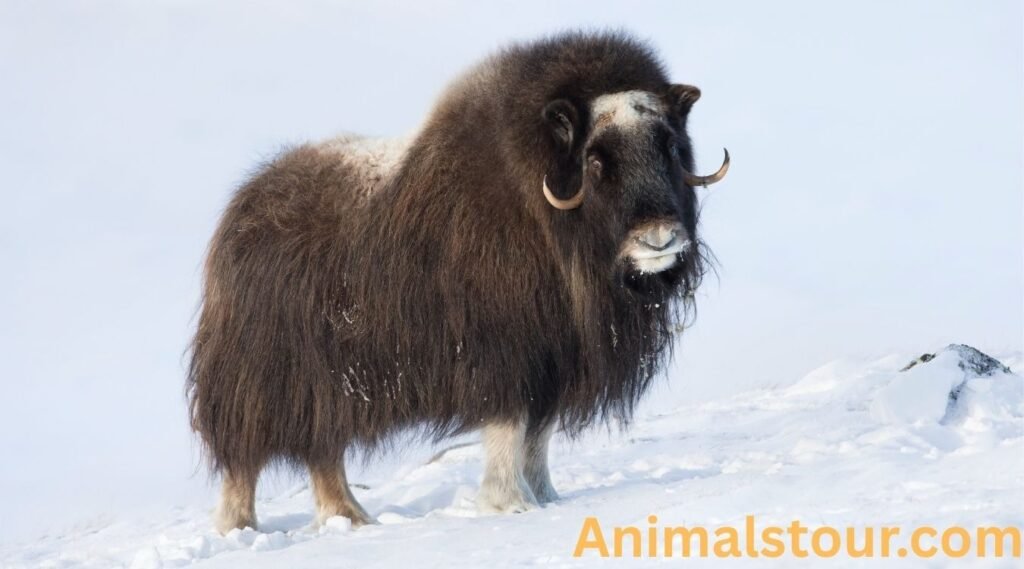
Animals with thick fur, such as the musk ox, are not only attractive due to their appearance,they play a vital role in their ecosystems and serve as indicators of environmental health. The musk ox, with its impressive coat made up of a soft underlayer of wool,called qiviut, helps to live in Arctic habitats. Understanding these adaptations sheds light on how species like the musk ox included in fur coat animals, cope with their harsh environments and highlights the intricate balance of their ecosystems.
4. Snow Leopard
Scientific Name: Panthera uncia
Class: Mammalia
Diet: Carnivore
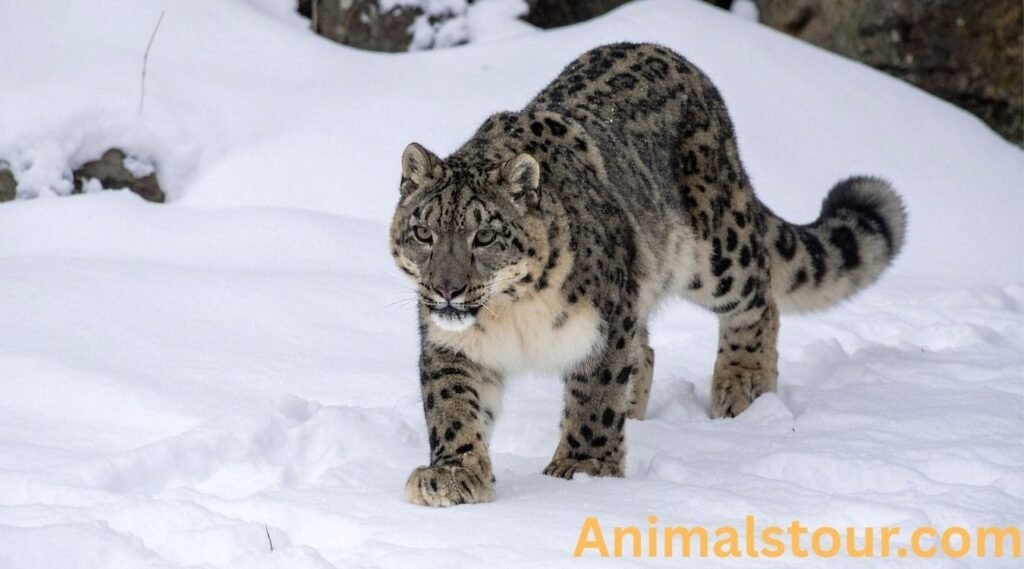
Animals with thick fur, like the elusive snow leopard, serve as vital indicators of ecosystem health. Their luxurious coats not only provide insulation against cold temperatures but also play an important role in helping them blend seamlessly into their mountainous habitats. This incredible adaptation enhances their hunting prowess, enabling them to survive in harsh environments where resources can be scarce.
Beyond their physical adaptations, thick-furred animals play an important role in biodiversity and ecological balance. For instance, snow leopards help regulate the populations of their prey, such as mountain goats and sheep, ensuring that vegetation isn’t overgrazed. However, climate change poses a threat to these majestic creatures, as rising temperatures can disrupt their natural habitats and the delicate balance they maintain. Protecting these iconic species is not just about preserving their beauty; it’s vital for the health of entire ecosystems upon which many other species and, ultimately, human livelihoods depend.
5.Chinchilla
Scientific Name: Chinchilla lanigera
Class: Mammalia
Diet: Herbivore
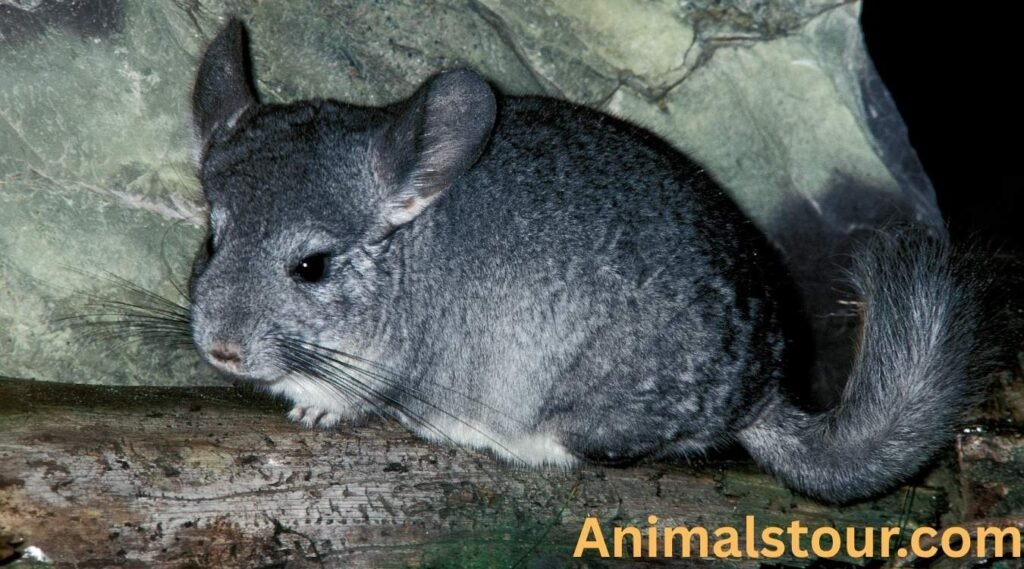
Thick fur serves as a vital adaptation for many animals, especially those living in extreme climates. Take the chinchillahaving short legs and its dense, velvety coat not only helps it withstand cold temperatures in the Andes. The soft texture of their fur is a tactile element that fosters bonding among family units, allowing for grooming behaviors that strengthen relationships and ensure social stability within their groups.Beyond their physiological benefits, animals with thick fur, like the chinchilla or the Arctic fox, exemplify the link between environment and evolution.
These species highlight the importance of biodiversity, as their unique adaptations can be indicators of ecological health. In the face of climate change, understanding and protecting these animals is essential, not just to preserve their existence but also to maintain the balance of the ecosystems they inhabit. Their thick fur is not just a survival tool, it encapsulates the delicate connectivity of life that sustains our planet.
6. Canadian Lynx
Scientific Name: Lynx canadensis
Class: Mammalia
Diet: Carnivore
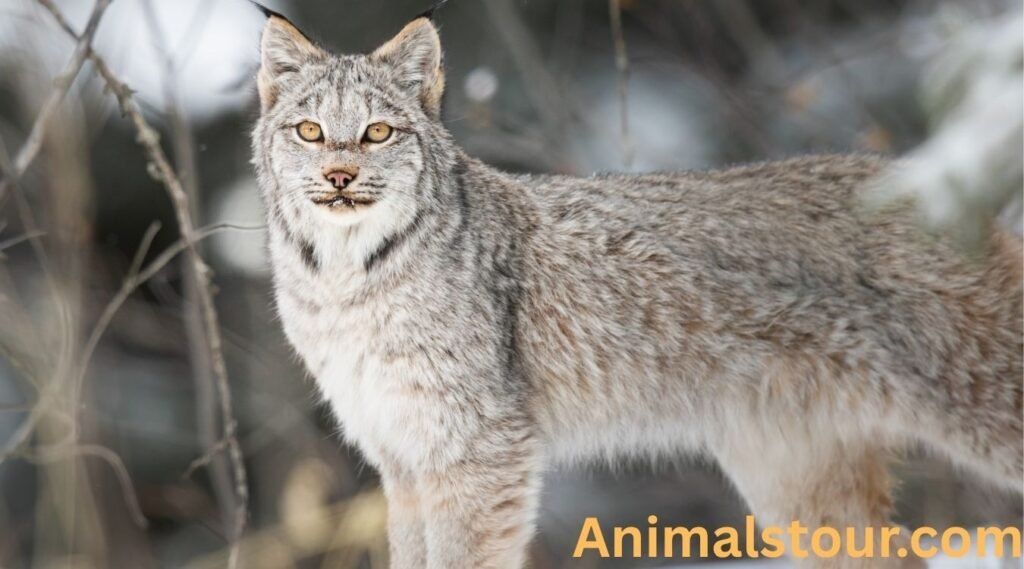
Animals with thick fur, such as the Canadian Lynx included in warm animal , play an important role in maintaining ecological balance. These species are expertly adapted to their cold climates, using their insulating fur not only for warmth but also helps to survive in snowy environments. This ability to blend into their surroundings makes them efficient hunters, they build a relationship between predator and prey that keeps ecosystems healthy.
Beyond their survival adaptations, animals with thick fur serve as indicators of environmental health. For instance, shifts in the habitats of the Canadian Lynx can signal climate change, as rising temperatures threaten their cold-weather ecosystems. And their presence highlights the importance of biodiversity; when lynx populations flourish, so do the myriad species that depend on healthy forests and tundras for their own survival. Understanding these animals offers insights into the broader implications of ecological shifts, reminding us that preserving their habitats is essential for our planet’s well-being.
7. Yak
Scientific Name: Bos grunniens
Class: Mammalia
Diet: Herbivore
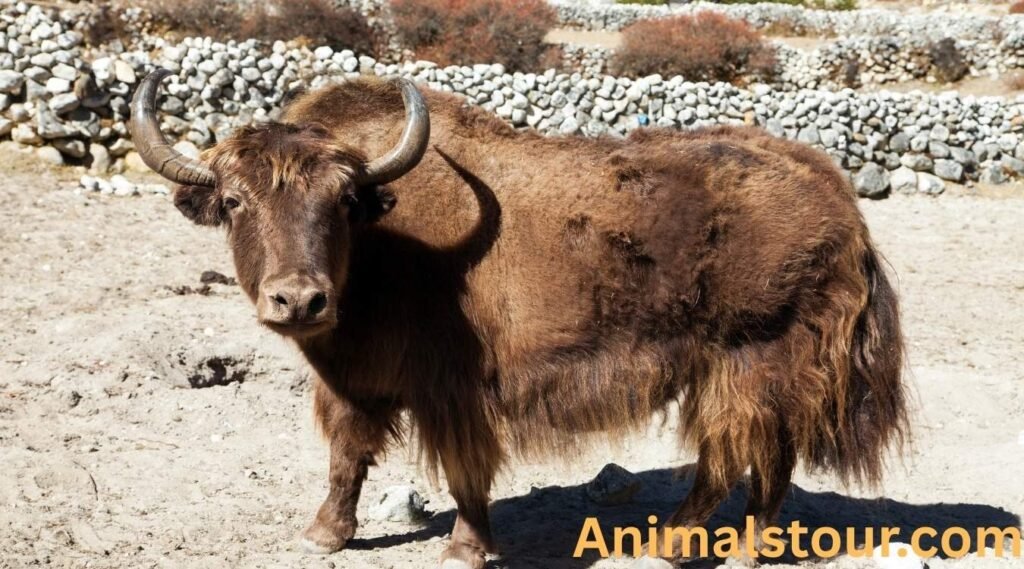
Animals with thick fur, like the yak, play an important role in maintaining ecological balance and supporting human livelihoods. These creatures have evolved robust coats that not only provide insulation against harsh climates but also serve as a vital resource for local communities. Yak fur, for instance, is not just a protective layer against freezing temperatures; it is spun into yarn, woven into textiles, and used in traditional crafts, enabling human populations to sustain their life style
Moreover, the presence of thick-furred animals can show the health of their habitats. By living in extreme conditions, species like the yak act as indicators for climate change and environmental shifts. Their well-being often reflects the overall condition of the alpine ecosystems they inhabit. When we take the time to understand and appreciate these animals, we acknowledge their important role in biodiversity, reminding us that their survival is intricately linked to our own.
8.Siberian Tiger
Scientific Name: Panthera tigris altaica
Class: Mammalia
Diet: Carnivore
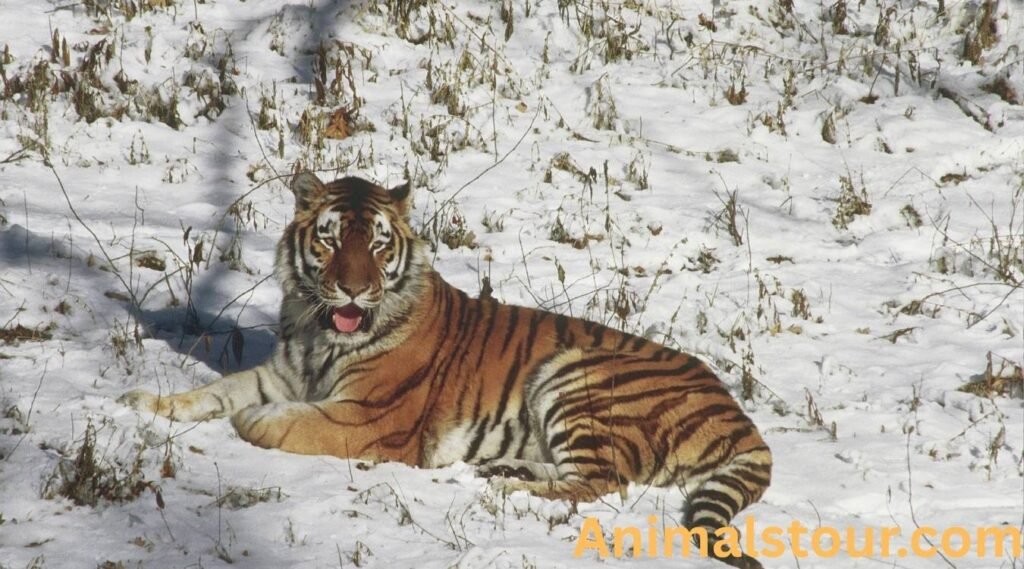
Animals with thick fur, like the Siberian tiger, play an important role in maintaining the balance of their ecosystems. The dense coats of these creatures not only provide protection against harsh climates but also serve as a protector, allowing them to blend seamlessly into their snowy surroundings. Their existence tells us that all creatures have a purpose.
Moreover, thick fur animals are often indicators of environmental health. For instance, the presence of Siberian tigers in their natural habitat signifies a robust ecosystem that supports diverse wildlife. They have sharp teeth and eat deer and boars. By understanding the importance of these animals, we can better understand the relationship between prey and predators an important part of biodiversity and explain the critical need for wildlife conservation efforts to safeguard their futures.
9. Sea Otter:
Scientific Name: Enhydra lutris
Class: Mammalia
Diet: Carnivore
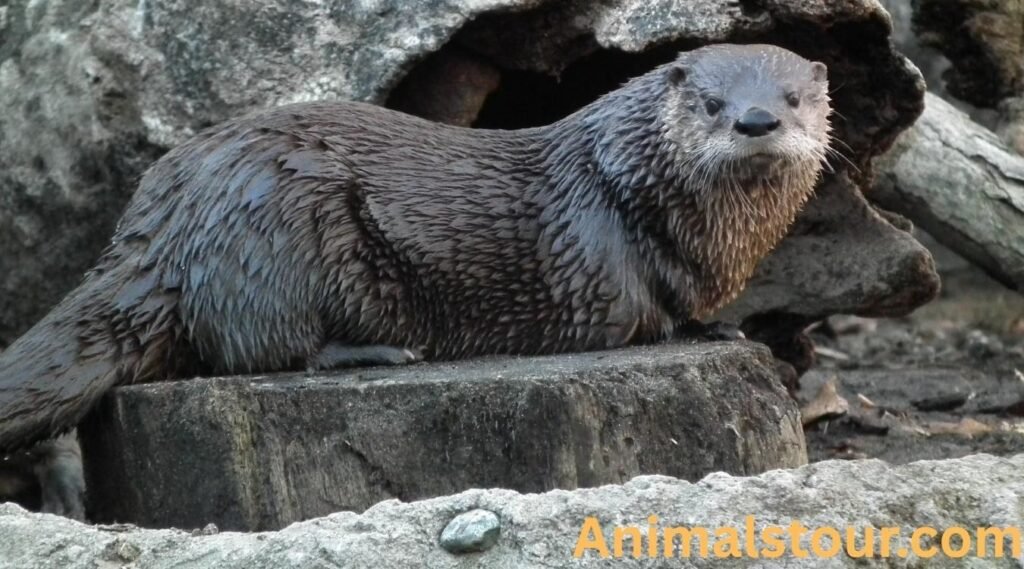
Animals with thick fur, like the sea otter, play a vital role in maintaining ecological balance. Their dense coats act as insulation against cold waters, allowing them to live in harsh marine environments. Beyond their attractive appearance, sea otters are a keystone species, their looking for food habits help control sea urchin populations, which, if it is not controlled, will destroy kelp forests. These underwater gardens not only provide habitat for countless marine species but also serve as crucial carbon sinks, highlighting the interconnectedness of life in our oceans.
Moreover, the thick fur of these animals serves another multifaceted purpose. It acts as a barrier, preventing water from reaching their skin and ensuring they maintain their body temperature. This unique adaptation emphasizes the importance of biodiversity, as climate change threatens their habitats,if fur animals become fewer, it may create unexpected problems in nature. Sea otters, with their playful demeanor and important ecological role,reminds us that every living thing is important for Earth’s health and tells us to protect the delicate balance of life.
10. Wolverine
Scientific Name: Gulo gulo
Class: Mammalia
Diet: Omnivore
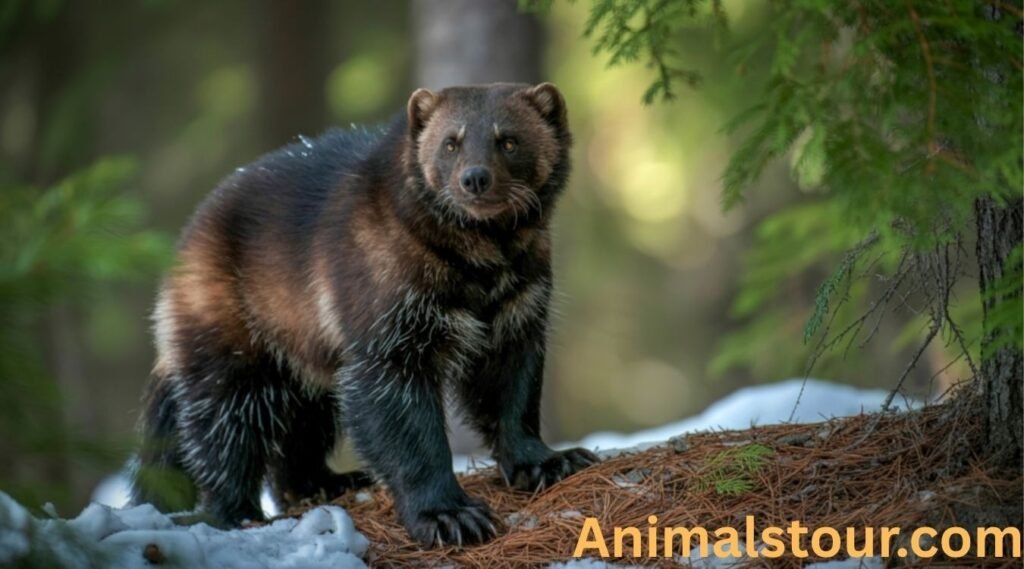
Animals with thick fur, such as the wolverine,don’t look just strong, they help keep nature balanced. These mammals are adapted to survive in some of the harshest climates, with fur that insulates them against frigid temperatures and harsh winds. However, their significance extends beyond mere survival,they also act as indicators of ecosystem health.These mammals with fur, eat dead animals and control small animal numbers, helping nature stay diverse and balanced.
Moreover, the thick fur of these animals serves as protection against predation and environmental hazards, but it also symbolizes resilience in the face of climate change. As temperatures rise, the regions these animals inhabit shrink, compelling us to reevaluate conservation strategies. By focusing on wolverines and similar species, we can highlight the interconnectedness of climate, species resilience, and ecosystem health, encouraging broader efforts to preserve diverse habitats. Ultimately, these thick-furred creatures remind us of the detailed and connected web of nature and the urgent need to protect it for future generations.
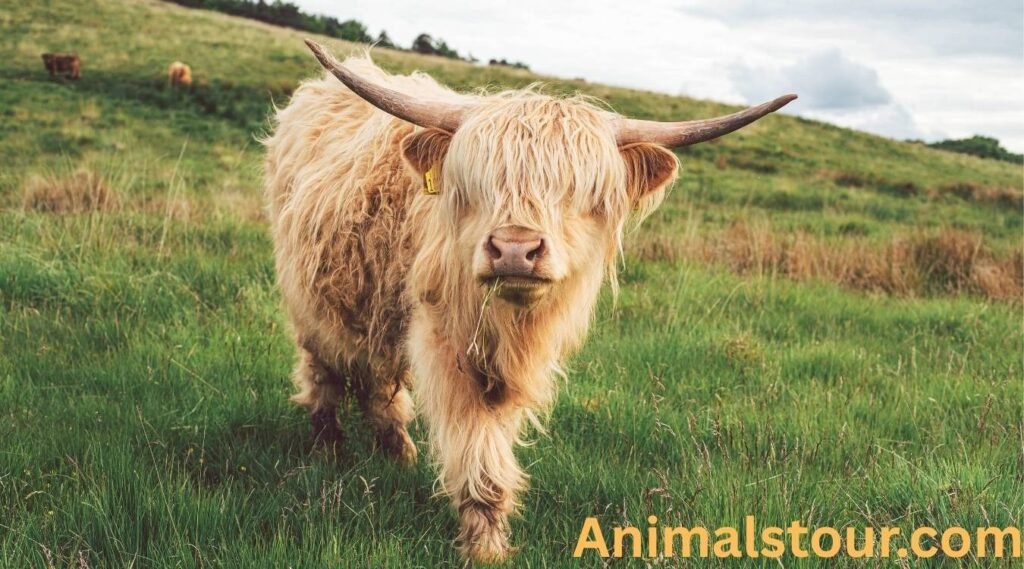
11.Highland Cow:
Scientific Name: Bos taurus
Class: Mammalia
Diet: Herbivore
Animals with thick fur, such as the wolverine, are not just remarkable for their rugged appearance, they play a crucial role in maintaining ecological balance. These mammals are adapted to survive in some of the harshest climates, with fur that insulates them against extreme temperatures and harsh winds. However, their significance extends beyond mere survival, they also act as indicators of ecosystem health. Wolverine controls small animal numbers but also helps nature to stay healthy and diverse.
Moreover, the thick fur of these animals serves as protection against predation and environmental hazards, but it also symbolizes resilience in the face of climate change. As temperatures rise, the regions these animals inhabit shrink, compelling us to reevaluate conservation strategies. By focusing on wolverines and similar species, we can highlight the interconnectedness of climate, species resilience, and ecosystem health, encouraging broader efforts to preserve diverse habitats. Ultimately,these furry animals show that nature is connected and we should protect it for the future.
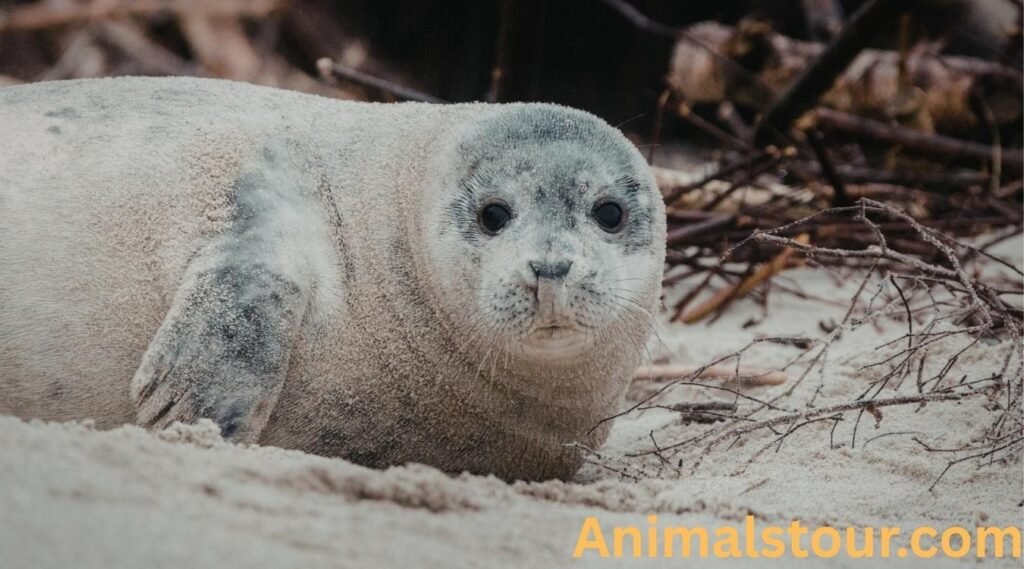
12. Harp Seal:
Scientific Name: Pagophilus groenlandicus
Class: Mammalia
Diet: Carnivore
Animals with thick fur, such as the Harp Seal, show amazing abilities that enable species to live in extreme environments. Their dense coat serves not merely as protection against frigid waters but also as a vital element in their ecological niche. Thick fur traps air, providing insulation that allows seals to maintain their body temperature in sub-zero climates, it shows how the body and its surroundings work together in balance.
Moreover, these animals play an essential role in their ecosystems. The Harp Seal, for instance, contributes to the health of marine food webs by regulating fish populations through its predatory habits.When these seals are there, it means the eco system is healthy. They show rich wildlife in Arctic areas, but climate change is harming their habitat. Protecting animals with thick fur is thus not only crucial for their survival but also for preserving the intricate interconnectedness of marine ecosystems.
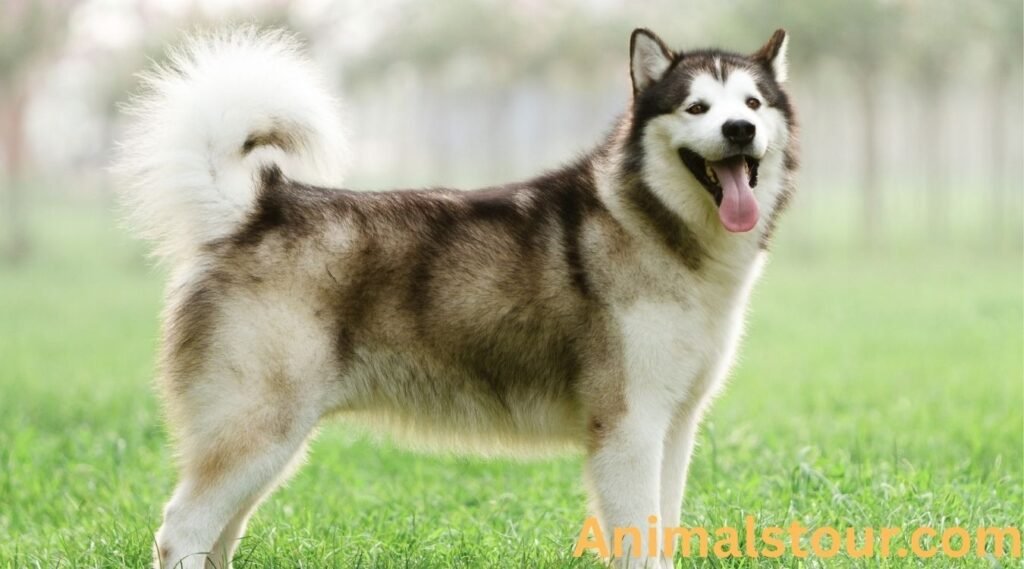
13. Alaskan Malamute:
Scientific Name: Canis lupus familiaris
Class: Mammalia
Diet: Omnivore
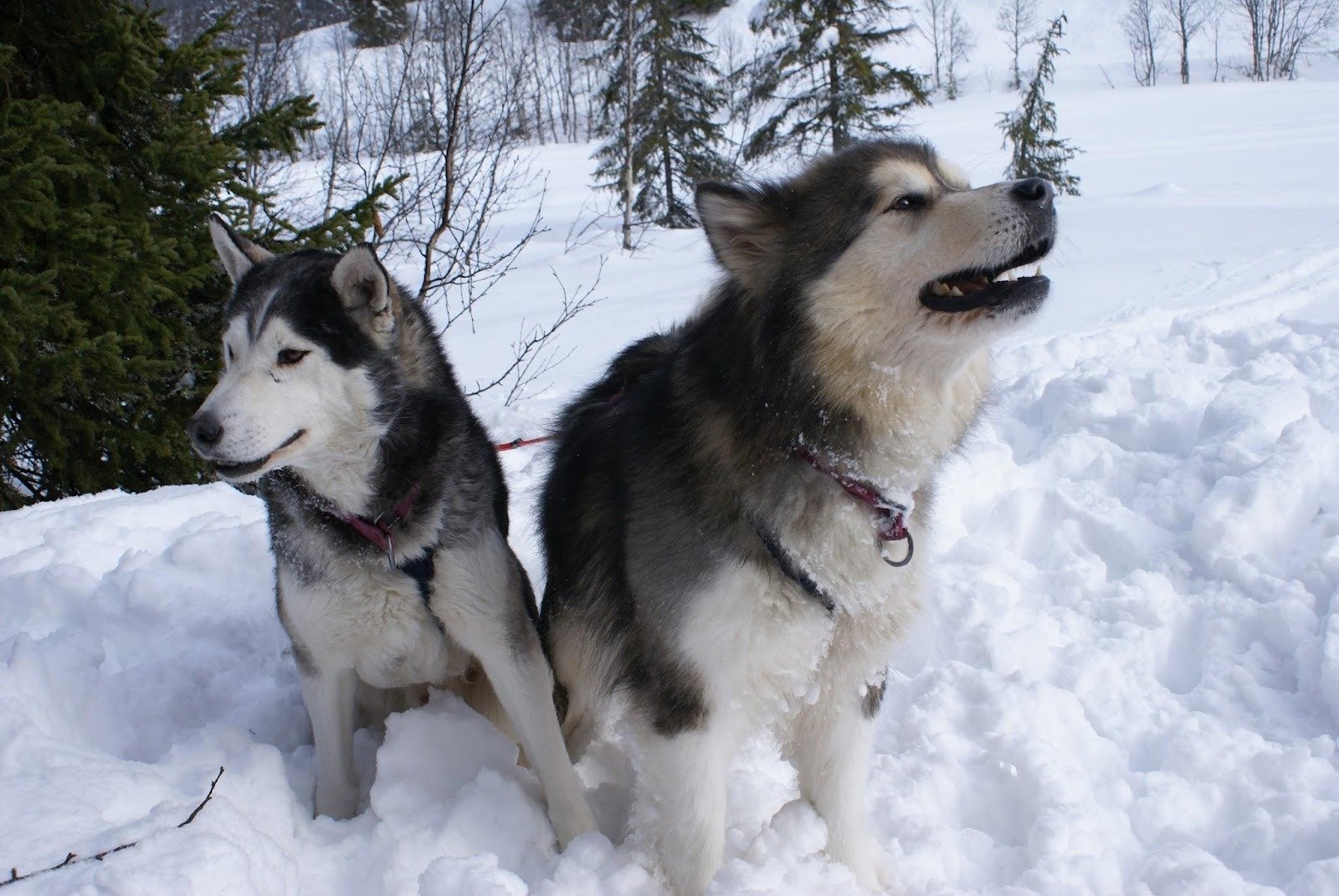
Animals like the Alaskan Malamute are not just amazing due to their thick fur, they serve critical ecological roles in their habitats. Their dense coats help them to withstand extreme cold while also providing insulation that helps regulate their body temperature. This adaptation is not merely for survival, it shows that everything in nature is connected and needs each other. By living in harsh climates, these animals help maintain the balance of their environment, ensuring that other species, plants, and resources flourish alongside them.
Moreover, thick-furred animals contribute to cultural narratives and local economies. For instance, the Alaskan Malamute has deep roots in indigenous Arctic cultures, symbolizing strength and resilience. Their presence not only fosters a sense of identity but also plays a pivotal role in activities like sledding, which aids in transportation and tourism, supporting local livelihoods. By preserving their populations and habitats, by respecting these animals we also protect nature and the life around them.
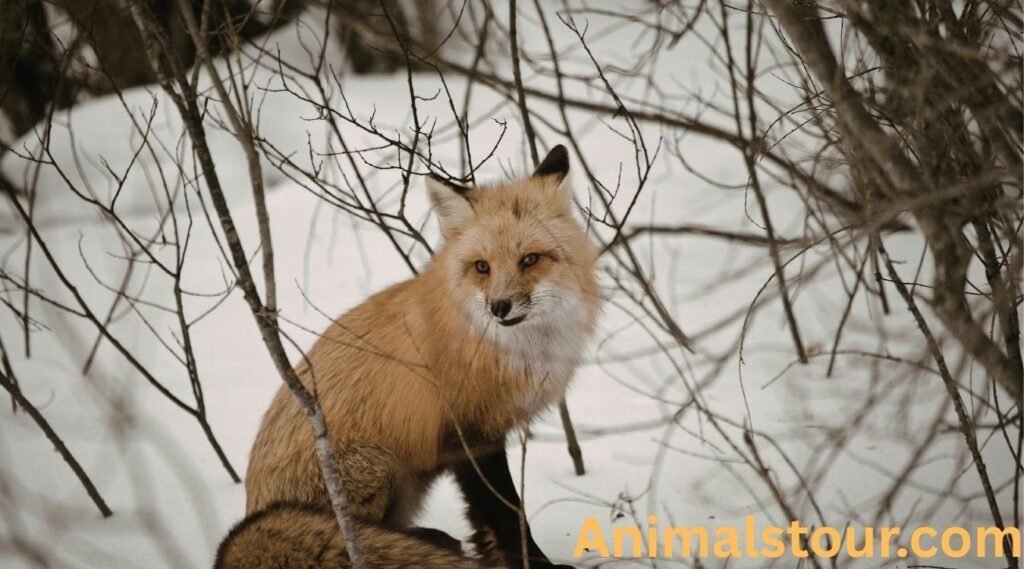
14. Northern Red Fox:
Scientific Name: Vulpes vulpes
Class: Mammalia
Diet: Omnivore
Animals with thick fur, like the Northern Red Fox, play an important role in maintaining the balance of their ecosystems while also serving as indicators of environmental health. Their dense coats not only provide essential insulation against extreme temperatures but also act as camouflage in snowy landscapes. When climate change affects weather, these species help us to see how nature and wildlife are changing.
Beyond their biological significance, the Northern Red Fox shows how wildlife and human stories are connected. In various cultures, this clever creature symbolizes adaptability and cunning, reminding us of the resilience needed to thrive in a changing world. By focusing on animals with thick fur, we understand more than their basic physical qualities. We are encouraged to reflect on our relationship with nature and the urgency of conserving habitats that support these remarkable species. The Northern Red Fox and its kin are more than mere inhabitants of our planet; they remind us of our collective responsibility toward survival and coexistence.
15. Mountain Goat:
Scientific Name: Oreamnos americanus
Class: Mammalia
Diet: Herbivore
Animals with thick fur, such as the Mountain Goat, play a crucial role in their ecosystems and offer valuable lessons for human survival and adaptation. The Mountain Goat’s lush, dense coat not only shields it from harsh mountain weather but also shows how nature stays strong and overcome challenges. By examining its thick fur, we can appreciate how these creatures are adapted for extreme environments, reminding us of the importance of biodiversity in resilient ecosystems.
Beyond their physical adaptations, animals with thick fur like the Mountain Goat show how life in mountains stays balanced. These animals contribute to soil stability and plant diversity by grazing on various vegetation, which in turn supports a lot of things for other wildlife. Their presence enhances the ecological web, making us aware that preserving such species is vital for maintaining environmental health. Climate change threatens their homes, so these furry animals are very important because they help keep nature healthy and strong.
Conclusion:
In conclusion, animals with thick fur play a vital role in maintaining the balance of their ecosystems. Their adaptations not only help them survive in harsh climates but also contribute to the overall health of the environment. These creatures serve as indicators of ecological stability, reminding us of the delicate interplay between species and their habitats. As climate change continues to threaten their survival, it becomes increasingly important for us to advocate for conservation efforts. Let us take action to protect these remarkable animals and their ecosystems for future generations.
FAQS:
1. What animal has thick fur?
Thick fur provides insulation against cold weather, protects the skin from harsh elements, and helps regulate body temperature.
2. Which animal has the thickest fur?
The Arctic fox holds the title for the thickest fur, which helps insulate it against extreme cold.
3. Which animal is known for its thick fur and ability to survive?
The Arctic fox is a remarkable creature, renowned for its thick, insulating fur that allows it to thrive in some of the harshest climates on Earth.
4. Why do tigers have thick fur?
Tigers sport thick fur, This luxurious coat not only acts as insulation against the chill but also provides a vital layer of protection from harsh weather conditions, helping them maintain a stable body temperature year-round.