Top 15 Amazing Animals That Walk Slowly (With images)
While nature is often associated with speed, animals that walk slowly like sloths and tortoises thrive by conserving energy and staying hidden. Their relaxed pace proves that taking your time is a smart survival strategy. In this article we will explore the world of these unhurried champions and discover why moving slow can be the smartest way to go.
List Of Animals That Walk Slowly
Here is the list of animals that walk slowly
- Garden Snail
- Starfish
- Three-Toed Sloth
- Slow Loris
- Gila Monster
- Galapagos Penguin
- Banana Slug
- Chitons
- Seahorse
- Giant Tortoise
- Koala
- Greenland Shark
- Sea Anemone
- Manatee
- Limpet
Garden Snail
Scientific Name: Cornu aspersum
Class: Gastropoda
Diet: Herbivore
Garden snails are amazing creatures, widely recognized as the slowest animal in the world. Their unique body structure consists of a soft, unsegmented body with a prominent shell for protection, and a large, muscular foot on their underside. This foot contracts in a wave-like motion to propel them forward, resulting in an incredibly leisurely pace, typically only a few centimeters per minute.
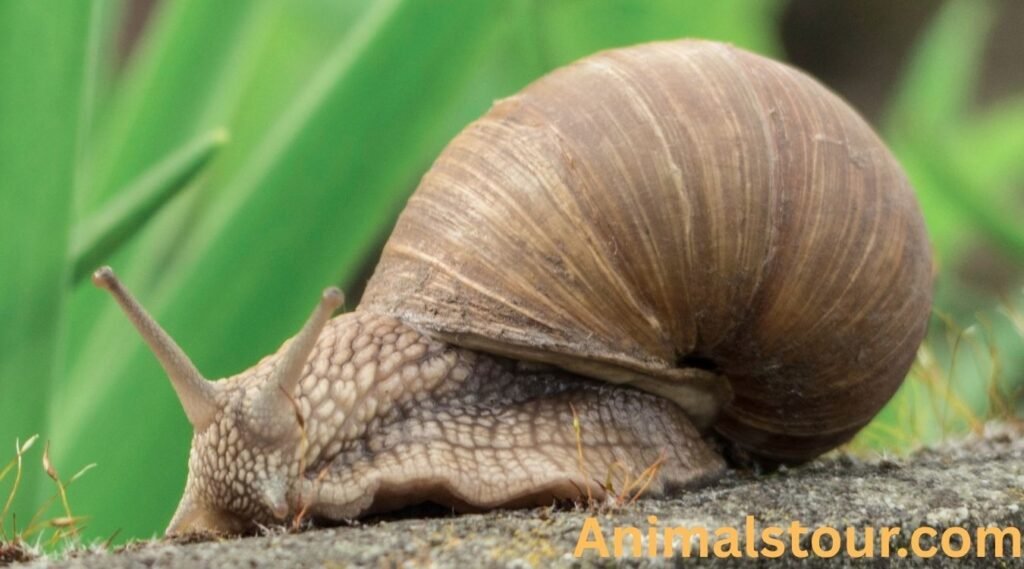
Crucially for their movement, garden snails secrete a layer of slimy mucus from glands in their foot. This sticky, lubricating trail is vital for their locomotion, allowing them to glide smoothly over various surfaces, reducing friction, and protecting their delicate body from rough terrain and dehydration. Therefore, the garden snail’s distinct body and its essential mucus secretion are fundamental to its characteristic, unhurried journey through its environment.
Star Fish
Class: Asteroidea
Diet: Carnivore
Starfish are captivating marine creatures with a central disc and radiating arms covered in tough, spiny skin; they use hundreds of tiny hydraulic tube feet to grip surfaces and glide across the ocean floor, establishing them as fascinating animals that walk slowly.
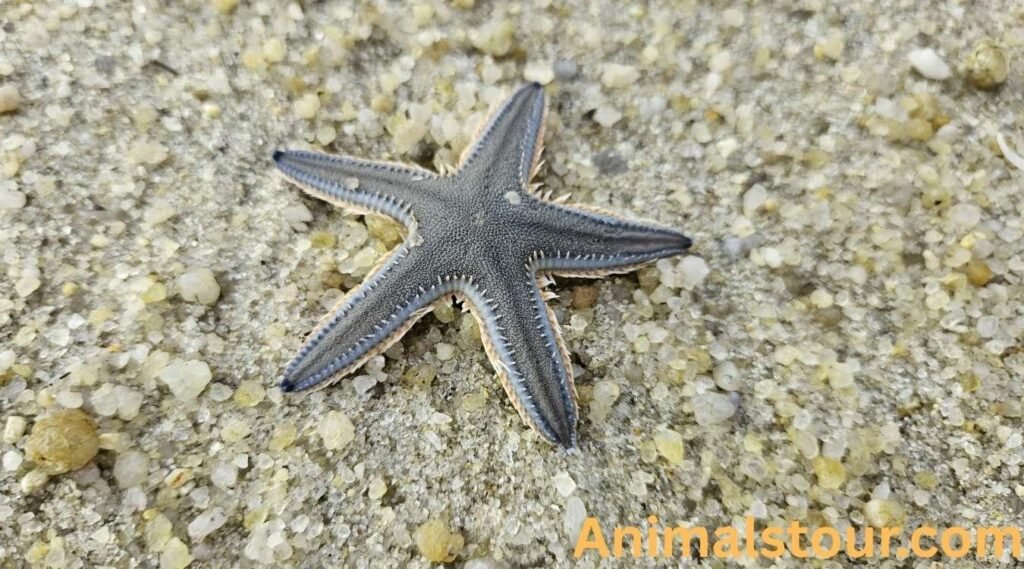
Despite their unhurried pace, starfish the slow animal, play a vital role in marine ecosystems, acting as important predators and scavengers that help regulate populations of other invertebrates like mussels and barnacles, thereby maintaining the balance and health of coral reefs and rocky intertidal zones. Their predatory strategy is incredibly effective: they use their powerful tube feet to slowly pry open the shells of bivalves, then evert their stomach into the prey to digest it externally, demonstrating that even for animals that walk slowly, a deliberate and specialized approach can be highly successful in the wild.
Three-Toed Sloth
Scientific Name: Bradypus variegatus
Class: Mammalia
Diet: Herbivore
The three-toed sloth is world slowest animal, live in the lush canopy of Central and South America, embodies an interesting array of adaptations perfectly suited to its deliberate pace of life. Its unique structure, with long, powerful limbs and hooked claws, is designed not for speed on the ground but for hanging upside down for extended periods in the canopy. This slow lifestyle allows its coarse fur to become a miniature ecosystem, hosting a variety of algae, fungi, and insects, which can even provide camouflage.
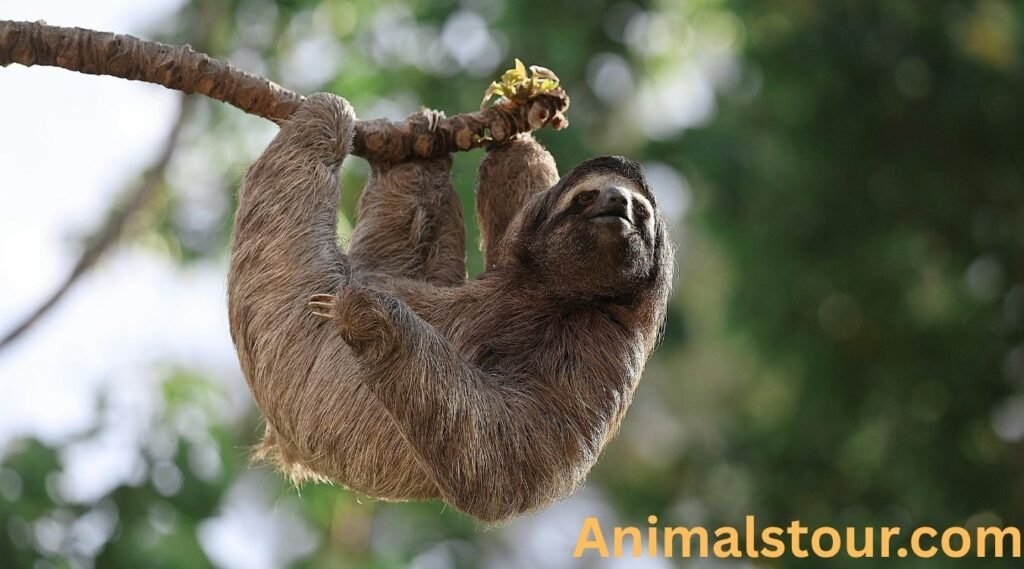
Furthermore, these slow movement animals possess an incredibly slow digestive system, taking weeks to process their leafy diet, which is low in nutrients. This metabolic efficiency and unique microhabitat within its fur contribute to its survival and play a subtle but important role in nutrient cycling and biodiversity within its rainforest home. Ultimately, the three-toed sloth’s entire existence, from its physical structure to its internal processes and external microfauna, showcases how being an animal that walks slowly is not a disadvantage but a highly specialized and successful strategy in the natural world.
Slow loris
Scientific Name: Nycticebus coucang
Class: Mammalia
Diet: Omnivore
Slow Loris found in the tropical forests of Southeast Asia, the slow loris is a captivating creature that uses its remarkably large eyes to navigate and find food in the dark, distinguishing itself as one of the animals that walk slowly. For defense, they possess a unique venomous bite, making them one of the few venomous mammals, a crucial mechanism that ensures survival despite their deliberate and unhurried movements.
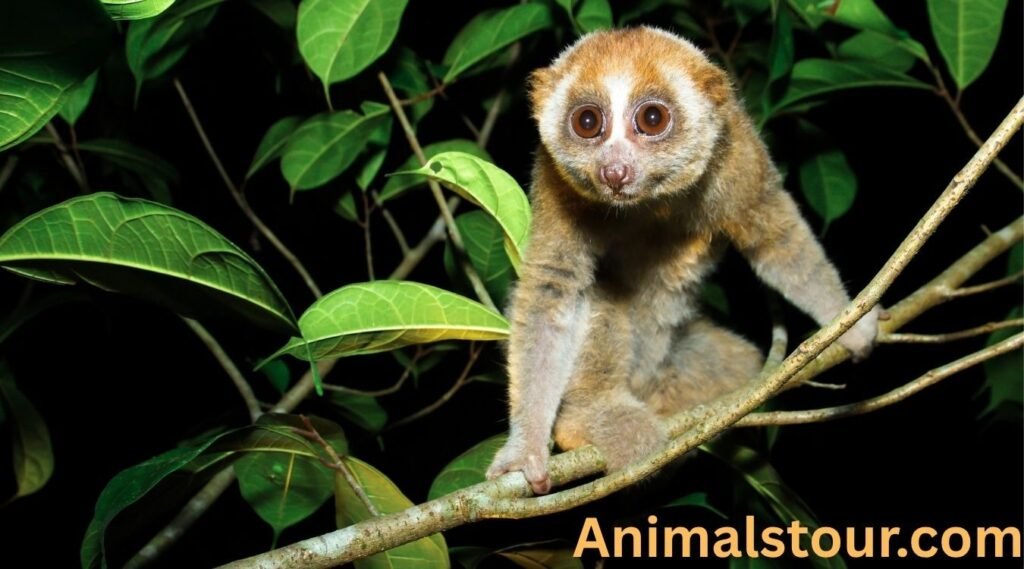
Despite their solitary appearance, social interactions are important for slow lorises, often involving gentle grooming and scent marking within their small family units to maintain bonds and territory. Ultimately, the slow loris exemplifies how a slow and steady approach, combined with specialized adaptations, allows a species to thrive in its environment.
Gila monster
Scientific Name: Heloderma suspectum
Class: Reptilia
Diet: Carnivore
The Gila monster is a remarkable reptile, well-known as slowest animal in the world. These unique creatures are primarily found in the arid regions of the southwestern United States and northwestern Mexico. Their stout body is covered in distinctive, bead-like scales that display bright patterns of pink, orange, black, or yellow, and they possess a thick tail used for storing vital fat reserves.
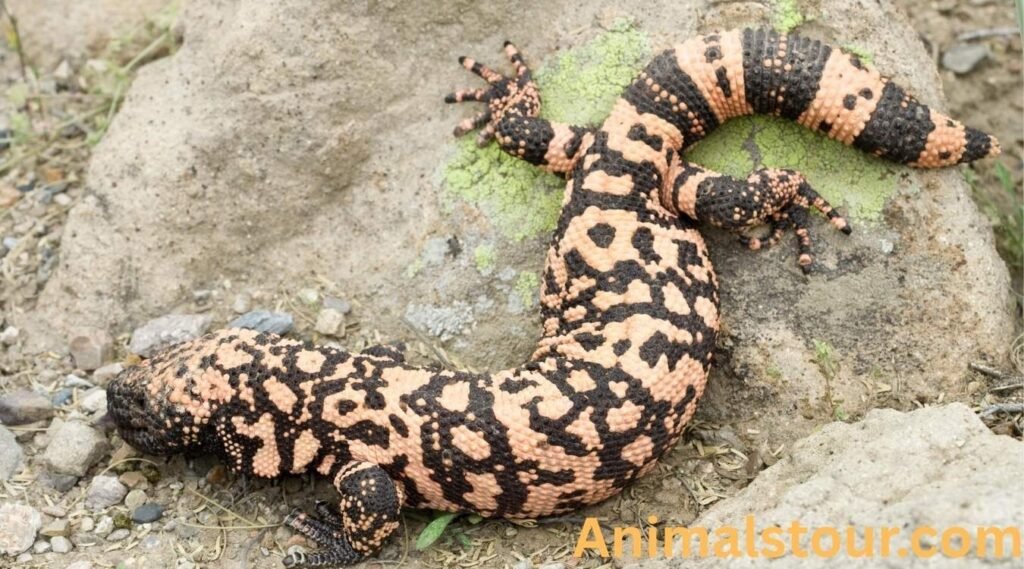
As carnivores, their diet consists of small mammals, birds, eggs, and young reptiles, a feeding habit that plays an important role in controlling populations and maintaining the delicate balance of their desert environment. For defense, the Gila monster employs a powerful, venomous bite, often holding on firmly when threatened, and their vivid coloration also serves as a clear warning to potential predators. This amazing, slow-moving lizard is a true survivor and an essential component of its harsh ecosystem.
Galapagos penguin
Scientific Name: Spheniscus mendiculus
Class: Aves
Diet: Carnivore
Among animals that walk slowly on land, the Galapagos penguin is a captivating species, uniquely adapted to life near the equator. Found exclusively in the Galapagos Islands, this small penguin, which one could name a animal walk slowly when on land, possesses a streamlined body and strong flippers for swift swimming, contrasting sharply with its deliberate waddle across lava rocks. Its structure is uniquely suited for a tropical climate, allowing it to regulate its body temperature effectively.
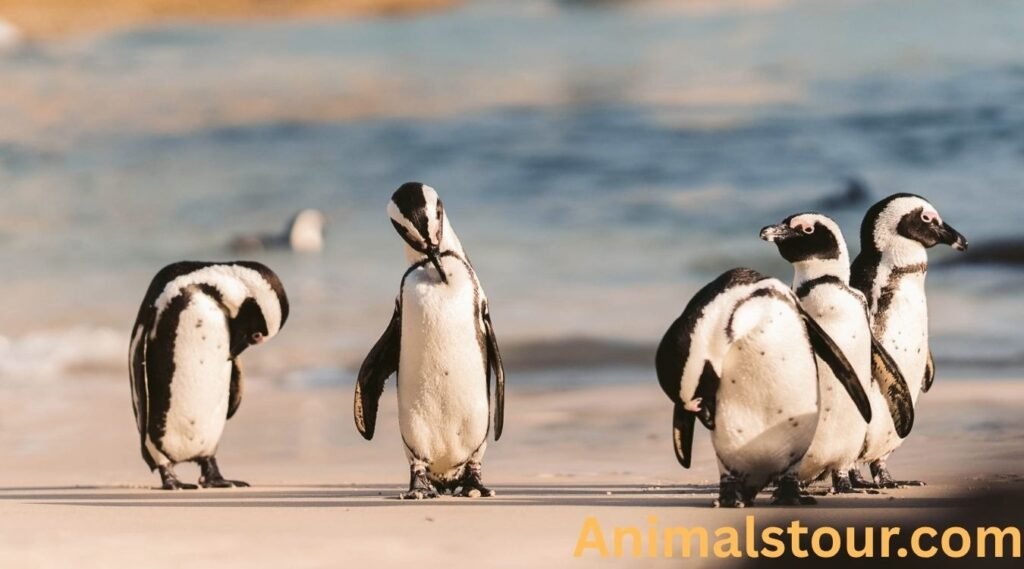
The penguin’s diet primarily consists of small fish and crustaceans, which it expertly hunts in the cool ocean currents. In its ecosystem, this bird plays a crucial role as a predator and serves as an important indicator of marine health. Despite its terrestrial slowness, its survival in this challenging environment is constantly threatened by climate change, El Niño events, and habitat degradation, highlighting its ongoing struggle. Thus, while it may be one of the animals that walk slowly on land, the Galapagos penguin’s unique adaptations and ecological significance underscore its vital, yet precarious, place in the natural world.
Banana slug
Scientific Name: Ariolimax columbianus
Class: Gastropoda
Diet: Detritivore/Herbivore
Among the animals that walk slowly, the banana slug is a remarkable example, known for its leisurely pace and distinctive appearance. These large, often bright yellow, shell-less mollusks are commonly found in the damp, cool forests of the Pacific Northwest of North America, where their unique structure includes two pairs of retractable tentacles—one for sight and one for smell. Moving at an incredibly slow speed, typically around 6 inches per minute, they traverse the forest floor by rhythmic muscular contractions of their single foot, leaving behind a characteristic trail of protective slime.
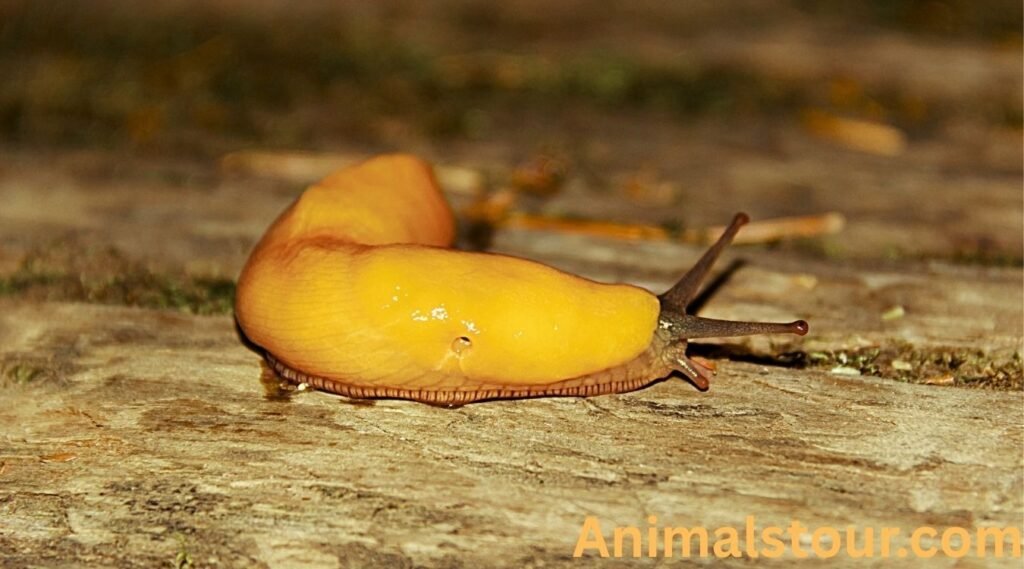
Despite their unhurried nature, banana slugs play a crucial role as decomposers in their ecosystem, breaking down dead plant material, fungi, and animal waste, which helps recycle nutrients and even disperse seeds and spores. For defense, this slow movement animal relies on its sticky, often numbing slime, which deters predators, and its ability to blend into its forest environment. Thus, despite their deliberate pace, banana slugs are vital contributors to the health and balance of their forest habitats, demonstrating that even animals that walk slowly can have a significant impact.
Chitons
Class: Polyplacophora
Diet: Herbivore
Chitons are amazzing animals that walk slowly, perfectly adapted to their marine environment, particularly the intertidal zone where they adhere firmly to rocks worldwide. Their most distinctive feature is their shell, composed of eight overlapping plates (valves) embedded in a tough, muscular girdle; this segmented structure is vital as it allows them to flex and conform tightly to irregular rock surfaces, providing an incredibly strong suction that protects them from crashing waves and predators.
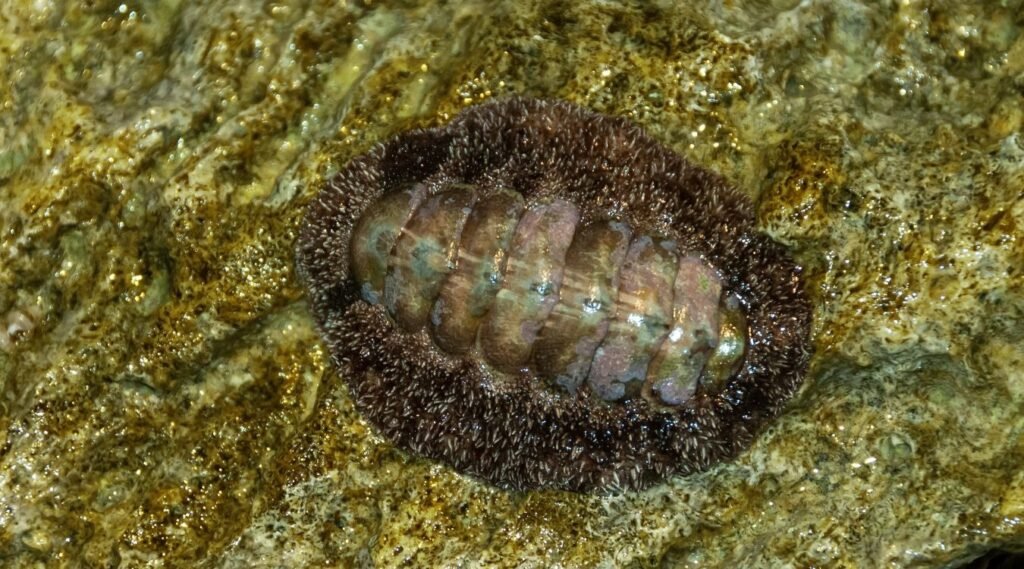
These slow-moving grazers primarily feed on algae and other microorganisms scraped from rocks using a specialized tongue-like structure called a radula, playing a significant role in their ecosystem by preventing algal overgrowth and serving as a food source for various marine animals. Ultimately, their deliberate, slow pace, combined with their strong grip and protective, flexible shell, is crucial for their survival, allowing them to thoroughly forage while remaining securely anchored against harsh ocean conditions.
Seahorses
Scientific Name: Hippocampus
Class: Actinopterygii
Diet: Carnivore
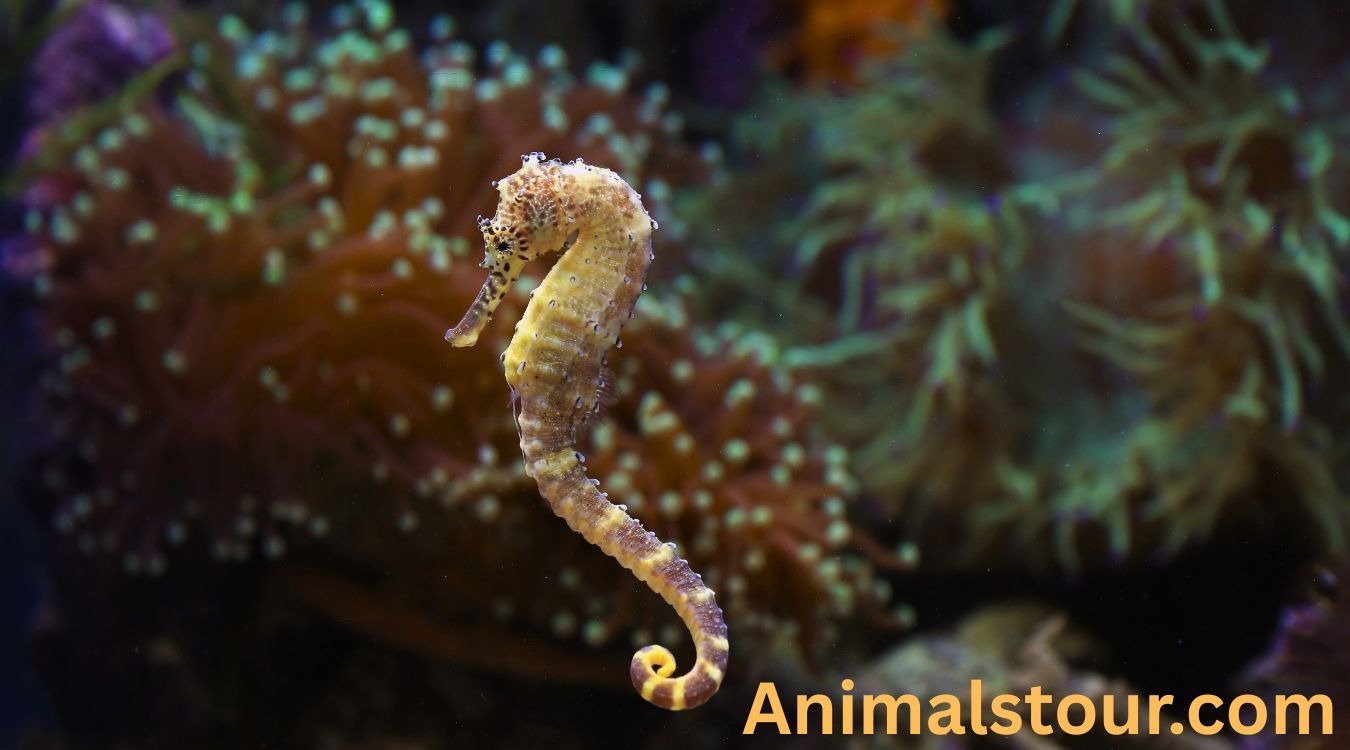
The seahorse, a truly unique marine creature, stands out in the ocean for its distinctive appearance and remarkably slow pace of life. Unlike most fish, it moves upright, propelling itself with a rapidly fluttering dorsal fin and tiny pectoral fins that give it an elegant, almost prancing gait through the water. Its body is encased in bony plates rather than scales, and its horse-like head and prehensile tail are instantly recognizable. This tail is crucial for grasping onto corals or seagrass, allowing it to anchor itself against currents, but it contributes nothing to its already minimal speed, making it one of the animals that walk slowly in the aquatic world.
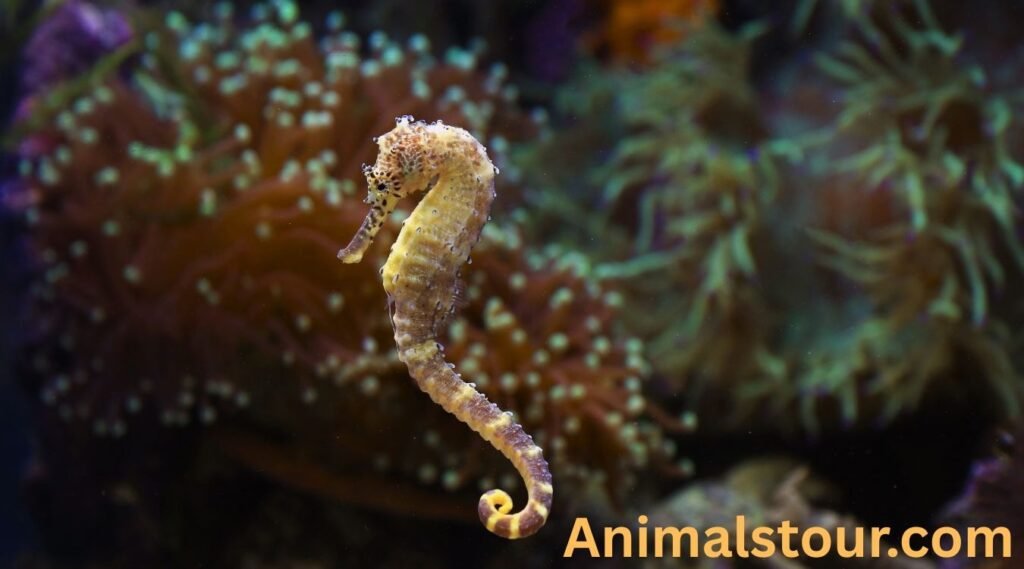
Feeding mainly on small crustaceans and plankton, the seahorse the slowest animal in the world, plays a role in controlling these populations within its habitat. For defense, its primary strategy is camouflage, blending seamlessly into its surroundings to avoid predators. Beyond its physical traits, the seahorse is also known for its intricate and often monogamous mating rituals, where pairs engage in daily dances to reinforce their bond, culminating in the male carrying the eggs in a specialized brood pouch until they hatch. This combination of a unique body structure, deliberate movement, specialized diet, clever defense, and complex social behavior makes the seahorse a truly remarkable and captivating inhabitant of our oceans.
Giant tortoise
Scientific Name: Chelonoidis nigra
Class: Reptilia
Diet: Herbivore
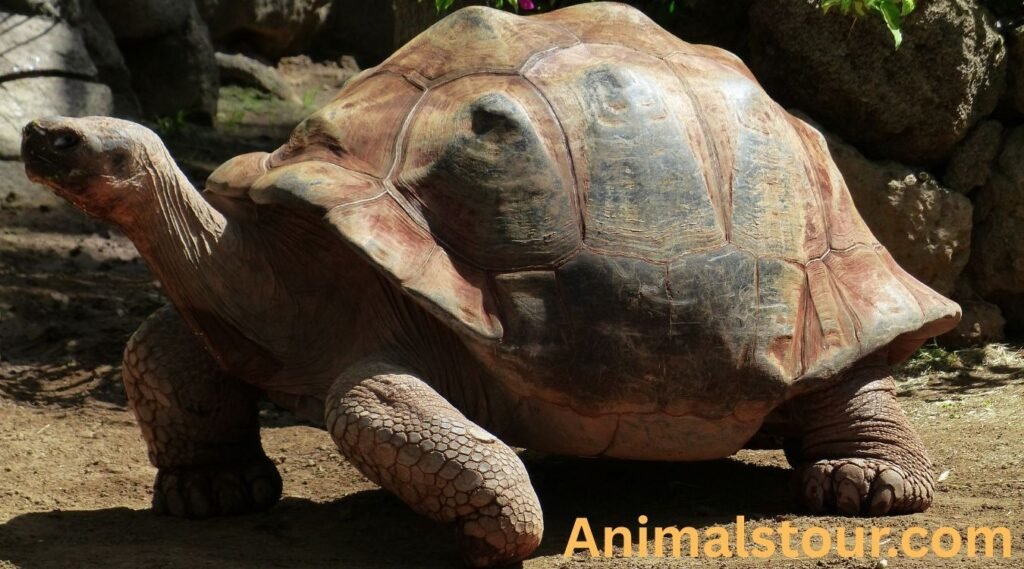
Giant tortoises are notably slow-moving creatures, perfectly adapted to their unique environments. They feature an impressively large, heavy dome-shaped shell, offering crucial protection from predators and the elements, supported by thick, sturdy legs. These massive reptiles slowly graze on a diet primarily of grasses, leaves, fruits, and cacti. Their unhurried pace is vital for the ecosystem, as it allows them to effectively disperse seeds across vast areas and prune vegetation, which helps shape their habitats. Ultimately, the giant tortoise’s deliberate movement is essential for both its own survival and the health of its ecosystem.
koala
Scientific Name: Phascolarctos cinereus
Class: Mammalia
Diet: Herbivore
Koalas are amazing marsupials known for their extremely slow pace of life, perfectly suited to their unique environment. Among the animals that walk slowly, koalas spend nearly all their existence high in the eucalyptus trees of eastern Australia, where their highly specialized diet of fibrous eucalyptus leaves provides very little energy. Their strong, clawed limbs and two opposable thumbs on each front paw are crucial for gripping branches securely, allowing them to climb and maneuver through the canopy with precision.
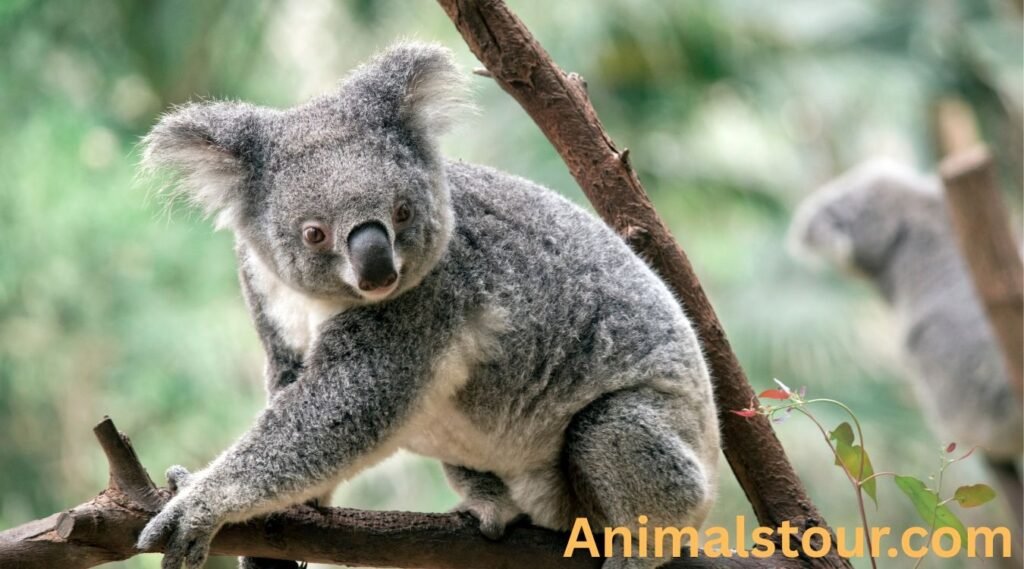
To cope with their low-nutrient diet, koalas conserve energy by sleeping for up to 20 hours a day, demonstrating no hunting skills as they are strict herbivores. This combination of a specialized diet, unique physical adaptations for climbing, and extensive rest periods defines the koala’s distinctive, slow-moving life in the wild.
Greenland shark
Scientific Name: Somniosus microcephalus
Class: Chondrichthyes
Diet: Carnivore
The Greenland shark stands out as one of the ocean’s most extraordinary animals that walk slowly, moving with an incredibly deliberate pace through its frigid habitat. Primarily found in the deep, icy waters of the North Atlantic and Arctic, its robust physique is equipped with unique antifreeze compounds in its blood and a profoundly slow metabolism, vital adaptations that allow it to endure extreme cold and crushing pressures. This remarkable biology contributes to its status as the longest-living vertebrate, with individuals often surviving for several centuries.
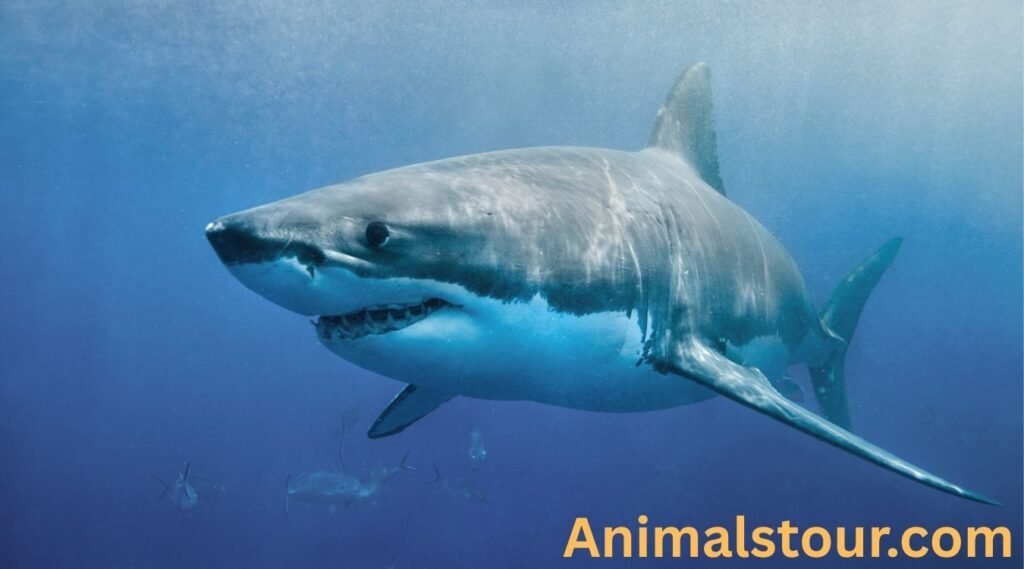
Despite its sluggish movement, the shark is an effective ambush predator, relying on stealth and surprise to capture prey such as sleeping seals and fish, rather than speed. Ultimately, the Greenland shark’s slow, methodical existence is not a limitation but a crucial survival strategy, enabling its longevity and dominance in one of the planet’s harshest marine environments.
Sea anemone
Class: Anthozoa
Diet: Carnivore
Sea anemones are amazing marine creatures, often considered among the animals that walk slowly due to their mostly stationary lifestyle. These vibrant animals are widespread, anchoring themselves to rocks, coral, or other stable surfaces in various marine environments, from sunlit tide pools to the deep sea. Their striking resemblance to flowering plants, with their colorful, waving tentacles, frequently leads to them being mistaken for flora rather than fauna.
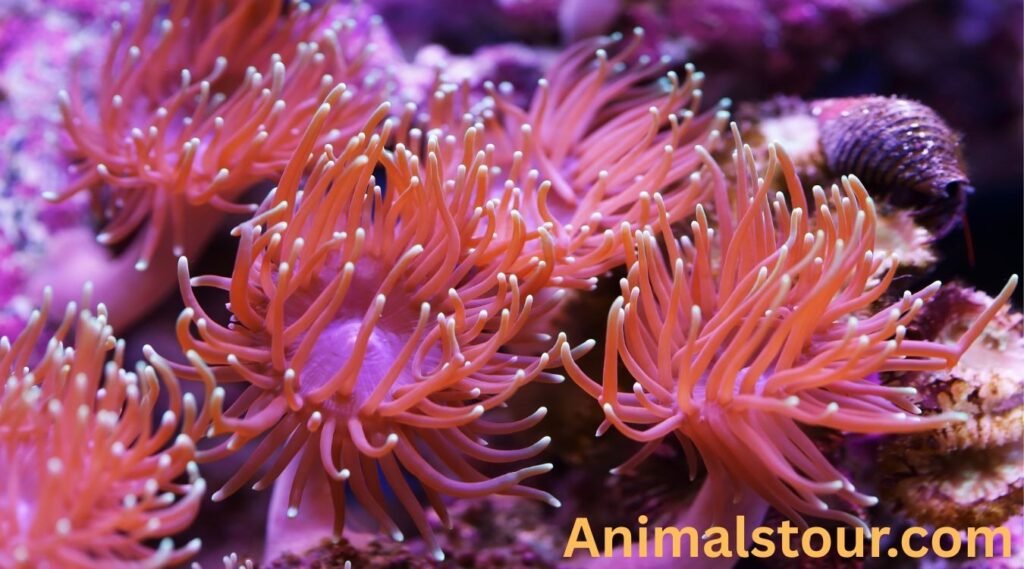
Despite being slow movement animals, sea anemones are effective predators, employing stinging tentacles to paralyze and capture small fish, crustaceans, and other marine invertebrates that drift within their reach. Many species also form vital symbiotic relationships, famously providing safe haven for clownfish, which are immune to their stings and offer benefits in return. As both predators and hosts, sea anemones play a crucial role in maintaining the balance and biodiversity of their ecosystems, contributing significantly to the overall health of marine habitats. Ultimately, these seemingly docile creatures are dynamic and essential members of the ocean’s intricate web of life.
Manatee
Scientific Name: Trichechus
Class: Mammalia
Diet: Herbivore
Manatees are amazing marine mammals, widely recognized for their remarkably slow and gentle movements through aquatic environments. These large, robust animals possess a distinctive torpedo-shaped body, thick wrinkled skin, paddle-like front flippers, and a powerful, flat tail, all contributing to their dense, heavy structure which aids in buoyancy control and efficient digestion. This substantial build is incredibly helpful, providing insulation and allowing them to effortlessly graze on submerged vegetation with their specialized grasping lips.
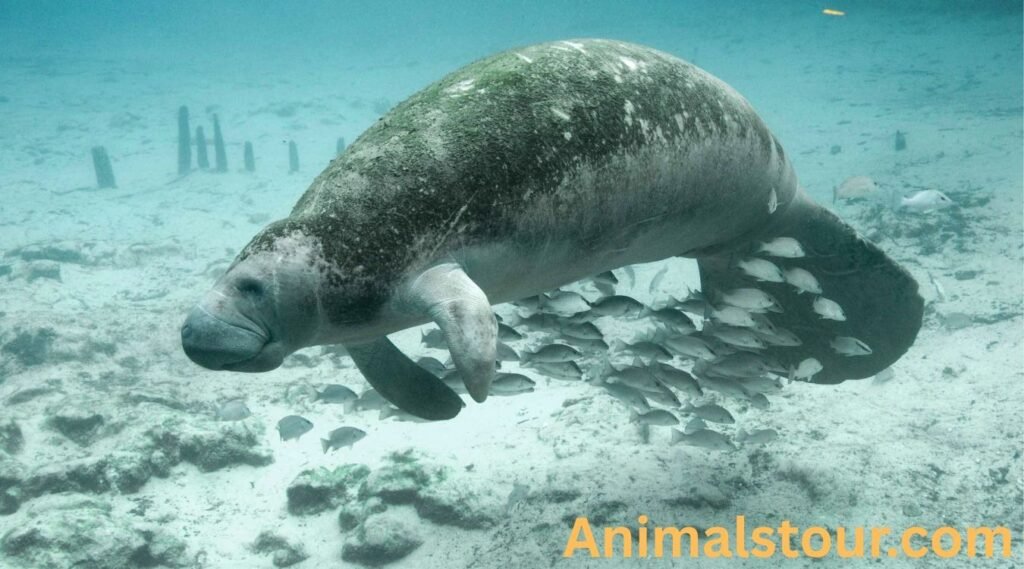
While generally solitary, manatees often gather in loose groups, especially in warm waters, displaying a calm social demeanor. Possessing a deliberate pace, much like many animals that walk slowly on land, their unhurried movement is not a disadvantage, in fact, it is crucial for the ecosystem, enabling them to thoroughly consume vast amounts of aquatic plants, which helps maintain the health and balance of seagrass beds by preventing overgrowth and promoting biodiversity. Ultimately, the manatee’s unhurried lifestyle and unique physical adaptations underscore its vital role as a gentle ecosystem engineer.
limpet
Scientific Name: Patella vulgata
Class: Gastropoda
Diet: Herbivore
Among the diverse array of animals that walk slowly, the limpet stands out as a master of deliberate movement. Its robust, conical shell provides essential protection against predators, crashing waves, and desiccation in the harsh intertidal zone, while its large, muscular foot is key to both its powerful adherence and locomotion. Moving at an almost imperceptible pace, the limpet employs a wave-like contraction of its foot, creating immense suction that allows it to glide slowly across rocky surfaces. This tenacious grip is vital for its survival, preventing it from being dislodged by strong currents and waves.
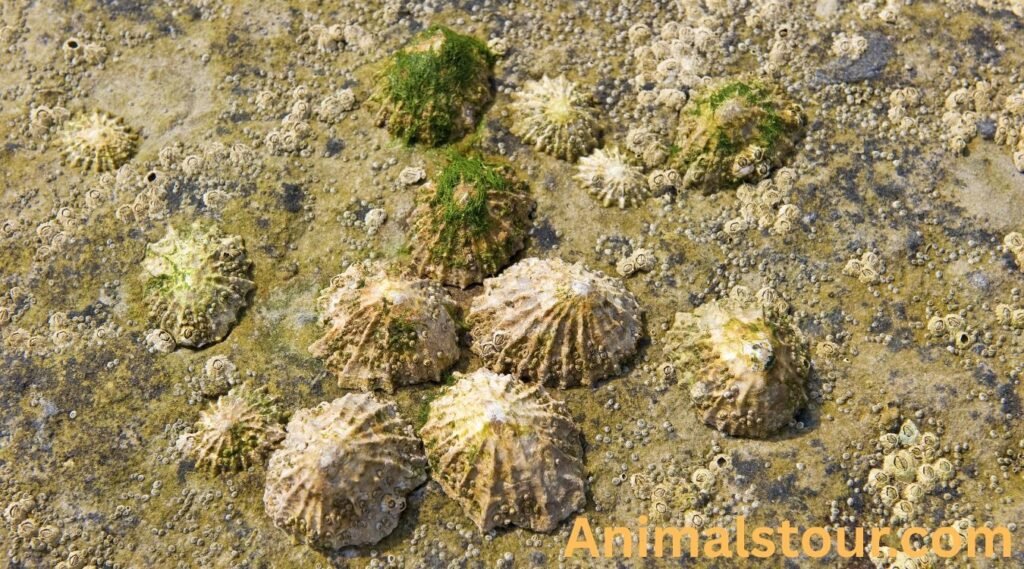
Furthermore, by grazing on algae, limpets prevent overgrowth, maintaining ecological balance on rocky shores and forming a food source for some marine animals. Thus, despite its minimal speed, the limpet’s specialized structure and locomotion enable it to thrive and contribute significantly to its ecosystem.
Final Words
From the depths of the ocean to the rainforest canopy, the animal kingdom proves that speed isn’t the only path to survival. By trading pace for patience, animals that walk slowly have mastered the art of energy conservation and stealth. These unhurried champions remind us that in the wild, sometimes the smartest way to stay ahead is to take your time.
FAQS
What animal has the slowest speed?
The three-toed sloth is the most famous example, widely recognized as the slowest mammal in the world. It moves at an incredibly sluggish pace of roughly 0.15 miles per hour, largely because its diet provides very little energy.
What is the longest name for an animal that walks slowly?
A long common name, the Pygmy Three-toed Sloth is a great example from the world of slow animals.
What’s slower than a snail?
Animals that are slower than a snail include the banana slug, starfish, and seahorse. While sloths are famous for being slow, they are actually faster than snails, whereas these creatures move at a truly glacial pace.