Top 13 Amazing Animals That Look Like Otters
Otters are easily recognized by their long, sleek bodies, short legs, and active swimming behavior, but they are not the only animals with this appearance. Several species around the world closely resemble otters in body shape and movement, even though many are not closely related.
This article explores 13 animals that look like otters, including both mustelids and unrelated species. It covers where they live, how they behave, and the key physical traits that make them appear similar to otters at first glance.
List of Animals That Look Like Otters
Here is the full list of animals that look like otters.These animals range from close relatives of the otters to species from completely different families that have ended up looking like otters due to their shared lifestyle or body type.
- Mink
- Stoat
- Weasel
- Ferret
- European Polecat
- Marten
- Fisher
- Tayra
- Wolverine
- Nutria
- Mongoose
- Civet
- Badger
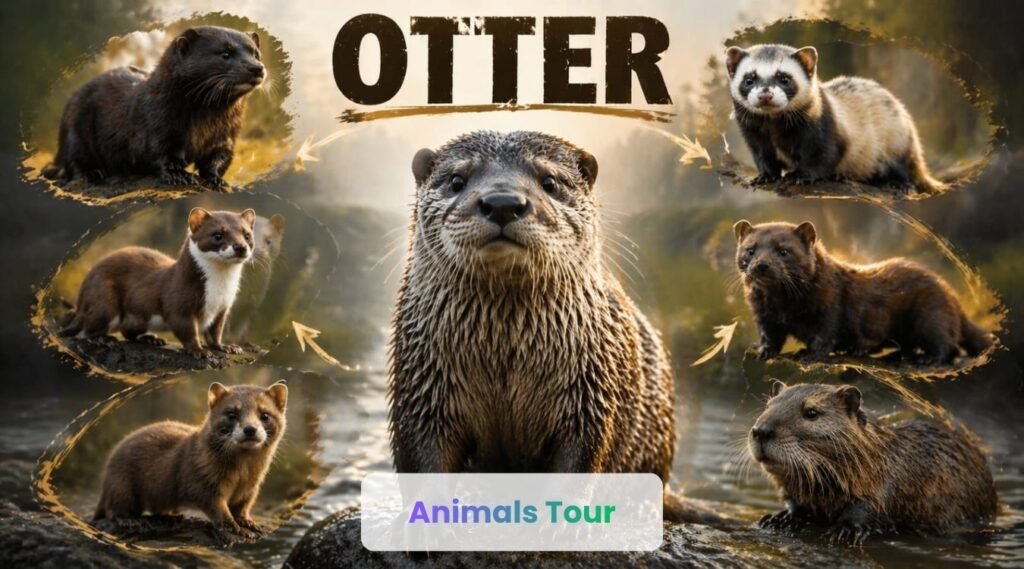
Animals Similar to Otter: A Closer Look
All 13 animals on the above list share something with the otter, whether it is body shape, coat, movement, or lifestyle. Some are close relatives from the same mustelid family, while others have simply ended up looking similar through a completely separate path of evolution. Here is a closer look at the top 13 animals like otters.
Mink
Scientific Name: Neovison vison (American mink) / Mustela lutreola (European mink)
Class: Mammalia
Diet: Carnivorous – fish, frogs, small mammals, birds, crustaceans
Of all the animals that look like otters, the mink is probably the closest in appearance. It has the same long, slim body, short legs, and a thick, water-resistant coat that gives it a sleek, well-groomed look. Mink are also semi-aquatic, spending a good amount of time in and around rivers and streams, which adds to the resemblance. There are two species, the American mink and the now nearly extinct European mink, and both share the same otter-like build that makes them easy to confuse at a distance.
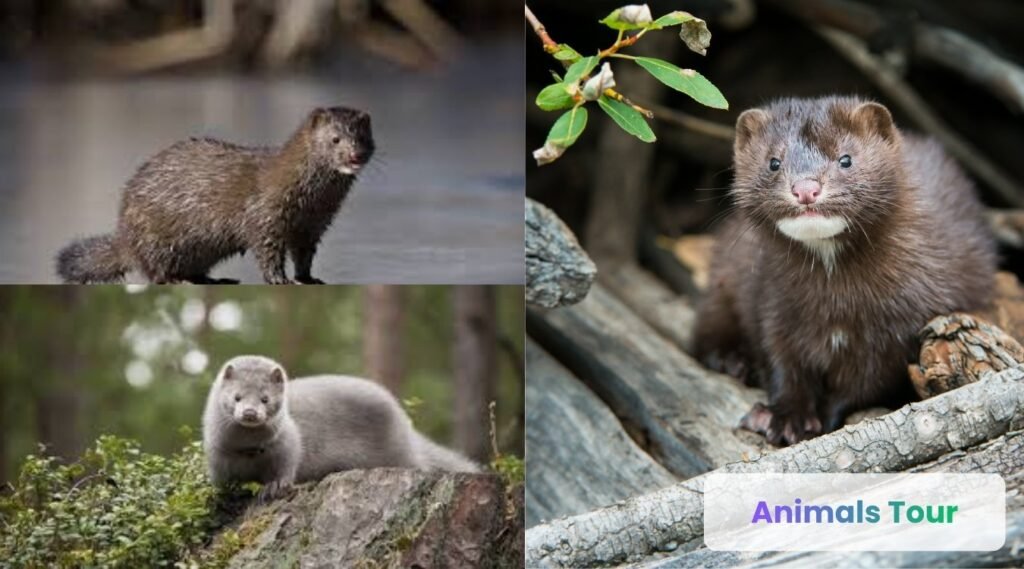
On closer inspection, the mink stands out for its smaller size and more pointed face than an otter. It is also more of a solitary hunter and tends to stay closer to the water’s edge rather than swimming out into open water the way otters often do.
Mink are highly adaptable and have established themselves in many parts of Europe after escaping or being released from fur farms, where they were once widely bred. Despite their smaller frame, they are capable and aggressive hunters, taking on prey much larger than themselves.
Stoat
Scientific Name: Mustela erminea
Class: Mammalia
Diet: Carnivorous – rabbits, rodents, birds, eggs, insects
The stoat is a small carnivorous mammal that may look like an otter at first glance. It has a long, flexible body, short legs, and quick, low-to-the-ground movement that can resemble an otter’s motion on land. Its fur is usually brown above and lighter underneath, which can create a general visual similarity to some otter species from a distance. Stoats are found across Europe, Asia, and North America in a wide range of habitats.
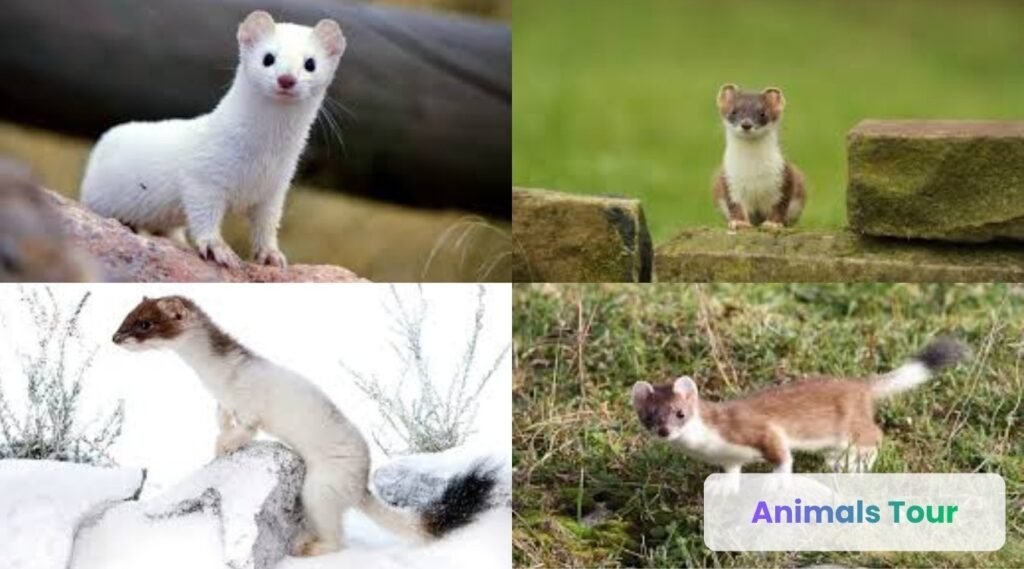
A key feature of the stoat is its seasonal coat change. In colder regions, its fur turns completely white in winter, when it is known as an ermine, a trait not seen in otters. Despite their small size, stoats are skilled hunters and can take down prey larger than themselves using speed and a precise bite to the neck, a hunting style common among mustelids.
Weasel
Scientific Name: Mustela nivalis
Class: Mammalia
Diet: Carnivorous – small rodents, birds, eggs, insects
The weasel is one of the smallest animals that look like otters, but the family resemblance is clear. Like otters, it belongs to the mustelid family and shares the same basic body structure with a long body, short legs, and a narrow head. Weasels are very fast and agile, able to move through tight spaces and follow prey into burrows due to their slim build. They are found across Europe, Asia, and North America in habitats such as woodland, farmland, and grassland.
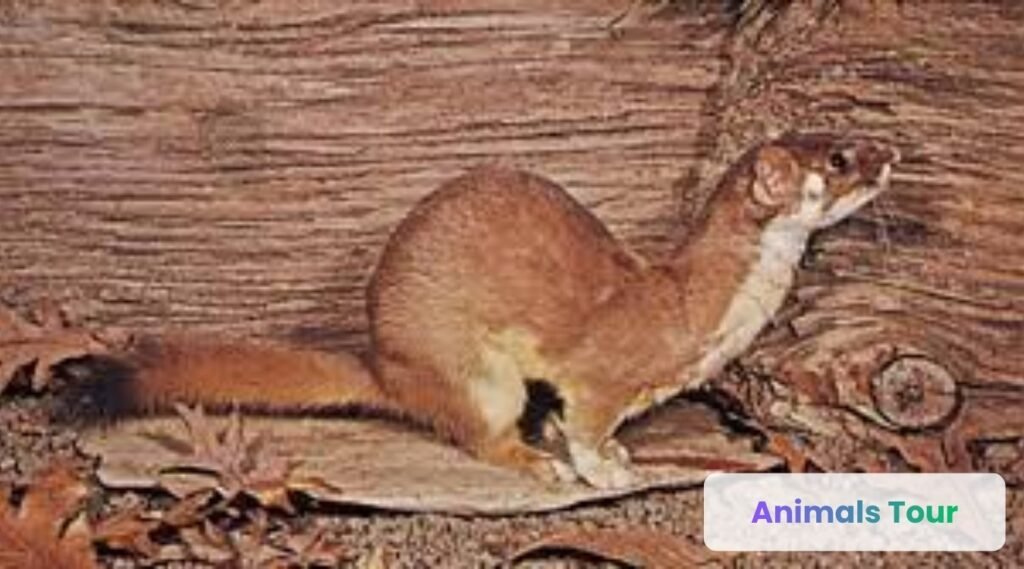
Despite being much smaller than an otter, the weasel shares several behavioural traits with it. Both are active hunters that rely on speed and sharp senses rather than stealth, and both are known for being surprisingly bold given their size.
The weasel’s coat is similar in colouring to the otter’s, brown above and pale below, which is part of what makes it one of the more visually convincing animals like otters on this list. It is small enough to fit in the palm of a hand, yet confident enough to take on prey several times its own body weight.
Ferret
Scientific Name: Mustela putorius furo
Class: Mammalia
Diet: Carnivorous – mainly meat-based diet; small rodents, birds, and commercial ferret food
The ferret is a domesticated animal that many people recognize as a pet, but it closely resembles otters in body shape and movement. It has a long, flexible body, short legs, and a pointed snout, and its smooth, low-to-the-ground movement is very similar to how otters move on land. Ferrets are descended from the European polecat and were originally used for hunting rabbits, thanks to their ability to follow prey into burrows.
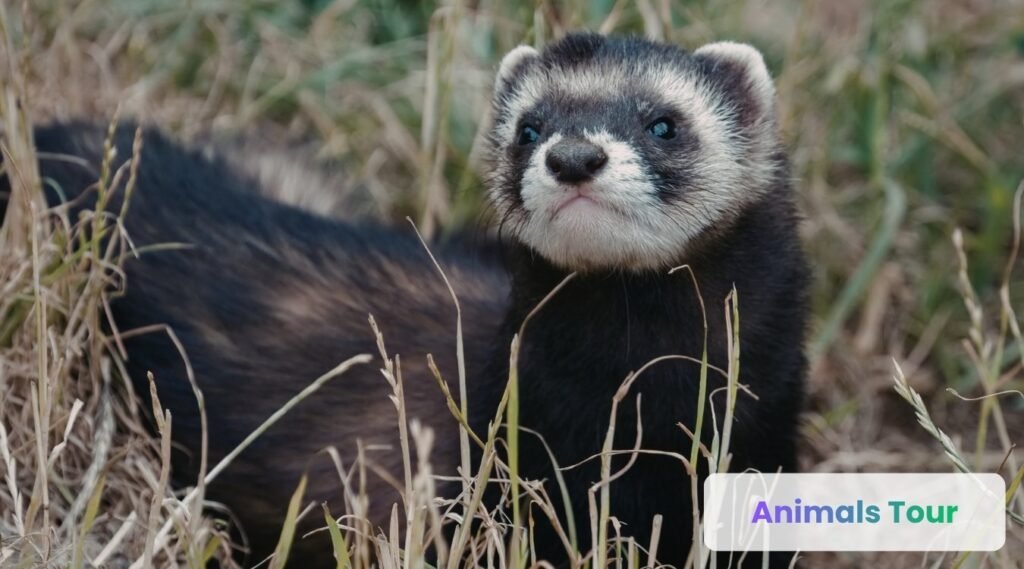
In terms of behavior, ferrets are curious, energetic, and playful, traits often associated with otters as well. Their coat colors vary due to domestication, but the natural brown and lighter underside can make them look quite similar to otter type mammals at a glance. As a common domestic animal, the ferret is one of the most familiar animals that look like otters.
European Polecat
Scientific Name: Mustela putorius
Class: Mammalia
Diet: Carnivorous – mainly rabbits, rodents, birds, amphibians, and insects
The European polecat is the wild ancestor of the domestic ferret, and it is one of the animals most similar to otters in both looks and build. It has a long body, short legs, and a low-slung posture, with a narrow, pointed head that stays close to the ground when it moves.
The coat is usually dark brown to near black with pale patches around the face, giving it a masked appearance that looks quite distinctive up close. Polecats are found across much of Europe in woodland, farmland, and sometimes near rivers, which adds to their resemblance to otters.
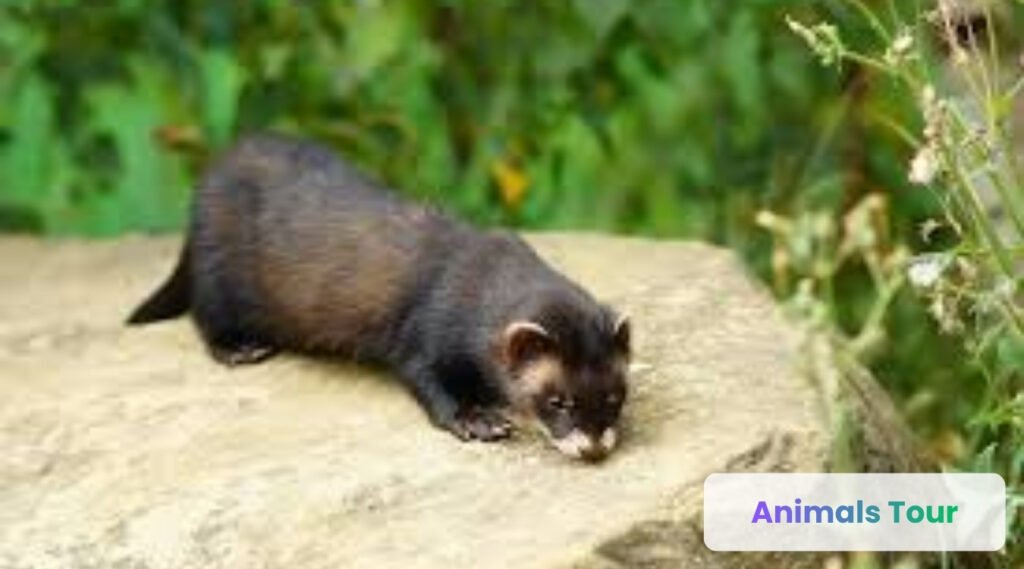
What makes the European polecat particularly interesting among animals like otters is that it is comfortable around water and can swim when needed, although it is mainly a land based hunter. It feeds on rodents, rabbits, amphibians, and occasionally fish.
It is also known for its strong musky odour, a defence mechanism shared with other mustelids. The polecat nearly disappeared from Britain in the early twentieth century due to hunting and trapping but has made a steady comeback in recent decades.
Marten
Scientific Name: Martes martes (European pine marten) / Martes americana (American marten)
Class: Mammalia
Diet: Omnivorous – small mammals, birds, eggs, insects, fruits, and berries
Martens are medium-sized mustelids that share a lot of physical similarities with otters. They have the characteristic long body and short legs of the mustelid family, along with a pointed face and a thick, soft coat that in some species can resemble the colouring of otters.
The pine marten, one of the most well-known species, is found across Europe and parts of Asia and is a good example of an animal that looks like an otter in overall shape, though it is more adapted to life in trees. Several other marten species are found across North America and Asia, all sharing the same basic build.
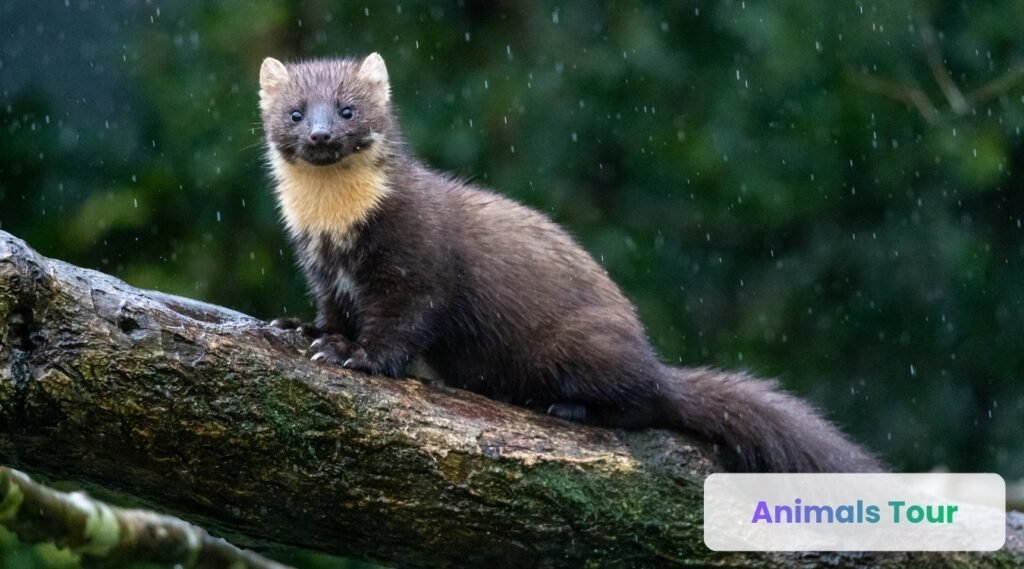
The main difference between martens and otters lies in their lifestyle. Otters are strongly connected to water environments, while martens are forest animals that spend time both on the ground and in trees. They are skilled climbers with semi retractable claws and have a varied diet that includes birds, small mammals, and fruit depending on the season. Even with these differences, the marten’s body shape, movement, and facial features are close enough to otters that they can be mistaken for them when seen quickly in the wild.
Fisher
Scientific Name: Pekania pennanti
Class: Mammalia
Diet: Carnivorous – snowshoe hares, squirrels, rodents, birds, and carrion
The fisher is a North American mustelid that is larger than a marten but shares the same general otter-like body plan. Despite its name, it does not fish and rarely comes near water. It is a forest-dwelling animal found across the dense woodlands of Canada and the northern United States, where it moves through the undergrowth with a low, elongated body and muscular build.
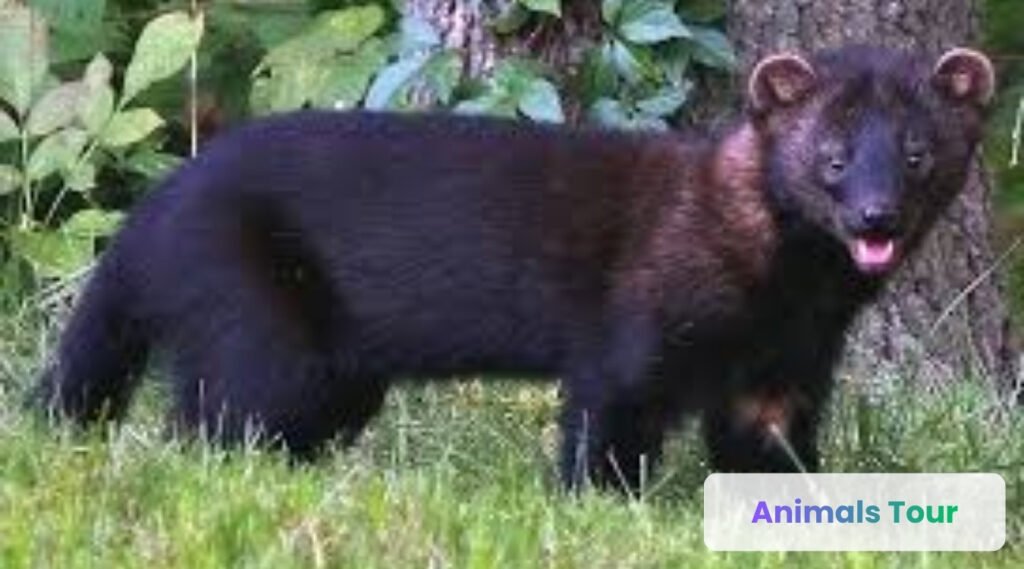
Its broad head, thick dark brown coat, and smooth, flowing movement give it a superficial resemblance to otters, especially when seen briefly in shadowy forest environments. Among mustelids that resemble otters, the fisher is notable for its fearless hunting style, including its rare ability to prey on porcupines.
Large males can weigh up to about six kilograms, giving it a compact, otter-like build. Once heavily trapped for fur and reduced in parts of its range, it is now making a strong recovery through reintroduction.
Tayra
Scientific Name: Eira barbara
Class: Mammalia
Diet: Omnivorous – small mammals, birds, fruits, insects, and honey
The tayra is a Central and South American mustelid that closely resembles an otter in body shape and movement. It has a long, slender body, short legs, and a slightly bushy tail, moving with a smooth, ground-hugging gait similar to otters on land. Its dark brown to black coat, often marked with a pale or golden patch on the chest, adds to its distinctive yet otter-like appearance.
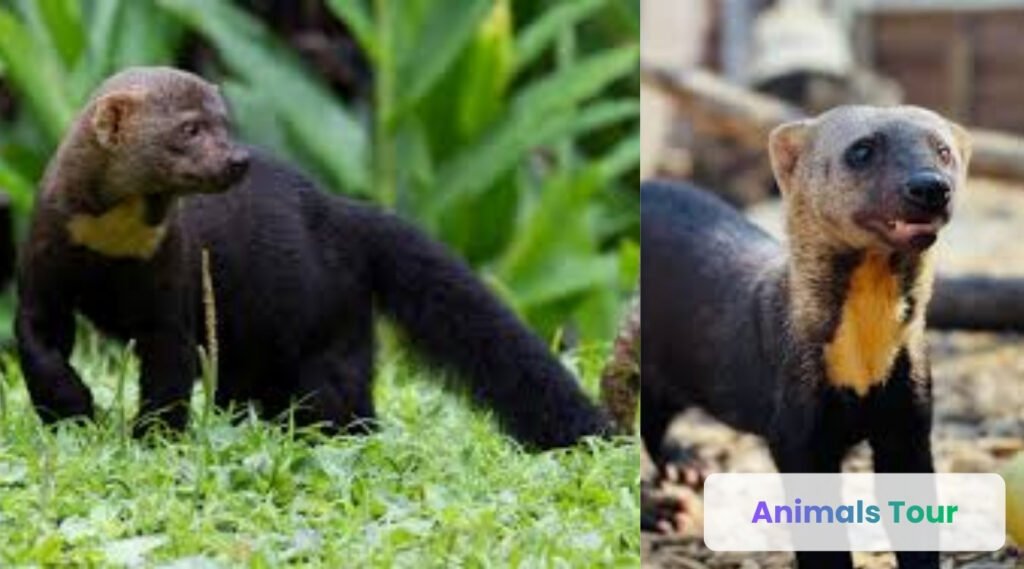
What sets the tayra apart among animals similar to otters is its adaptability. It moves easily on the ground, in trees, and occasionally near water, and has a varied omnivorous diet that includes fruit, small animals, and insects. It is also known to store unripe fruit and return once it ripens, showing an unusual level of planning for a wild mammal.
Wolverine
Scientific Name: Gulo gulo
Class: Mammalia
Diet: Omnivorous – mainly carrion, small to medium mammals, birds, eggs, and berries.
The wolverine is the largest land-dwelling member of the mustelid family, built for life in cold northern regions of North America, Europe, and Asia. It has a compact but elongated body, short powerful legs, and a broad head, all covered in dense, frost-resistant fur that helps it survive extreme climates. While it looks more rugged than an otter, its overall proportions still reflect the same mustelid body plan.
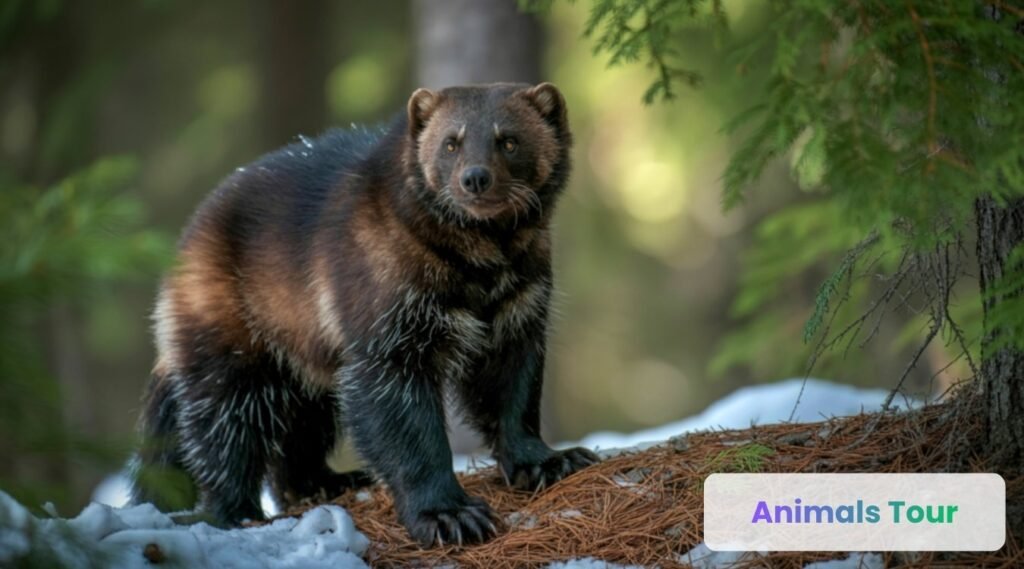
At first glance, the connection may not seem obvious, but it becomes clearer when compared to larger river otters. Both share an efficient, low-bodied structure suited for covering ground with strength and endurance. Unlike otters, however, the wolverine is a solitary scavenger and hunter with an exceptional sense of smell, capable of locating carcasses buried deep under snow and traveling vast distances across its territory.
Nutria
Scientific Name: Myocastor coypus
Class: Mammalia
Diet: Herbivorous – aquatic plants, roots, stems, and grasses
The nutria, also called the coypu, is a large, semi-aquatic rodent that is often mistaken for an otter, especially when seen swimming. It has a rounded, heavy body, a thick coat, and a habit of floating and moving through water in a way that closely mirrors the otter’s swimming style.
Native to South America, the nutria has been introduced to many parts of Europe, North America, and Asia, mostly as a result of escapes from fur farms, and it has established large feral populations in many wetland areas around the world.
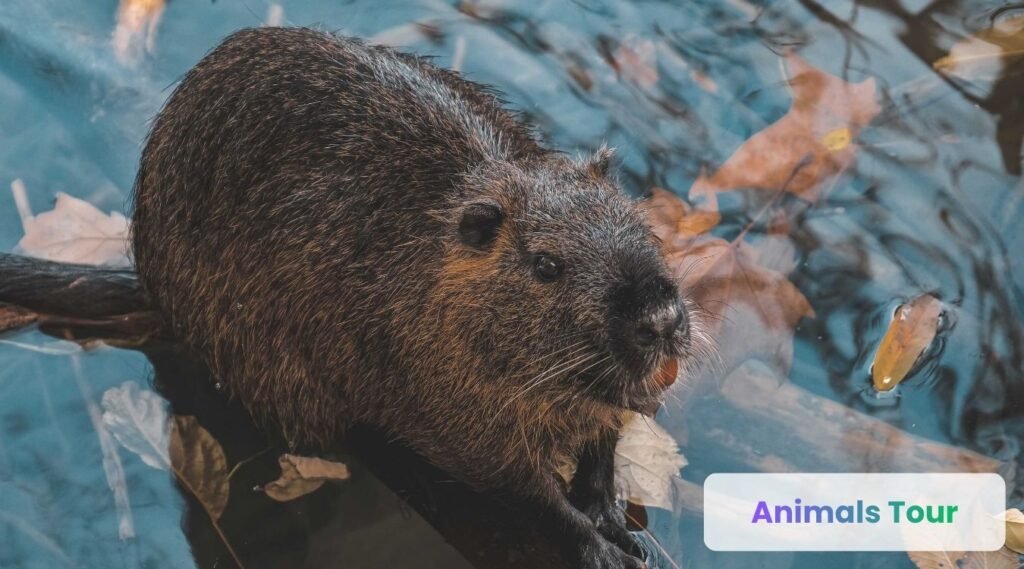
On closer inspection, the nutria is clearly different from an otter. Its teeth are large and orange-tinted due to iron-rich enamel, its tail is long and rat-like rather than broad and tapered, and its face is more rodent-like with a blunt, whiskered snout.
From a distance, however, the confusion is easy, especially when it is half-submerged in water or moving along a riverbank. It is also larger than many people expect, with adults typically weighing between five and nine kilograms, a size that overlaps with several otter species.
Mongoose
Scientific Name: Herpestes edwardsi (Indian grey mongoose – common example)
Class: Mammalia
Diet: Carnivorous – snakes, rodents, birds, eggs, insects, and small reptiles
The mongoose is not related to otters, but it shows how similar body shapes can evolve in very different animal groups. It has a long, slender body, short legs, and a pointed snout, along with quick, alert movements that can make it resemble an otter at a glance. Found across Africa, southern Asia, and parts of Europe, mongooses live in habitats ranging from grasslands to forests and are highly adaptable hunters.
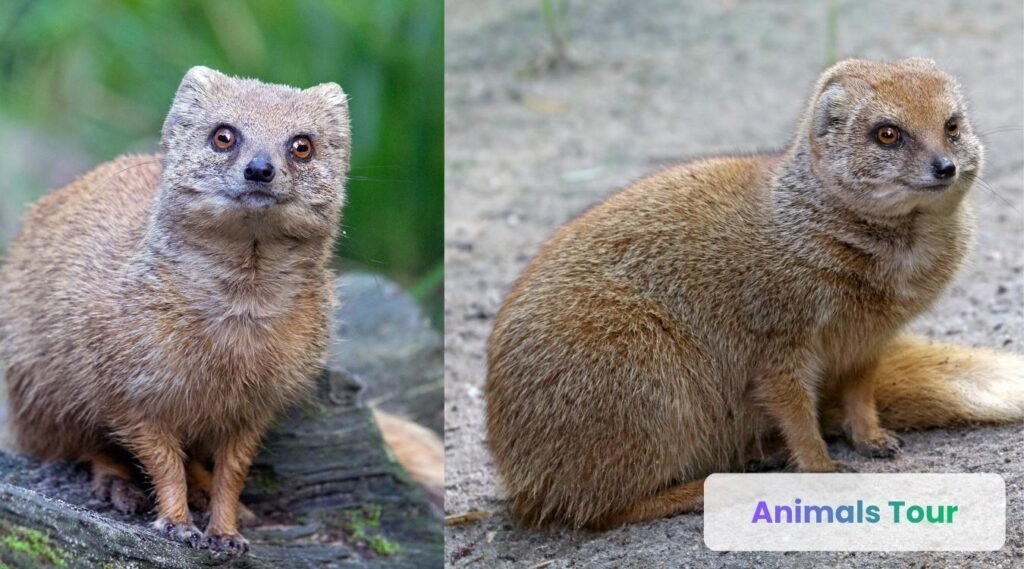
The resemblance is purely structural rather than genetic. Mongooses belong to the family Herpestidae, separate from the mustelids, but share a similar low, flexible build suited for chasing prey through tight spaces. Unlike otters, they are mostly terrestrial and are famous for taking on venomous snakes, using speed, agility, and partial resistance to venom to survive encounters that would be deadly to many other animals.
Civet
Scientific Name: Paradoxurus hermaphroditus (Asian palm civet – common example)
Class: Mammalia
Diet: Omnivorous – fruits, insects, small animals, birds, eggs, and carrion
The civet is a nocturnal mammal found across parts of Africa and Asia. While it is not an obvious match, it shares a similar outline with otters, including a long body, short legs, and a pointed face. In low light, especially when moving at dusk, its dark coat and low, fluid posture can give it a surprisingly otter-like silhouette. Civets belong to the family Viverridae, making them more closely related to cats than to otters.
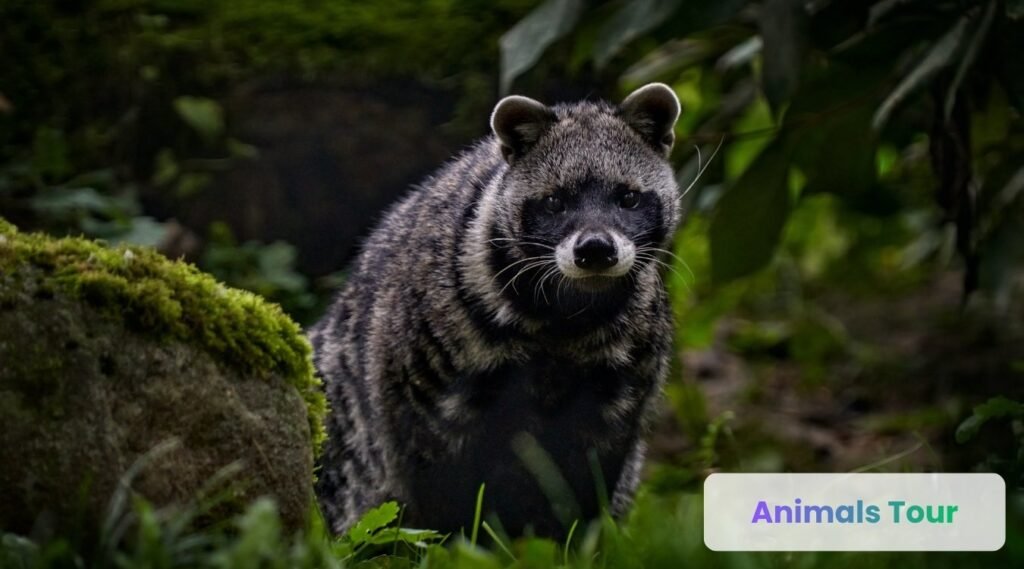
The resemblance is mostly in overall shape rather than fine detail. Up close, civets have a more elongated, cat-like face and often display bold patterns such as spots or stripes, lacking the dense, water-adapted fur of true otters. Despite this, their body proportions place them among animals that look like otters. They are also known for producing a strong-smelling secretion used historically in perfume, adding an unusual point of distinction beyond their appearance.
Badger
Scientific Name: Meles meles (European badger – common example)
Class: Mammalia
Diet: Omnivorous – earthworms, insects, small mammals, fruits, roots, and cereals.
The badger is stockier and more heavily built than the otter, but it still belongs to the same mustelid family and shares a few structural traits that loosely connect it to animals like otters. The European badger has a low, powerful body, thick coarse fur, and a broad head marked with a distinctive black and white striped face. The American badger is built in a similar way although flatter and wider in appearance. While neither closely resembles an otter at first glance, both retain the same basic mustelid body plan.
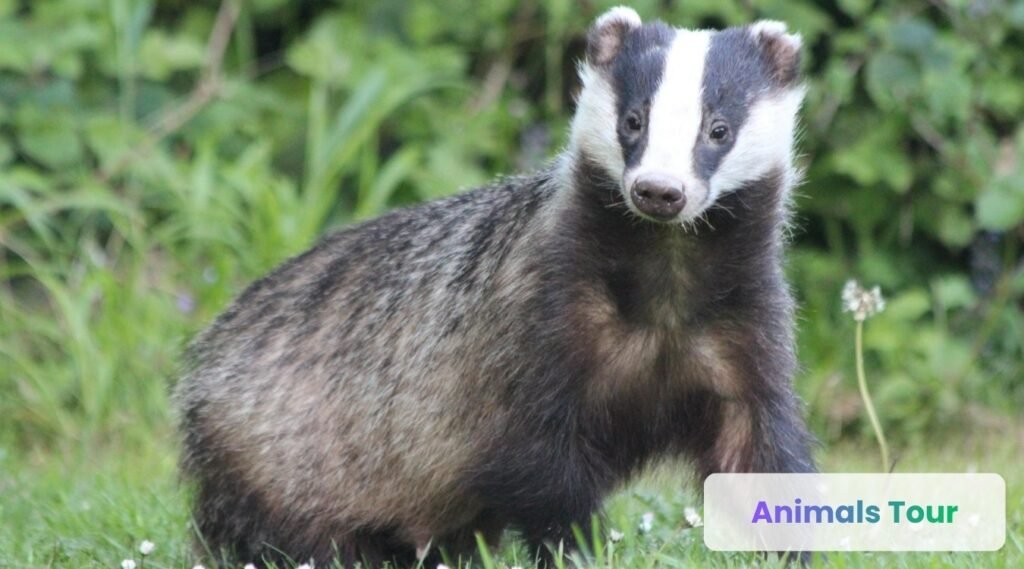
The similarity is easier to see in structure than in overall appearance. Badgers are not aquatic animals, but they are strong ground-dwelling diggers with compact, muscular bodies designed for strength and endurance. They can swim when needed and are often found around woodland edges, grasslands, and riverbanks.
Their shared traits, short legs, elongated torso, and dense fur, place them among animals that only subtly echo the otter’s form, with the connection becoming clearer when viewed within the wider mustelid family.
Why Do Some Animals Look Like Otters?
Many animals look like otters because they are either closely related to them or have adapted to live in similar environments. Otters belong to the Mustelidae family, which also includes animals such as minks, weasels, ferrets, martens, and wolverines. Because these animals share a common ancestor, they often have similar features, including long bodies, short legs, thick fur, and small rounded ears.
Some animals that are not closely related to otters can still look similar. This happens because animals that spend a lot of time in or around water often develop the same useful traits over time. For example, streamlined bodies, dense fur, and strong tails help them swim more easily and stay warm in cold water. As a result, animals like beavers and muskrats may look somewhat like otters, even though they belong to completely different animal groups.
Conclusion
Looking through this list of animals that look like otters, one thing becomes clear. The otter-like body plan, long, low, flexible, and built for active hunting, has evolved more than once across very different animal groups. Most of the species covered here are mustelids, which explains their close similarities through shared ancestry. However, animals like the mongoose and civet show that unrelated species can also develop similar forms when adapting to similar ways of moving and hunting.
Whether seen near rivers or studied in wildlife diversity, these examples of animals similar to otters highlight how nature repeatedly produces animals similar to otters through evolution. What connects them is not just appearance, but a shared design shaped for agility, speed, and efficient hunting across different habitats.
FAQS
What animal looks like a sea otter?
River otter – same family, very similar but slimmer
Mink – smaller, same dark brown fur and sleek body
Nutria – rounder face, but similar when swimming
Is a nutria the same as an otter?
No. The nutria is a large rodent, while the otter is a carnivorous mustelid. They are not related. The confusion usually happens when a nutria is seen swimming, as its movement in water can look very similar to an otter from a distance.
What animal is closest related to an otter?
The mink is the animal most commonly mistaken for an otter. It is semi-aquatic, has a very similar body shape and coat, and is often found in the same riverside habitats. The main difference is size, as mink are noticeably smaller than most otter species.
What are the animals that look like otters?
Animals that look like otters include minks, weasels, ferrets, martens, and wolverines. Most of these species belong to the Mustelidae family, the same mammal family as otters, which explains their similar appearance and body shape.