Top 12 Amazing Animals with Shells (Pictures included)
When people think about animals with hard shells, their minds usually jump straight to turtles. But the natural world is packed with an incredible variety of shelled creatures, from tiny garden snails to armored beetles and giant ocean-dwelling clams. So, what animals have shells? The answer spans several branches of the animal kingdom, including reptiles, mollusks, crustaceans, and even insects. In this article, we’ll explore twelve fascinating hard shell animals that use their protective coverings for defense, camouflage, and survival in wildly different habitats.
Whether you’re a curious nature lover, a student researching biology, or simply someone who wants to know more about animals that have a shell, this list covers land-dwellers, freshwater residents, and deep-sea creatures alike. Let’s dive into the top 12 animals with shells.
List of Animals with Shells
Here is the list of animals that have shells:
| Number of Animals | Names of Animals with Shells |
| 1 | Common Snapping Turtle |
| 2 | Garden Snail |
| 3 | King Crab |
| 4 | Horseshoe Crab |
| 5 | Gopher Tortoise |
| 6 | Nine Banded Armadillo |
| 7 | Conch |
| 8 | Nautilus |
| 9 | Oysters |
| 10 | Texas Ironclad Beetle |
| 11 | Pond Slider |
| 12 | Giant Clam |
Common Snapping Turtle
Scientific name: Chelydra serpentina
Class: Reptilia
Diet: Omnivore

The Common Snapping Turtle is one of the most recognizable hard shell animals found in North American ponds, lakes, and slow-moving rivers. Its dark, ridged carapace can grow up to 20 inches long, providing excellent camouflage among muddy riverbeds and submerged vegetation. Unlike many other turtles, snapping turtles cannot fully retract their heads and limbs into their shells, so they compensate with a powerful bite and an aggressive temperament when threatened on land.
These turtles are omnivorous and play an important ecological role as scavengers, helping to keep freshwater ecosystems clean. Their shells are made of bone covered by a layer of keratin, the same material found in human fingernails, making them remarkably durable against predators. As one of the most well-known animals with hard shells, the snapping turtle demonstrates how a shell can evolve into a nearly impenetrable natural armor.
Garden Snail
Scientific name: Cornu aspersum
Class: Gastropoda
Diet: Herbivore
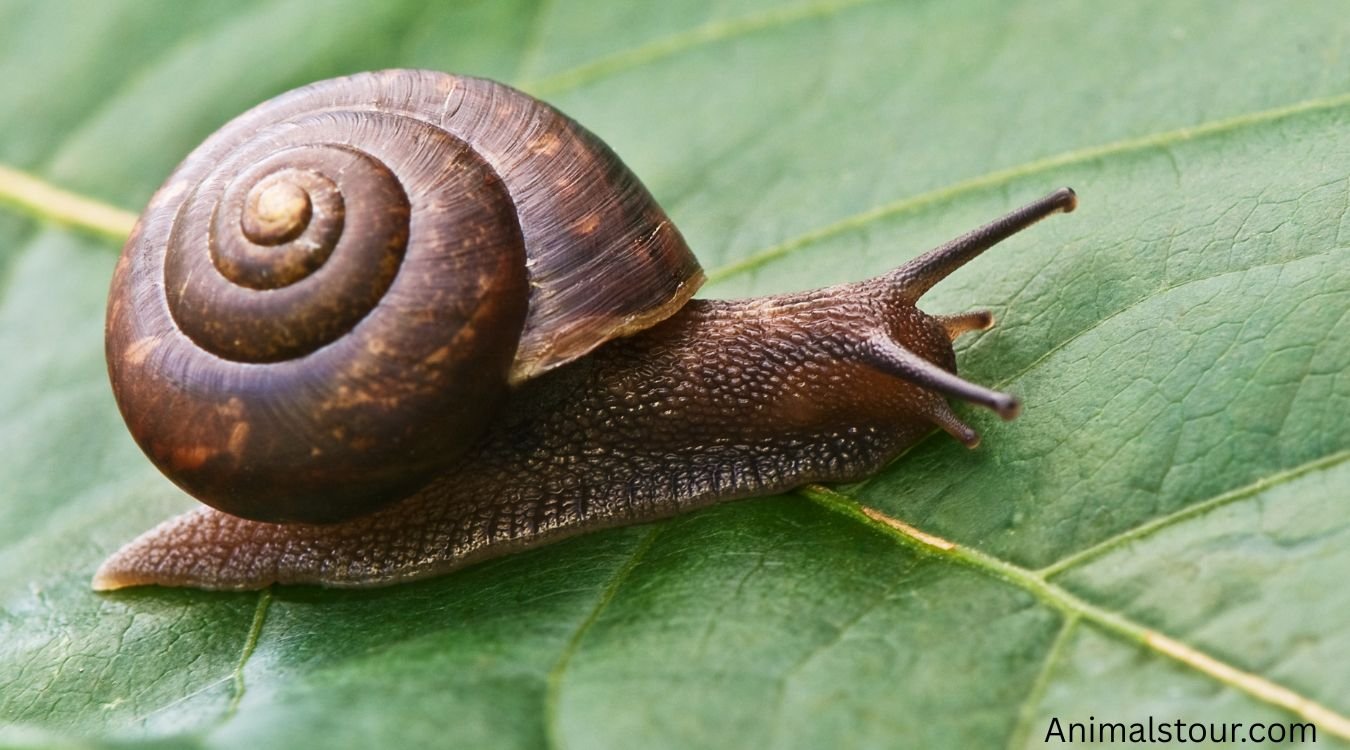
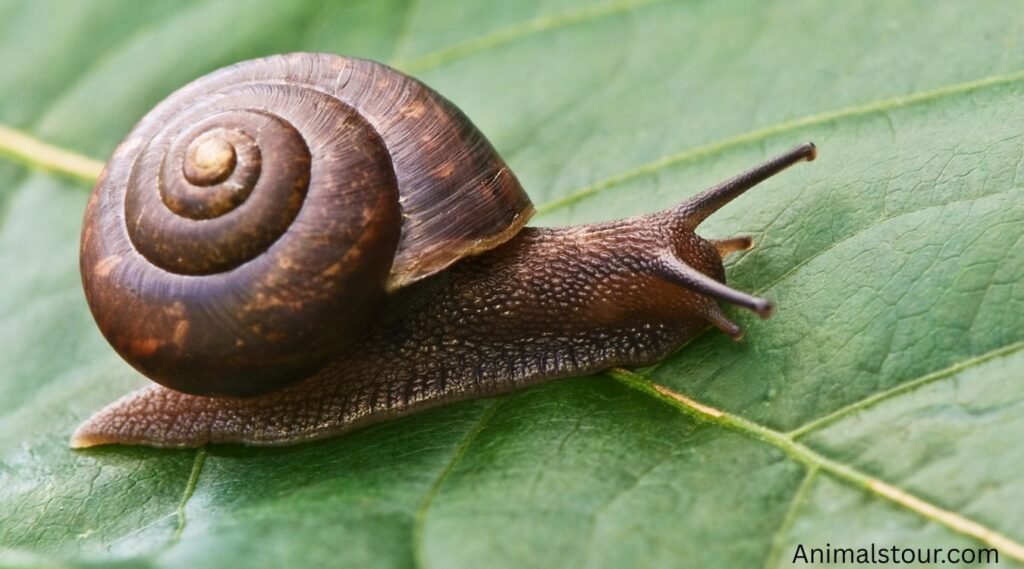
The Garden Snail is perhaps the most familiar of all shelled creatures, commonly spotted in backyards, gardens, and damp forest floors across the world. Its spiral shell, usually brown or tan with darker banding, is made of calcium carbonate secreted by the snail’s mantle. This lightweight yet sturdy shell grows throughout the snail’s life and serves as a mobile retreat from predators, sunlight, and dehydration.
When conditions become too dry or cold, garden snails retreat completely into their shells and seal the opening with a mucus membrane called an epiphragm. This adaptation allows them to survive harsh weather for extended periods. As a classic example of animals that have a shell, the garden snail shows how even small, slow-moving creatures can rely on shell architecture for long-term survival.
King Crab
Scientific name: Paralithodes camtschaticus
Diet: Omnivore
Class: Malacostraca
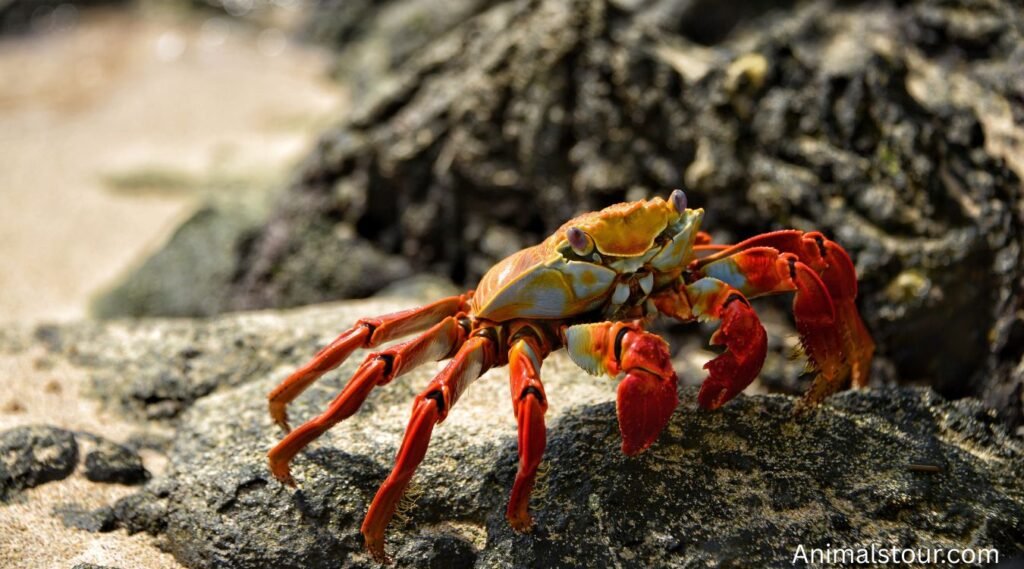
King Crabs are massive crustaceans found in cold ocean waters, particularly around Alaska, Russia, and the North Pacific. Rather than a single solid shell like a turtle, king crabs have a segmented exoskeleton made of chitin, which hardens with calcium deposits to form a spiky, armored covering. This exoskeleton protects their internal organs while allowing flexibility for movement across the ocean floor.
Because their shells don’t grow with them, king crabs must periodically molt, shedding their old exoskeleton and forming a new, larger one underneath. This process leaves them vulnerable for a short period until the new shell hardens. King crabs are a prime example of hard shell animals in marine environments, and they’re also highly prized in the seafood industry for their sweet, tender meat.
Horseshoe Crab
Scientific name: Limulus polyphemus
Class: Merostomata
Diet: Carnivore
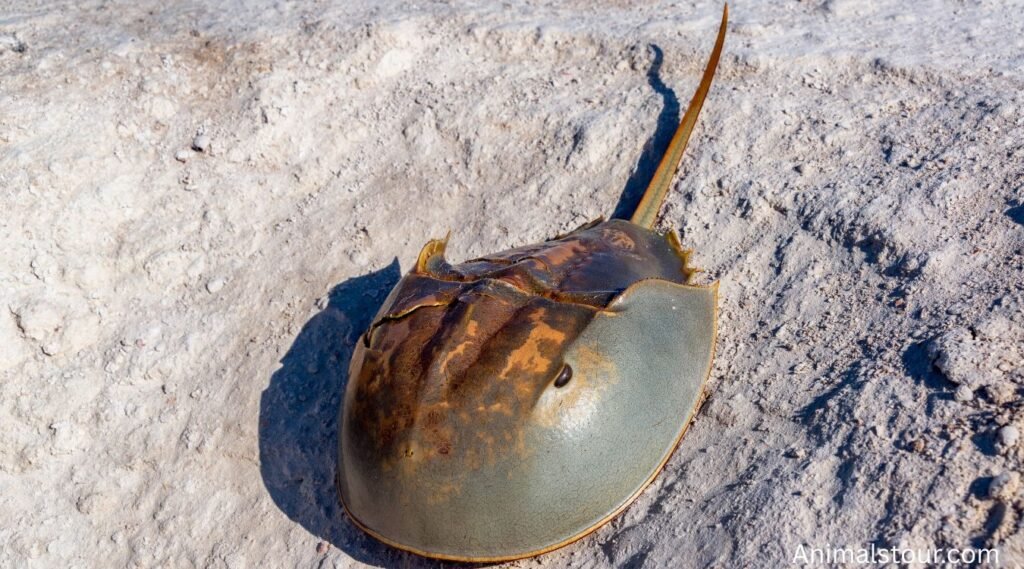
Despite the name, the Horseshoe Crab isn’t a true crab at all—it’s more closely related to spiders and scorpions. This ancient creature has existed for over 445 million years, making it one of the oldest surviving shelled creatures on Earth. Its smooth, dome-shaped shell, called a carapace, protects its body and gills while its long, pointed tail (telson) helps it flip over if turned upside down by waves.
Horseshoe crabs are famous not just for their shells but for their unique blue, copper-based blood, which is used in medical testing to detect bacterial contamination in vaccines and medical equipment. Found along the Atlantic coast of North America and parts of Asia, these living fossils remind us that animals with hard shells have been thriving in Earth’s oceans since long before the dinosaurs.
Gopher Tortoise
Scientific name: Gopherus polyphemus
Class: Reptilia
Diet: Herbivore
The gopher tortoise is a land-dwelling reptile native to the southeastern United States, known for digging extensive burrows that can stretch over 40 feet long. Its domed, brownish shell is built for protection against predators and environmental extremes, while its sturdy, elephant-like legs are adapted for digging rather than swimming. This tortoise is considered a keystone species because its burrows provide shelter for hundreds of other animals.
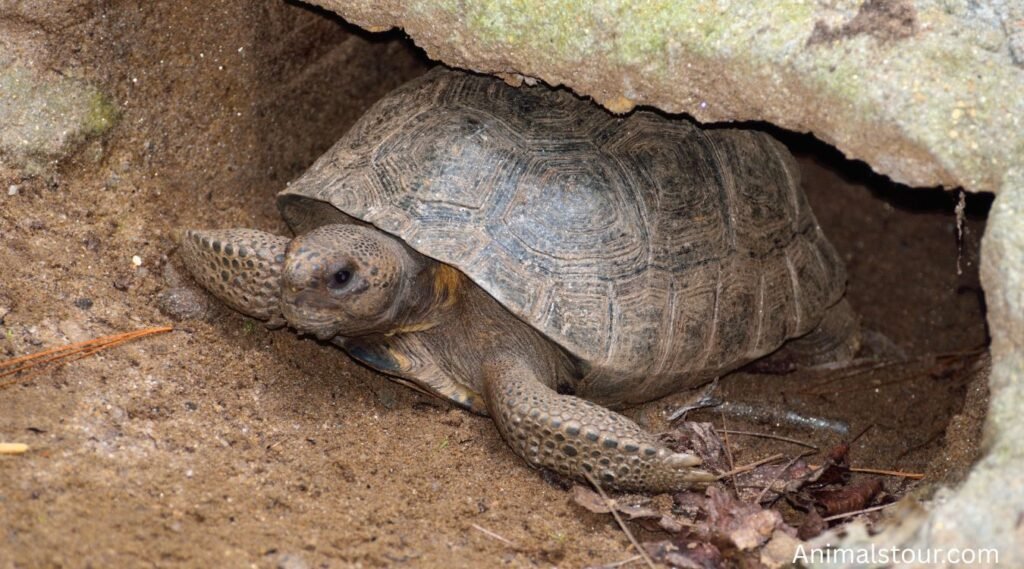
As one of the most important hard shell animals in its ecosystem, the Gopher Tortoise can retract its head and legs almost entirely into its shell for protection. Sadly, habitat loss has made this species threatened in much of its range, highlighting the importance of conservation efforts for animals that have a shell and rely on stable ecosystems to thrive.
Nine Banded Armadillo
Scientific name: Dasypus novemcinctus
Class: Mammalia
Diet: Omnivore
While not a mollusk or reptile, The Nine-Banded Armadillo is one of the most unique shelled creatures in the mammal world. Its shell, technically called a carapace, is made of bony plates covered in leathery skin, arranged in bands that allow for some flexibility while still providing strong protection. This armor covers its back, head, and tail, giving it a distinctive prehistoric appearance.
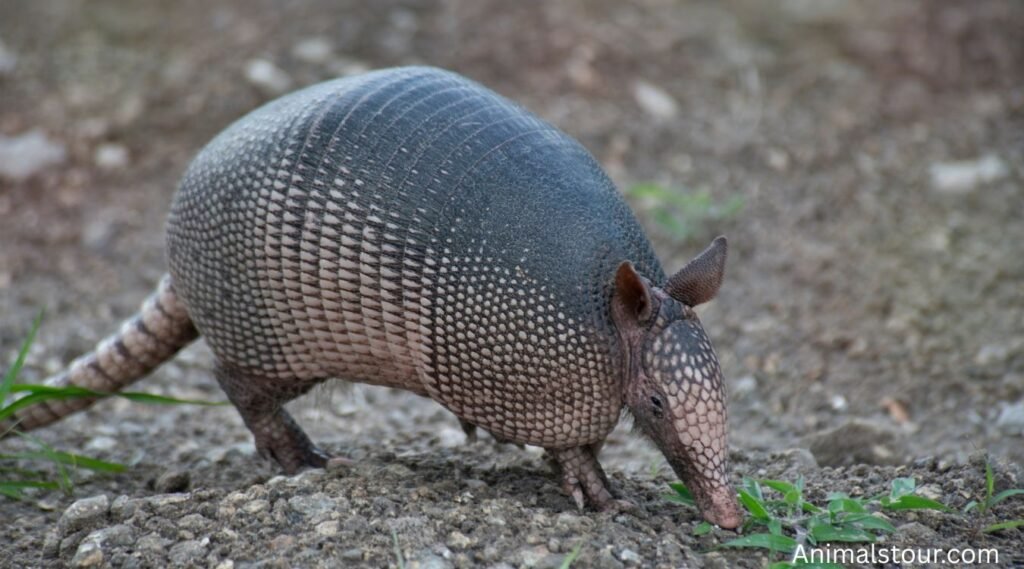
Native to the Americas, the armadillo uses its shell primarily for defense against predators like coyotes and bobcats, often curling into a ball or fleeing into burrows when threatened. Its diet consists mostly of insects and grubs, which it digs up using powerful claws. As an unusual entry among animals with hard shells, the armadillo proves that shell-like armor has evolved independently across very different branches of the animal kingdom.
Conch
Scientific name: Strombus gigas
Class: Gastropoda
Diet: Herbivore
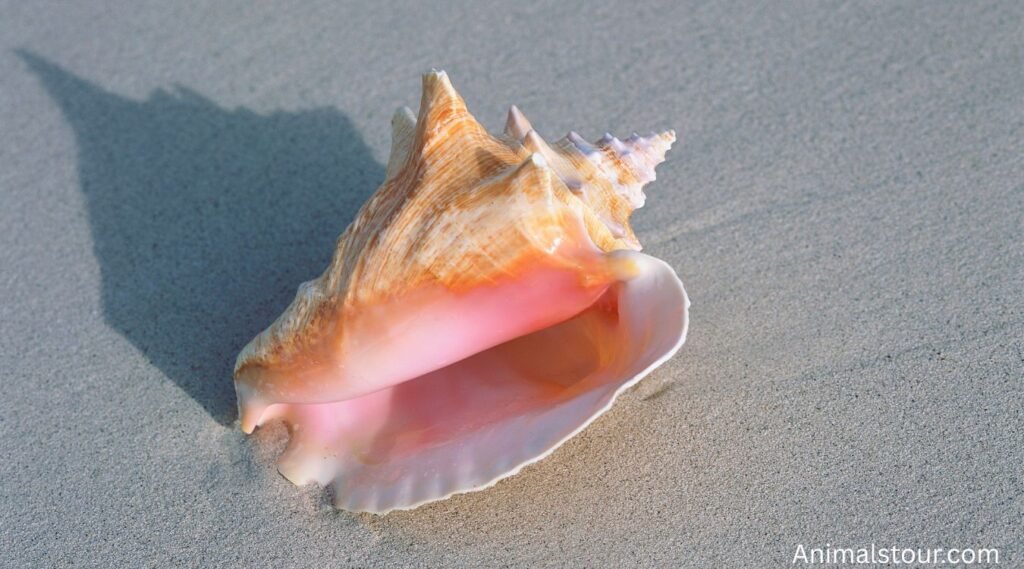
The Conch is a large sea snail known for its spiral, often pink-lipped shell that has been prized by humans for centuries as both a decorative object and a musical instrument. Found in warm, shallow waters throughout the Caribbean and Western Atlantic, conchs use their thick, durable shells to protect their soft bodies from predators like crabs, fish, and sea turtles.
Conch shells grow in a spiral pattern, adding new material at the opening as the animal matures, which can take several years to reach full size. Beyond their protective function, conchs are also an important food source in many coastal cultures. As one of the most iconic animals that have a shell in tropical waters, the conch beautifully illustrates the intersection of biology, culture, and design found throughout the mollusk world.
Nautilus
Scientific name: Nautilus pompilius
Class: Cephalopoda
Diet: Carnivore/Scavenger
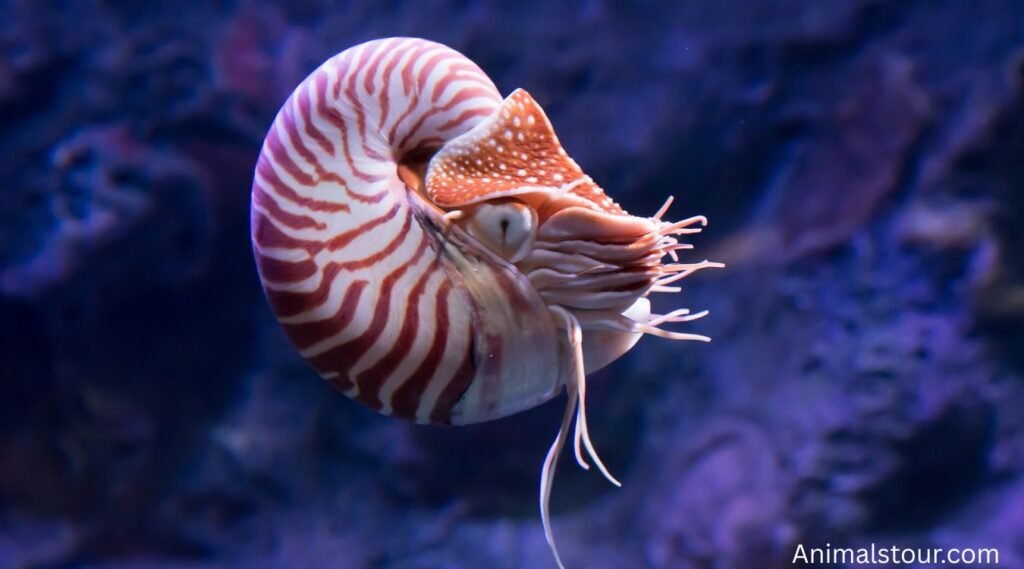
The Nautilus is often called a “living fossil” because it has remained largely unchanged for hundreds of millions of years, making it one of the most ancient hard shell animals still alive today. Its coiled, chambered shell is a marvel of natural engineering—each chamber is filled with gas or liquid, allowing the nautilus to control its buoyancy as it swims through deep ocean waters.
Unlike most other shelled mollusks, the nautilus only occupies the outermost, largest chamber of its shell, while the inner chambers serve purely as buoyancy control. This spiral design follows a mathematical pattern known as a logarithmic spiral, admired by scientists and artists alike. Found in the deep waters of the Indo-Pacific, the nautilus remains one of the most fascinating shelled creatures for anyone curious about what animals have shells.
Oysters
Scientific name: Crassostrea virginica
Diet: Filter feeder
Class: Bivalvia
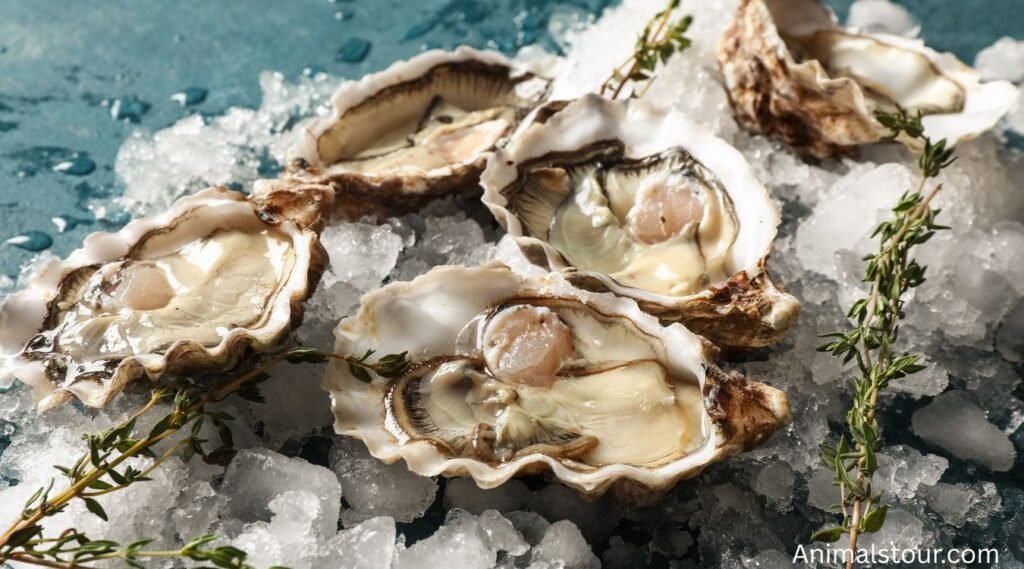
Oysters are bivalve mollusks known for their rough, irregularly shaped shells that provide excellent protection in intertidal and shallow marine environments. Their shells are made of two hinged valves that can clamp shut tightly to guard against predators and prevent water loss during low tide. Oysters attach themselves to rocks, docks, and other hard surfaces, often forming large reef colonies over time.
Beyond their protective shells, oysters are ecologically valuable because they filter and clean surrounding water as they feed on plankton. They’re also famous for occasionally producing pearls when irritants become trapped inside their shells. As a widely recognized member of the animals with hard shells family, oysters demonstrate how shell-building can serve both individual protection and broader environmental benefits.
Texas Ironclad Beetle
Scientific name: Zopherus nodulosus haldemani
Class: Insecta
Diet: Herbivore/Detritivore
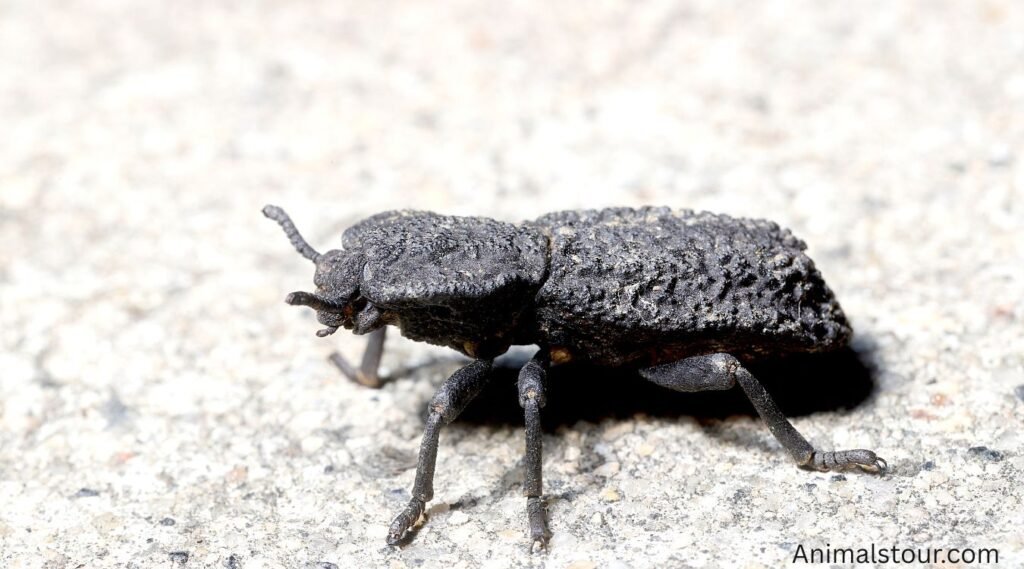
The Texas Ironclad Beetle is a small but remarkably tough insect native to the southwestern United States, particularly Texas. True to its name, this beetle has one of the hardest exoskeletons in the insect world, capable of withstanding being run over by a car without sustaining damage. Its shell-like exterior is so durable that entomologists sometimes need specialized tools just to pin specimens for study.
This incredible resilience comes from a unique layered structure within its exoskeleton, which has even inspired materials scientists researching impact-resistant designs. Slow-moving and often found on mesquite trees, the Texas Ironclad Beetle proves that hard shell animals aren’t limited to the sea or large reptiles—even a small beetle can be one of the toughest shelled creatures in nature.
Pond Slider
Scientific name: Trachemys scripta
Class: Reptilia
Diet: Omnivore
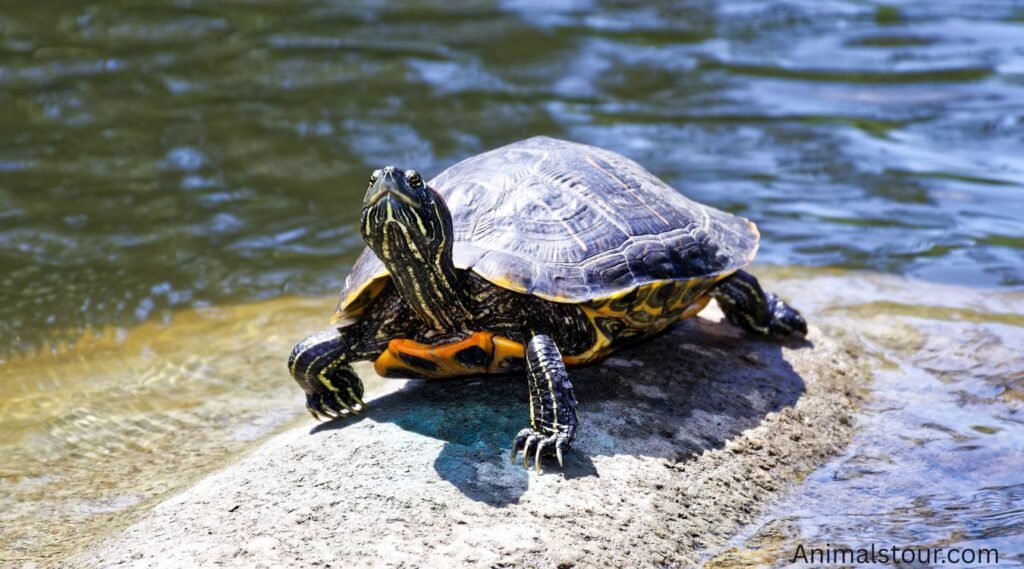
The Pond Slider, which includes the popular Red-Eared Slider subspecies, is a freshwater turtle commonly found in ponds, lakes, and slow rivers throughout the United States. Its smooth, oval-shaped shell is typically olive to brown with yellow markings, and it’s known for “sliding” quickly off rocks and logs into the water when startled—hence its name.
Pond Sliders are popular in the pet trade due to their manageable size and hardy nature, though they can grow quite large and live for decades in the wild. Their shells provide essential protection from predators like herons, raccoons, and larger fish, especially while basking on logs in open water. As one of the most commonly kept animals that have a shell, the Pond Slider is often many people’s first introduction to reptile care.
Giant Clam
Scientific name: Tridacna gigas
Class: Bivalvia
Diet: Omnivore
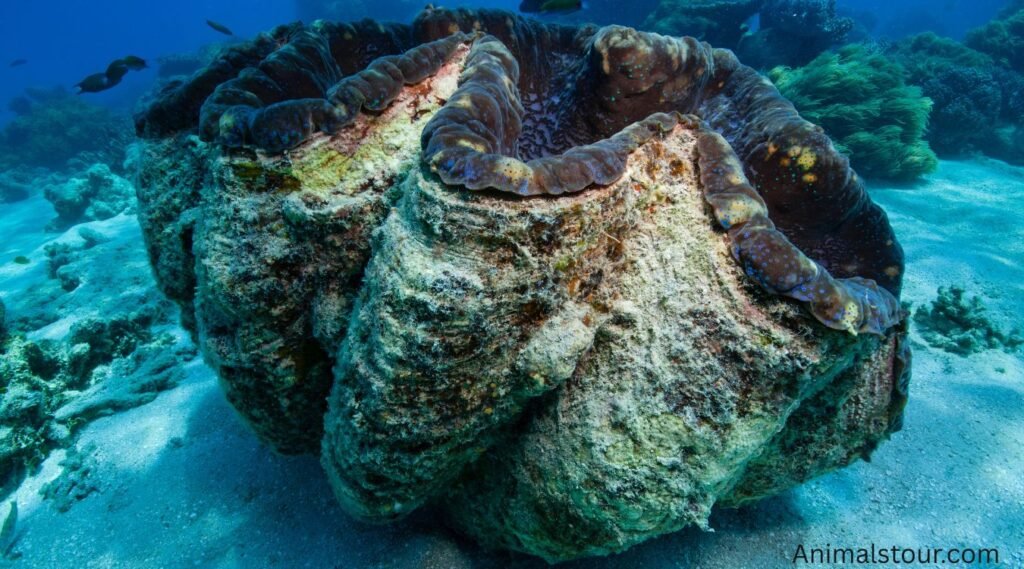
The Giant Clam is the largest living bivalve mollusk in the world, capable of growing over four feet wide and weighing more than 500 pounds. Found in the coral reefs of the Indo-Pacific, its massive, fluted shell serves as both armor and a home for colorful symbiotic algae that live within its tissue, giving the clam its vibrant, iridescent coloring.
Despite popular myths depicting giant clams as dangerous “man-eaters” that trap divers, they actually close quite slowly and pose little real threat to humans. Their enormous shells provide vital shelter for various reef species and contribute to the structural complexity of coral reef ecosystems. As the largest of all shelled creatures on this list, the Giant Clam is a powerful reminder of just how diverse and impressive animals with hard shells can be.
Final Thoughts
From the ancient horseshoe crab to the almost indestructible Texas Ironclad Beetle, this list shows just how varied hard shell animals truly are across land, freshwater, and ocean habitats. Whether protecting against predators, harsh weather, or physical impact, shells have proven to be one of evolution’s most versatile survival tools.
So the next time someone asks what animals have shells, you’ll know the answer goes far beyond turtles and snails—it spans reptiles, mollusks, crustaceans, and insects alike, each with its own remarkable adaptation for staying safe in a challenging world.
FAQs
Which animal lives in a shell?
One of the most well-known animals that lives in a shell is the snail. Snails have coiled, spiral shells made of calcium carbonate, which protect them from predators and harsh environments. They can retract completely into their shells for safety and moisture retention.
Which mammal has a shell?
The mammal with a shell is the armadillo. These unique creatures are known for their distinctive armor-like shell, which is made up of bony plates covered in skin. Armadillos primarily reside in the Americas and are often found in grasslands, forests, and even deserts.
What is the largest animal with shell?
The largest animal with a shell is the leather back sea turtle. These turtles can weigh over 2,000 pounds and grow up to nearly 7 feet in length.
What animal has the hardest shell?
The horseshoe crab has one of the toughest shells among animals, characterized by its robust exoskeleton made of a hard material called chitin. This shell not only provides protection from predators but also helps the animal survive in various environments, from shallow waters to sandy beaches.
What animals have shells?
Many different types of animals have shells, including turtles and tortoises, snails, crabs, clams, oysters, and even a species of beetle. Shelled creatures are found across reptiles, mollusks, crustaceans, and insects, showing that shell-building has evolved independently many times throughout the animal kingdom.
Why do some animals have hard shells?
Animals with hard shells typically develop this armor as a defense mechanism against predators, as well as protection from environmental stress like dehydration, extreme temperatures, and physical impact. A shell allows an otherwise soft-bodied or vulnerable creature to survive in habitats where it might otherwise be an easy target.
What is the difference between a shell and an exoskeleton?
A shell, like that of a turtle or clam, is usually a single fused or hinged structure that the animal cannot shed. An exoskeleton, found in crustaceans like king crabs and insects like the Texas Ironclad Beetle, is a hard outer covering that the animal must periodically molt and regrow as it increases in size.
Do all shelled animals live in water?
No. While many animals that have a shell, such as oysters, conchs, and giant clams, live exclusively in water, others like the Gopher Tortoise and Nine Banded Armadillo are fully land-dwelling. Some, like the Pond Slider and Common Snapping Turtle, split their time between freshwater habitats and land.
Can a shelled animal survive without its shell?
For most shelled creatures, the shell is a vital, permanent part of their body rather than a removable accessory, so losing it can be fatal or severely harmful. Hermit crabs are a well-known exception since they borrow empty shells rather than growing their own, but for animals like turtles, clams, and snails, the shell is fused to or grown directly from their body.
Is a turtle’s shell part of its body?
Yes. A turtle’s shell is a living part of its skeleton, made of bone fused to its ribs and spine, and covered by keratin scutes. This is why animals with hard shells like turtles cannot simply leave or exchange their shells the way hermit crabs do.