15 Incredible Animals That Can Regenerate Body Parts and Why Humans Can’t
Animals that can regenerate body parts use different mechanisms to repair or replace damaged tissues. Some can regrow limbs, while others regenerate tails, eyes, teeth, fins, internal organs, or even large portions of their bodies.
The most remarkable examples include axolotls, planarians, sea stars, hydras, zebrafish, and newts. Surprisingly, a few mammals also possess unusual regenerative abilities.
But regeneration is not the same in every species. Some animals can rebuild an entire complex structure, while others can replace only certain tissues or appendages.
What Is Regeneration?
Regeneration is the process of replacing damaged or missing cells, tissues, organs, or body structures with new functional tissue.
All animals can repair injuries to some degree, but the extent varies greatly. Human wounds, for example, usually heal through tissue repair and scar formation. Some animals can go much further and recreate structures that closely resemble the original.
Depending on the species, regeneration can involve:
- Stem cells
- Progenitor cells
- Cell proliferation
- Dedifferentiation
- Tissue patterning
- Chemical signaling
- Controlled immune responses
One important structure in several regenerative animals is the blastema, a temporary group of cells that develops near an injury and contributes to rebuilding the missing structure.
15 Animals That Can Regenerate Body Parts
1. Axolotl
The axolotl (Ambystoma mexicanum) is one of the best-known examples of regeneration in the animal kingdom.
This Mexican salamander can regenerate entire limbs and repair parts of its spinal cord, heart, eyes, and nervous system. Unlike humans, it retains substantial regenerative abilities throughout adulthood.
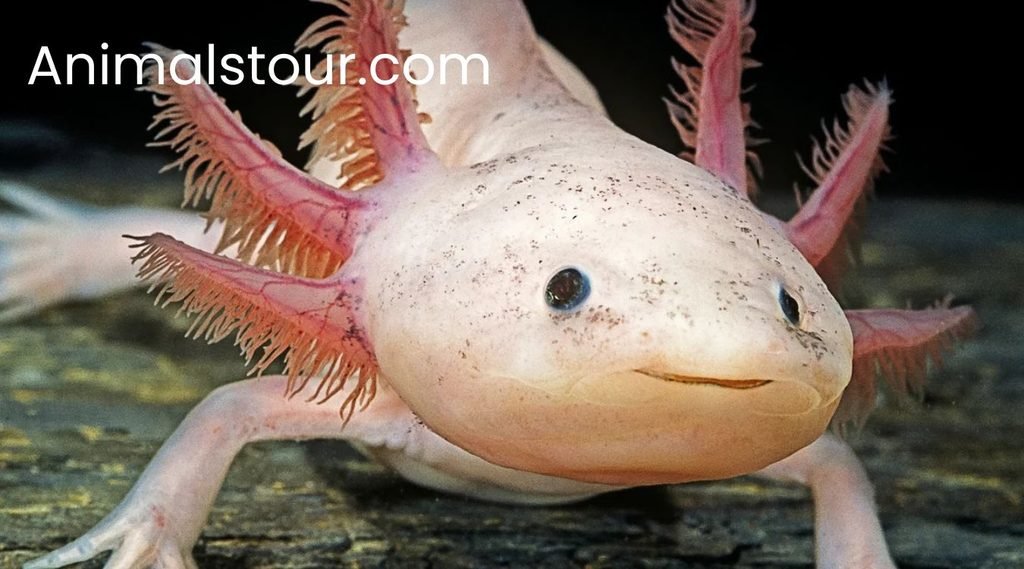
After an injury, cells near the wound contribute to a regenerative structure called a blastema. Instead of simply closing the wound with scar tissue, the axolotl coordinates cell growth and tissue patterning to reconstruct the missing structure.
This makes the axolotl an important research model for understanding limb regeneration.
2. Planarians
Planarian flatworms are famous for their ability to regenerate major portions of their bodies.
If a planarian loses its head, it can grow a new one. If it loses its tail, it can replace that as well. Some species can regenerate after being divided into multiple pieces.
Their remarkable ability is strongly associated with neoblasts, a population of highly versatile stem cells capable of producing many different cell types.
Because of this, planarians are widely studied to understand how an animal can reconstruct its body plan after severe injury.
3. Sea Stars
Sea stars, commonly called starfish, can regenerate lost arms.
Their arms contain muscles, nerves, skeletal structures, and other tissues, making regeneration more complex than simply replacing skin.
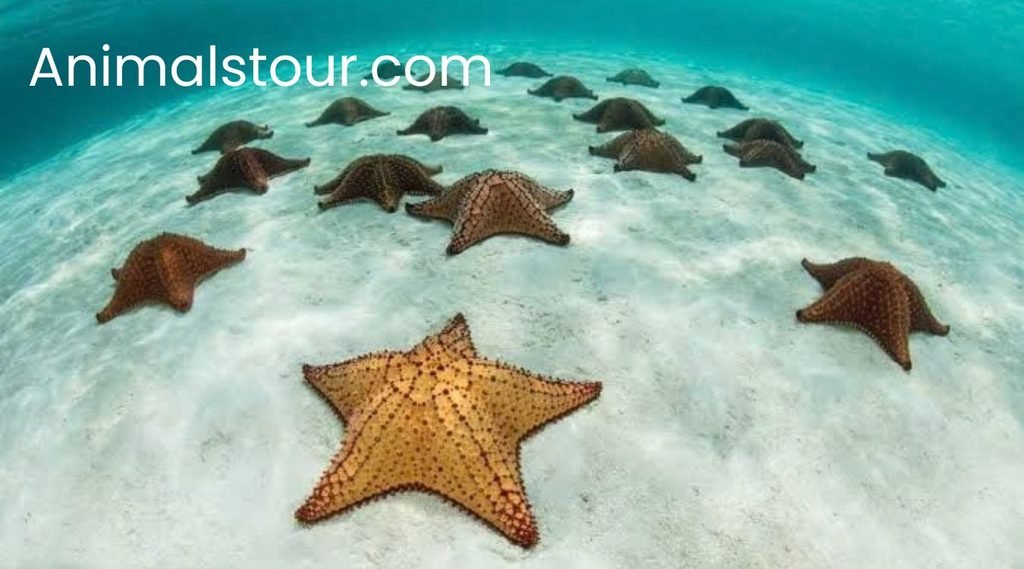
Some species can also regenerate enough of their central body from a separated portion to produce a new individual.
This combination of regeneration and asexual reproduction makes sea stars valuable models for studying how complex tissues are rebuilt.
4. Zebrafish
The tiny zebrafish (Danio rerio) has become an important research model for regeneration.
Adult zebrafish can regenerate their fins and repair several complex tissues, including parts of the heart and retina. Researchers have also investigated regenerative processes in their nervous system and other organs.
Their transparent embryos, relatively simple biology, and regenerative abilities make them particularly useful for studying what happens inside tissues after injury.
5. Newts
Newts are another group of salamanders with impressive regenerative abilities.
Depending on the species, newts can regenerate limbs, tails, parts of the heart, eyes, and spinal cord tissue.
Their importance comes partly from the fact that they are vertebrates, just like humans. Studying them helps researchers investigate why some vertebrates maintain extensive regeneration while mammals generally have much more limited abilities.
6. Hydra
The tiny freshwater hydra has an extraordinary ability to rebuild its body.
A hydra can regenerate missing structures, and under experimental conditions, pieces of the animal can reorganize into complete individuals.
Hydras rely heavily on continuously dividing stem cells that replace older cells and participate in regeneration.
Their simple body structure makes them useful for studying stem cells, tissue maintenance, regeneration, and aging.
7. Sea Cucumbers
Sea cucumbers have one of the strangest regenerative strategies in nature.
Some species can eject internal organs when threatened, a process known as evisceration. They can subsequently regenerate the lost organs, including portions of the digestive system.
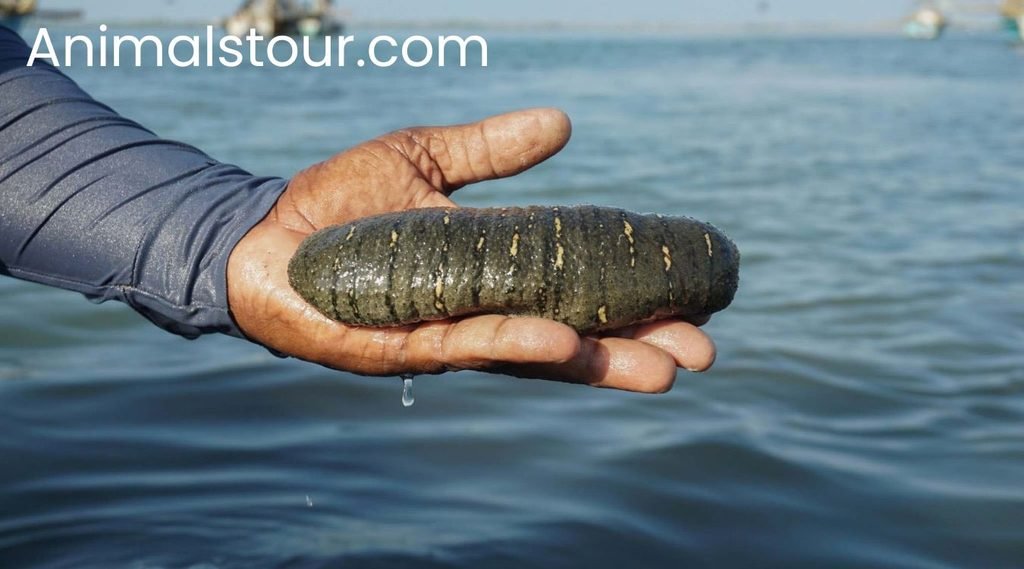
The process involves coordinated cell growth, tissue remodeling, and differentiation.
Because rebuilding an internal organ is considerably more complex than closing a surface wound, sea cucumbers provide an interesting model for studying organ regeneration.
8. Lizards
Many lizards can deliberately detach their tails to escape predators. This defensive behavior is called autotomy.
After losing the tail, the animal can grow a replacement. However, the new tail is not an exact copy of the original.
For example, the regenerated tail generally develops a cartilage-based support structure instead of reproducing the original vertebrae. It can still be functional, but its internal anatomy differs from the first tail.
Lizard tail regeneration therefore demonstrates that regeneration can restore function without necessarily recreating every original structure perfectly.
9. African Spiny Mouse
The African spiny mouse (Acomys) is particularly fascinating because it is a mammal.
Most mammals have relatively limited regenerative abilities, but Acomys species can repair certain skin injuries and regenerate portions of ear tissue with considerably less scarring than typical laboratory mice.
Research has documented the regeneration of structures such as hair follicles, skin, and cartilage.
The spiny mouse has therefore become an important model for investigating how mammals might repair damaged tissue while reducing excessive scar formation.
10. Crayfish
Crayfish can regenerate lost limbs and other appendages.
Their regenerative process is closely connected to molting. A developing replacement appendage forms after injury and becomes larger and more functional through subsequent molts.
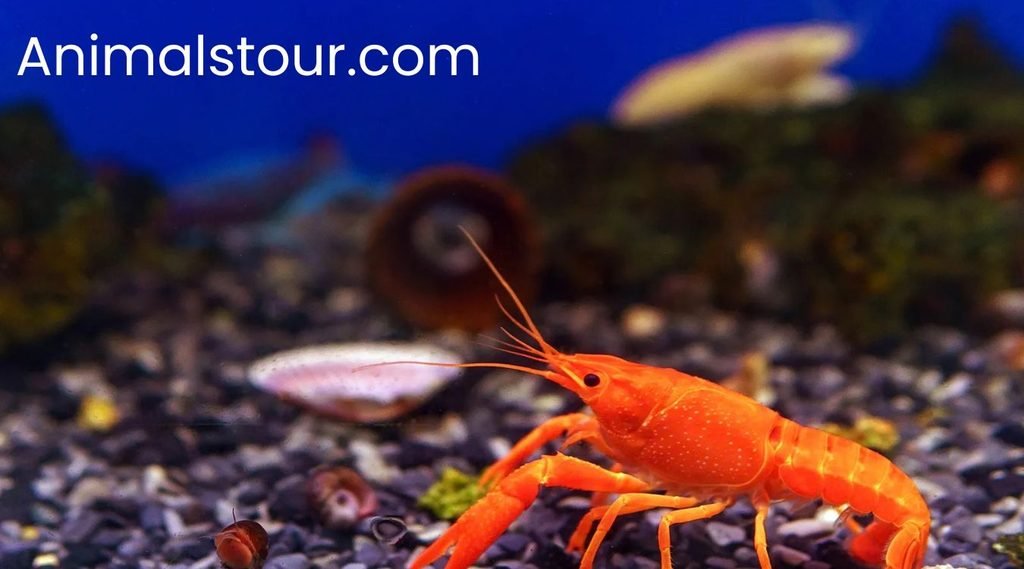
Younger crayfish generally have greater regenerative potential than older individuals.
Their ability to replace complex appendages makes them useful for studying regeneration in arthropods.
11. Brittle Stars
Brittle stars are relatives of sea stars and are especially capable of regenerating their arms.
A regenerated arm can include new skeletal elements, muscles, nerves, and other tissues.
Researchers have identified developmental genes and signaling pathways that become active during the process.
Because brittle stars can repeatedly rebuild complex appendages, they offer another useful example of regeneration in marine animals.
12. Strombid Sea Snails
Some marine gastropods, including strombid sea snails, can regenerate their eyes after injury.
Research has shown that regenerated eyes can develop important visual structures, including retinal tissue.
Other gastropods have demonstrated similar abilities. Studies have documented the development of structures such as the lens, cornea, retina, and optic nerve during eye regeneration.
This makes these animals particularly interesting for research into how complex sensory organs can be rebuilt.
13. Sharks
Sharks cannot regrow limbs, but many species have an impressive system for continuously replacing their teeth.
This ability is known as polyphyodonty, meaning teeth are repeatedly replaced throughout life.
When an older tooth is lost or becomes unusable, another tooth can move into position. Depending on the species, sharks may replace thousands of teeth during their lifetime.
Scientists study shark tooth development to better understand the biological mechanisms behind repeated tooth formation.
14. Deer
Deer provide one of the most remarkable examples of regeneration among mammals.
Male deer grow and shed their antlers every year. During the growing season, antlers develop rapidly and form a complex structure containing bone, blood vessels, nerves, and connective tissue.
Unlike a simple wound-healing process, antler growth involves the coordinated development of a large and highly organized structure.
Because deer are mammals, their ability to repeatedly regenerate antlers has attracted significant interest in regenerative biology.
15. Sea Squirts
Sea squirts, also called tunicates, include species capable of regenerating substantial portions of their bodies.
After injury, some tunicates can reorganize remaining tissues and restore lost structures through changes in cell division, differentiation, and tissue organization.
Tunicates are particularly interesting because they are relatively close evolutionary relatives of vertebrates. Studying them may help researchers understand how regenerative abilities developed and changed during evolution.
How Do Animals Regenerate Lost Body Parts?
There is no single mechanism responsible for regeneration. Different animals use different combinations of cellular and molecular processes.
Stem Cells
Stem cells are especially important in organisms such as planarians and hydras.
They can divide and produce specialized cells needed to replace damaged or missing tissues.
Planarian neoblasts are one of the clearest examples of a stem-cell population supporting extensive whole-body regeneration.
Dedifferentiation
Some animals can cause mature cells to become less specialized after an injury.
These cells can then contribute to rebuilding damaged structures.
This cellular flexibility is an important feature of regeneration in salamanders such as axolotls and newts.
Blastema Formation
A blastema is a temporary collection of regenerative cells that forms near an injury in several species.
It provides cells that contribute to the replacement structure. Salamanders are among the best-known animals in which blastema formation plays an important role in limb regeneration.
Tissue Patterning
Regeneration requires more than simply producing new cells.
The body must also provide instructions telling those cells where they belong and what structures they should form.
Signaling pathways involving molecules such as Wnt, FGF, TGF-β, and Notch have been associated with regenerative processes in different animals.
Why Can’t Humans Regenerate Limbs?
Humans are capable of regeneration, but our abilities are much more limited.
Our bodies continuously replace cells and repair tissues. Skin can heal, bones can remodel, and the liver has substantial regenerative capacity. However, humans cannot normally rebuild an entire arm or leg after amputation.
The limitation is not simply a lack of stem cells. Large-scale regeneration requires coordinated control of cell growth, tissue patterning, immune responses, signaling pathways, and development.
After major injuries, human tissues generally prioritize rapid wound closure and repair. This often leads to scar formation instead of recreating the original anatomy.
Scientists are still investigating why mammals have more restricted regenerative abilities than animals such as salamanders and planarians.
Could Humans Ever Regrow Limbs?
Regenerative medicine is studying animals that can rebuild complex structures to understand whether some of their biological mechanisms could eventually benefit humans.
Researchers are investigating axolotls, zebrafish, newts, lizards, spiny mice, and other organisms to learn more about:
- Tissue repair
- Nerve regeneration
- Scar reduction
- Stem-cell behavior
- Organ regeneration
- Tissue engineering
- Limb development
Complete human limb regeneration is still a research goal rather than an established medical treatment.
Regeneration vs. Healing
Healing and regeneration are related but not identical.
Healing restores the body’s damaged area, often through wound closure and scar formation.
Regeneration replaces lost tissue with new tissue that restores some or all of the original structure and function.
For example, a lizard can regenerate a functional tail, but the replacement does not perfectly reproduce the original anatomy. A salamander can rebuild a much more complete version of a lost limb.
This difference is important when comparing the regenerative abilities of different animals.
Why Scientists Study Regenerative Animals
These animals are valuable because they provide natural examples of biological processes that humans can perform only to a limited degree.
Research into regeneration may help scientists better understand:
- Wound healing
- Scar formation
- Nerve repair
- Stem-cell biology
- Organ repair
- Tissue engineering
- Immune regulation
- Developmental biology
The African spiny mouse, for example, provides insight into tissue repair with reduced scarring, while zebrafish offer useful models for studying regeneration in tissues such as the heart and retina.
These discoveries do not mean that human limb regeneration is close to becoming routine medicine. Instead, they provide researchers with biological clues that may help improve future treatments.
Final Thoughts
The animal kingdom contains remarkable examples of regeneration, from axolotls rebuilding complete limbs to planarians replacing their heads and sea cucumbers rebuilding internal organs.
Other species demonstrate more specialized abilities. Lizards replace lost tails, sharks continually produce new teeth, zebrafish repair several complex tissues, and deer regenerate an entirely new set of antlers each year..
For scientists, these animals that can regenerate are more than biological curiosities. They provide valuable clues about stem cells, tissue development, wound healing, and the mechanisms that determine whether an injury becomes a scar or the beginning of a new structure.
Frequently Asked Questions
What animals can regenerate limbs?
Axolotls and several other salamanders can regenerate complex limbs. Crayfish can replace lost appendages, while sea stars and brittle stars can regenerate arms. These structures are not all anatomically equivalent to a vertebrate limb.
What animal can regrow its head?
Planarian flatworms are among the most famous animals capable of regenerating a lost head. Their neoblast stem cells play a major role in reconstructing the missing tissues.
Can mammals regenerate body parts?
Mammals have limited regenerative abilities, but deer regenerate their antlers annually, while African spiny mice can regenerate certain skin and ear tissues with relatively little scarring.
Can humans regenerate body parts?
Humans can regenerate or repair some tissues, but we cannot normally regrow a complete lost limb. Human regeneration is much more limited than that of animals such as axolotls or planarians.