10 Animals That Can Survive Without Water | Incredible Survival
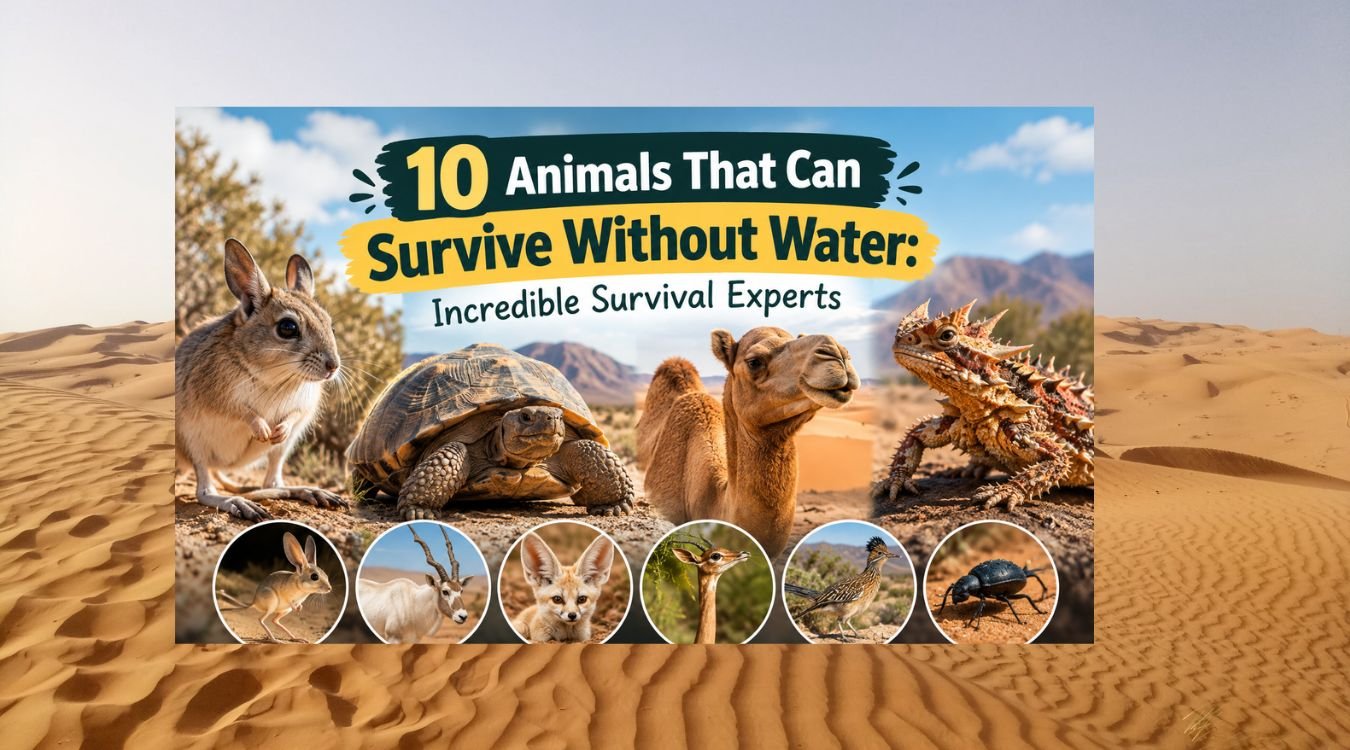
Imagine surviving days, weeks, or even months without water — sounds impossible, right? Yet, countless animals don’t just survive but thrive in some of the driest places on the planet. This article introduces you to 10 incredible animals that can survive without water, unveiling how desert creatures and others have evolved to need very little hydration. You’ll be amazed by their ingenious survival tactics and how they remind us of the wonders of adaptation in the natural world.
List of Animals that can survive without water
- Kangaroo Rat — the strongest example; can survive without drinking free water.
- Desert Tortoise — can survive exceptionally long periods without access to water.
- Camel — iconic desert survivor, with excellent water-conservation adaptations.
- Thorny Devil — fascinating ability to collect moisture through its skin.
- Jerboa — gets much of its water from food and has highly efficient water conservation.
- Addax — highly specialized for surviving the extreme Sahara.
- Fennec Fox — gets moisture from food and avoids heat through nocturnal behavior.
- Gerenuk — obtains much of its moisture from vegetation.
- Roadrunner — uses prey as a source of moisture and has impressive water-saving adaptations.
- Namib Desert Beetle — one of the most fascinating examples because it can collect moisture from fog.
1. kangaroo rat
The kangaroo rat, a remarkable example of adaptation in the arid landscapes of North America, showcases how some animals can thrive without drinking water. These extraordinary desert dwellers have evolved specialized kidneys that extract moisture from their food, primarily seeds, allowing them to remain hydrated despite the extreme conditions. By not only conserving water but creating their own via metabolic processes, they stand out among animals that survive without water.
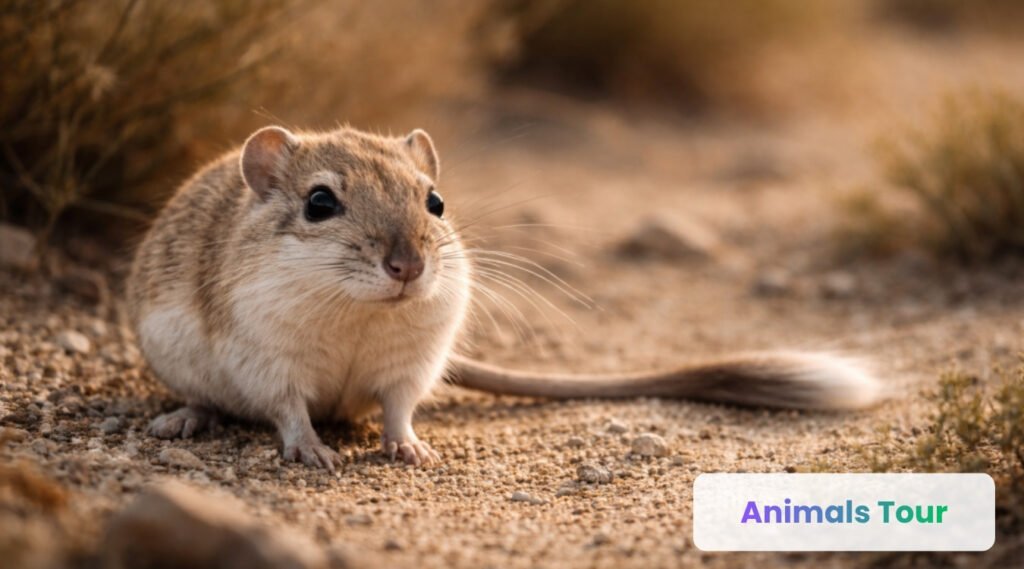
What’s even more fascinating is the kangaroo rat’s ability to utilize underground burrows for insulation and humidity retention. This clever strategy minimizes water loss and protects them from the harsh desert elements. Coupled with their nocturnal lifestyle, these animals that need very little water have mastered the art of survival in an unforgiving environment, often going their entire lives without directly consuming a drop. In doing so, they illuminate the remarkable resilience found in the natural world, inspiring studies into how other desert animals survive without water.
Water strategy: metabolic water + extreme water conservation.
2. Desert Tortoise
The desert tortoise stands as a remarkable example of resilience in a harsh environment, showcasing how certain animals that survive without water have evolved extraordinary adaptations. This humble reptile can efficiently extract moisture from the plants it consumes, particularly the nutrient-rich cacti and wildflowers that flourish sporadically in its arid habitat. By burrowing deep into the earth, the tortoise also preserves moisture, utilizing its burrow as a refuge from sweltering temperatures and conserving vital water reserves.
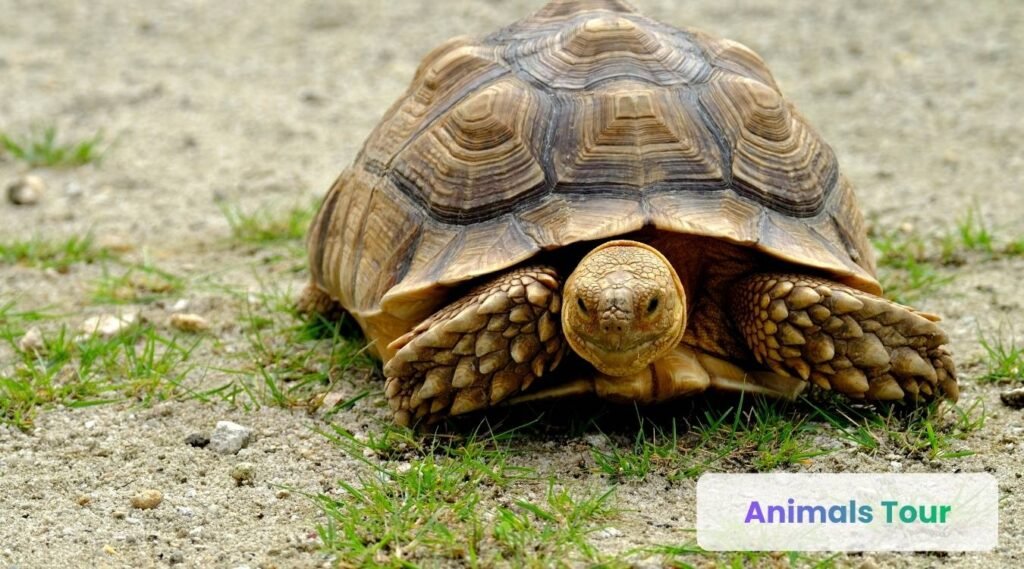
Interestingly, desert tortoises can endure extended periods without drinking water, relying instead on their slow metabolism and the water contents of their food. During the hottest months, these ingenious animals can enter a state of dormancy, significantly reducing their physiological processes to conserve energy and hydration. This remarkable survival strategy mirrors that of other desert animals that need very little water, solidifying the tortoise’s status as one of nature’s true survivors in the face of scarcity. By understanding how animals survive without water, we gain insight into the intricate web of life that thrives even in the most unforgiving environments.
Water strategy: water storage + low metabolism + underground shelter.
3. Camel
Camel adaptations showcase the incredible resilience of desert animals that survive without water. These remarkable creatures can endure long stretches without drinking, thanks to unique physiological traits. For instance, camels can lose up to 25% of their body weight due to dehydration without suffering severe harm. Their bodies efficiently regulate temperature and conserve water, allowing them to thrive in extreme conditions where most animals would perish.
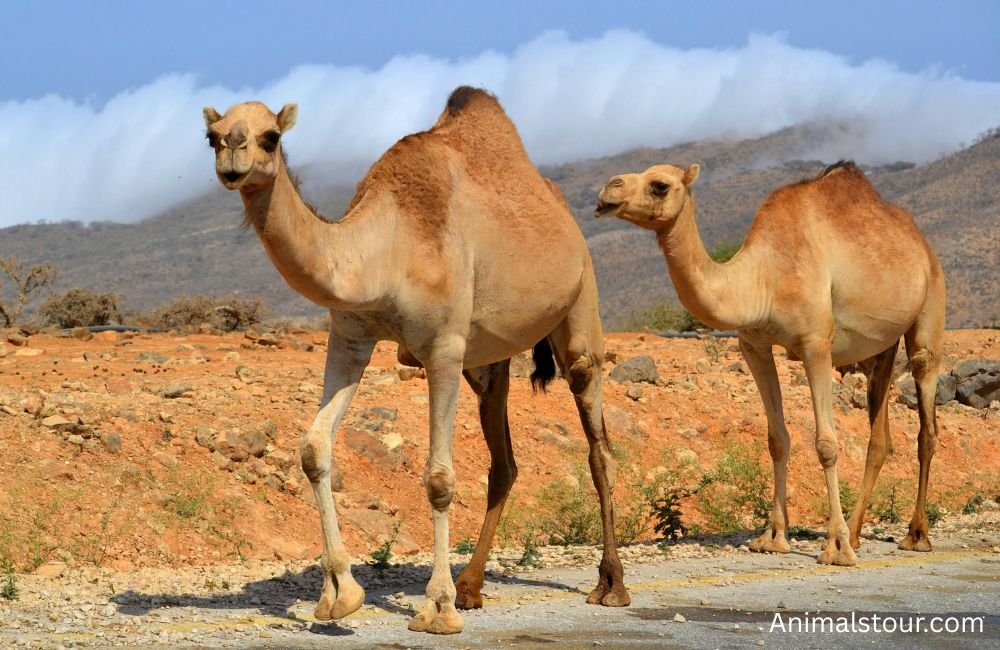
Moreover, camels possess specialized kidneys and intestines that minimize water loss. They even recycle their own moisture, metabolizing fat stored in their hump into water. This ability places them among those exceptional animals that don’t drink water for significant periods, emphasizing nature’s ingenuity in creating solutions for survival. The camel’s prowess in enduring arid landscapes serves as a lesson in adaptability, revealing how animals that need very little water can thrive under harsh circumstances. In a world increasingly affected by climate change, the camel’s survival strategies can inspire innovative approaches to managing our own water resources.
Water strategy: dehydration tolerance + efficient water conservation.
4. Thorny Devil
The Thorny Devil, a fascinating lizard native to Australia, exemplifies the incredible adaptations that some desert animals employ to thrive in arid environments. Remarkably, this creature can survive without drinking water for extended periods, a skill that is crucial in its sun-baked habitat. Instead of seeking out sources of water, the Thorny Devil relies on a network of grooves on its skin to absorb moisture from dew or rainfall. This innovative method not only exemplifies how animals survive without water but showcases a unique strategy that few other reptiles possess.
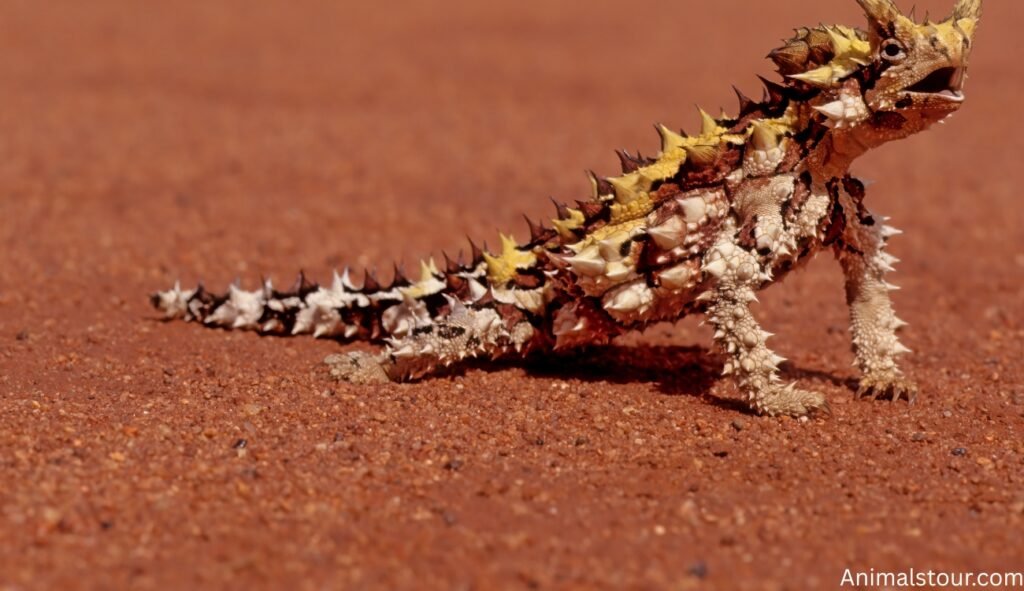
Among the myriad animals that can live without drinking water, the Thorny Devil stands out due to its distinctive appearance and feeding habits. It primarily consumes ants, which serve as both its primary food source and an indirect supplier of moisture. This interdependent relationship highlights how animals that need very little water have evolved creative solutions to thrive without direct access to hydration. In a world where traditional water sources are scarce, the Thorny Devil’s ability serves as a captivating reminder of nature’s resilience and the remarkable strategies desert animals employ to survive.
Water strategy: water collection through specialized skin + moisture from food.
5. Jerboa
The jerboa, a remarkable desert creature, exemplifies the incredible adaptations that allow some animals to thrive in arid environments. These agile, nocturnal rodents have developed physiological traits that enable them to extract moisture from the seeds they consume, making them among the animals that survive without water. Their efficient kidneys play a crucial role, filtering waste while conserving fluids, thus reducing their dependence on external hydration sources. In a world often defined by drought, the jerboa’s survival strategies showcase nature’s ingenuity.
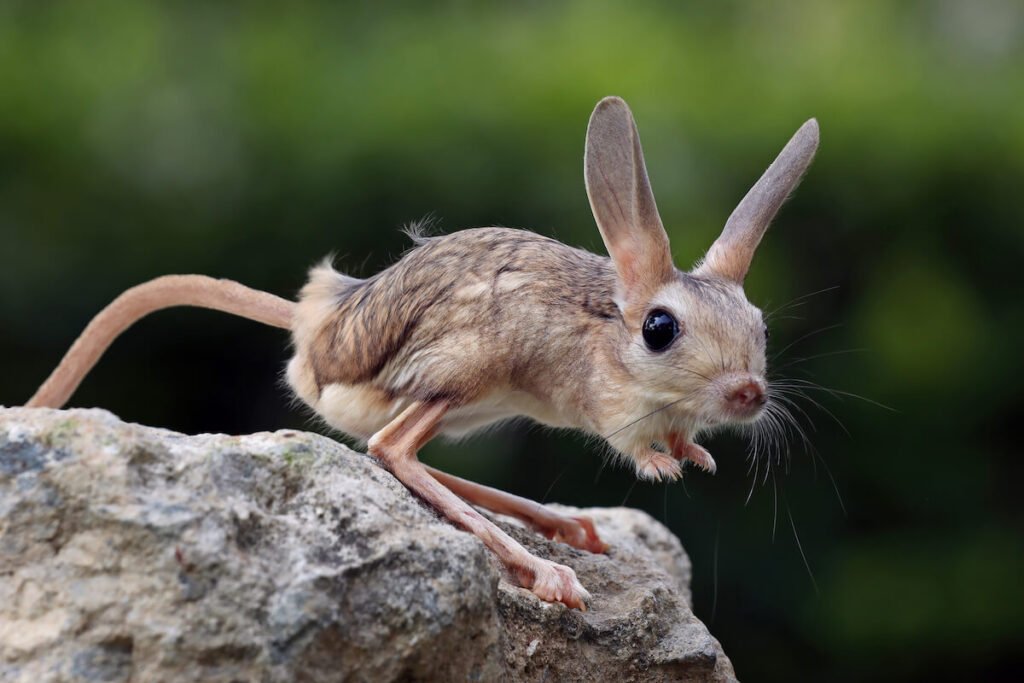
Even more fascinating is the jerboa’s ability to enter a state of torpor, significantly lowering its metabolic rate to conserve energy and hydration. This behavior is common among desert animals that survive without water, allowing them to weather extreme heat and scarcity. By foraging during cooler nocturnal hours, these animals leverage their environment to minimize water loss, showcasing how animals that need very little water can adapt to thrive in seemingly inhospitable landscapes. The jerboa, alongside other resilient desert dwellers, offers a compelling glimpse into the myriad ways life can flourish despite the challenges presented by its surroundings.
Water strategy: metabolic water + efficient kidneys + nocturnal behavior.
6. Addax
The Addax, a remarkable desert antelope, boasts an extraordinary ability to thrive in one of the harshest environments on Earth. As one of the few animals that can live without drinking water, this resilient creature adapts brilliantly to its arid habitat in the Sahara Desert. Instead of searching for lakes or rivers, the Addax derives moisture from the vegetation it consumes, demonstrating a clever survival strategy that allows it to flourish where many others would falter.
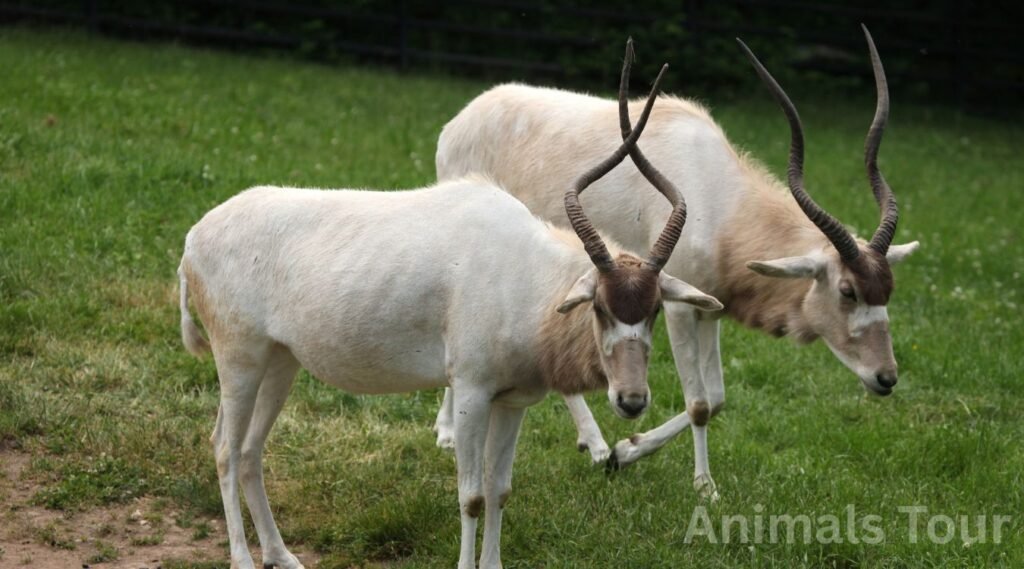
These desert animals that survive without water have evolved fascinating physiological traits. The Addax’s body is designed to minimize water loss, with its unique nasal passages effectively capturing moisture from exhaled air. Additionally, their ability to tolerate long stretches of drought showcases how some animals don’t need to drink water directly to survive. This remarkable adaptation allows the Addax not only to endure prolonged periods without precipitation but also to play a crucial role in its ecosystem, highlighting the intricate balance of life in arid environments. Understanding how animals survive without water offers valuable insights into conservation efforts, underscoring the resilience of nature in the face of climate change.
Water strategy: moisture from food + desert adaptation.
7. Fennec Fox
The fennec fox, with its oversized ears and striking appearance, offers a fascinating glimpse into the adaptability of desert animals that survive without water. These clever creatures are not just cute; they are masters of hydration. Unlike many mammals, fennec foxes can extract moisture from their food, primarily feeding on insects, small mammals, and fruits that provide the necessary hydration. This ability to thrive in an arid environment showcases the remarkable strategies animals that can live without drinking water employ to survive.
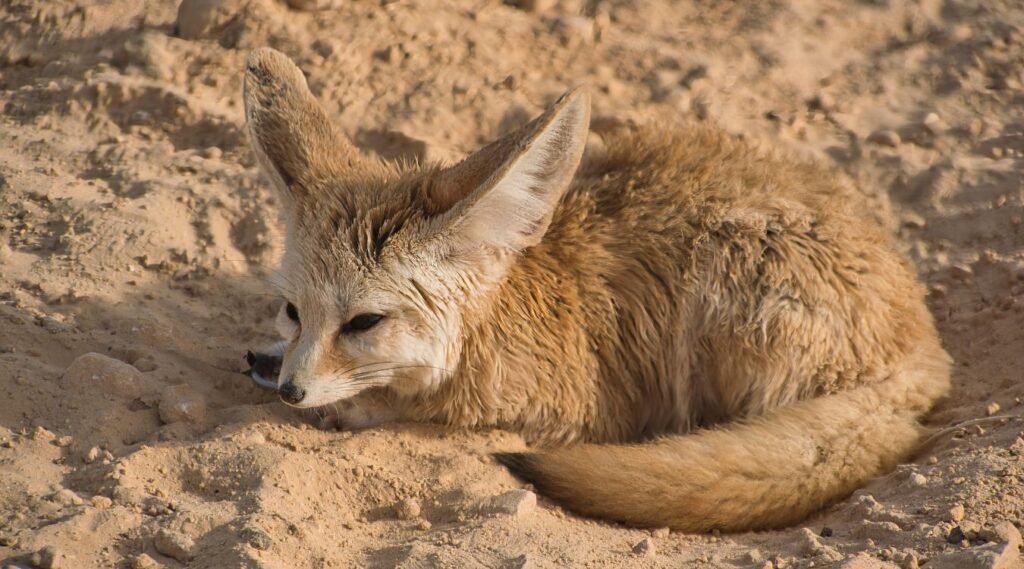
In the harsh desert climate, where water sources are scarce, fennec foxes have developed behaviors that minimize water loss. They are nocturnal, venturing out at night to avoid the daytime heat and reduce perspiration. Additionally, they can efficiently metabolize the fat stored in their bodies, converting it into water — a survival tactic that echoes methods seen in other animals that need very little water. By studying how animals survive without water, we gain insight into the intricate balance of ecosystems and the ingenious adaptations that allow life to flourish in even the most inhospitable environments.
Water strategy: moisture from food + nocturnal behavior + heat dissipation.
8. Gerenuk
The gerenuk, an elegant gazelle native to East Africa, epitomizes the remarkable adaptations of desert animals that survive without water. Unlike many other species, this graceful creature can thrive on moisture derived from the vegetation it consumes. By feeding on leaves, fruits, and flowers, the gerenuk extracts vital hydration directly from its food, showcasing how some animals that don’t drink water have evolved to maximize their survival in arid environments.
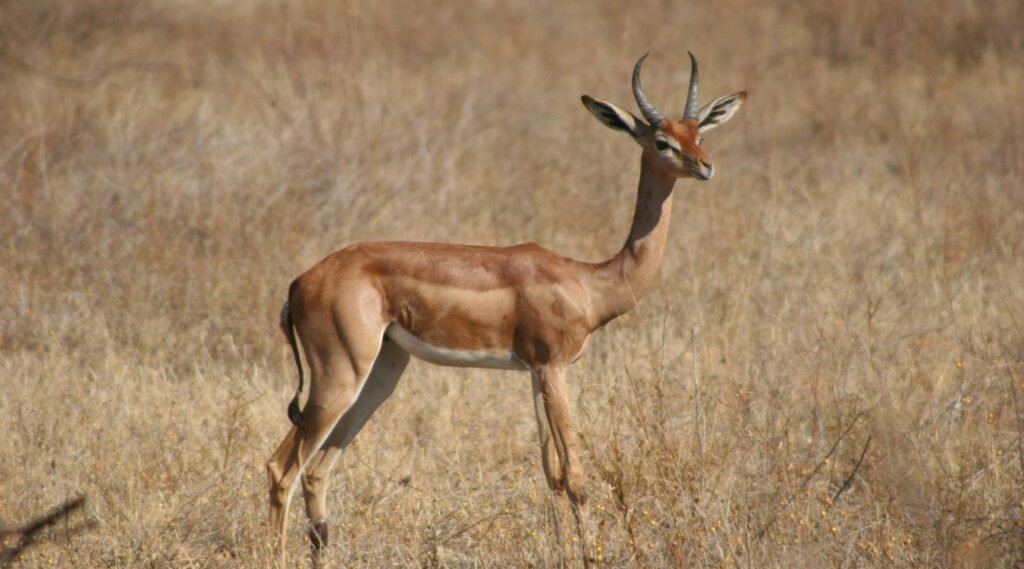
In the harsh landscapes they inhabit, gerenuks exhibit another fascinating adaptation: they have the ability to regulate their body temperature and conserve water efficiently. This strategic water conservation is crucial, allowing these animals that need very little water to endure prolonged dry spells. When faced with extreme heat, their bodies enter a state of physiological harmony, minimizing water loss and enabling them to go for days — or even weeks — without direct access to drinking water. Observing such adaptations broadens our understanding of how animals can survive without drinking water, underscoring the astonishing resilience of wildlife in some of the planet’s most unforgiving habitats.
Water strategy: moisture-rich vegetation + efficient water use.
9. Roadrunner
The roadrunner stands out as an extraordinary example of desert wildlife adapted to thrive in harsh arid environments. Unlike many animals that need regular water intake, the roadrunner can survive without drinking water for extended periods. This remarkable ability is not merely a survival tactic; it showcases the roadrunner’s evolutionary prowess in an ecosystem where moisture is scarce. By obtaining the necessary hydration from its diet — consisting primarily of insects and small reptiles — the roadrunner exemplifies how certain animals that survive without water manage to leverage their natural surroundings effectively.
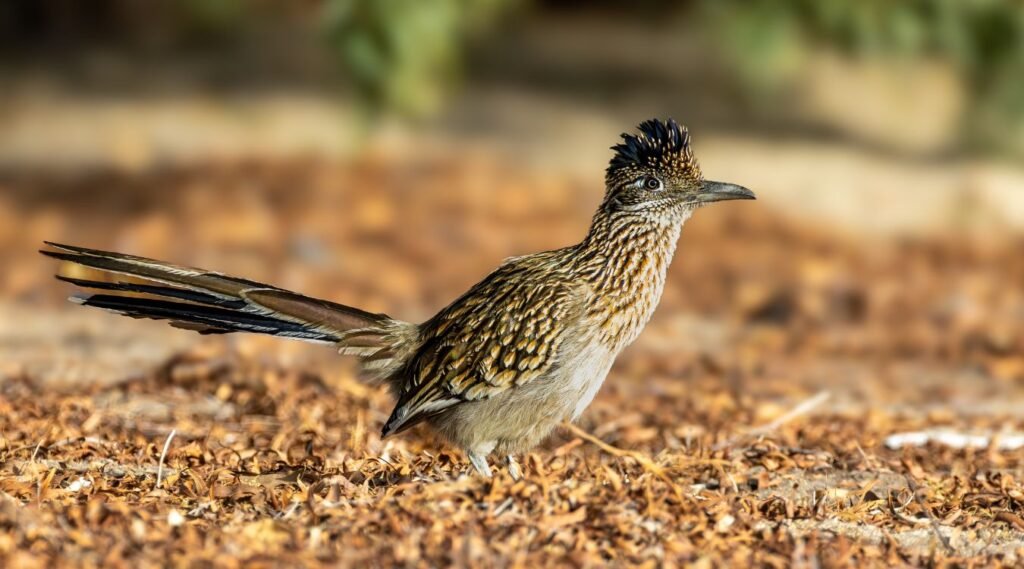
This unique adaptation positions the roadrunner alongside other desert animals that survive without water, showcasing the diverse strategies different species employ. For instance, some animals that can live without drinking water develop specialized behaviors or physiological traits that enable them to conserve moisture. Take the example of the kangaroo rat, which can extract water from the seeds it consumes. The roadrunner, in contrast, not only highlights the diverse adaptations of desert animals that need very little water but also serves as a reminder of nature’s ingenuity in overcoming environmental challenges. Observing such adaptations can offer fresh insights into the resilience of life, inspiring us to appreciate the delicate balance of ecosystems.
Water strategy: moisture from prey + physiological water conservation.
10. Namib Desert Beetle
The Namib Desert beetle is a remarkable example of nature’s ingenuity in overcoming extreme conditions. This tiny survivor thrives in one of the driest places on Earth, showcasing how some animals can live without drinking water. Instead of seeking out water sources, these beetles have adapted to harnessing moisture directly from the air. At dawn, they cleverly position their bodies to capture dew droplets, which then trickle down their textured backs and into their mouths. This innovative survival strategy exemplifies how desert animals can flourish where many others fail.
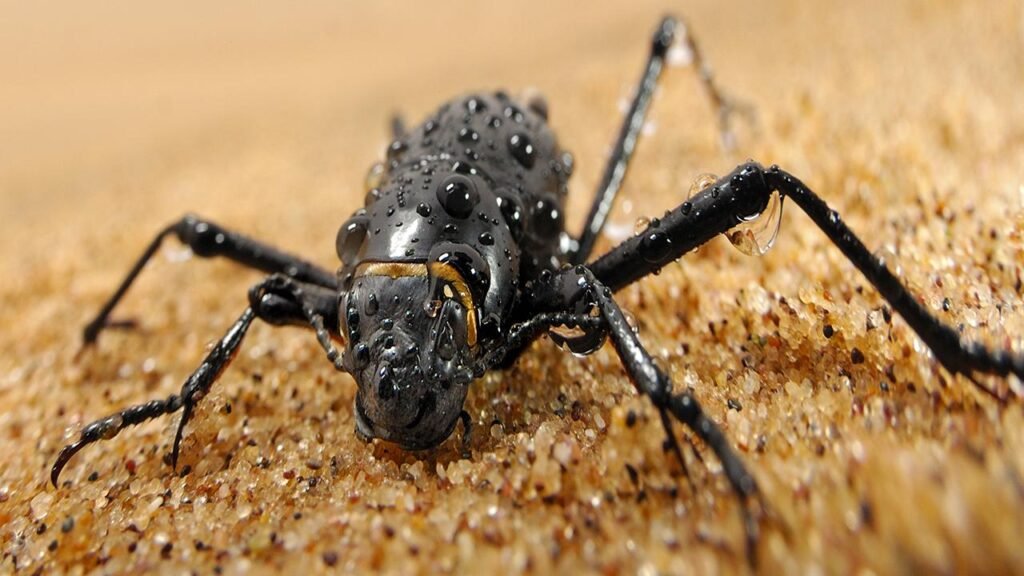
Interestingly, the Namib Desert beetle isn’t alone in this adaptation. Other animals that survive without water rely on similar tactics, from plants that extract moisture from the air to small mammals that derive hydration from the food they consume. These fascinating adaptations reveal an incredible resilience, showing how some animals need very little water to thrive. As we learn more about these unique creatures, we gain insights into the broader question of how animals survive without water in harsh environments — a testament to the extraordinary creativity of evolution.
Water strategy: harvesting moisture from fog.
Conclusion:
To conclude, the extraordinary abilities of these ten animals to live without water emphasize the complexity and resilience of life on Earth. Each species mentioned employs fascinating techniques to meet their hydration needs, reflecting a deep connection to their habitats. These animals don’t break the rules of biology. They demonstrate just how remarkably adaptable biology can be. In environments where water is unpredictable, survival isn’t necessarily about finding more water. Sometimes, it’s about wasting less of it, getting it from unexpected sources, or changing the way the body functions when water disappears. And that may be the most impressive survival trick of all.
FAQs:
1: Which animals can survive without water the longest?
The camel can survive up to two weeks without water, relying on its fat reserves to sustain itself.
2: How do desert rats manage without water?
Desert rats extract moisture from their food and have highly efficient kidneys that minimize water loss.
3: Can any amphibians survive without water?
Yes, the spadefoot toad can enter a state of dormancy, surviving in a cocoon-like state for months without water.
4: What adaptations help tortoises live without water?
Tortoises have a thick, scaly skin to reduce water loss and can store water in their bladders.
5: Are there insects that can go without water for extended periods?
Yes, certain species of cockroaches can survive without water for a month or longer by entering a state of reduced metabolic activity.
6: How do some reptiles manage hydration in arid environments?
Many reptiles, like the horned lizard, can absorb moisture through their skin and even drink dew that condenses on their bodies.
7: What role does metabolism play in these animals’ survival?
These animals typically have lower metabolic rates, which reduce water requirements and help them survive longer periods without hydration.
8: Can these water-scarce strategies be found in other habitats?
Yes, similar adaptations can be found in animals living in extreme environments like polar regions, where water is less available in liquid form.