Top 15 Amazing Hard Working Animals in The World (With Pictures)
When we think about Hard Working Animals in The World, we usually picture insects or birds but the truth is the animal kingdom is full of tireless workers that put in incredible effort every single day just to survive. Some animals migrate thousands of miles, and some hunt non stop around the clock without ever taking a break. These creatures work their survival, and the survival of their families, depends on it. In this list, we explore the top 15 hardest working animals in the world and what makes each of them.
List of Hard Working Animals in The World
Here is the list of most hardworking animals:
| Number of Animals | Animals That are Hard Working |
| 1 | Water Buffalo |
| 2 | African Elephant |
| 3 | Honey Bee |
| 4 | Sled Dog |
| 5 | Dung Beetle |
| 6 | Ant |
| 7 | Yak |
| 8 | Beaver |
| 9 | Horse |
| 10 | Donkey |
| 11 | Camel |
| 12 | Border Collie |
| 13 | Termite |
| 14 | Atlantic Salmon |
| 15 | Mule |
Water Buffalo
Scientific Name: Bubalus bubalis
Class: Mammalia
Diet: Herbivore
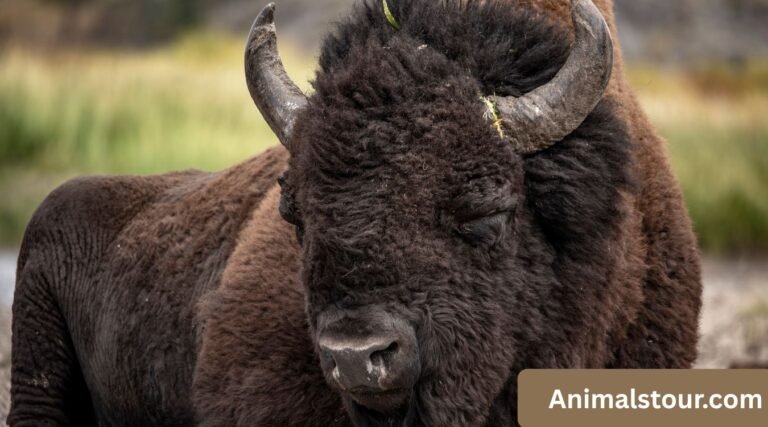
Water buffalo have been helping farmers work their land for thousands of years across Asia and parts of Africa. These big and powerful animals spend long hours pulling heavy plows through muddy rice fields without slowing down or giving up.
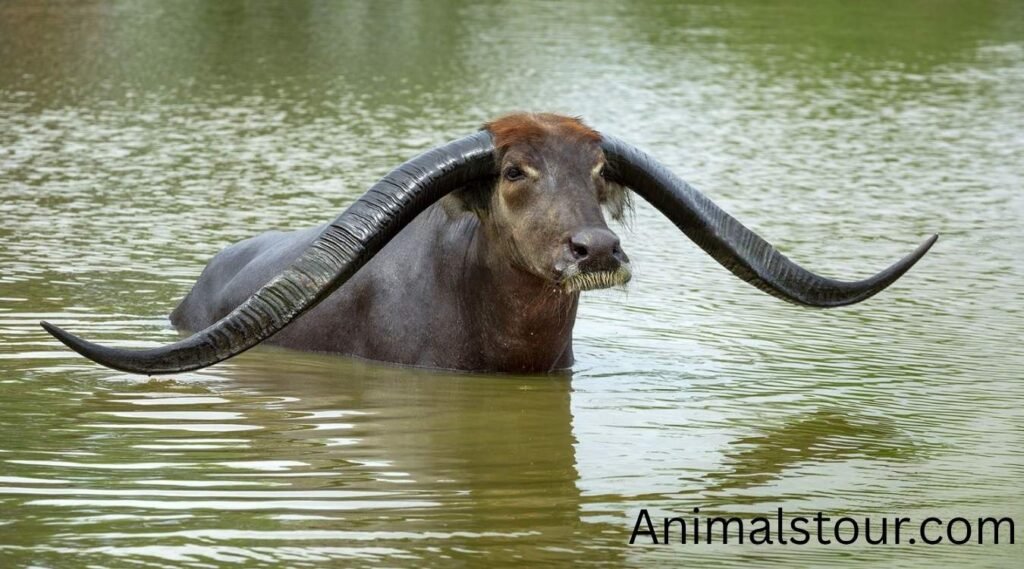
They work under the hot sun in wet and difficult conditions that would exhaust most other animals very quickly. Farmers in rural villages depend on water buffalo the way city people depend on machines and trucks every single day.
A water buffalo can plow an entire field in a single day using nothing but raw strength and quiet determination. These hardworking animals have fed entire communities for generations and continue to do so in many parts of the world today.
African Elephant
Scientific Name: Loxodonta africana
Class: Mammalia
Diet: Herbivore
African elephants spend nearly 19 hours every single day searching for food, water, and safe land for their herd to rest on. They travel many miles daily across hot and dry landscapes just to find enough food to fuel their massive bodies.
A single elephant needs to eat up to 400 pounds of food per day which means the search for food never really stops. These gentle giants work hard not just for themselves but for every single member of their close and loving family group. Beyond eating and traveling, African elephants also dig for water during dry seasons using their powerful tusks and trunks.
They create water holes that end up helping hundreds of other animals survive in the same area as well. Mother elephants watch over their babies with fierce love and never leave their young ones unprotected for even a moment. The African elephant is not just a hard worker but also one of the most caring and intelligent animals on the face of this Earth.
Honey Bees
Scientific Name: Apis mellifera
Class: Insecta
Diet: Herbivore
Honey bees are among the busiest animals in the world and are often considered some of the most important little workers in nature. A single bee can visit up to 2,000 flowers in just one day while collecting nectar and pollen to bring back to the hive.
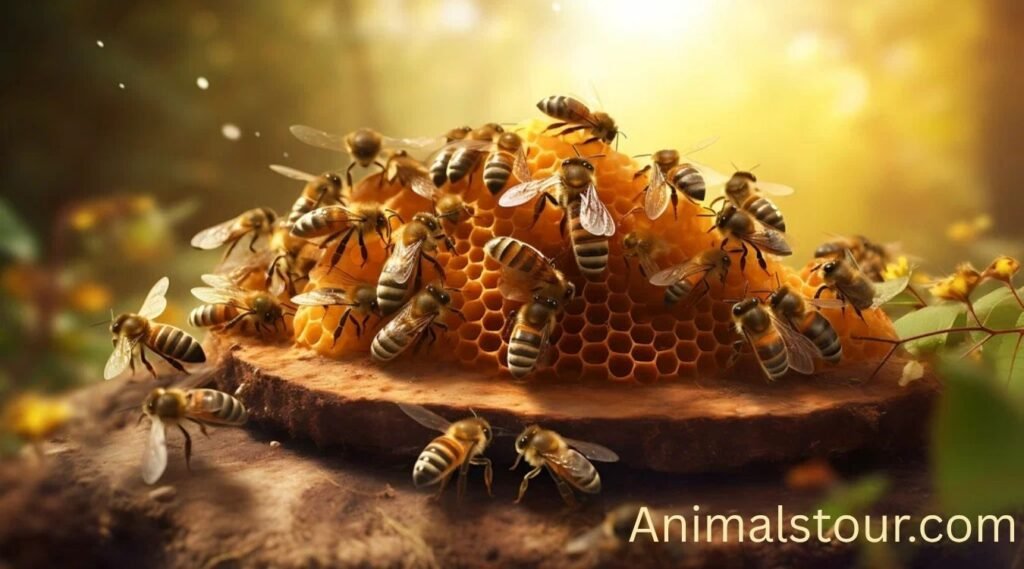
They spend their entire short lives working for the good of the colony without ever thinking about themselves first. Inside the hive, different bees take on different jobs like making honey, feeding babies, guarding the entrance, and keeping the queen comfortable.The amount of work a honey bee puts in during its lifetime is truly hard to believe when you think about it carefully.
One bee will only produce about half a teaspoon of honey in its entire life but it gives everything it has to make even that tiny amount. Without bees pollinating flowers and crops, a huge portion of the food humans eat every day simply would not exist on store shelves. The honey bee is small in size but its contribution to life on Earth is bigger than almost any other creature alive today.
Sled Dog
Scientific Name: Canis lupus familiaris
Class: Mammalia
Diet: Omnivore
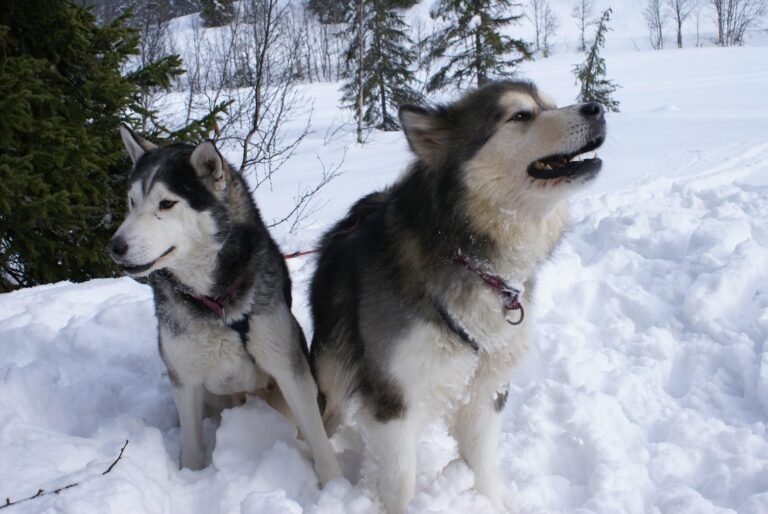
Sled dogs like Huskies and Malamutes are born with a love for running and a natural ability to work in extreme freezing conditions. These powerful dogs can pull heavy sleds for over 100 miles in a single day across deep snow and brutal Arctic winds.
They work as a team with other dogs, following commands and trusting each other to keep the sled moving forward no matter what. Their thick double coats protect them from temperatures that would be dangerous and deadly for most other animals and breeds. What truly sets sled dogs apart from other working animals is their incredible enthusiasm and joy for the work they do every day.
Even after hours of running through blizzards and ice, these dogs still wag their tails and seem eager for more miles on the trail. They have been used for centuries by Arctic communities for transportation, hunting, and survival in the harshest places on Earth. The sled dog is not just a working animal but a loyal partner whose strength, energy, and spirit are truly one of a kind.
Dung Beetle
Scientific Name: Scarabaeus sacer
Class: Insecta
Diet: Detritivore
The dung beetle has one of the most unusual jobs in the animal world but it performs that job with total dedication every single day. It rolls balls of animal dung many times heavier than its own body across long stretches of hot and dry ground without stopping.
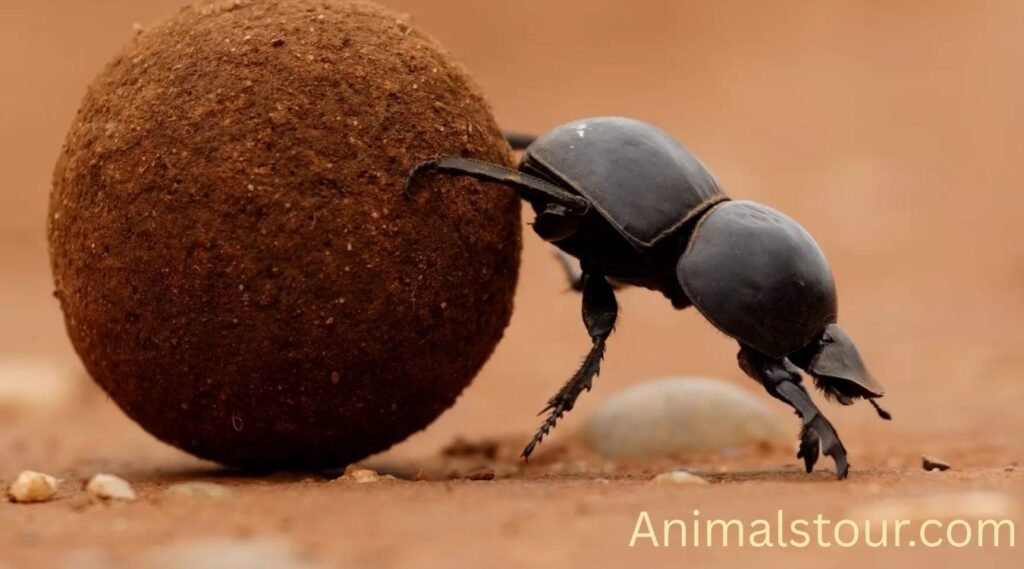
What makes this insect truly remarkable is that it uses the stars and the Milky Way to navigate and walk in perfectly straight lines. It buries the dung underground to use as food for itself and as a safe warm place to lay and protect its eggs. Dung beetles may not have the most glamorous lifestyle but their work is absolutely vital for keeping ecosystems clean and healthy.
By burying dung, they return important nutrients back into the soil which helps plants and crops grow much better over time. Scientists have discovered that dung beetles save the farming industry billions of dollars every year just by doing what comes naturally to them. This tiny and hardworking insect is one of nature’s most underappreciated workers and the planet would be a much dirtier place without it.
Ants
Scientific Name: Formicidae
Class: Insecta
Diet: Omnivore
Ants are without question some of the most hardworking and well organized creatures that have ever walked the surface of this Earth. They build massive underground tunnel systems, carry food many times their own body weight, and protect their colony around the clock every day.
A single ant colony can contain millions of workers and each one knows exactly what its job is and gets it done without any confusion. They farm fungi underground, tend to their eggs, and even take care of wounded colony members after difficult battles with enemies. The teamwork that ants display every single day is something that even humans could learn a great deal from if they paid close attention.
Leafcutter ants for example cut pieces of leaves and carry them long distances back to their colony to grow food underground in special garden chambers. Some ant species have been known to build bridges with their own bodies just so other ants can cross over gaps and reach food faster. Ants have been on this Earth for over 100 million years and their incredible work ethic is one of the biggest reasons they have survived for so long.
Yak
Scientific Name: Bos grunniens
Class: Mammalia
Diet: Herbivore
The yak is one of the toughest and most reliable working animals found anywhere in the high mountain regions of Central Asia. These large and shaggy animals carry heavy loads along narrow mountain trails at altitudes that would leave most animals completely breathless and weak.
They work in freezing temperatures, strong winds, and thin air conditions that are simply too harsh for horses, donkeys, or most other pack animals to handle. For communities living in the Himalayas and Tibetan Plateau, the yak is not just a working animal but a lifeline for everyday survival.Yaks provide much more than just transportation and heavy load carrying to the people who depend on them every day.
Their thick warm fur is used to make clothing and shelter materials, their rich milk is made into butter and cheese, and their dung is dried and burned as fuel for cooking fires. A yak can survive on very little food by grazing on tough mountain grasses that other animals would completely ignore and walk past.
Beaver
Scientific Name: Castor canadensis
Class: Mammalia
Diet: Herbivore
Beavers are the most talented and dedicated builders in the entire animal kingdom and they take their construction work very seriously. They use their strong sharp teeth to chew through thick tree trunks, then drag the heavy logs through water to build their dams and lodges.
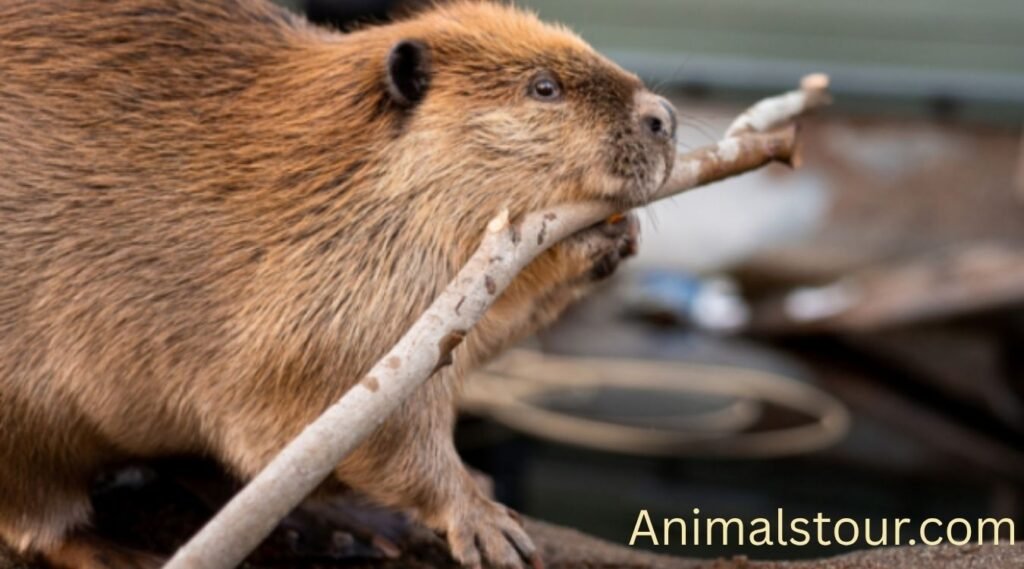
Most of this hard and impressive building work happens during the night while the rest of the forest is quiet and sleeping. Their dams hold back river water and create calm ponds that protect the beaver family from predators during the cold winter months. A beaver never looks at a big job and decides it is too hard or not worth the effort because giving up is simply not in their nature.
They constantly repair and improve their dams even after storms damage them, always making sure their home is strong and safe enough for the family. The ponds that beavers create also end up helping many other animals, birds, and plants in the surrounding area thrive and grow. Beavers are truly one of nature’s greatest engineers and their tireless effort quietly shapes entire ecosystems in ways that most people never even notice or appreciate.
Horse
Scientific Name: Equus ferus caballus
Class: Mammalia
Diet: Herbivore
Horses have worked alongside humans for over 5,000 years and their contribution to human civilization is almost impossible to fully measure or put into words. They have plowed fields, carried soldiers into battle, transported goods across continents, and helped build roads and cities all around the world.
A hardworking horse can pull loads many times heavier than its own body weight and keep going for hours across all kinds of difficult terrain. Their speed, strength, and stamina made them the most important working animal in human history for thousands of years before machines came along.
A well trained horse responds to the lightest touch and works with its rider as a true and trusting partner rather than just a simple tool. The horse has given more to humanity than perhaps any other animal and deserves enormous respect and gratitude for everything it has done and continues to do.
Donkey
Scientific Name: Equus asinus
Class: Mammalia
Diet: Herbivore
Donkeys have been carrying heavy loads and helping people with hard physical work for more than 5,000 years across many different countries and cultures. They are incredibly strong for their size and can carry loads of up to 30 percent of their own body weight for long distances without tiring too quickly.
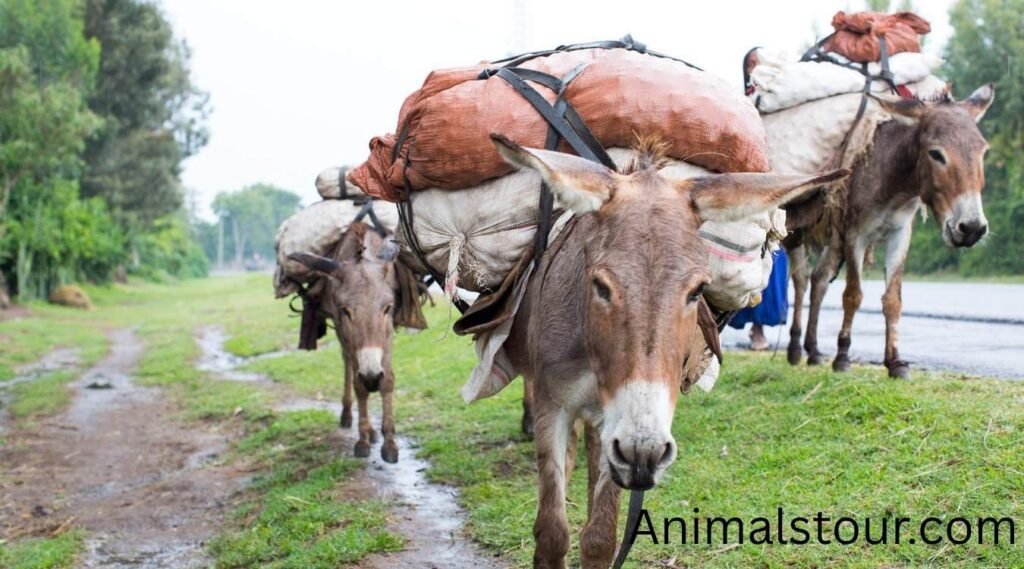
Donkeys are also smarter than most people give them credit for and they will refuse to do something they think is genuinely dangerous for their own safety. In many developing countries today, donkeys are still the most important form of transportation and load carrying available to poor rural families.
Unlike horses, donkeys can thrive on dry and rough vegetation that other animals would turn their noses up at and refuse to eat.The donkey may never get as much praise or admiration as the horse but its quiet strength and steady work have helped millions of people around the world live better lives every single day.
Camel
Scientific Name: Camelus dromedarius
Class: Mammalia
Diet: Herbivore
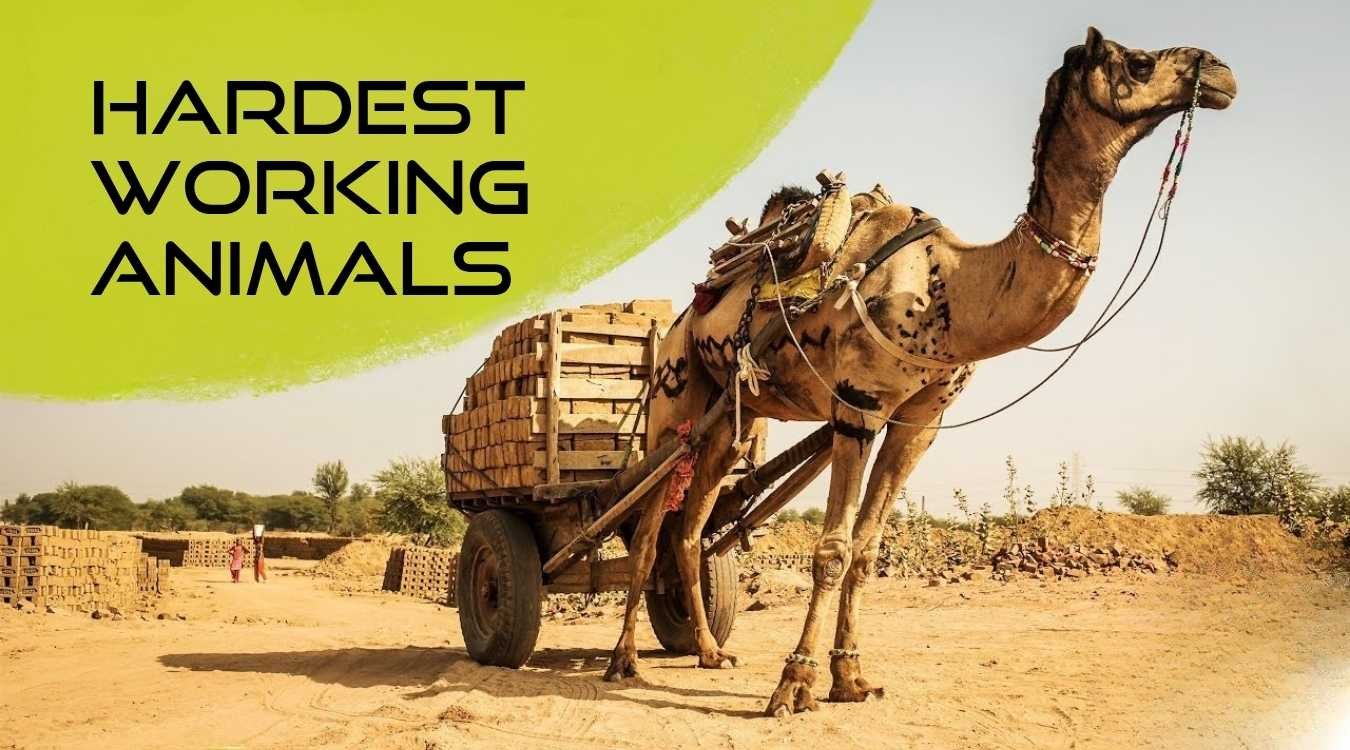
Camels are the ultimate long distance workers built perfectly for surviving and carrying heavy loads through some of the driest and hottest places on Earth. They can carry up to 900 pounds of cargo across vast desert landscapes for many miles without needing to stop for water or rest.
Their famous humps store fat rather than water, giving them energy reserves that allow them to go for weeks without a proper meal in harsh desert conditions. For thousands of years camels were the only reliable way to transport goods and people across the great deserts of Africa, the Middle East, and Central Asia. A camel’s body is an engineering masterpiece designed specifically to handle the kind of brutal work that would break down most other animals within a few days.
Their wide flat feet stop them from sinking into soft sand, their long eyelashes and closable nostrils protect them during sandstorms, and their thick skin shields them from the burning desert sun. Despite their sometimes grumpy reputation, camels are hard working animals that have supported entire trading civilizations for centuries. The camel truly earned its well known title as the Ship of the Desert through thousands of years of honest and tireless work.
Border Collie
Scientific Name: Canis lupus familiaris
Class: Mammalia
Diet: Omnivore
The Border Collie is widely recognized as the most intelligent and hardworking dog breed in the entire world by animal experts and farmers alike. These dogs were bred specifically to herd sheep across large open fields and they approach that job with a level of focus and energy that is truly remarkable to watch.
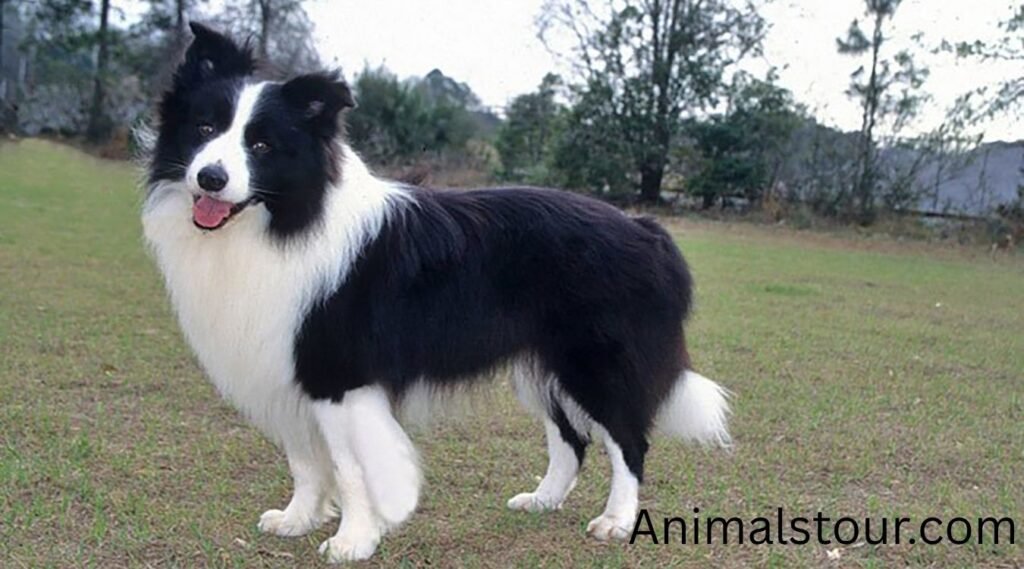
A Border Collie can work from early morning until late evening herding hundreds of sheep across hills and valleys without losing concentration for even a moment. They respond to complex commands from their farmers with impressive speed and seem to genuinely love every minute of the work they do.
Border Collies have such high energy levels and such a strong need to work that they can actually become anxious and unhappy if they are not given enough mental and physical activity to keep them busy. They compete in agility competitions, assist in search and rescue operations, and help farmers manage livestock on some of the largest sheep stations in the world..
Termite
Scientific Name: Termitoidae
Class: Insecta
Diet: Detritivore
Termites are tiny insects that build some of the most impressive and complex structures found anywhere in the entire natural world. Their towering mud mounds can rise up to 30 feet high and contain millions of workers all doing their specific jobs with perfect coordination and efficiency.
They chew through wood and dead plant material around the clock, breaking down tough organic matter into nutrients that go back into the soil to feed new plant life. Inside their mounds, termites maintain carefully controlled temperature and humidity levels that keep the entire colony healthy and comfortable throughout the year.
Without termites breaking down dead wood and plant material, forests would slowly become choked with decaying matter that could not recycle back into the earth. Some termite colonies have been alive and working continuously for over 50 years, with new generations of workers picking up exactly where the last ones left off without any break in productivity.
Salmon
Scientific Name: Salmo salar
Class: Actinopterygii
Diet: Carnivore
The journey of a salmon is one of the most breathtaking and emotional stories of hard work and determination found anywhere in the animal kingdom. These powerful fish swim hundreds of miles upstream against fast and punishing river currents just to reach the exact spot where they were born years before.
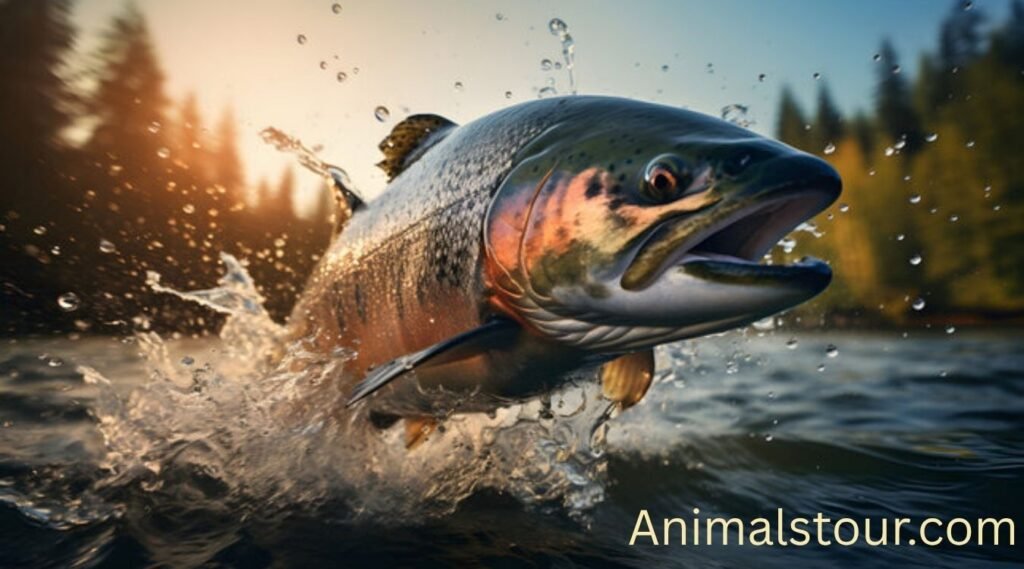
They leap over roaring waterfalls, push through shallow rocky sections, and dodge hungry bears and eagles waiting along every stretch of the river. The most incredible part of this whole journey is that salmon do all of this without eating a single meal from the moment they enter the river until they reach their final destination.
By the time a salmon finally reaches its spawning ground, its body is completely exhausted and broken down from the effort of the long and brutal journey. Yet even in that final state of total exhaustion, the salmon finds the strength to lay or fertilize its eggs before its life comes to an end. Their bodies then decompose in the river and provide rich nutrients that feed the trees, insects, and fish of the entire surrounding forest ecosystem.
Mule
Scientific Name: Equus mulus
Class: Mammalia
Diet: Herbivore
The mule is the result of crossing a male donkey with a female horse and it ends up being stronger, tougher, and more hardworking than either of its parents when it comes to demanding physical tasks. Mules have been carrying heavy loads up steep mountain trails, plowing and farmland.
They are smarter than horses about not overworking themselves, which actually makes them safer and more reliable on long and difficult journeys through challenging terrain. Farmers, miners, and soldiers throughout history have trusted mules with the heaviest and most important jobs when the going gets truly tough.
A mule can carry up to 20 percent of its body weight comfortably for hours and hours across rocky paths that would be impossible for vehicles to navigate or pass through. Unlike horses, mules are very resistant to disease and can survive on much less food and water. Many people consider it the hardest working animal because of its incredible strength. Its quiet contribution has helped human civilization for thousands of years.
Final Thoughts
The animal kingdom is full of workers that wake up every single day and give everything they have just to survive and keep their families safe. From the tiny ant carrying loads many times its own weight to the mighty elephant walking miles every day in search of food and water, hard work is clearly not just a human quality.
Every animal on this list has shown us that dedication, strength, and persistence exist in every corner of nature, from the freezing Arctic to the driest desert on Earth. In the end, the top 15 hard working animals in the world teach us something deeply important about life that no classroom or textbook ever could.
FAQs
Which is the most hard working animal in the world?
The ant is widely considered the most hard working animal in the world because it carries loads many times its own body weight and works every single day without stopping.
Why are animals considered hard workers?
Animals are considered hard workers because they spend most of their lives searching for food, building shelters, and protecting their families just to survive every single day.
What makes the honey bee one of the hardest working animals on Earth?
The honey bee visits up to 2,000 flowers in a single day and works non stop its entire life just to produce honey and keep the colony alive.