Top 18 Independent Animals in The World (With Images)
Have you ever wondered which animals could survive in the wild without any help from humans? Today, we’ll take a look at the top 18 independent animals in the world, showcasing their remarkable survival skills. This topic is not just intriguing, it helps us understand the balance of nature and the unique adaptations that allow these animals to thrive alone. By the end of this article, you’ll see these creatures in a whole new light.
List of Independent Animals in The World
Below is the list of animals that are independent:
- Raccoons
- Wolverine
- Octopus
- Tiger
- Koala
- Cheetah
- Sloths
- Great White Shark
- Jaguar
- Platypus
- Red Fox
- Orangutan
- Crocodiles
- Polar Bear
- Snow Leopard
- Cougar
- Sea Turtles
- Moles
Raccoons
Scientific Name: Procyon lotor
Class: Mammalia
Diet: Omnivore
Raccoons are fascinating creatures that embody the spirit of independence in the animal kingdom. Often misunderstood as mere scavengers, these intelligent animals showcase remarkable adaptability, thriving in diverse environments from urban settings to dense forests. Unlike many animals that hunt in packs, raccoons are solitary foragers, relying on their keen senses and dexterous front paws to explore their surroundings. Their ability to manipulate objects and solve puzzles makes each night an adventure as they search for food, from insects to fruits.
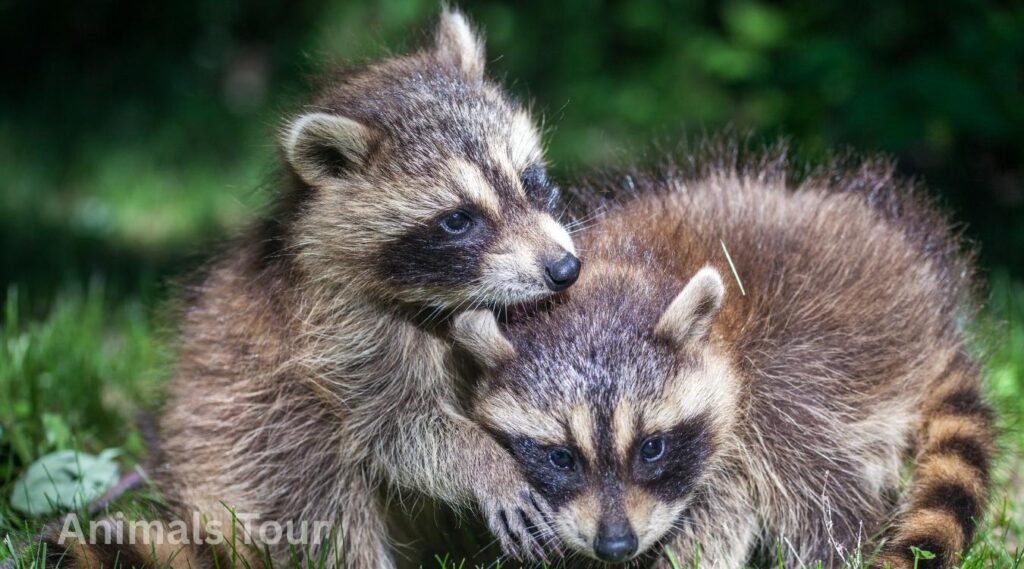
As animals that hunt alone, raccoons have developed unique survival strategies. Their curious nature drives them to investigate new places and adapt their foraging techniques, allowing them to exploit a wide range of food sources. Furthermore, they possess a fascinating ability to remember locations where food is found, often returning to fruitful spots. This intelligence not only highlights their independent nature but also offers a glimpse into the complex lives of solitary hunters, reminding us that independence can be a powerful advantage in the wild.
Wolverine
Scientific Name: Gulo gulo
Class: Mammalia
Diet: Carnivore
Wolverines are not just known for their strength and fierce nature; they are also a symbol of independence among the animal kingdom. These resilient creatures roam vast territories, often covering more than 500 square miles in search of food. Unlike many other animals, wolverines don’t pack up with their kind; they prefer solitary adventures, showcasing their remarkable adaptability and survival skills. This independence allows them to thrive in some of the harshest environments, deftly hunting and scavenging to meet their needs.
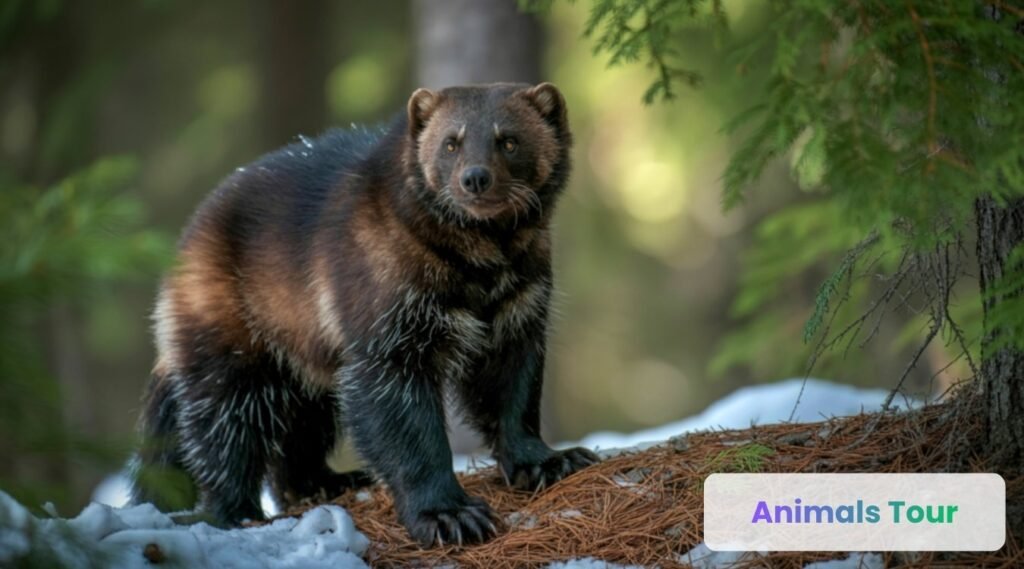
What makes wolverines truly remarkable is their intelligence and strategic hunting tactics. These animals can outsmart prey much larger than themselves, using incredible problem-solving skills to access food caches under snow or ice. Their ability to navigate and survive in challenging terrains speaks to their resilience, elevating them among the animals that are independent and smart. Observing wolverines in the wild offers a glimpse into a world where survival hinges on the blend of brawn and brain, reminding us of the powerful instincts inherent in nature’s most solitary creatures.
Octopus
Scientific Name: Octopus vulgaris
Class: Cephalopoda
Diet: Carnivore
Octopuses are truly fascinating creatures that showcase remarkable independence and intelligence. Unlike many other marine animals, these clever mollusks operate solo, relying on their exceptional problem-solving skills to navigate underwater puzzles. Their ability to open jars, mimic other species, and even escape from enclosures highlights how brainy they really are. Each octopus has a unique personality, with some showing playful tendencies while others prefer solitude.
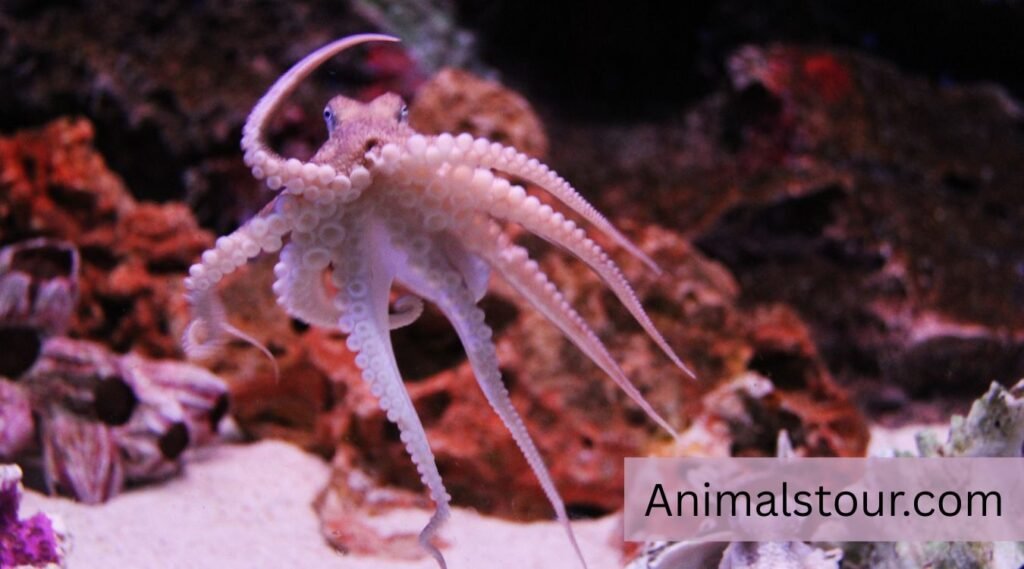
What’s even more captivating is their adaptability. They can change color and texture to blend into their surroundings, a skill that not only aids in hunting but also in evading predators. This independence from social structures allows octopuses to thrive in diverse environments, from coral reefs to deep ocean floors. Their life may be brief, often just a few years, but the impact of their intelligence and autonomy leaves a lasting impression on marine ecosystems. As we learn more about these enigmatic beings, it’s clear that the octopus is not just an independent animal but a true testament to the wonders of evolution and adaptation.
Tiger
Scientific Name: Panthera tigris
Class: Mammalia
Diet: Carnivore
Tigers are fascinating creatures in the animal kingdom, renowned for their independence and intelligence. Unlike many social animals that thrive in packs or groups, tigers are solitary hunters. This independence allows them to be extremely adaptable, thriving in diverse habitats from dense jungles to snowy mountains. Their ability to rely on their own skills makes them smart strategists, using stealth and strength to catch prey, often employing unique techniques to outsmart their targets.
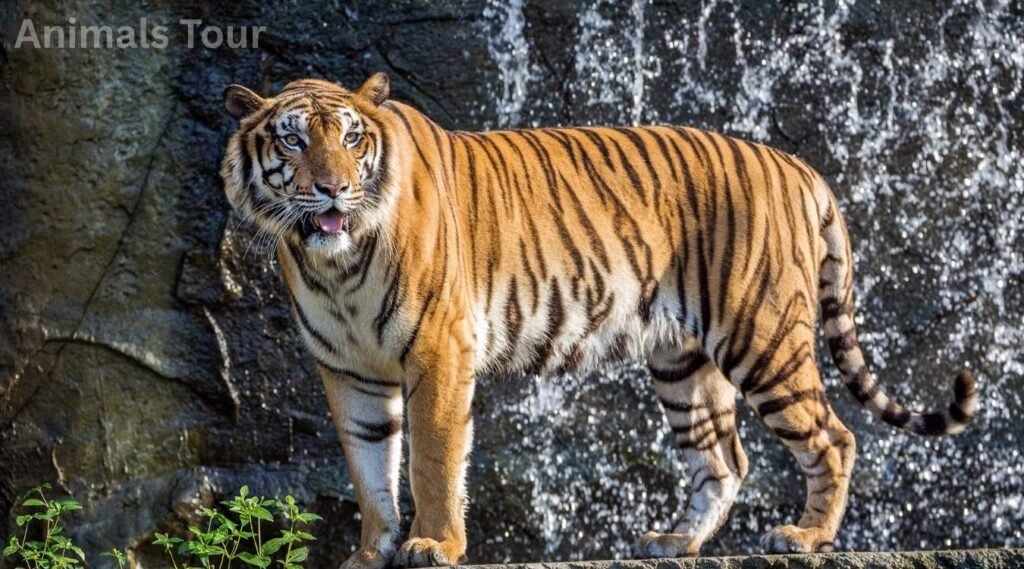
What’s even more intriguing is how tigers mark their territory, showcasing their intelligent use of scent markings and vocalizations. By claiming vast areas as their own, they minimize competition and ensure a sustainable food source. Each tiger develops a personal blueprint for survival, demonstrating a level of problem-solving skills that is quite remarkable. This cleverness not only cements their position as apex predators but also highlights their role in maintaining the balance of their ecosystems. By appreciating the independence and smart behaviors of tigers, we can gain a deeper understanding of the wild and the importance of preserving these incredible animals.
Koala
Scientific Name: Phascolarctos cinereus
Class: Mammalia
Diet: Herbivore
Koalas are often seen as cuddly symbols of Australia, but there’s so much more to these independent creatures than meets the eye. Unlike many animals that rely heavily on their social networks, koalas lead a life filled with solitude. They roam the eucalyptus forests solo, choosing trees based on their preferences for food and comfort. This independence not only showcases their adaptability but highlights a remarkable aspect of their behavior, each koala has its own unique personality.
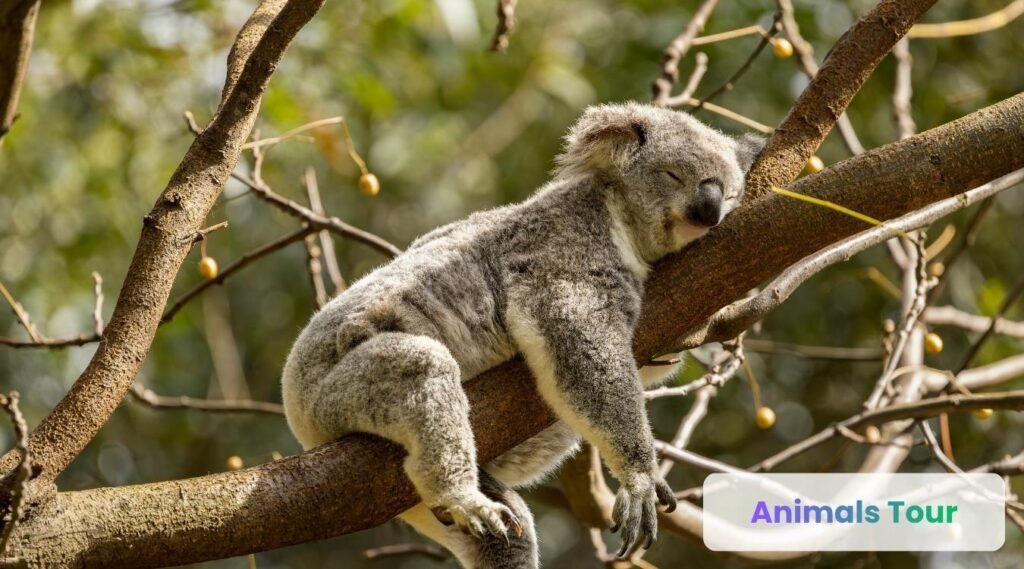
Beyond their laid-back demeanor, koalas are surprisingly smart. They’re able to navigate their environment efficiently, using their keen sense of smell to find the right leaves to munch on. This skill is crucial since eucalyptus leaves are toxic to many animals. By selecting the right types, koalas demonstrate a level of intelligence that mirrors their independence. Their solitary nature doesn’t mean they lack social skills; rather, it emphasizes how they thrive on their own terms, making them one of the most intriguing independent animals in the world.
Cheetah
Scientific Name: Acinonyx jubatus
Class: Mammalia
Diet: Carnivore
Cheetahs are among the most independent animals in the world, embodying a unique blend of agility and intelligence. Unlike many big cats, these sleek hunters often thrive solo or in small family groups, relying on their sharp instincts to navigate the vast savannas. Their independence is not just about solitude; it reflects a remarkable capability to learn and adapt. Cheetahs have an acute ability to gauge the behavior of their prey, using their keen eyesight to spot potential meals from miles away.
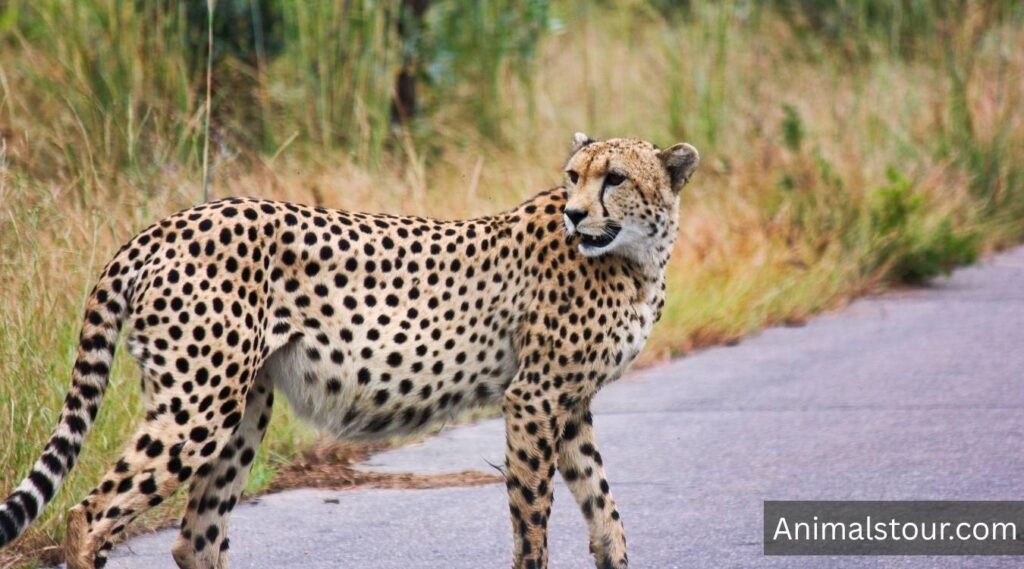
What makes cheetahs truly fascinating is their smart hunting strategy. They don’t just rely on speed; they also use stealth and extraordinary problem-solving skills during a chase. Observing them in action reveals a deep understanding of their environment, as they often utilize the terrain to their advantage. This independence and intelligence allow them to thrive in a challenging ecosystem where resources can be scarce. By mastering the art of solitary survival, cheetahs remind us of the power of self-reliance in the animal kingdom.
Sloth
Class: Mammalia
Diet: Herbivore
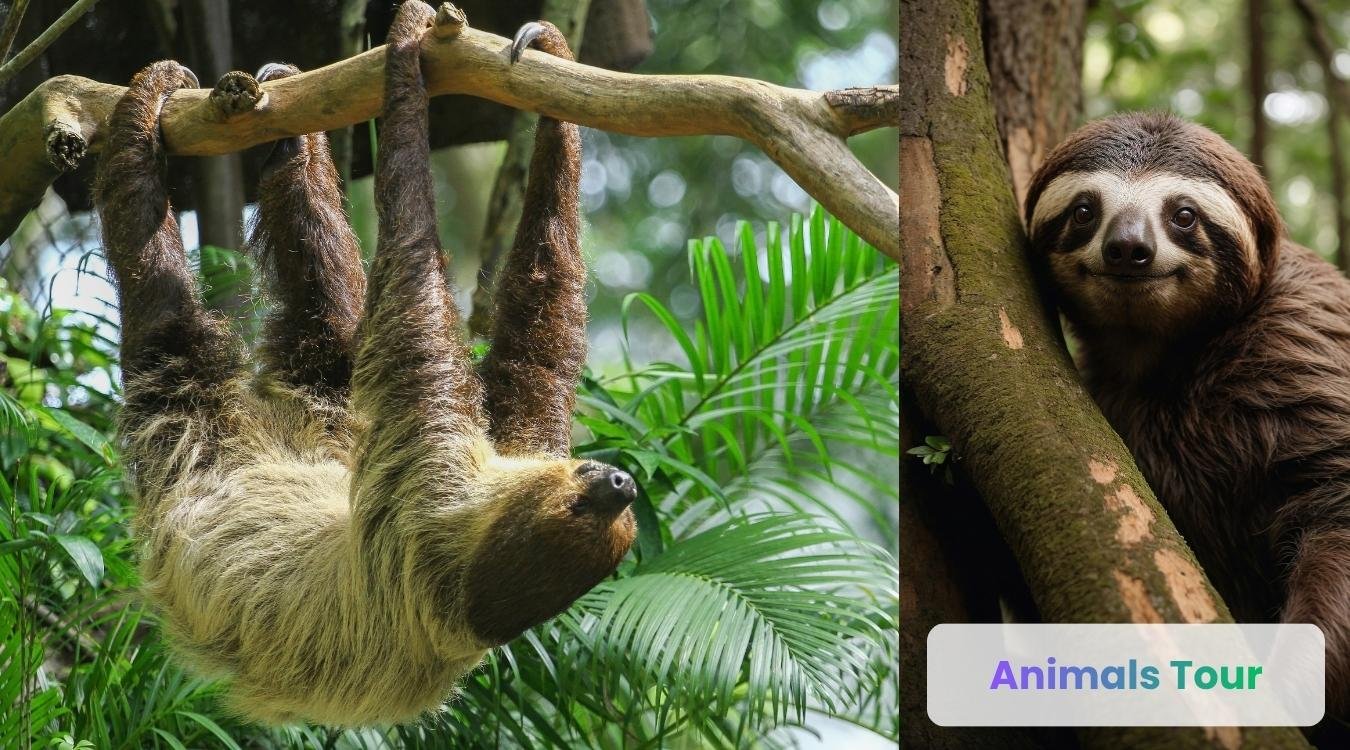
Sloths are often seen as the poster animals for laziness, but beneath their slow-moving exterior lies a world of clever independence. Unlike many mammals that require companionship for survival, sloths thrive in solitude, showcasing their unique ability to adapt. Living high in the treetops of Central and South America, these creatures have evolved to rely solely on their instincts and intelligence to navigate their environment. They know how to conserve energy and stay safe from predators, making them truly independent animals.
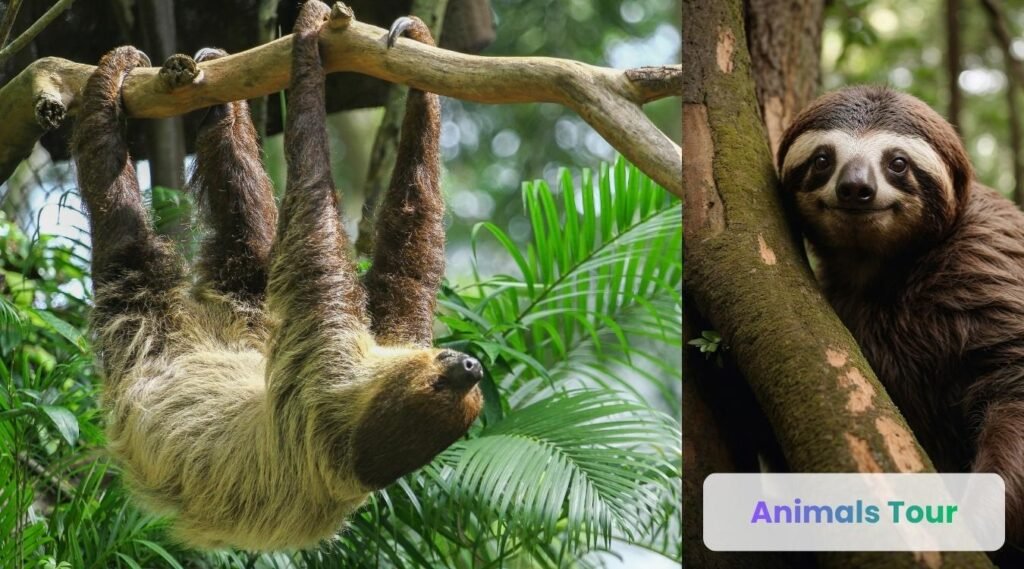
What’s even more fascinating is their remarkable diet. Sloths are smart enough to choose leaves that are not only abundant but also have less toxins. This selective feeding showcases their adaptability and resourcefulness in a challenging habitat. By understanding which plants are safer to eat, sloths can live off their leafy diets for years, effortlessly balancing their nutritional needs while maintaining their independent lifestyle. In a world that often encourages conformity, sloths remind us of the beauty of leading a life on one’s own terms.
Great White Shark
Scientific Name: Carcharodon carcharias
Class: Chondrichthyes
Diet: Carnivore
Great white sharks are among the ocean’s most strong independent animals, thriving in the depths with an unmatched confidence. These magnificent creatures navigate vast territories, often covering thousands of miles in search of food, showing their remarkable adaptability. Unlike many other species, great whites have a unique hunting strategy that emphasizes both strength and intelligence. They use various tactics, such as breaching and stealth, to surprise their prey, highlighting their role as apex predators in marine ecosystems.
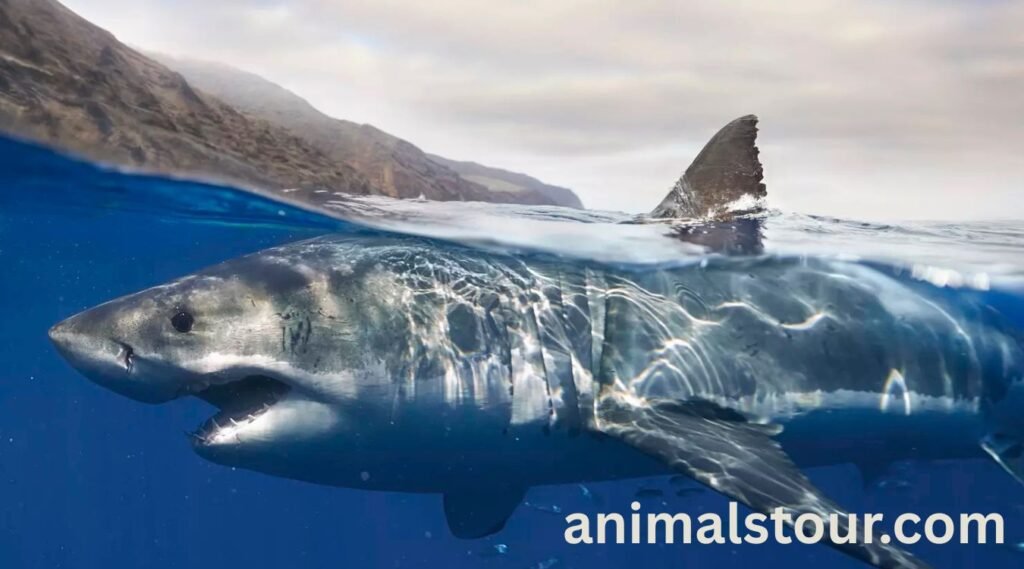
What sets great whites apart is their solitary nature. They don’t form packs like wolves or hunt in schools like many fish; instead, they prefer their own company. This independence allows them to establish personal territories where they can hunt without competition. It’s fascinating to think about how these strong independent animals are not merely surviving but thriving in a world often dominated by the chaos of life. Their presence serves as a critical reminder of the delicate balance in our oceans and the importance of conserving these incredible creatures.
Jaguar
Scientific Name: Panthera onca
Class: Mammalia
Diet: Carnivore
Jaguar independent animals are truly fascinating, embodying the spirit of the wild with their solitary nature. Unlike many big cats that may hunt in pairs or groups, jaguars thrive on their own, prowling through dense rain forests and wide-open savannas alike. This independence not only showcases their adaptability but also highlights their unique hunting strategies. By relying on their keen sense of hearing and exceptional vision, they stalk their prey with stealth, often ambushing from above or behind.
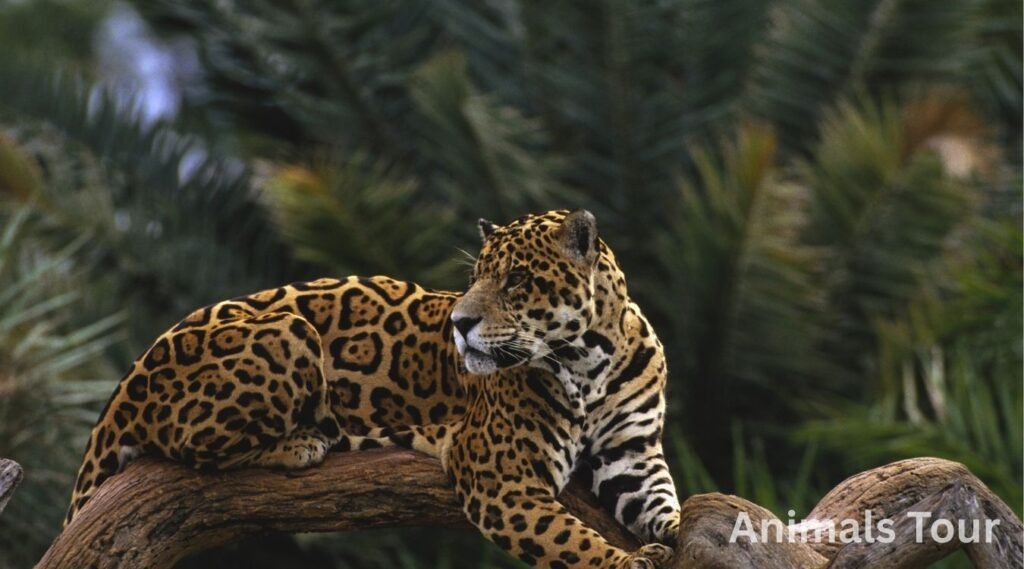
What’s even more intriguing is their territorial behavior. Jaguars establish vast territories to mark their presence, using scent markings and vocalizations to communicate with others. This strong sense of ownership over their realm helps ensure that they have enough resources to survive in the wild. Their powerful jaws and strong bodies allow them to take down prey larger than themselves, further emphasizing their role as apex predators in their ecosystems. Each solitary journey they undertake reinforces the jaguar’s status as a symbol of strength and independence, captivating anyone lucky enough to witness their prowess.
Platypus
Scientific Name: Ornithorhynchus anatinus
Class: Mammalia
Diet: Carnivore
Platypus are among the most independent creatures on the planet, showcasing a unique blend of traits that make them truly stand out. With their duck-bill and webbed feet, these mammals are natural swimmers, often venturing alone in search of food like insects and crustaceans. Unlike many other animals, platypuses do not rely on social structures or packs; their solitary nature allows them to navigate their environments with a level of adaptability that is quite remarkable.
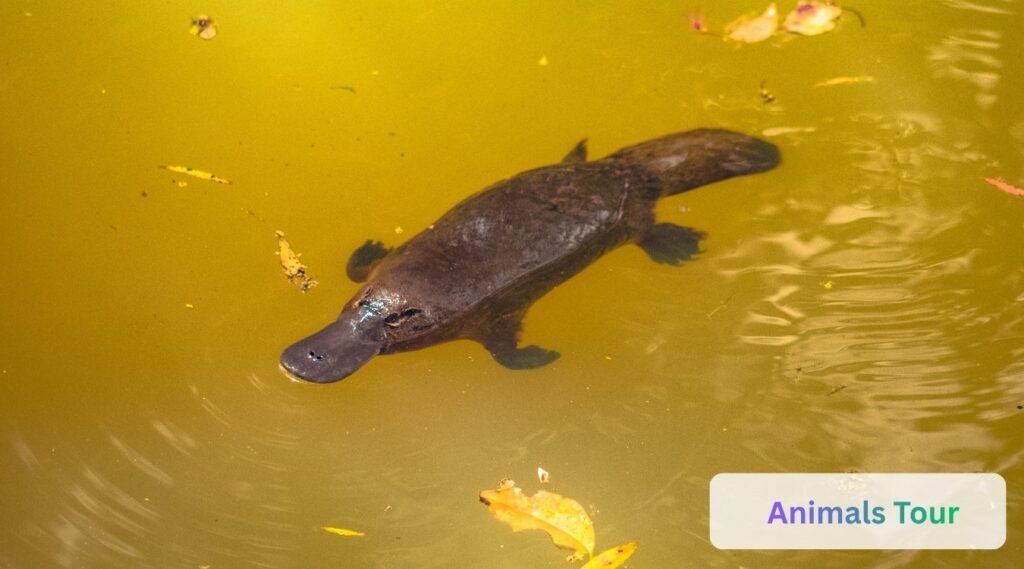
What’s even more fascinating is how they communicate and interact with their surroundings. Instead of vocal sounds, platypuses use their sensitive bill, which can detect electric fields produced by prey. This remarkable adaptation not only highlights their independence in hunting but also emphasizes their unique evolutionary path. In the intricate tapestry of nature, the platypus serves as a reminder of how independence can be a powerful survival tool, allowing a single creature to thrive in a world full of diverse challenges.
Red Fox
Scientific Name: Vulpes vulpes
Class: Mammalia
Diet: Omnivore
Red foxes, with their vibrant fur and clever demeanor, stand out as one of nature’s most independent creatures. These adaptable animals showcase remarkable survival skills, thriving in diverse environments from urban landscapes to rural farmlands. Their ability to adjust their diet to include everything from small rodents to fruit demonstrates their resourcefulness, they often scavenge in gardens and parks, reminding us of the wild that exists alongside our daily lives.
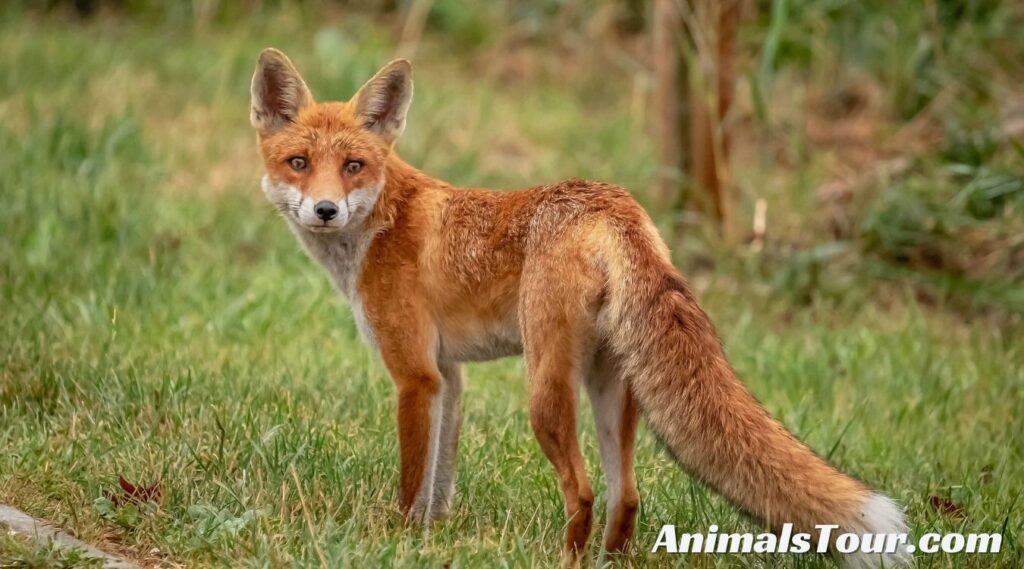
What’s truly fascinating about red foxes is their social structure. Unlike many other mammals, they can be solitary but also form small family groups, showcasing a unique blend of independence and social interaction. This flexibility allows them to efficiently hunt, raise young, and defend territories. As they navigate through the world, their keen senses and intelligence further highlight their role as both solitary hunters and social beings, making them a compelling subject for wildlife enthusiasts and casual observers alike.
Orangutan
Class: Mammalia
Diet: Omnivore
Orangutans are some of the most fascinating independent animals in the world, showcasing remarkable intelligence and adaptability. Unlike many other primates, they spend most of their lives in trees, crafting intricate nests high above the ground. This arboreal lifestyle not only keeps them safe from ground predators but also allows them to access a diverse diet of fruits, leaves, and insects, highlighting their resourcefulness in the wild.
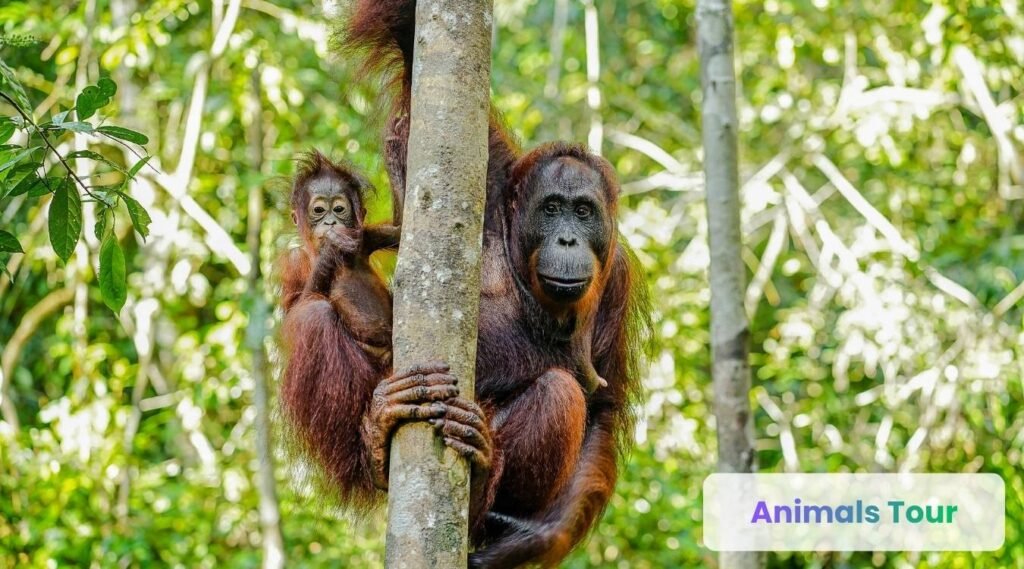
What sets orangutans apart is their keen problem-solving skills. They’re known for using tools, like sticks to extract termites or leaves to scoop water. This showcases not just their adaptability but also their ability to learn and innovate. Additionally, their solitary nature encourages a unique form of independence, as they often wander across vast territories in search of food and shelter, teaching us about the importance of personal space and self-sufficiency in the animal kingdom. Observing these gentle giants is a reminder of the intricate connections in ecosystems and the delicate balance that supports their existence.
Crocodiles
Scientific Name: Crocodylus
Class: Reptilia
Diet: Carnivore
Crocodiles, often seen as fierce and solitary predators, embody a unique independence that sets them apart in the animal kingdom. Unlike many social species, these reptiles thrive on a lifestyle that celebrates self-sufficiency. They are masters of their environment, adapting seamlessly to various habitats, from dense mangroves to open rivers. This versatility not only allows them to hunt effectively but also to establish their territories with little need for social interaction.
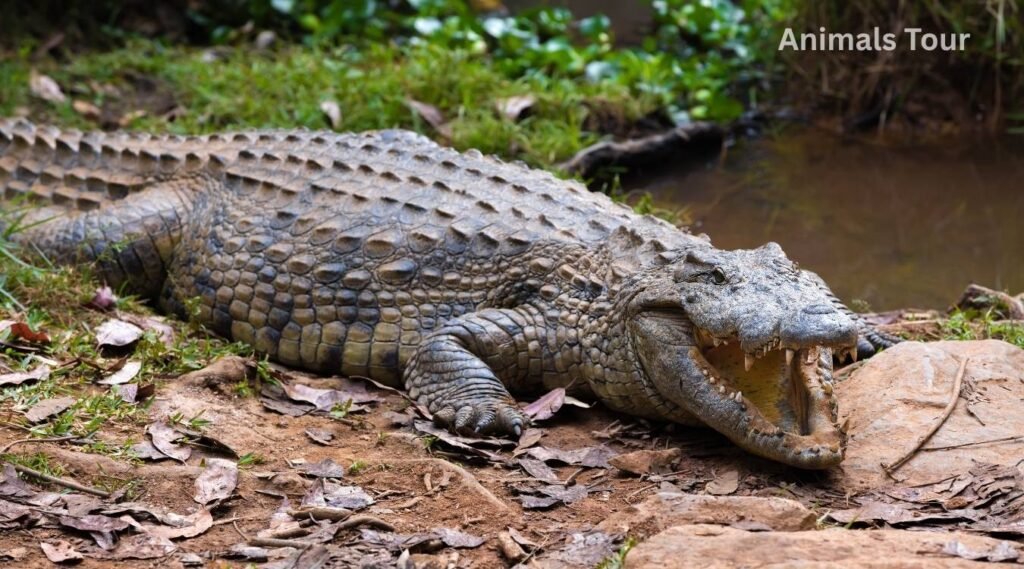
Interestingly, their independence also extends to their nurturing habits. While female crocodiles do guard their nests and newly hatched young, once the hatchlings are able to swim, the mothers often encourage them to fend for themselves quickly. This balance of care and independence showcases how these ancient creatures have evolved to ensure their survival in the wild. Crocodiles remind us that strength is often found not just in numbers, but in the ability to exist confidently on one’s own terms.
Polar Bear
Scientific Name: Ursus maritimus
Class: Mammalia
Diet: Carnivore
Polar bears are fascinating creatures, embodying a unique blend of strength and solitude in the Arctic wilderness. Unlike many other animals that thrive in groups, polar bears are known for their independence. They often roam vast distances alone, navigating across expansive sea ice in search of seals, their primary prey. This solitary lifestyle not only highlights their adaptability but also reveals how they have evolved to survive in one of the harshest environments on Earth.
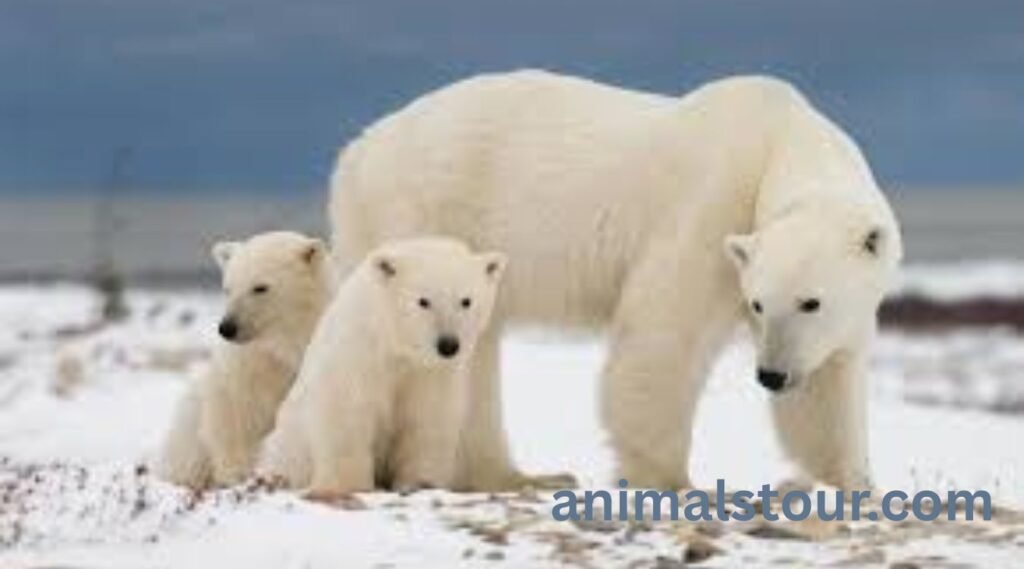
While some might view their solitude as loneliness, it serves a distinct purpose in their survival strategy. By relying on their keen hunting skills rather than social dynamics, polar bears minimize competition for food. Additionally, this independence allows them to focus on their cubs during the crucial early months of life, teaching them the skills they’ll need to thrive in the wild. As climate change continues to impact their habitat, understanding the polar bear’s independent nature becomes even more vital for conservation efforts, emphasizing the need for a world that respects and protects these remarkable, solitary giants.
Snow Leopard
Scientific Name: Panthera uncia
Class: Mammalia
Diet: Carnivore
Snow leopards are the elusive ghosts of the high mountains, their spotted coats blending seamlessly with the rocky terrain. These majestic cats have adapted to life in some of the harshest environments on Earth, thriving in the icy reaches of the Himalayas and Central Asia. Unlike many other big cats, snow leopards are solitary creatures, relying on their keen eyesight and stealth to hunt. Their independence isn’t just a survival trait; it also highlights a unique pattern of life that contrasts sharply with more social feline species, giving them a mysterious aura that fascinates wildlife enthusiasts.
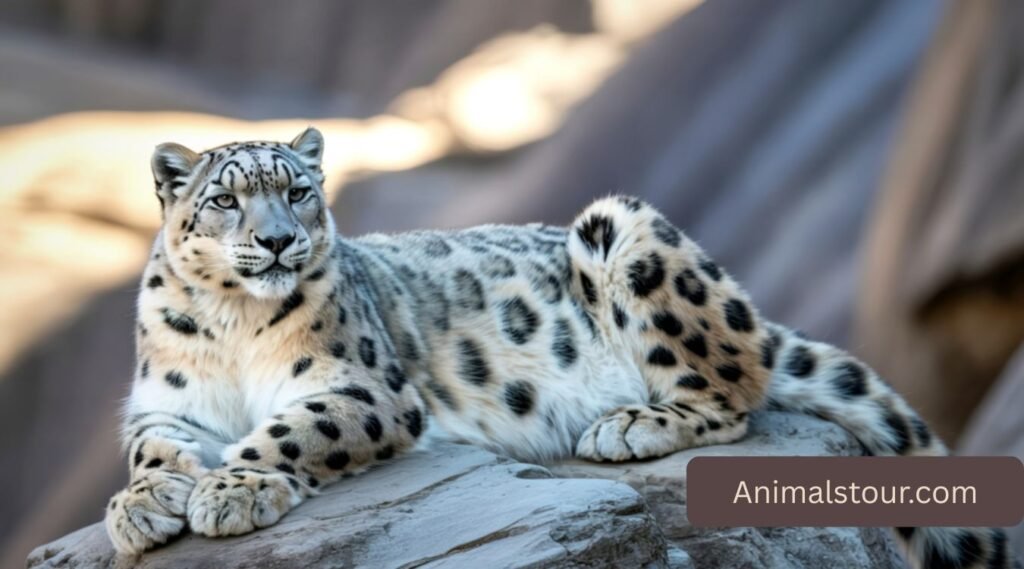
The challenges these independent animals face are immense. With decreasing prey populations and human encroachment into their habitats, snow leopards are becoming increasingly vulnerable. Yet, their resilience shines through in their ability to traverse vast mountain ranges, often covering hundreds of miles in search of food. Research shows they play a vital role in their ecosystems, controlling herbivore populations and maintaining the balance of these fragile alpine environments. Protecting snow leopards means not only saving a beautiful species but also preserving the intricate web of life in which they thrive. By understanding their lifestyle and challenges, we can foster a deeper appreciation for these enchanting creatures and the ecosystems they inhabit.
Cougar
Scientific Name: Puma concolor
Class: Mammalia
Diet: Carnivore
Cougars, often dubbed the ultimate independent animals, roam a vast range across North and South America, showcasing their adaptability and stealth. Unlike many other big cats, they thrive in diverse habitats — from dense forests to arid deserts — demonstrating an incredible ability to adjust their hunting styles according to the environment. This adaptability not only highlights their survival skills but also their role as apex predators, helping to maintain ecological balance.
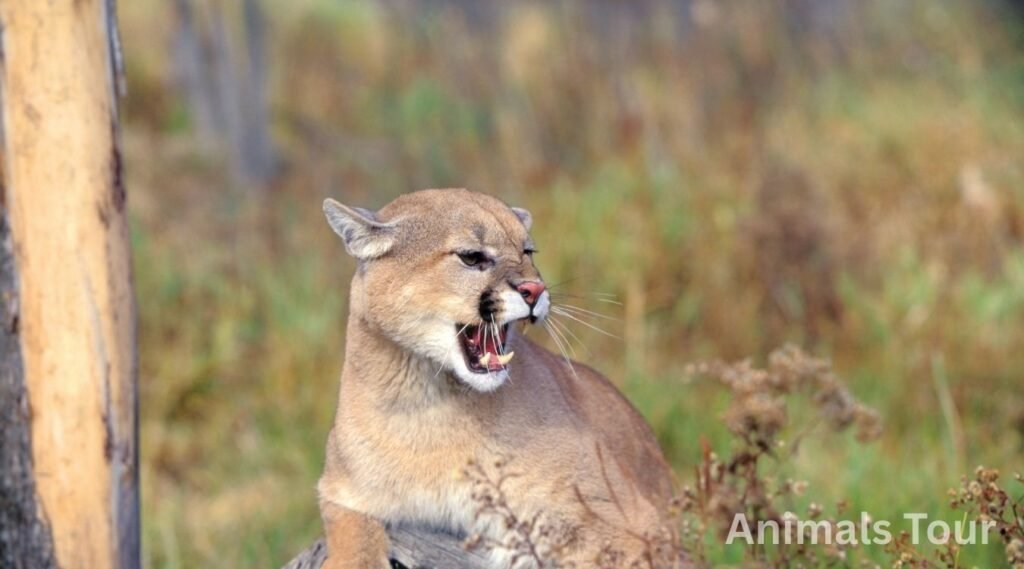
Interestingly, cougars are solitary by nature, relying on their keen instincts and stealth to hunt prey. They often cover vast territories, marking their boundaries with scent markings to avoid confrontations with others. This independence extends to their parenting; mothers raise their cubs alone, teaching them essential survival skills without the involvement of a mate. Observing a cougar in the wild is a rare privilege, as they prefer to stay hidden, embodying the spirit of solitude and independence in the wilderness. In many ways, they remind us of the beauty of living authentically, embracing solitude while thriving in the shadows.
Sea Turtles
Scientific Name: Chelonia mydas
Class: Reptilia
Diet: Herbivore/Omnivore
Sea turtles glide through the ocean with an elegance that seems almost magical. As ancient mariners, these reptiles have inhabited the Earth for over 100 million years, surviving mass extinctions and evolving into masters of the sea. Yet, their lives are a testament to independence. Unlike many other species, sea turtles do not form social groups, they thrive in solitude, navigating vast oceans and returning to the same nesting beaches year after year.
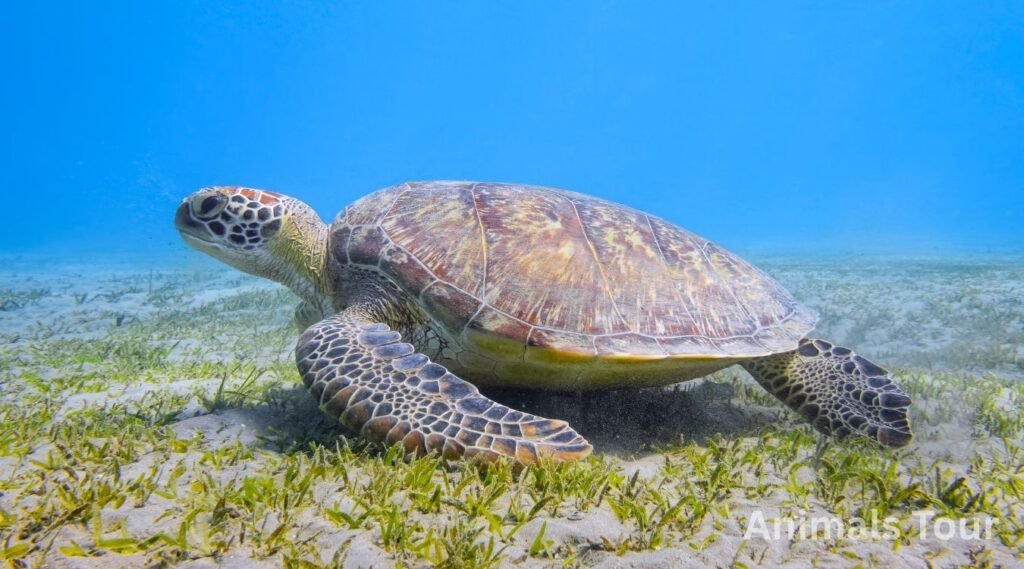
One fascinating aspect of their independence is how female sea turtles instinctively find their way back to the very sands where they hatched to lay their own eggs. This incredible homing ability, the result of complex sensory cues, speaks to the depths of their independence. While they face numerous threats like habitat loss and climate change, these solitary wanderers continue to play a crucial role in marine ecosystems, helping to maintain the health of seagrass beds and coral reefs. In their quiet resilience, sea turtles remind us of nature’s wisdom and the importance of protecting their independent journey.
Moles
Scientific Name: Talpidae
Class: Mammalia
Diet: Insectivore
Moles, often overlooked in the animal kingdom, are fascinating little creatures that thrive beneath our feet. As highly specialized burrowers, they spend most of their lives underground, creating intricate tunnel systems that can stretch for miles. This subterranean lifestyle not only helps them evade predators but also allows them to maintain a rich diet of earthworms and insects. Each burrow is a testament to their engineering skills, with separate chambers for nesting and storing food, showcasing their independence and ingenuity.
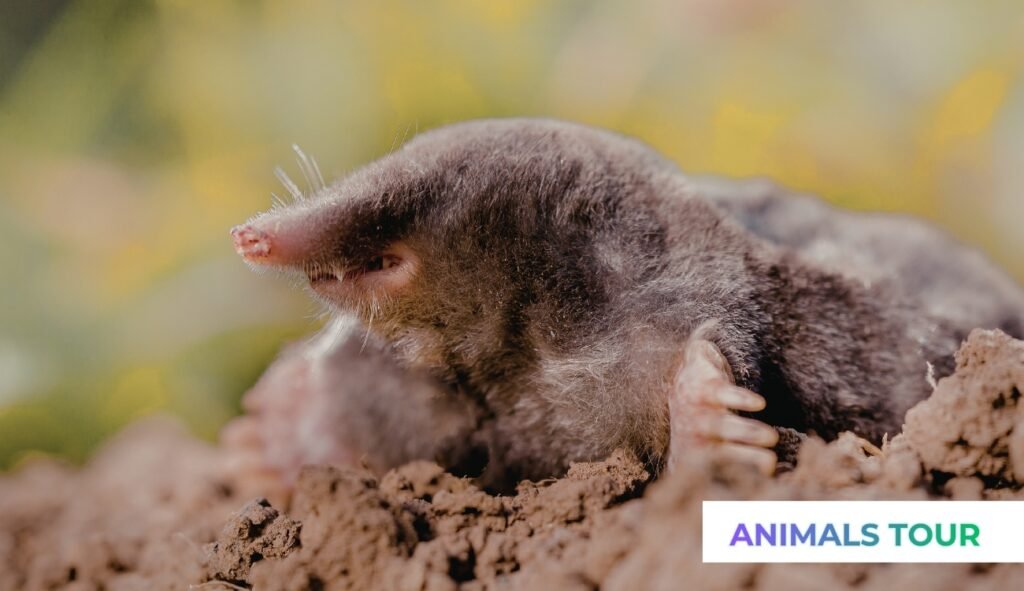
What’s particularly intriguing is how moles interact with their environment. Their digging aerates the soil, promoting plant growth and enhancing agricultural productivity. This makes them unsung heroes in our ecosystems, even as some might see them as pests. Moreover, research has unveiled that moles can even sense their prey through vibrations in the ground, highlighting their impressive adaptations to a life spent mostly in darkness. Their unique combination of traits makes them not just independent animals but also vital players in maintaining ecological balance.
Final Thoughts
To wrap it up, exploring the top independent animals in the world shows us how diverse and fascinating nature can be. These animals, from the adventurous raccoon to the solitary snow leopard, exhibit incredible skills that allow them to survive without relying on others. Their stories challenge us to think about our own independence and the ways we can thrive in our environments. Each of these creatures has lessons to teach us about resilience and adaptability. Let’s celebrate their uniqueness and consider how we, too, can embrace our own independence.
FAQs
What is the most independent animal in the world?
The octopus is often considered the most independent animal in the world. With its remarkable intelligence and problem-solving skills, it can navigate complex environments and escape predators without relying on a social structure or herd. Each octopus is a solitary hunter, using its ability to camouflage and manipulate objects to find food and shelter. Their ability to regenerate lost limbs adds to their self-sufficiency. Unlike social animals that depend on a group for protection or hunting, octopuses thrive on their own. This independence, combined with their unique behaviors and adaptability, truly sets them apart in the animal kingdom.
What animal is fiercely independent?
The wolverine is a symbol of fierce independence. These solitary creatures are known for their tenacity and strength, often taking on prey much larger than themselves. They roam vast territories, sometimes covering over 30 miles in a single day in search of food, showcasing their self-sufficient nature. Wolverines are also highly adaptable and resilient, thriving in harsh, rugged environments. Their reluctance to rely on others for survival and their ability to outsmart predators make them stand out as one of the most fiercely independent animals in the wild.
What pets are independent?
Cats are among the most independent pets you can own. Unlike dogs, they don’t require constant attention or structured walks. They are perfectly content to explore on their own, take naps in sunny spots, and entertain themselves with toys.