Explore Top 15 Animals With Small Eyes (With Images)
Discover the fascinating world of animals with small eyes, where size doesn’t always equal importance for vision. From creatures living deep underground to those hunting in the dark, many species have evolved with surprisingly tiny peepers. These animals often rely more on other senses, like hearing or smell, to navigate their world and find food. Join us as we count down the Top 15 animals with small eyes and learn what makes them so special.
List of Animals With Small Eyes
Below is the list of animals that have small eyes:
- Armadillos
- Mole
- Elephant
- Mongoose
- Starfish
- Fox
- Wombat
- Shrew
- Whales
- Caterpillars
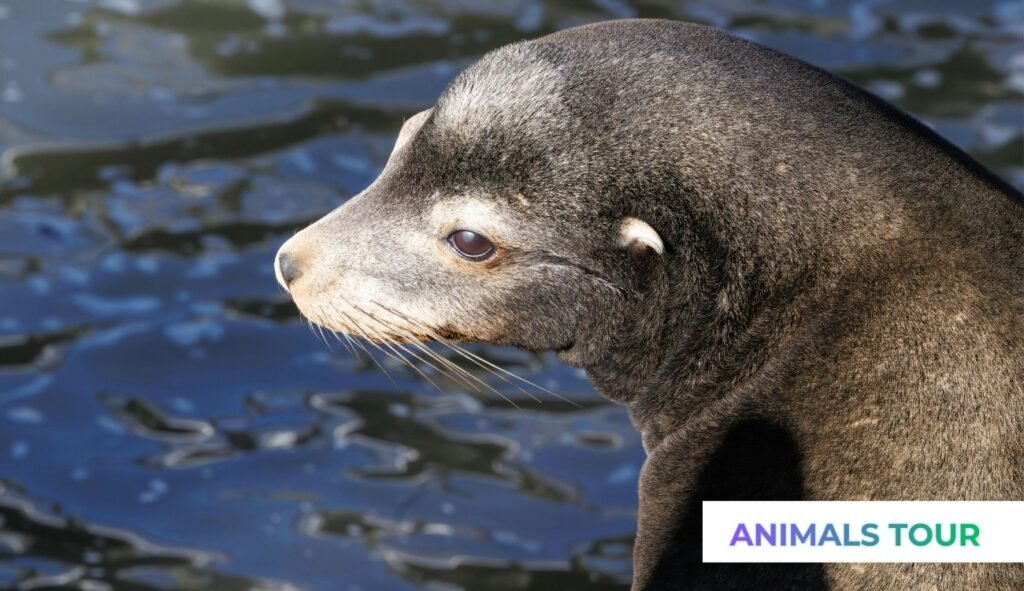
- Walrus
- Platypus
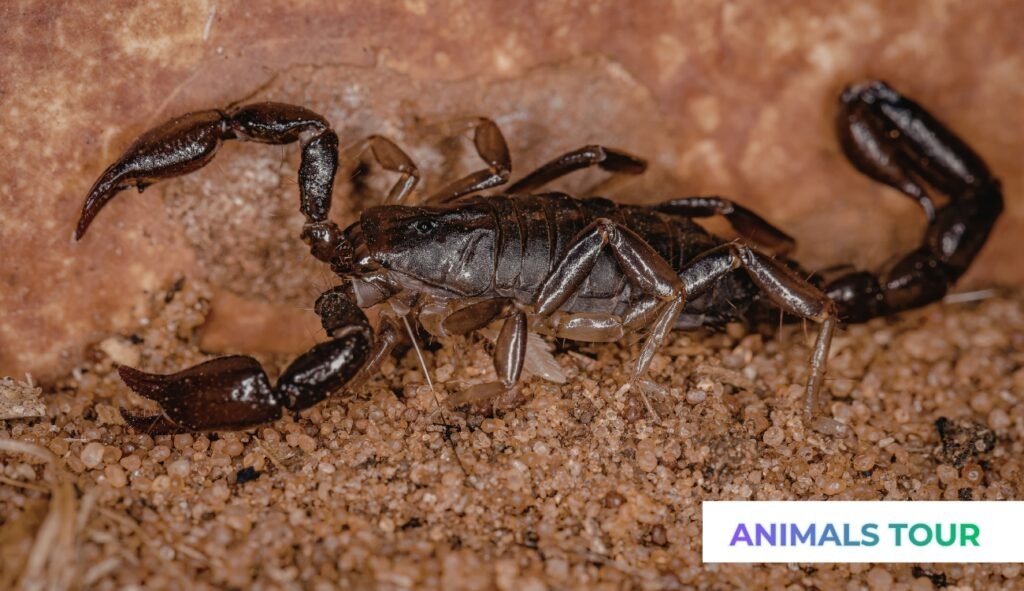
- Scorpions
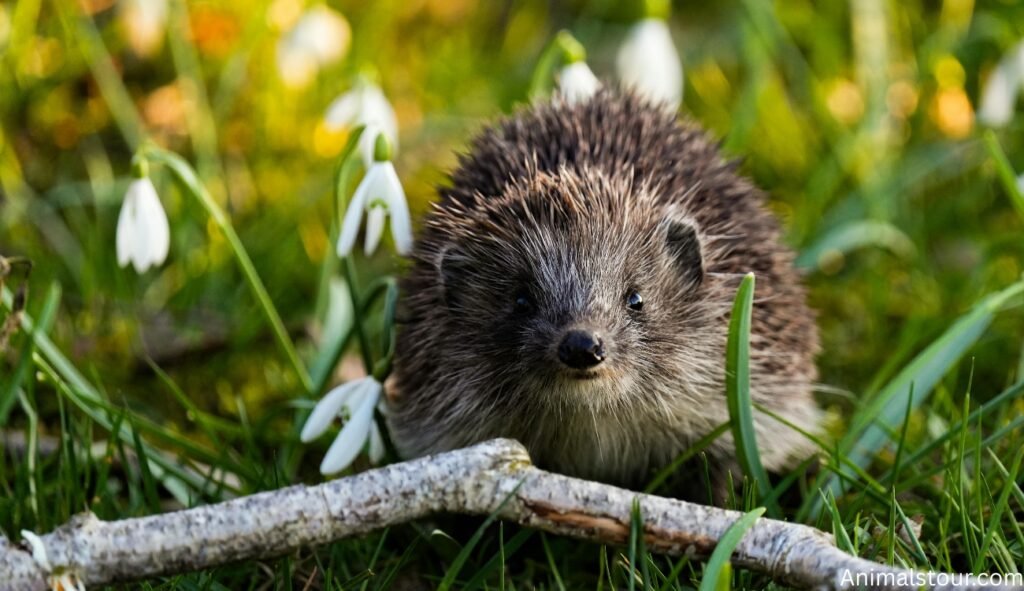
- Hedgehogs
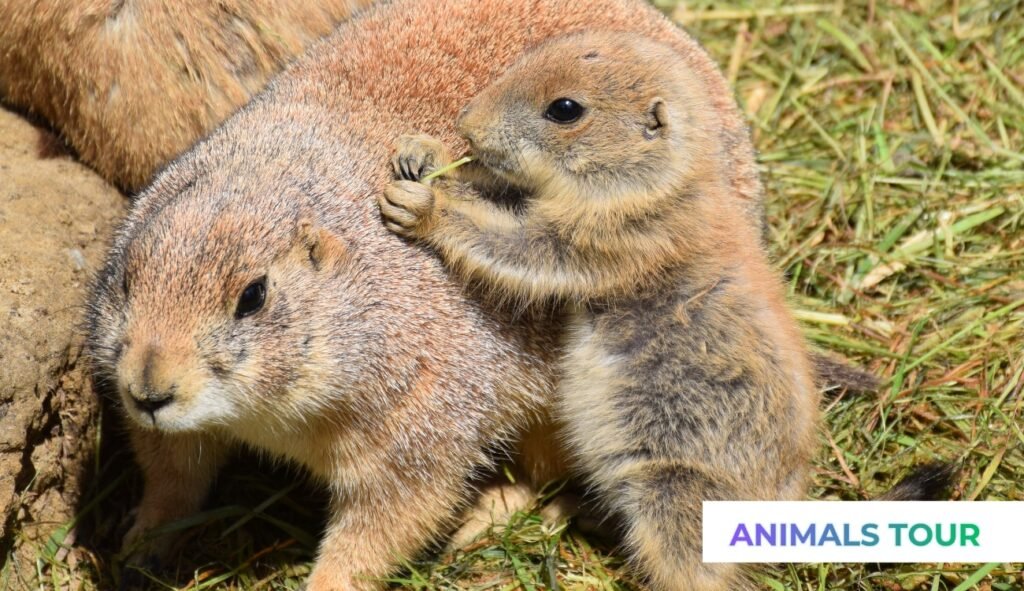
- Groundhogs
Armadillos
Scientific Name: Dasypus novemcinctus
Class: Mammalia
Diet: Omnivore
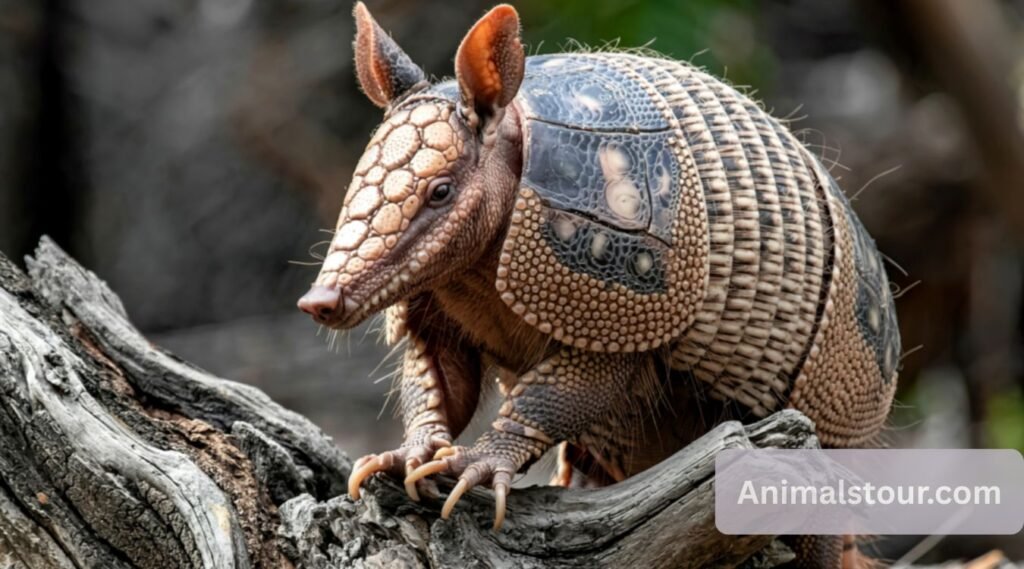
Armadillos are interesting animals known for their tough, bony shells. They have very small eyes, which are actually quite useful for them because armadillos don’t depend much on seeing clearly. They often live in dark burrows deep underground and are most active when it’s dim or at night. You can find these creatures mostly in warm areas of North and South America.
Instead of good eyesight, armadillos rely on their amazing sense of smell to find food. They use their strong claws to dig for insects like ants and termites, as well as worms and sometimes plant roots. Thus, their small eyes are just right for their life of digging and sniffing out food in their shadowy homes.
Mole
Scientific Name: Talpa europaea
Class: Mammalia
Diet: Carnivore
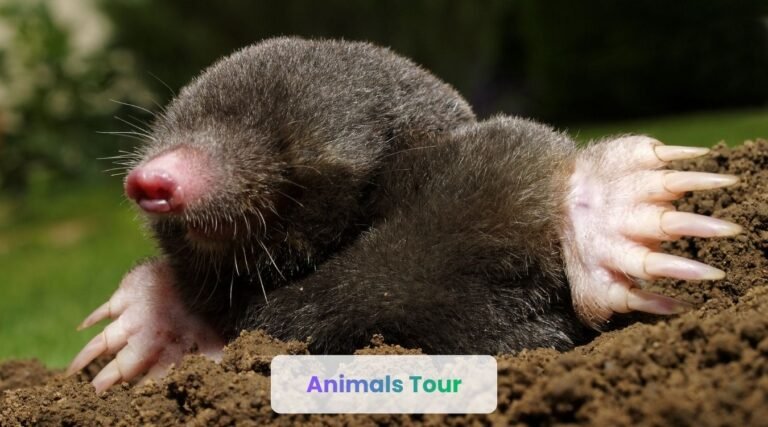
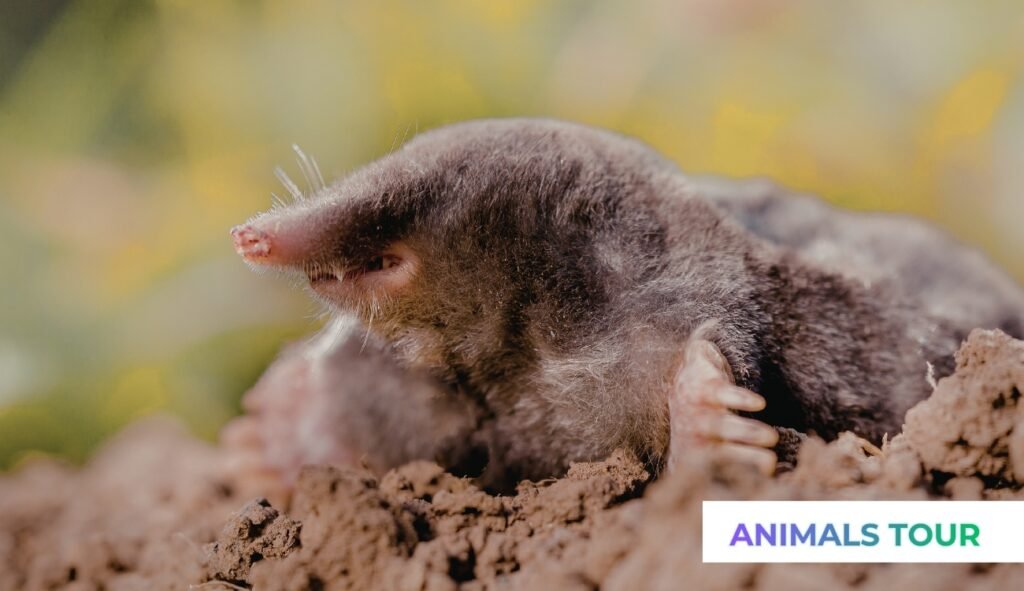
A mole is a small animal easily recognized by its tiny eyes. These small eyes are actually very helpful because moles spend nearly all their time living in dark tunnels deep underground. Since they live where there is no light, big eyes wouldn’t be useful and could easily get dirt in them or get hurt while digging. Moles create a complex network of tunnels in places like fields, gardens, and forests, making these their homes.
Instead of relying on sight, their strong sense of touch and smell are much more important for finding their way around and searching for food in the soil. Their main diet consists of earthworms and other small insects they find as they dig. In short, a mole’s small eyes and other features are perfectly suited for its unique life hidden beneath the ground.
Elephant
Scientific Name: Loxodonta africana
Class: Mammalia
Diet: Herbivore
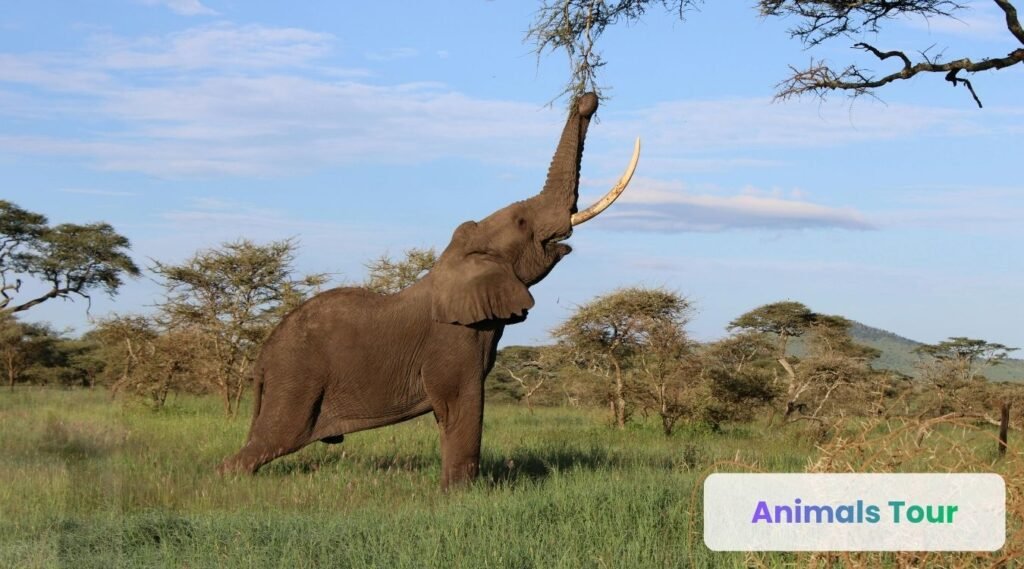
Elephants are incredible animals, and despite their huge bodies, they have surprisingly small eyes that suit their world perfectly. These small eyes mean elephants don’t rely on sight as much as their other senses; instead, their long trunks give them an amazing sense of smell, and their big ears help them hear sounds from far away, both crucial for finding food and staying safe.
These gentle giants live in family groups called herds, making their homes in warm places like the grasslands and forests of Africa and Asia. They spend much of their day eating, using their powerful trunks to gather grass, leaves, bark, and fruits, as they are plant-eaters. Thus, every part of an elephant, from its small eyes to its specialized diet, works together to help it live and thrive in its natural habitat.
Mongoose
Scientific Name: Herpestes edwardsii
Class: Mammalia
Diet: Omnivore
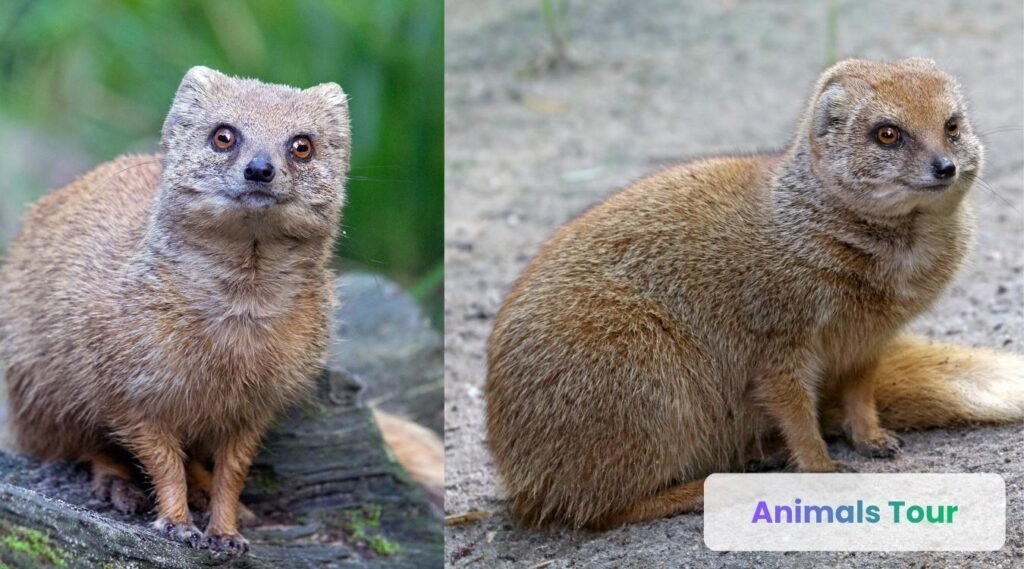
Mongooses are quick, clever animals well-suited to their busy lives, partly thanks to their small, keen eyes. These small eyes are actually very good for seeing nearby things and for staying safe as they move through thick bushes, being less likely to get poked or hurt. Mongooses are active creatures that spend their days hunting, often digging in the dirt or peeking into crevices, and their sharp vision helps them spot tiny prey and watch out for danger.
They live in many different places, from warm grasslands to rocky deserts, found across parts of Africa, Asia, and southern Europe. Their diet is quite varied, including insects, small rodents, birds, eggs, and even some fruits, all caught with the help of their quickness and good eyesight. Ultimately, the mongoose’s small, sharp eyes are a perfect fit for its fast-paced life, helping it thrive in its varied homes and find plenty to eat.
Starfish
Scientific Name: Asterias rubens
Class: Asteroidea
Diet: Carnivore
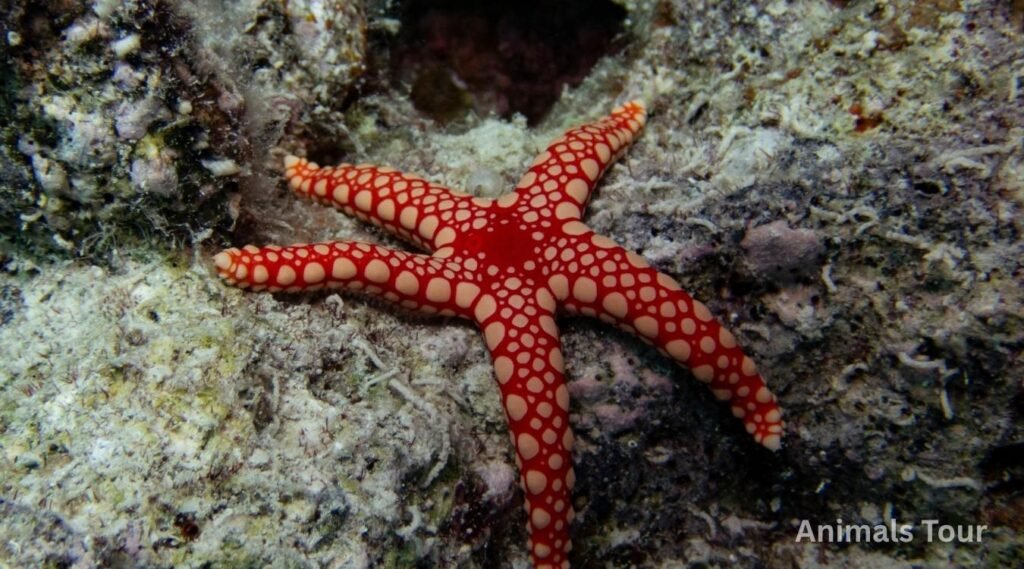
Starfish are fascinating sea creatures with many arms, each tipped with tiny eyes that are perfectly suited for their unique way of life. These eyes are very simple, much different from human eyes, and only help the starfish sense light and dark. They don’t need to see clear pictures because they move slowly and hunt for food that stays put, like clams or mussels. This simple vision is enough for them to find their way and spot changes in light. Starfish live on the ocean floor, slowly crawling among rocks and sand in oceans all around the world, from shallow waters to deep areas.
Their small eyes play a key role in their living by helping them find darker places to hide from animals that might eat them, or brighter spots where food might be found. They mostly eat shellfish, like oysters and clams, by using their strong arms to pull the shells open, then pushing their stomach out to digest the meal inside. In this way, their small, simple eyes are incredibly important, guiding them through their slow, bottom-dwelling existence and helping them find food and stay safe.
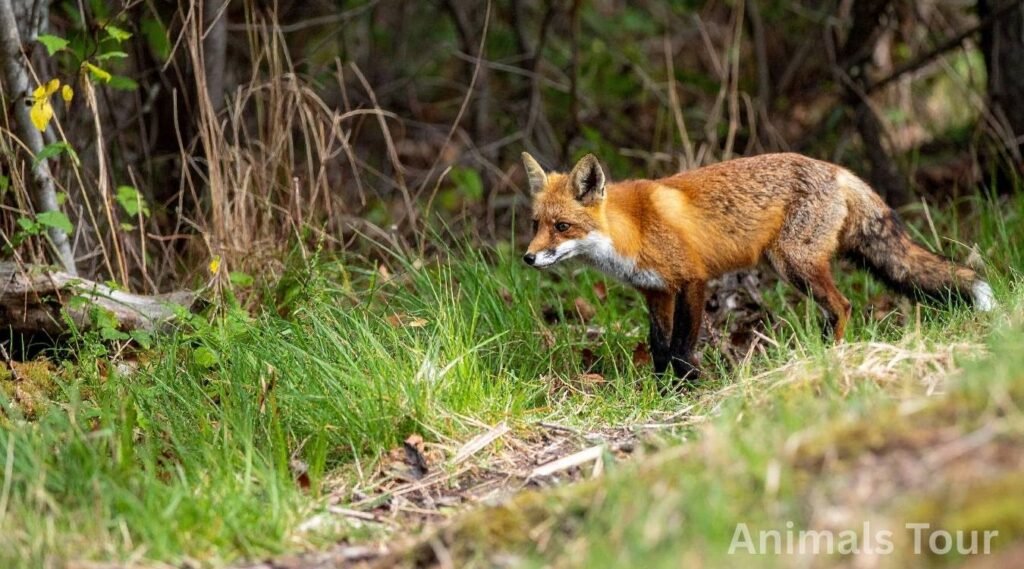
Fox
Scientific Name: Vulpes vulpes
Class: Mammalia
Diet: Omnivore
Foxes are clever animals known for their small, keen eyes and adaptable way of life. These small eyes are very important because they help the fox see tiny movements and hunt well, especially when it’s dark. Foxes live in many different places, from thick forests to open fields and even busy towns, often making homes in underground dens.
They are not picky eaters and enjoy a wide range of foods, including small creatures like mice and rabbits, tasty insects, and various fruits and berries. All these features, especially their sharp eyesight and varied diet, help the fox thrive in many environments.
Wombat
Scientific Name: Vombatus ursinus
Class: Mammalia
Diet: Herbivore
Wombats are strong, chunky animals easily recognized by their small eyes. Their eyes are tiny because these creatures spend most of their lives digging and living in dark tunnels underground. In these deep, hidden homes, big eyes are not very useful and would be more likely to get hurt by dirt or roots.
Wombats live in Australia and come out at night to find their food, which includes plants like grass, roots, and tree bark. Therefore, their small eyes are perfectly suited for their unique life spent mostly hidden away in their cozy burrows.

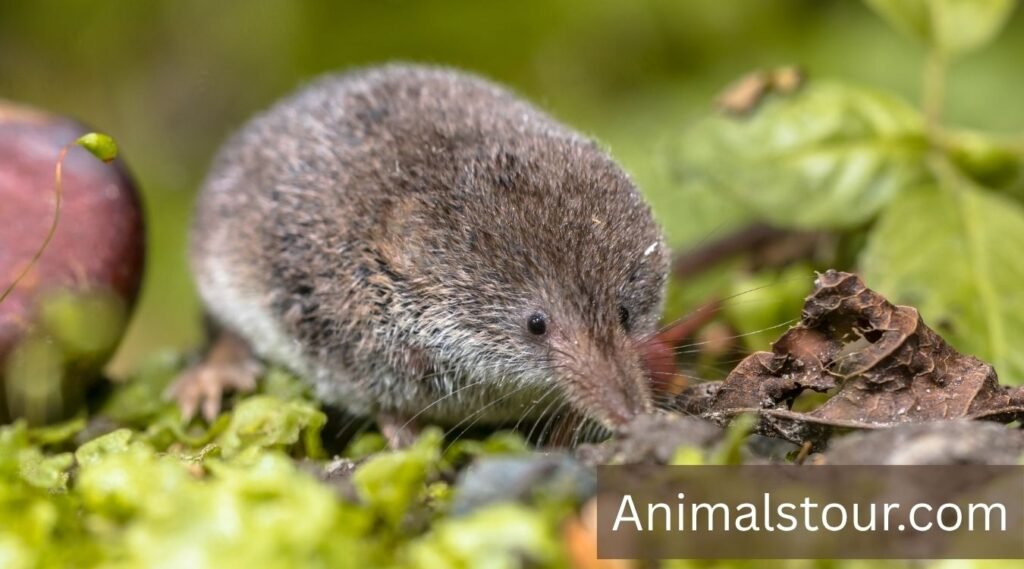
Shrew
Scientific Name: Sorex araneus
Class: Mammalia
Diet: Carnivore
Shrews are tiny, busy creatures known for their very small eyes. These little eyes are perfectly fine because shrews don’t depend on sight much; instead, they use their excellent sense of smell and hearing to navigate and find what they need. Living a fast-paced life, shrews must constantly search for food due to their high energy demands.
They make their homes in many places like forests, fields, and even gardens, often hiding under leaves or in small burrows. Their diet mainly consists of insects, worms, and other small creepy-crawlies they sniff out on the ground. Ultimately, their small eyes are no hindrance, as shrews thrive by relying on their other sharp senses to survive in their hidden worlds.
Whales
Scientific Name: Balaenoptera musculus
Class: Mammalia
Diet: Carnivore
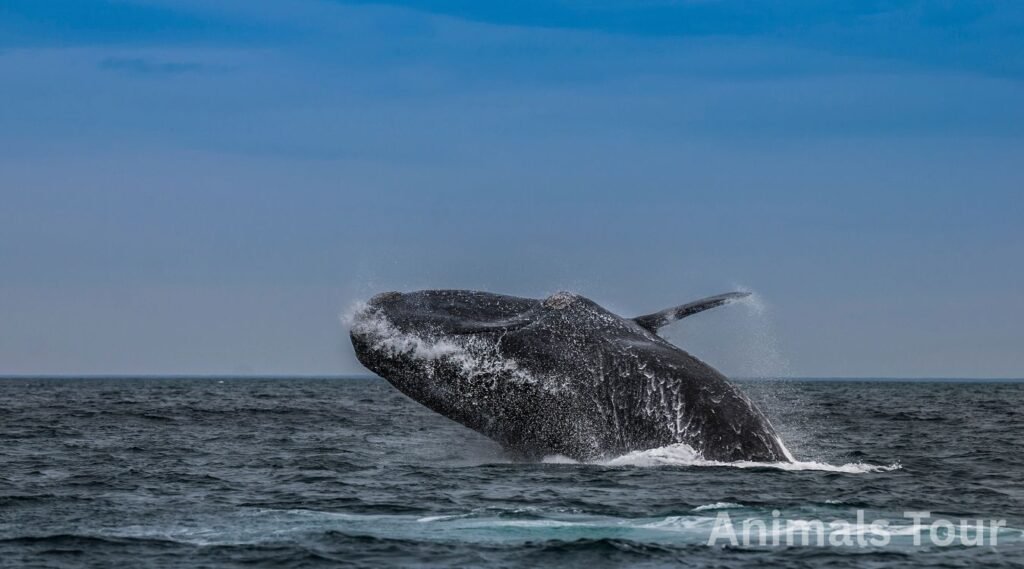
Whales are incredible ocean animals that have surprisingly small eyes for their massive size. Because many whales live deep in the ocean where sunlight cannot reach, large eyes wouldn’t be very useful in the constant darkness. Instead of relying on sight, these gentle giants use their fantastic sense of hearing, often making sounds and listening for echoes to “see” their surroundings and find food, a special skill called echolocation.
Whales live in all the world’s oceans, from warm tropical areas to freezing polar regions, and their diet can include tiny shrimp-like krill, small fish, or squid, depending on the species. Their small, tough eyes are well-suited for handling the immense pressure and dark conditions of their deep-sea homes. Therefore, for these magnificent creatures of the sea, small eyes are perfectly adapted to their unique way of life.
Caterpillars
Class: Insecta
Diet: Herbivore
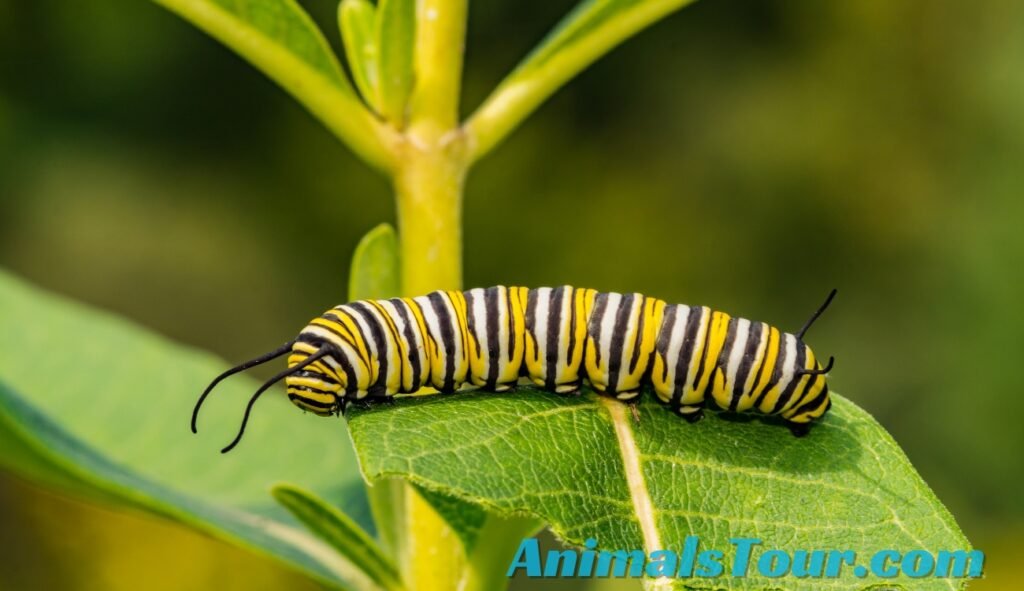
Caterpillars, the young form of butterflies and moths, have many tiny eyes that look like small dots on their heads. These tiny eyes can’t see clear pictures like human eyes do; instead, they mostly help the caterpillar tell if it’s light or dark, and if something is moving close by. This simple vision is all they need because caterpillars lead a quiet life, spending most of their time munching on leaves, which is their main food.
They live right on the plants and trees where they were born, eating and growing bigger, so their small eyes are good enough to help them find more leaves and sense if a shadow means danger, even if they can’t see far away. For a creature that mostly eats and grows on a leaf, simple vision from many small eyes is perfectly suited to its way of life.
Walrus
Scientific Name: Odobenus rosmarus
Class: Mammalia
Diet: Carnivore
Walruses are large ocean animals with surprisingly small eyes, which are just right for their life in cold waters. They live mainly in the very cold places far north, like the Arctic, spending much of their time in the icy sea or resting on big pieces of ice. Their small eyes are better for these chilly conditions because they are less likely to get cold or hurt, and walruses don’t need to see far in the often dark and cloudy water.
Instead of relying on sight, these animals with small eyes use their many super sensitive whiskers to feel for their food, like clams and other small sea creatures, which they dig up from the seabed. All in all, the walrus’s small eyes are a clever way nature helps them live and find food in their unique, freezing home.

Platypus
Scientific Name: Ornithorhynchus anatinus
Class: Mammalia
Diet: Carnivore
The platypus has notably small eyes, which are perfectly suited for its unique way of life. They don’t rely much on their sight underwater, often closing their eyes while diving, because their sensitive bill does most of the work to find food. These shy animals spend a lot of time in the freshwater rivers and streams of eastern Australia and Tasmania.
There, they use their special bill to feel for tiny creatures like insect larvae, worms, and freshwater shrimp on the riverbed. So, their small eyes and amazing bill work together to help them live and find food in their watery home.
Scorpions
Scientific Name: Scorpiones
Class: Arachnida
Diet: Carnivore
Scorpions are fascinating creatures, easily recognized by their small eyes, which are perfectly suited for their unique lifestyle. These tiny eyes don’t see very well because scorpions mostly live in dark places or come out at night. They prefer to live in warm, dry areas like deserts, often hiding under rocks or in burrows to escape the sun.
During the nighttime, when they are most active, scorpions rely more on feeling vibrations in the ground and air to find their way and catch food. Their diet includes insects like crickets and spiders, and sometimes even small lizards, which they grab with their strong claws and sting. So, their small eyes are just enough to tell light from dark, helping them stay hidden and hunt effectively in their world.
Hedgehogs
Scientific Name: Erinaceus europaeus
Class: Mammalia
Diet: Omnivore
Hedgehogs are small, spiky creatures recognized by their tiny, beady eyes. These small eyes are actually quite helpful because hedgehogs are most active at night, relying more on their excellent sense of smell and hearing to find their way and hunt in the dark. Living on the ground in gardens, woodlands, and hedgerows, hedgehogs spend their nights rooting around for food, and their tiny eyes are less likely to get poked or scratched as they push through bushes or roll into a protective ball.
Their diet mainly consists of insects, worms, slugs, and snails, all found by sniffing them out rather than seeing them clearly. Ultimately, a hedgehog’s small eyes are perfectly adapted for its nocturnal lifestyle and its need for protection.
Groundhogs
Scientific Name: Marmota monax
Class: Mammalia
Diet: Herbivore
Groundhogs are interesting animals with small eyes that help them live their unique lives. Though they have tiny eyes, it makes perfect sense for how they live, as groundhogs spend most of their time digging and living in dark burrows under the ground where big eyes wouldn’t be very useful. In fact, smaller eyes are better because they are less likely to get dirt or mud in them while tunneling. These animals are expert diggers, creating long tunnels and rooms deep beneath the soil, and their small eyes are well-protected when they are down in their dark homes.
You can find these animals with small eyes in open fields, at the edges of forests, and sometimes even in gardens or yards across North America. They mostly eat plants like grasses, clover, and dandelions, but they also enjoy vegetables, fruits, and sometimes even small insects. Ultimately, their small eyes are perfectly suited for a life spent mostly underground, helping them thrive in their burrowing world.
Final Words
To wrap things up, our journey through the world of animals with small eyes has shown us just how diverse and fascinating nature can be. From creatures of the deep sea to those living underground, these animals prove that big eyes aren’t always needed for survival. Their tiny peepers are often perfectly suited for their unique homes and lifestyles, letting them navigate, hunt, or hide in amazing ways.
Each animal on our list, whether it’s a mole or a cave fish, uses its other senses incredibly well to make up for less reliance on sight. Ultimately, these small-eyed wonders remind us that every creature is perfectly designed for its environment, proving that size doesn’t always matter when it comes to vision and thriving in the animal kingdom.
FAQs
Which Animal have small eyes?
Several animals are known for their small eye size relative to their body. Many species of bats, for instance, have tiny eyes as they rely heavily on echolocation rather than vision to navigate in the dark. Similarly, some deep-sea fish, like the anglerfish, have small eyes that are adapted to the low-light conditions of their environment. Certain mammals, such as moles, have diminutive eyes since they spend most of their lives underground, where vision is less critical.
Which animal have smallest eyes in the world?
The star-nosed mole is often cited as having the smallest eyes among animals. These tiny creatures, native to North America, have eyes that are barely visible and are largely covered by fur. Their eyes are adapted to their dark, subterranean lifestyle, where vision isn’t as crucial as smell and touch. Instead of relying on eyesight, the star-nosed mole uses its distinctive star-shaped nose to sense its environment. This unique adaptation makes it one of the most efficient foragers in its habitat.