Top 14 Animals with Whiskers (With Images)
Many animals have special, stiff hairs on their faces called whiskers. These amazing whiskers are super important because they help creatures feel their way around and understand their surroundings, especially when it’s dark or hard to see. They act like tiny antennas, letting animals sense how wide a space is, find food, and even detect danger by feeling vibrations in the air. From furry house cats and powerful lions to playful sea otters and tiny mice, lots of different animals rely on these helpful tools every single day. These Animals with Whiskers are a vital part of how many fascinating creatures navigate their world and stay safe.
Why do animals have whiskers?
Whiskers are very important tools that help many animals understand their world. These special hairs are much thicker and more sensitive than regular fur, acting like tiny antennas. Animals use their whiskers to feel what is around them, especially when it’s dark or they are in a tight spot.
For example, a cat can tell if it can fit through a small hole just by touching it with its whiskers. They also help animals find food, know how close things are, and avoid bumping into objects. In short, whiskers work as an amazing built-in sensor system that helps animals navigate and survive.
List of Animals with Whiskers
- Cat
- European rabbit
- Dog
- Otter
- Etruscan shrew
- Seal
- Beaver
- Rat
- Manatees
- Horse
- Raccoon
- Sea Lion
- Mountain lion
- Walrus
Cat
Scientific name: Felis catus
Class: Mammalia
Diet: Carnivore
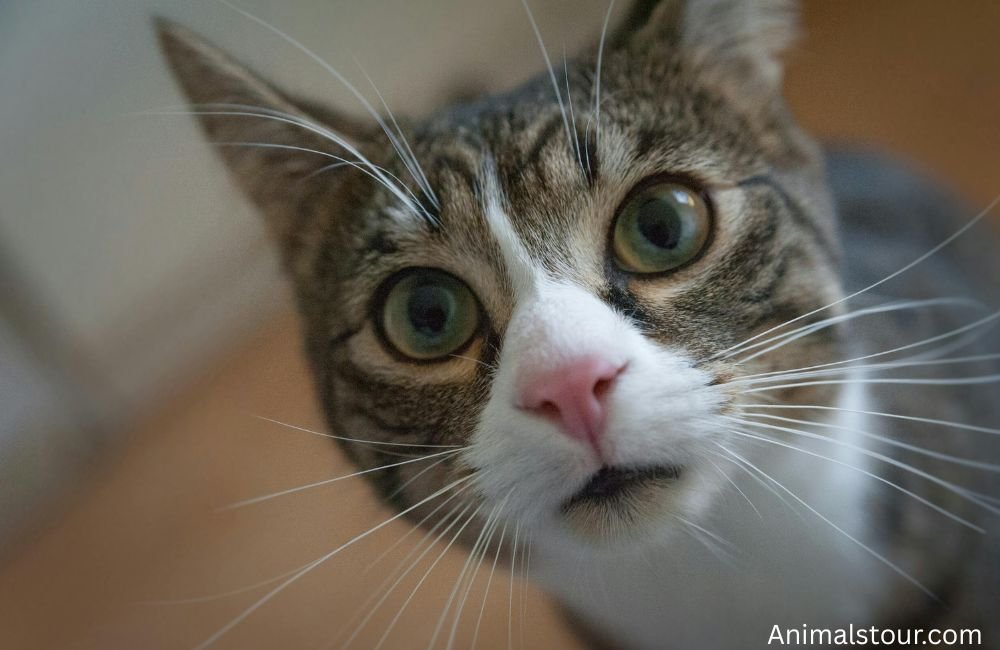
Cats are wonderful animals with many special features, like their whiskers, that help them live their lives. Their long, stiff whiskers are very important tools; they help cats feel their way around, especially in the dark, telling them how wide a space is or if something is nearby.
Cats are natural hunters who enjoy playing and exploring, usually eating special cat food, but also hunting small prey like mice if they live outside. Many cats live comfortably in our homes as beloved pets, while others live outdoors, finding shelter in various places like barns or bushes. No matter where they live, cats rely on their sharp senses and clever abilities to thrive.
European rabbit
Scientific name: Oryctolagus cuniculus
Class: Mammalia
Diet: Herbivore
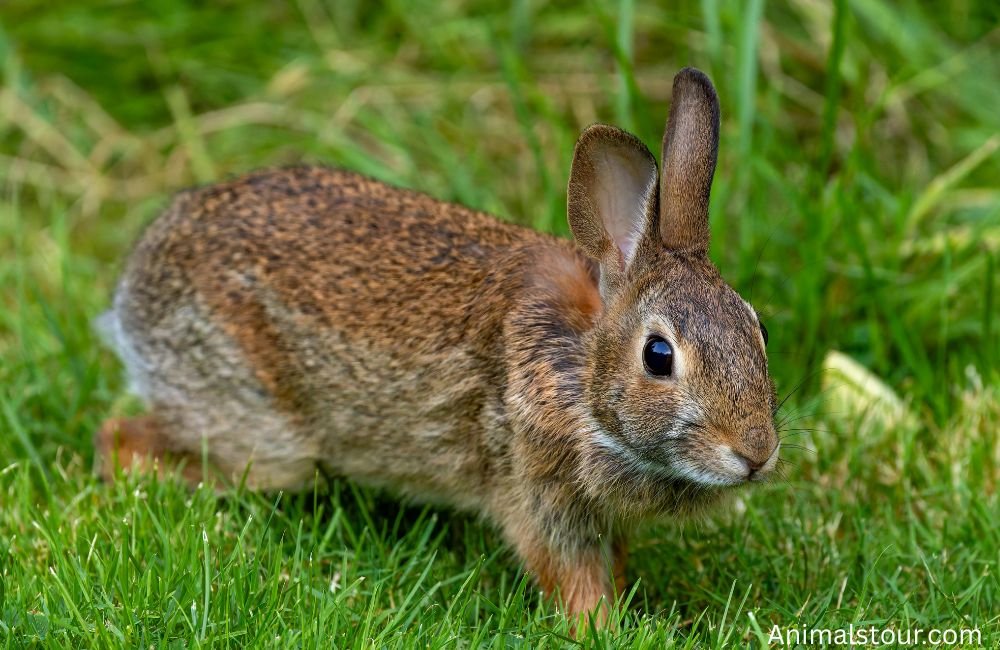
The European rabbit is a very common animal found in many places, known for its busy life spent often in underground homes. These rabbits live in large groups of tunnels called warrens, which they dig in fields, forests, and even gardens. They are social creatures, meaning they live together, and are most active during the early morning and late evening hours when they feed.
Their diet mainly consists of plants like grass, clover, and other green leaves they find on the ground. A key part of their body is their long, sensitive whiskers, which help them feel their way through dark tunnels and find food even when it’s hard to see. These whiskers are vital for sensing their surroundings and avoiding danger, playing a crucial role in how the rabbit lives and survives both below and above ground.
Dog
Scientific name: Canis lupus familiaris
Class: Mammalia
Diet: Omnivore
Dogs are common pets with special features like whiskers that help them live their lives. Their whiskers are like feelers on their face, helping them know what is around them, especially in the dark or tight spaces. Dogs spend their days playing, sleeping, and exploring with their amazing sense of smell.
They eat special dog food, but also enjoy treats like meat or vegetables. These keen senses, along with their sharp hearing, play a big role in how they find food and stay safe. Most dogs live with people in homes, where they are cared for and loved, but some dogs live outside too. From their clever whiskers to their loving nature, dogs are truly special companions in our homes.

Otter
Scientific name: Lutra lutra
Class: Mammalia
Diet: Carnivore
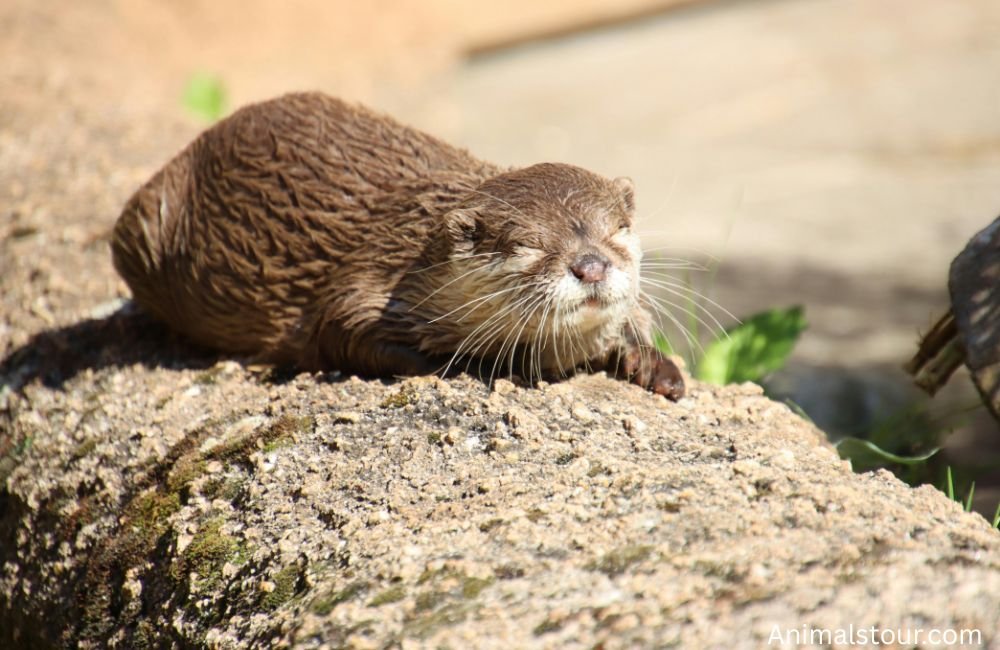
Otters are clever and playful animals perfectly suited for their lives in and around water. They make their homes, called holts, along rivers, lakes, and ocean coasts, often digging dens in riverbanks or under tree roots. A key part of their living involves their long, sensitive whiskers, which help them feel for fish, crabs, and frogs even in murky water or at night.
These skilled hunters mainly eat fish, but their diet also includes shellfish, amphibians, and sometimes small birds, using their strong jaws and paws to catch their prey. Their role as top predators helps keep their watery ecosystems healthy. Overall, otters are amazing creatures, using their sharp senses and smart hunting skills to thrive in their aquatic environments.
Etruscan shrew
Scientific name: Suncus etruscus
Class: Mammalia
Diet: Insectivore
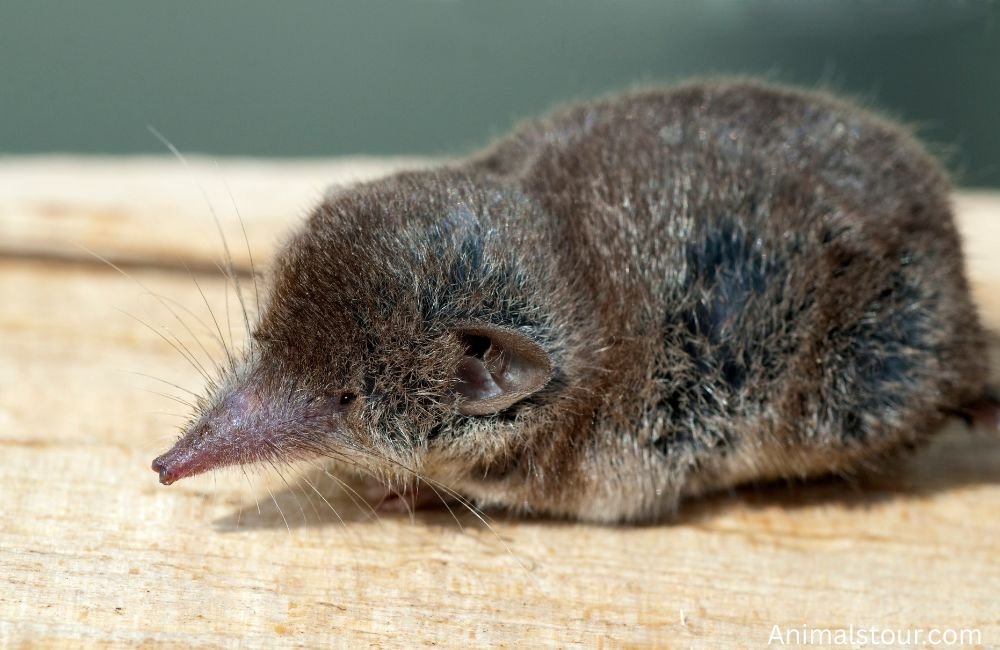
The Etruscan shrew is an amazing tiny animal, known as the smallest mammal on Earth. This little creature relies heavily on its long, sensitive whiskers to feel its way around and find food in its dark, hidden world. It lives a very busy life, constantly moving and needing to eat a lot because its body burns energy so quickly.
Its diet mainly consists of small insects, spiders, and worms, which it hunts tirelessly. By eating many of these small creatures, the Etruscan shrew helps keep insect populations in check, playing an important role in its environment. These speedy shrews live in warm, damp places like southern Europe, parts of Africa, and Asia, often hiding near bushes or rocks. Truly, the Etruscan shrew is a tiny powerhouse that is a vital part of its natural home.
Seal
Scientific name: Phoca vitulina
Class: Mammalia
Diet: Carnivore
Seals are amazing sea animals that spend most of their lives in the water, perfectly built for their ocean home. They have special, stiff whiskers on their face that are very important because these whiskers help them find food, even in dark or cloudy water, by feeling tiny movements made by fish. Seals live in cool to cold ocean waters across the globe, often near coasts or on ice.
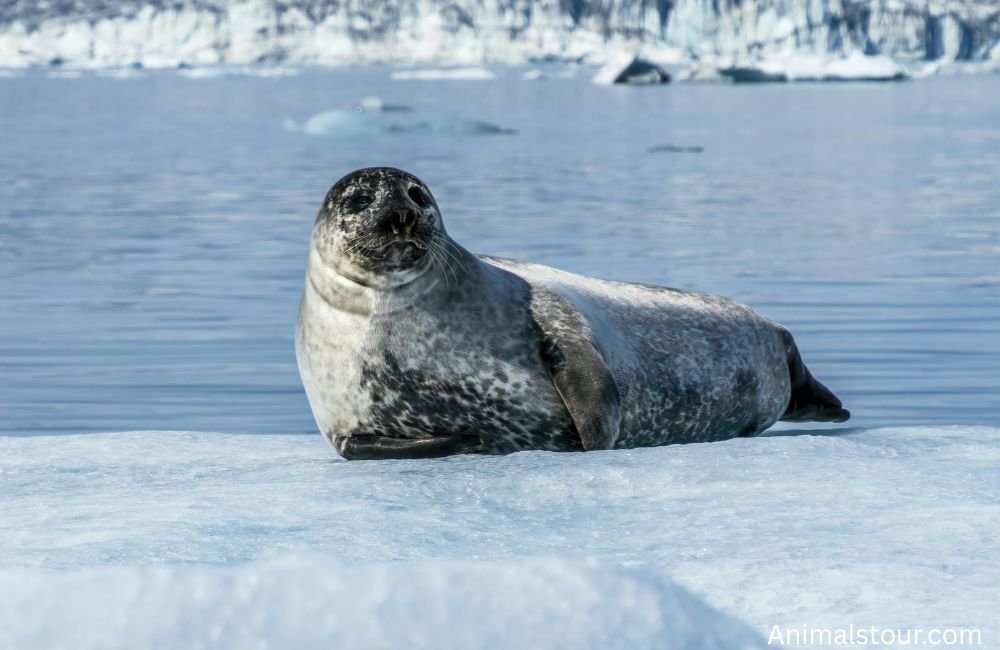
They mostly eat fish, but some also catch squid or crabs. Their strong bodies and excellent swimming skills, combined with their super sensitive whiskers, make them great hunters in the sea, playing a key role in their own survival. So, everything about a seal, especially its clever whiskers, helps it survive and do well in its watery world.
Beaver
Scientific name: Castor fiber
Class: Mammalia
Diet: Herbivore
Beavers are amazing animals that have a very special way of life. Their long whiskers help them feel around in the dark water, guiding them as they look for food or build their homes. These furry creatures live near rivers and lakes in places like North America and Europe, where they build their homes, called lodges, from sticks and mud right in the water, and also create dams across streams.
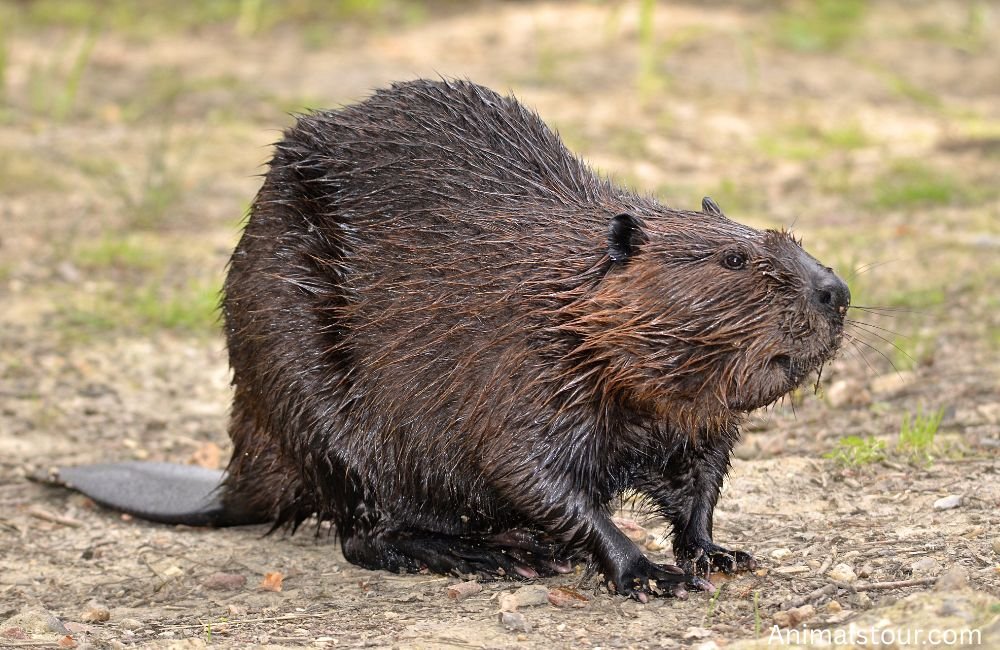
Beavers only eat plants, enjoying the bark of trees like aspen and willow, along with water plants and roots. By building these dams, beavers create new ponds and wetlands that become homes for many other animals and plants, showing how much they change their environment. All these special skills make beavers very important for the natural places where they live.
Rat
Scientific name: Rattus rattus
Class: Mammalia
Diet: Omnivore
A rat is a common animal often found living close to people. It has special long, stiff hairs on its face called whiskers, which are very important for its living. These whiskers help the rat feel its way around, especially in the dark, acting like tiny fingers to understand its surroundings. Rats are mostly active at night, good at hiding and finding what they need to survive.
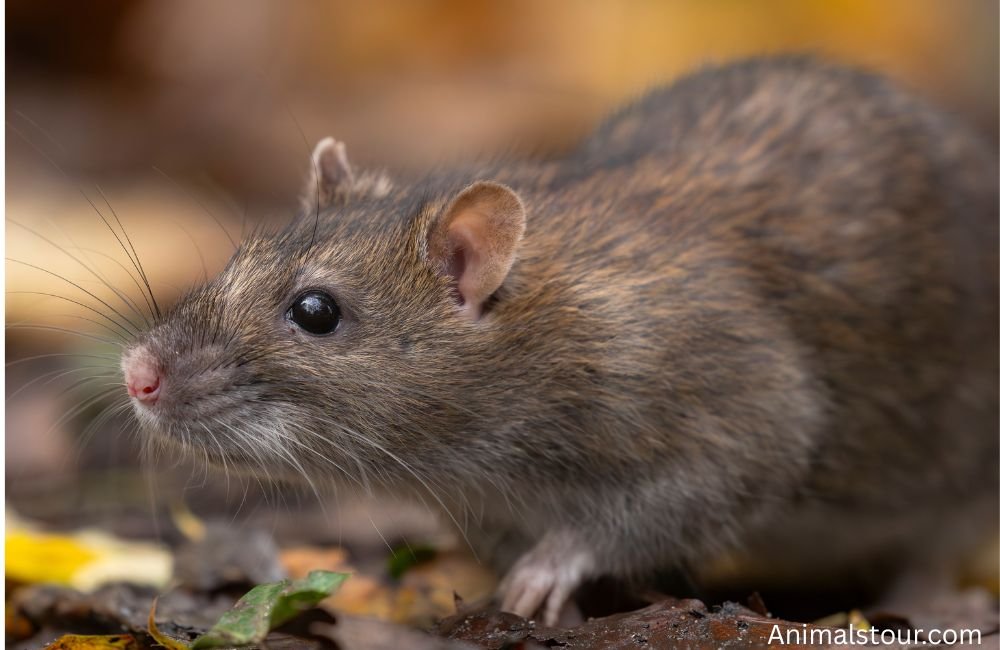
They are not picky eaters, enjoying many things like grains, fruits, vegetables, and even scraps from our trash. Its whiskers and a strong sense of smell play a key role in its daily life, helping it explore and find food and safety. You can find rats living in many hidden spots like inside walls, under floors, in sewers, or in burrows they dig in the ground, always looking for a safe place with food nearby.
Manatees
Scientific name: Trichechus manatus
Class: Mammalia
Diet: Herbivore
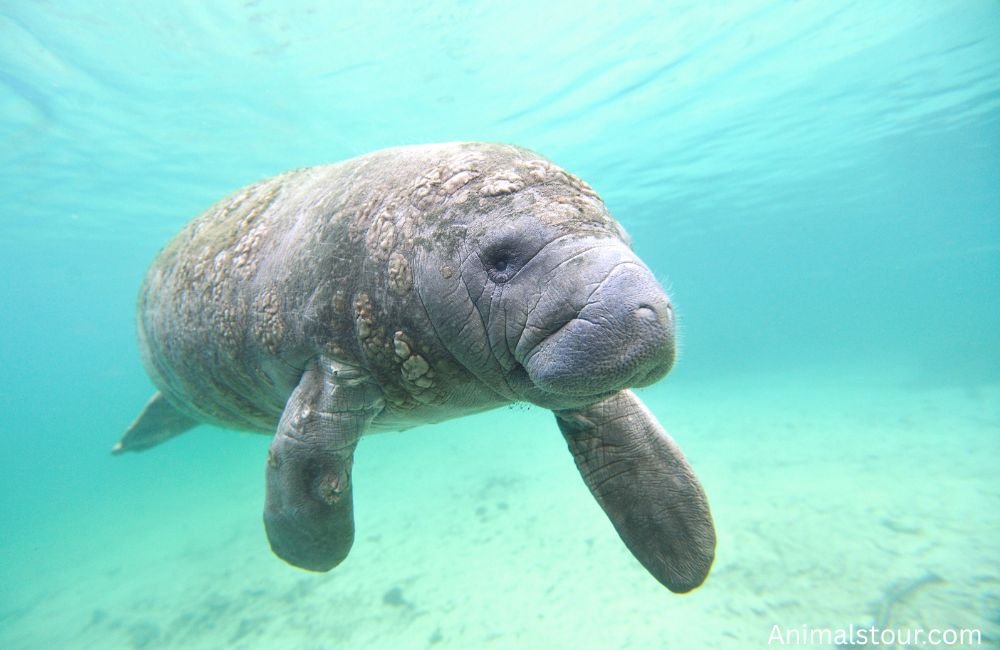
Manatees are large, gentle sea animals that live in warm waters. They have stiff whiskers around their mouths, which they use to feel for plants and find their food in murky water. These calm creatures spend most of their days slowly swimming and grazing on a diet mainly of sea grass and other water plants.
By eating these plants, manatees help keep the underwater environment tidy and healthy for other sea life. You can often find these peaceful mammals in shallow coastal areas, rivers, and springs, especially in places like Florida and the Caribbean Sea. These important animals play a key role in maintaining the balance of their watery homes.
Horse
Scientific name: Equus ferus caballus
Class: Mammalia
Diet: Herbivore
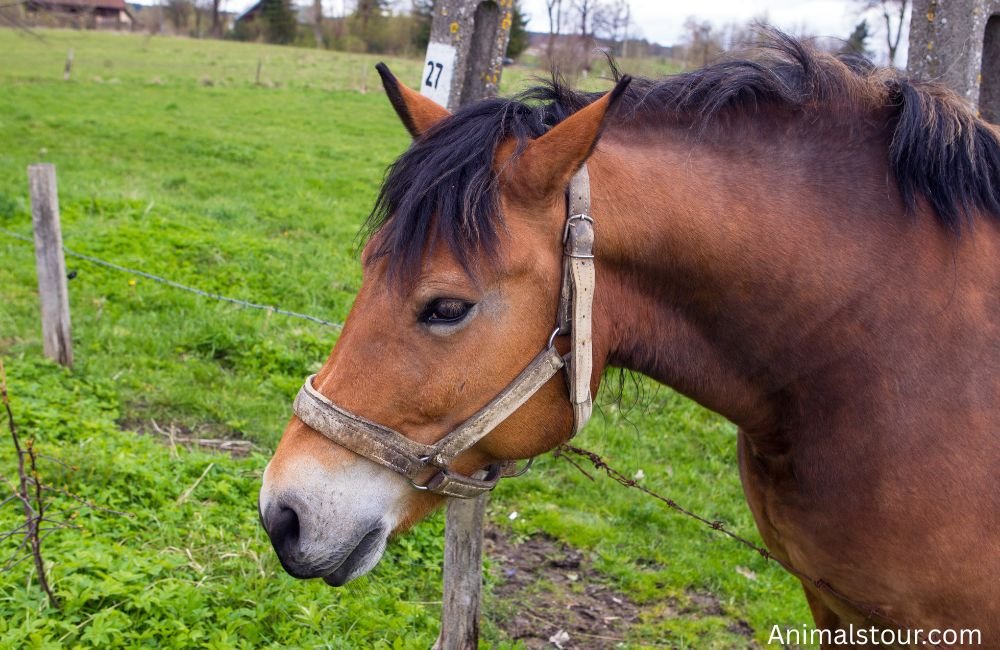
The horse is a big, strong animal that lives in many parts of the world. It has special whiskers around its nose and mouth that help it feel its way around, especially when reaching for food or moving in dim light.
Horses live together in groups called herds, where they graze on grass and other plants for most of the day. This constant eating helps to keep the grasslands tidy, and their movement across wide, open fields is a natural part of these environments where they make their home. From their helpful whiskers to their social life and grazing habits, horses play an important role in the places they live.
Raccoon
Scientific name: Procyon lotor
Class: Mammalia
Diet: Omnivore
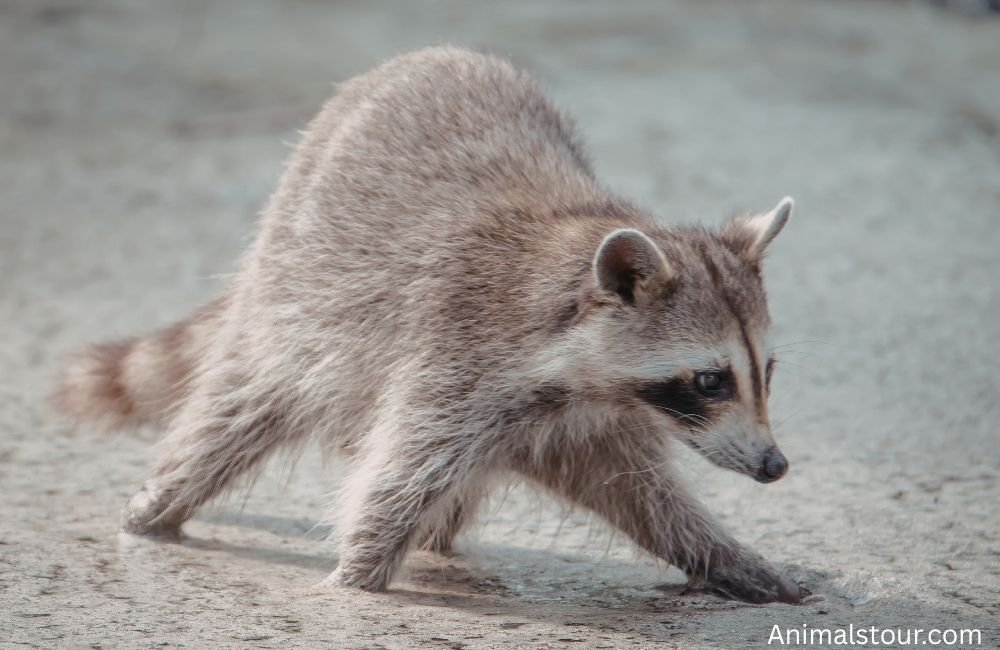
Raccoons are clever animals known for the black mask around their eyes. Their long whiskers are very helpful, letting them feel their way and find food, especially when it’s dark. These animals are mostly active at night, sleeping during the day in cozy spots like hollow trees or under people’s decks.
Raccoons eat many different things, such as fruits, nuts, insects, small animals, and even food scraps they find. By eating various items and cleaning up what others leave behind, they play an important role in their habitats, helping nature stay tidy. You can find raccoons living in many places, from quiet forests to busy towns, mainly across North and Central America. Their ability to live almost anywhere and their smart ways make raccoons truly special creatures.
Sea Lion
Scientific name: Zalophus californianus
Class: Mammalia
Diet: Carnivore
Sea lions are fascinating marine animals that make their homes in the ocean. They have long, sensitive whiskers that help them feel their way around in the water, especially when it’s dark or murky, allowing them to find their food. These playful creatures live together in large groups along coastlines, often found in places like the Pacific Ocean, where they spend their time swimming, diving, and resting on land.
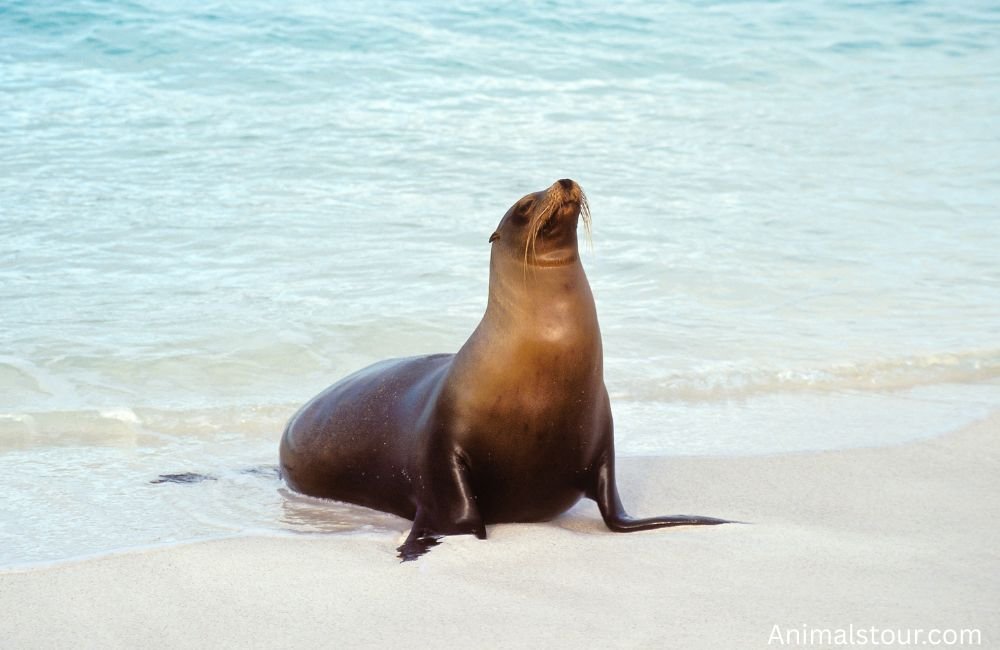
Their main diet consists of fish and squid, making them important hunters in their ocean environment and helping to keep the balance of marine life. Overall, sea lions are active and smart sea dwellers, using their unique features to thrive in their aquatic world.
Mountain lion
Scientific name: Puma concolor
Class: Mammalia
Diet: Carnivore
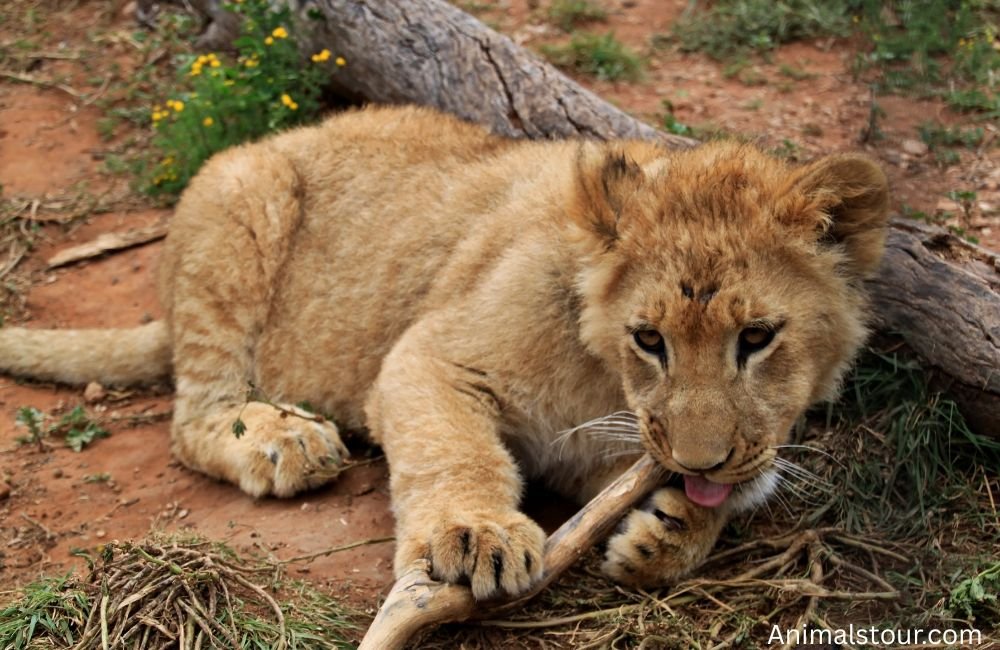
The mountain lion is a strong wild cat with a special way of life in the wild. Its long whiskers are very important, helping it feel things in the dark and find its way around, almost like extra fingers for its face. This big cat usually lives alone and hunts mostly at night, making it a very quiet and careful animal.
It eats other animals like deer and rabbits, which it catches to get its food. By hunting these animals, the mountain lion helps keep the natural world healthy, making sure there aren’t too many of one type of animal. These clever cats live in many different places, from high mountains to thick forests and even dry deserts across North and South America. All these things show how the mountain lion is a key part of the wild places where it lives.
Walrus
Scientific name: Odobenus rosmarus
Class: Mammalia
Diet: Carnivore
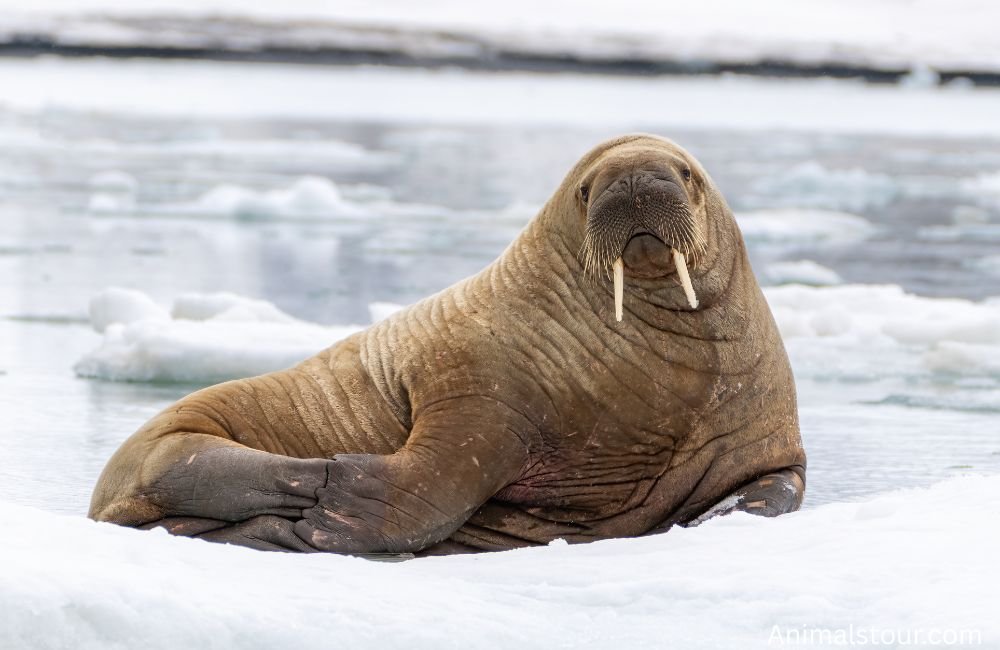
The walrus is a large, interesting animal that lives in the very cold, icy waters of the Arctic. It has many thick, sensitive whiskers on its snout, which are very important for how it finds its food. These special whiskers act like tiny fingers, helping the walrus feel around on the dark ocean floor to find its main meals, which are mostly clams and other shellfish. Walruses spend their lives moving between swimming and diving in the water, and resting on big pieces of ice or rocky land. These amazing creatures truly depend on their unique whiskers to help them live and eat in their harsh, frozen home.
Final Words
In conclusion, it’s clear that whiskers are incredibly important tools for many animals. These special hairs help creatures like cats, seals, and otters feel their way around, especially in the dark or in tight spaces where they can’t see well. They use their whiskers to sense what’s nearby, find food, avoid bumps, and understand their surroundings, making them vital for hunting, navigating, and staying safe. Ultimately, whiskers are a truly amazing feature that helps these animals live and thrive in their environments every day.
FAQs
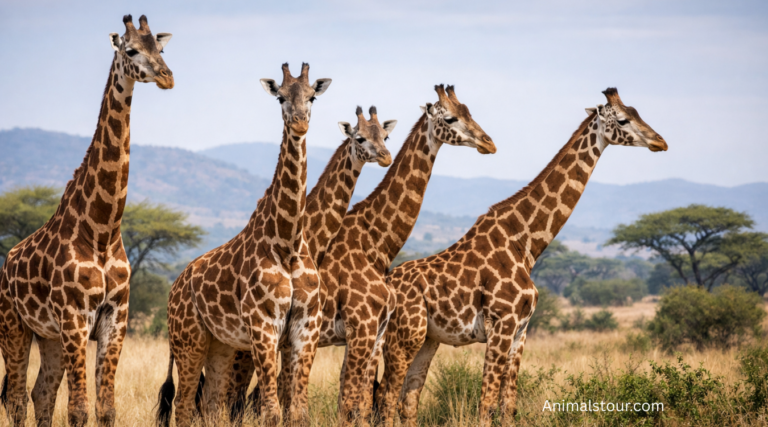
Do giraffes have whiskers?
Yes, giraffes do have whiskers, although they’re not as prominent as those found on some other animals. These whiskers, also known as vibrissae, are sensory hairs located around their mouths and eyes. They help giraffes navigate their environment and detect nearby objects, which is crucial given their height. While giraffes primarily rely on their eyesight and long necks to spot food and avoid predators, these whiskers serve as an additional sensory tool, enhancing their awareness in their surroundings.
Which animal has the most whiskers?
The walrus is known for having an impressive array of whiskers, to help it navigate its environment. An adult walrus can have up to 600 whiskers on its upper lip. These sensitive appendages are crucial for foraging on the ocean floor, allowing walruses to detect prey in murky waters.
Do cows have whiskers?
Yes, cows do have whiskers! These whiskers are located around their muzzle and jaw areas. They serve a variety of functions, notably enhancing their sensory perception. Cows, like many animals, rely on these sensitive hairs to navigate their environment, especially in low-light conditions or in tight spaces where their vision may be limited. Whiskers help cows detect nearby objects and changes in their surroundings, aiding in foraging and social interactions with other animals.
Do camels have whiskers?
Yes, camels do have whiskers. These whiskers, or vibrissae, are long and sensory in nature, helping camels navigate their environment. They can detect changes in their surroundings, which is particularly useful in the desert where visibility can be limited.
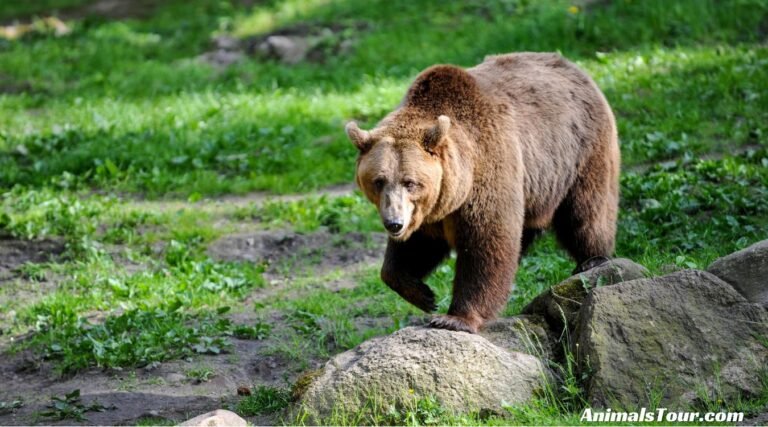
Do bears have whiskers?
Yes, bears do have whiskers! Like many other mammals, bear whiskers, or vibrissae, serve important sensory functions. These long, stiff hairs are highly sensitive and help bears navigate their environment, especially in low-light conditions or dense forest areas. Whiskers allow them to detect nearby objects, changes in air currents, and even potential prey, providing crucial information about their surroundings.