Top 10 Birds That Can’t Fly: Survival and Conservation
When we think of avian life, we usually picture wings cutting through the clouds. Yet, when it comes to an amazing group of species, birds can’t fly at all. Stripped of the ability to take to the skies, these unique animals have instead developed extraordinary survival tactics to dominate land and sea. However, trading flight for a ground-dwelling existence also makes them highly vulnerable to predators and habitat loss, pushing many to the brink of extinction and into the center of urgent conservation efforts. Dive into our top 10 list of these incredible species, where the story of how they adapt and cling to survival in a changing world is a journey you won’t want to miss.
List of Birds That Can’t fly
Below is the list of Flightless Birds:
1. The ostrich: the fast runner
2. The emu: Australia’s iconic bird
3. The kiwi: New Zealand’s quirky bird
4. The Campbell teal: a unique duck
5. The Galapagos cormorant: an adaptive swimmer
6. The weka rail: a resilient walker
7. The penguin: master of the sea
8. The Tasmanian gallinule: the solitary endemic
9. The kakapo: nocturnal and peaceful parrot
10. The cassowary: an imposing and dangerous bird
1. The ostrich: the fast runner
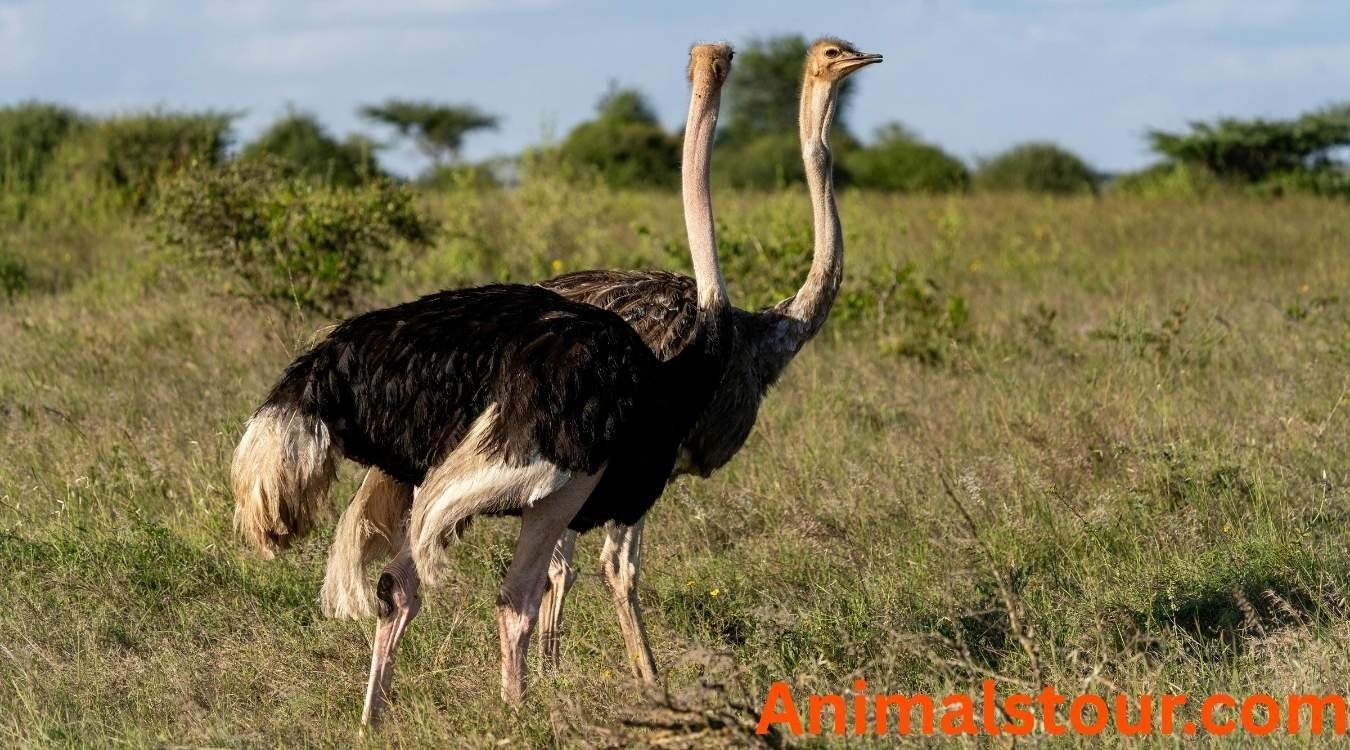
The ostrich is an amazing example of a bird that cannot fly, instead relying on its incredible speed to survive. Weighing up to 300 pounds and standing nearly 9 feet tall, this massive bird can sprint at speeds reaching 45 miles per hour, making it the fastest two-legged animal on land. Its long, powerful legs, equipped with just two toes, are perfectly adapted for rapid escape from predators across open savannas, acting like springs to propel it forward.
While it possesses wings, these are small and primarily used for balance during its high-speed runs, rather than for flight, a stark contrast to flying birds which have a prominent keel bone to anchor strong flight muscles, like many animals that cannot fly, the ostrich lacks this developed feature. Among what birds can’t fly, the ostrich is a prime example, demonstrating how a bird can thrive without flight, and as such, it contributes to its ecosystem by grazing on vegetation and sometimes dispersing seeds. This unique combination of size, speed, and flightlessness makes the ostrich a truly distinctive and ecologically significant creature.
2. The emu: Australia’s iconic bird
The emu, a remarkable native Australian creature, is a prime example of birds that cannot fly. These impressive birds that can’t fly are the second-largest living birds by height, often standing up to 1.9 meters tall and weighing between 30 to 55 kilograms. Their inability to take to the air is due to their unique anatomy, specifically the absence of a prominent keelbone on their sternum, which in flying birds serves to anchor strong flight muscles.
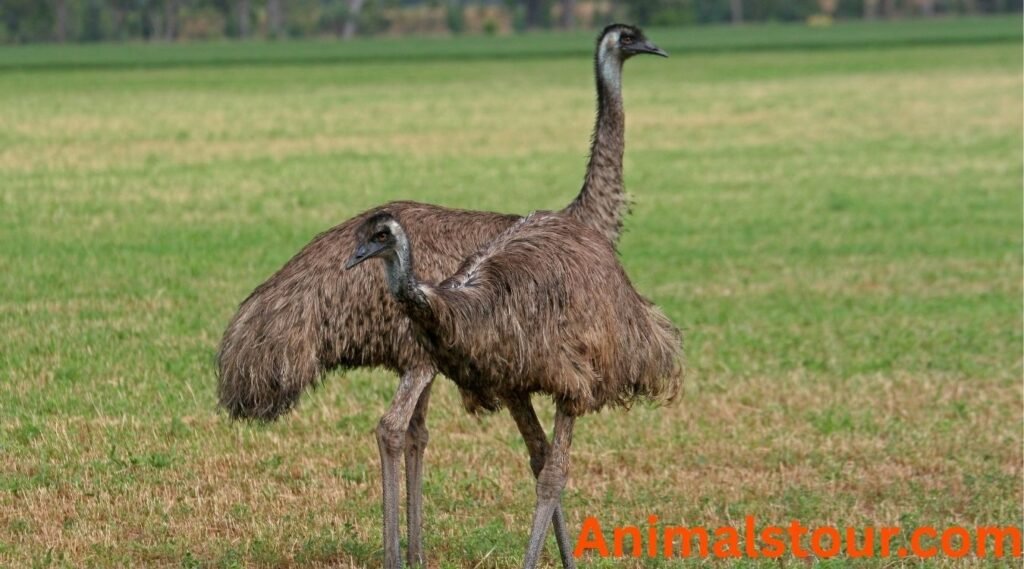
Unfortunately, emu populations have faced a decrease, primarily due to habitat loss and human activities. Despite being what bird can’t fly, emus play a crucial role in the Australian ecosystem, acting as seed dispersers and helping to control insect populations, thereby contributing significantly to the health and balance of their environment. Their distinctive features and vital ecological contributions underscore the unique adaptations of these magnificent flightless birds.
3. The kiwi: New Zealand’s quirky bird
The kiwi is a remarkable bird, famously known as one of the world’s few flightless species. These unique birds are about the size of a domestic chicken, weighing between 1 to 3 kilograms, and are instantly recognizable by their inability to take to the air. Their anatomy reflects their terrestrial lifestyle, as they lack a prominent keelbone, the bone that anchors powerful flight muscles in flying birds, and possess only tiny, non-functional wing stubs hidden beneath their shaggy feathers.
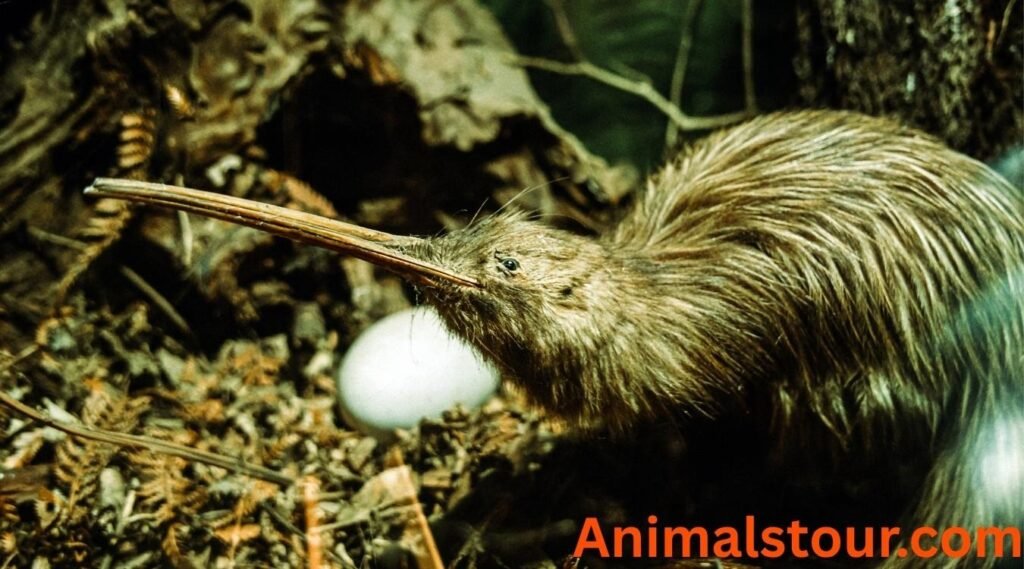
A defining feature is their exceptionally long, sensitive beak, which can be up to a third of their body length and is crucial for probing the ground at night to find food like worms and insects. Kiwis are incredibly important to New Zealand’s ecosystem, acting as nocturnal foragers and seed dispersers, but they are critically threatened by habitat destruction and introduced predators. Their unique characteristics highlight why they are often discussed when considering the top 10 flightless birds, prompting many to ask what bird can’t fly and emphasizing the vulnerability of birds that can’t fly.
4. The Campbell teal: a unique duck
The Campbell teal stands out as a remarkable example of a bird that cannot fly, challenging the common assumption that all birds possess the ability to take to the air. This small, secretive duck, native to New Zealand’s remote Campbell Island, typically measures around 48 cm in length and weighs between 350 to 500 grams. Its flightlessness evolved due to the absence of land predators on its isolated island habitat over millions of years, making the energy-intensive process of flying unnecessary and leading to reduced wings and heavier bones, clearly answering the question of which bird cannot fly.
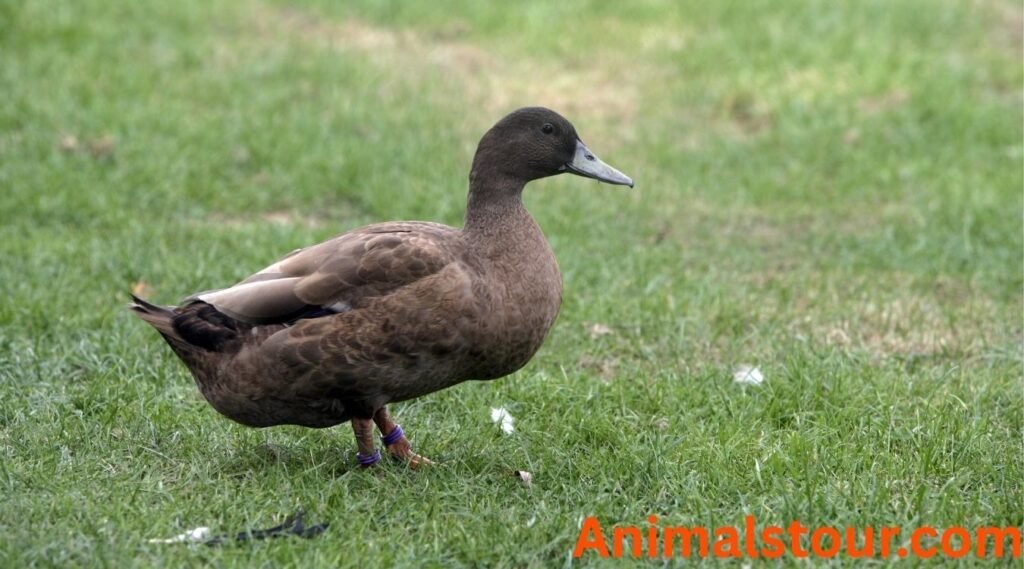
However, this unique adaptation also made it incredibly vulnerable, the introduction of invasive predators like rats pushed the Campbell teal to the very brink of extinction, highlighting a critical reason behind its near disappearance. Despite this, its rediscovery and subsequent intensive conservation efforts underscore its immense importance as a unique species and its role in the island’s delicate ecosystem, demonstrating that not all birds fly. Ultimately, the Campbell teal serves as a powerful symbol of evolutionary adaptation and the urgent need for conservation to protect such extraordinary examples of avian diversity.
5. The Galapagos cormorant: an adaptive swimmer
The Galapagos cormorant is a truly unique avian species, remarkable for being the only cormorant that cannot fly. Its small, underdeveloped wings are a direct consequence of specific genetic mutations that occurred over many generations, rendering them incapable of supporting flight. Instead of lifting the bird into the air, these specialized wings have evolved to become powerful, paddle-like appendages, expertly propelling the cormorant through the water with incredible agility as it hunts for fish and eels.
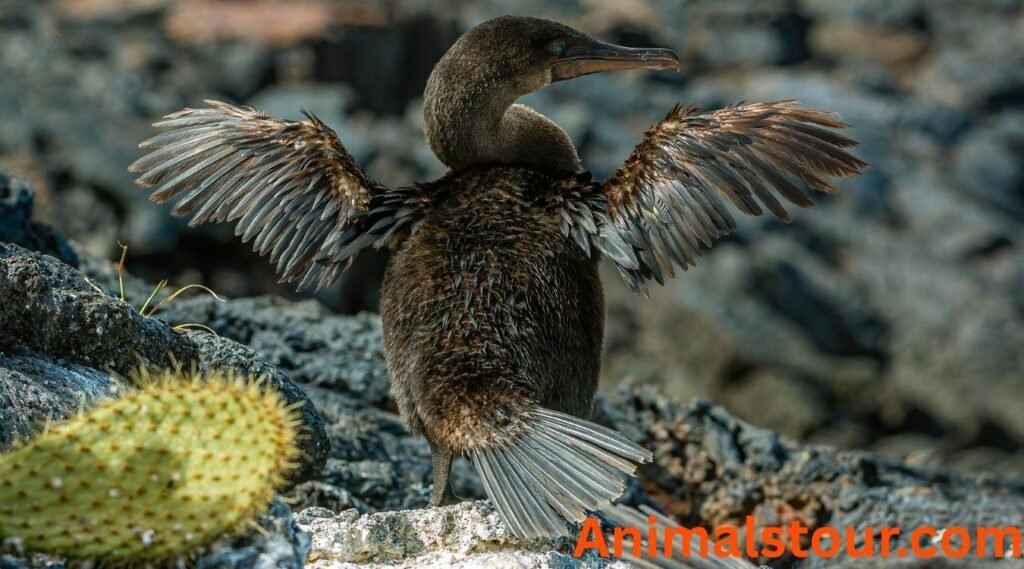
When discussing birds that can’t fly, the Galapagos cormorant stands out, demonstrating how evolutionary pressures can lead to the loss of flight in an environment where aerial escape from predators is unnecessary and food is abundant in the ocean. This amazing creature perfectly explains what birds cant fly and adapt successfully to their niche, playing a vital role as a top marine predator in the Galapagos ecosystem. Ultimately, this what bird can’t fly thrives by mastering its aquatic domain, showcasing a powerful example of evolutionary adaptation.
6. The weka rail: a resilient walker
The Weka is an amazing example of a bird that has evolved without the ability to fly. These large, sturdy rails typically stand about 50-60 centimeters (20-24 inches) tall and can weigh between 0.5 to 1.5 kilograms (1-3 pounds), with males generally being larger. They are endemic to New Zealand, found across a variety of habitats from forests and subalpine grasslands to coastal areas. Unfortunately, Weka populations are vulnerable, facing threats from human activities, such as habitat loss and road casualties, as well as predation by introduced species like stoats and ferrets.
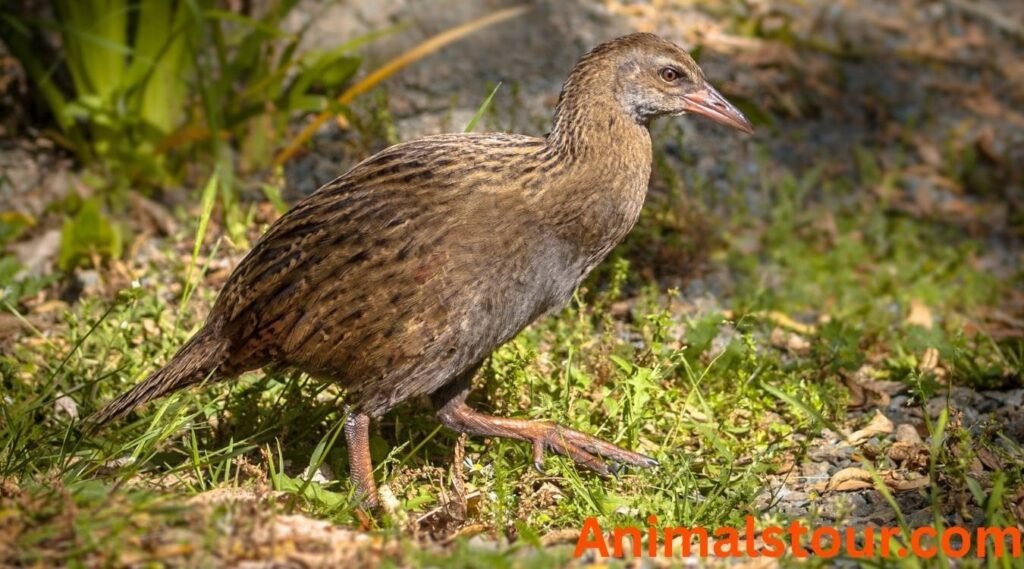
Despite their inability to fly, Weka are remarkably agile and can run at surprising speeds, navigating dense undergrowth with ease. Their adaptability and resourcefulness, including their omnivorous diet and curious nature, demonstrate a strong resilience in the face of environmental challenges. The Weka stands out among birds who can’t fly, offering a compelling subject for those interested in birds cannot fly images and often featuring in discussions of the top 10 flightless birds.
7. The penguin: master of the sea
Penguins are fascinating birds that stand out because, unlike most avian species, they cannot fly, a unique adaptation that defines their existence. This remarkable trait evolved as they specialized for an aquatic lifestyle, making them incredibly efficient swimmers rather than flyers. There are currently 18 recognized species of penguins, each uniquely adapted to marine environments.
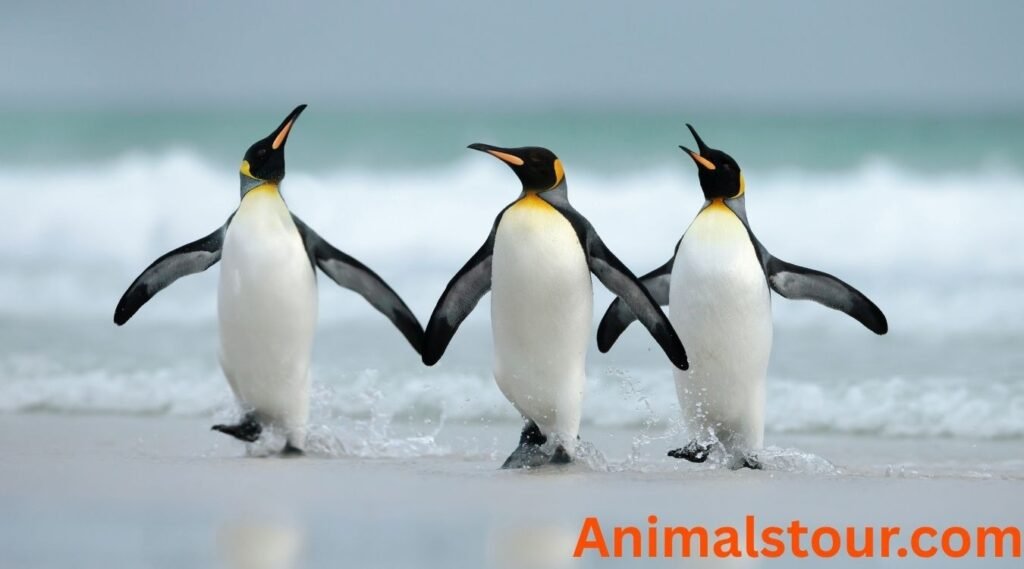
Their powerful, paddle-like wings, often referred to as flippers, are perfectly designed for propelling them through water at impressive speeds, some reaching up to 22 miles per hour. Furthermore, their dense, two-layer plumage provides exceptional insulation and waterproofing, protecting them from the frigid waters of their habitats. Therefore, while many wonder which bird cannot fly, penguins serve as prime examples on any flightless birds list, highlighting how birds that cannot fly have perfected survival in an entirely different domain.
8. The Tasmanian gallinule: the solitary endemic
The Tasmanian gallinule (Tribonyx mortierii) was a remarkable flightless bird, a prime example of birds who can’t fly, once unique to Tasmania. These robust birds were quite substantial, typically weighing around 1.5 to 2.5 kilograms and standing about 45-50 centimeters tall. Their strong, clawed legs were crucial for their terrestrial lifestyle, enabling them to run swiftly, forage effectively through dense vegetation, and defend themselves.
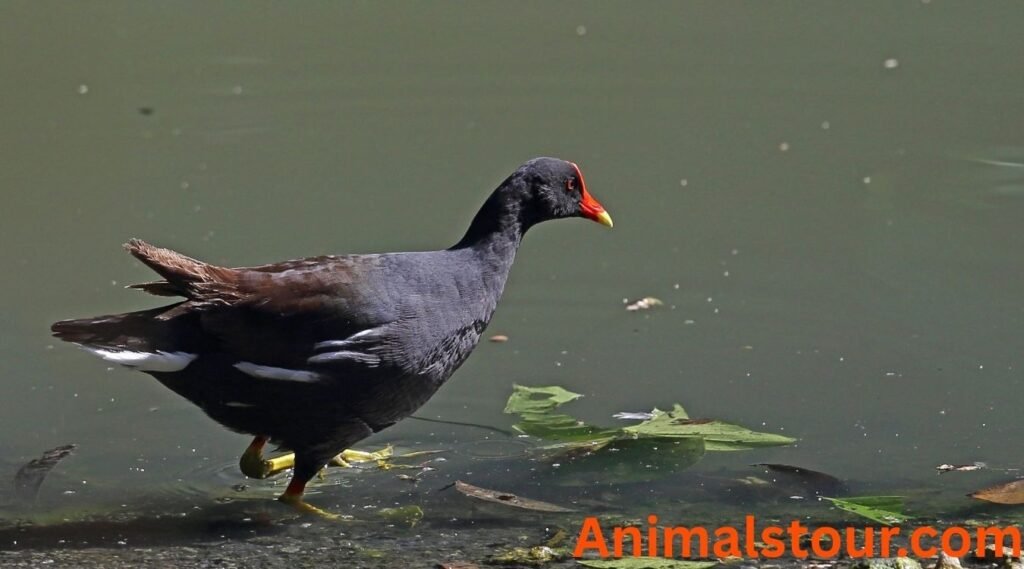
Unfortunately, like many species on a flightless birds chart, the Tasmanian gallinule faced severe extinction threats, primarily from habitat loss and predation by introduced species. In their ecosystem, they played a role as herbivores, grazing on grasses and seeds, which influenced plant communities and contributed to nutrient cycling, showcasing the importance of which bird cannot fly in its environment. Their specialized adaptations and ecological contributions were ultimately not enough to overcome the challenges they faced, underscoring the vulnerability of such unique, flightless species.
9. The kakapo: nocturnal and peaceful parrot
The kakapo is a truly unique parrot from New Zealand, most notably recognized as the world’s only flightless parrot. This remarkable bird has a distinctive physical appearance, featuring mossy-green and brown feathers that provide excellent camouflage in its forest environment, an owl-like face with prominent whiskers, and strong legs adapted for walking and climbing rather than flying. It is the heaviest parrot on Earth, with adults weighing up to 4 kilograms and reaching over 60 centimeters in length, making it a substantial bird. Kakapo also boast an incredibly long lifespan, with some individuals known to live for over 90 years.
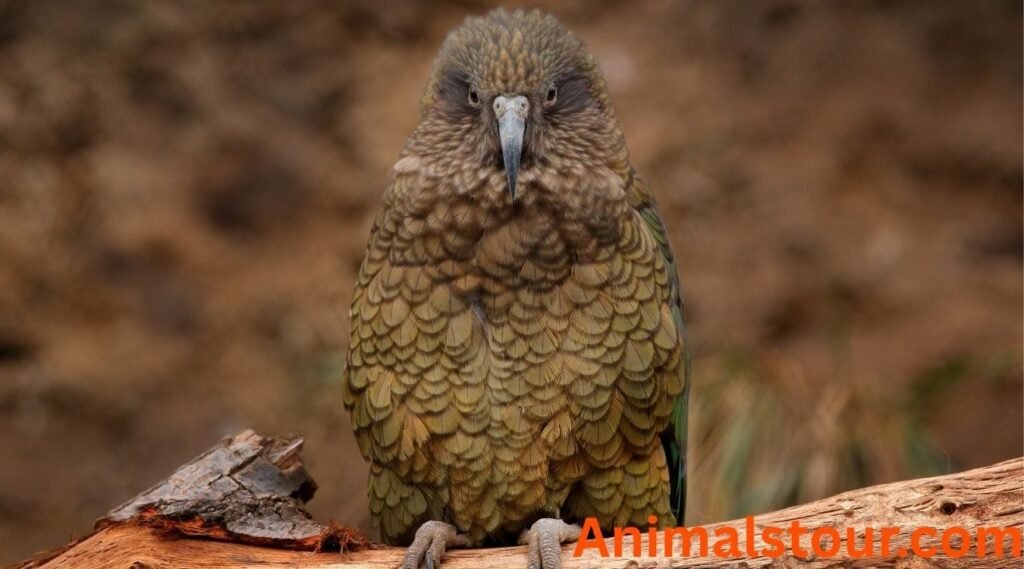
Unfortunately, they are critically endangered, largely due to introduced predators, and now survive only on carefully managed, predator-free islands where intensive conservation efforts are ongoing. In their native ecosystem, these nocturnal herbivores play a role in dispersing seeds and influencing the health of the forest undergrowth. The kakapo’s fascinating blend of unique traits and critical conservation status makes it a vital part of New Zealand’s natural heritage.
10. The cassowary: an imposing and dangerous bird
Cassowaries are large, striking birds renowned for being among the world’s most impressive birds that cannot fly. They are among the heaviest and largest birds, typically standing over five feet tall and weighing up to 130 pounds, primarily found in the tropical rainforests of New Guinea and northeastern Australia. Unlike most birds, cassowaries possess incredibly powerful legs and feet, each equipped with a dagger-like, five-inch claw on the inner toe, which they use in their attacking techniques by delivering devastating kicks when threatened.
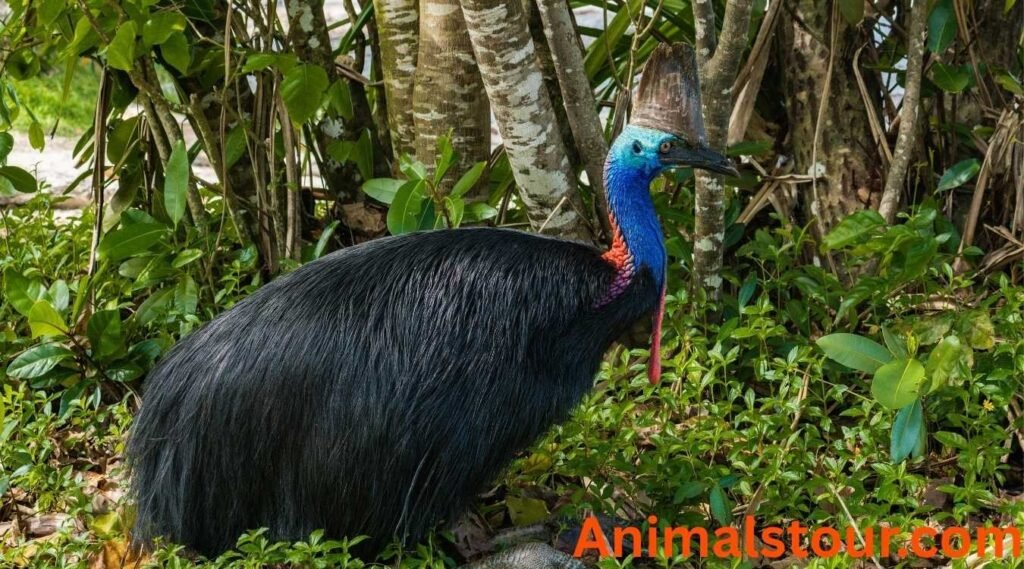
While many birds soar through the skies, not all birds can fly, cassowaries are a prime example of what birds can’t fly, joining other flightless species like ostriches, emus, and kiwis. Despite their formidable defense, cassowaries play a crucial role as key seed dispersers in their forest habitats, helping to maintain biodiversity. Their imposing size, powerful defense mechanisms, and vital ecological role make them truly exceptional members of the avian world, despite their inability to take flight.
Evolution and adaptations
Millions of years ago, evolution changed how some birds lived. When birds can’t fly today, it is usually because their ancestors lived on safe islands with no predators, so they simply stopped using their wings. To survive without taking to the skies, birds who can’t fly developed special adaptations. They traded light bones for heavy ones, and grew strong legs for running or flipper-like wings for swimming. If you look at the top 10 flightless birds, you will see these amazing body changes that help them thrive on land and in water.
A fragile biodiversity
The biodiversity of flightless birds is very fragile. Because birds can’t fly, they cannot easily escape from new dangers like wild cats, rats, or habitat loss. When humans brought these predators to their safe island homes, birds who can’t fly suffered greatly, and many species were wiped out forever. If we look at the top 10 flightless birds living today, we see rare animals that need strict protection. Without help, their fragile future could disappear completely.
Final Words
In the end, the story of birds who can’t fly is an amazing mix of amazing evolution and deep vulnerability. While the top 10 flightless birds show us incredible adaptations like powerful running legs and swimming flippers, they also remind us how fragile nature can be. Because birds can’t fly away from modern dangers like habitat loss and introduced predators, they rely on our help. By supporting conservation efforts, we can ensure these unique, ground-dwelling wonders continue to thrive for generations to come.
FAQS:
What kind of bird can’t fly?
Flightless birds like ostriches, penguins, emus, kiwis, and cassowaries are the kinds of birds that cannot fly.
What are the three birds that can’t fly?
Ostriches, penguins, and kiwis are three well-known birds that cannot fly.
What are the top 10 flightless birds?
Here are the top 10 flightless birds:
Ostrich
Emperor Penguin
Emu
Kiwi
Southern Cassowary
Greater Rhea
Kakapo
Flightless Cormorant
Takahe
Weka