Top 15 Cowardly Animals in the World (With Images)
Discover the fascinating array of cowardly animals in our definitive list of the Top 15 Cowardly Animals in The World, exploring the most timid and skittish species across various habitats. These creatures, often driven by intense survival instincts, prioritize evasion over confrontation, showcasing remarkable adaptations for avoiding perceived threats, from elusive forest dwellers to surprisingly timid predators. Join us to uncover which shy animals made our exclusive ranking, revealing the surprising truth behind why these timid creatures often choose flight over fight.
List of Cowardly Animals in The World
Here is the list of most cowardly animals:
- Goats
- Deer
- Quokkas
- Rabbit
- Pygmy Grasshoppers
- Mouse
- Gazelle
- Hyenas
- Sheep
- Sloth
- Frog
- Opossums
- Chicken
- Eastern Hognose Snakes
- Quail
Goats
Scientific Name: Capra aegagrus hircus
Class: Mammalia
Diet: Herbivore
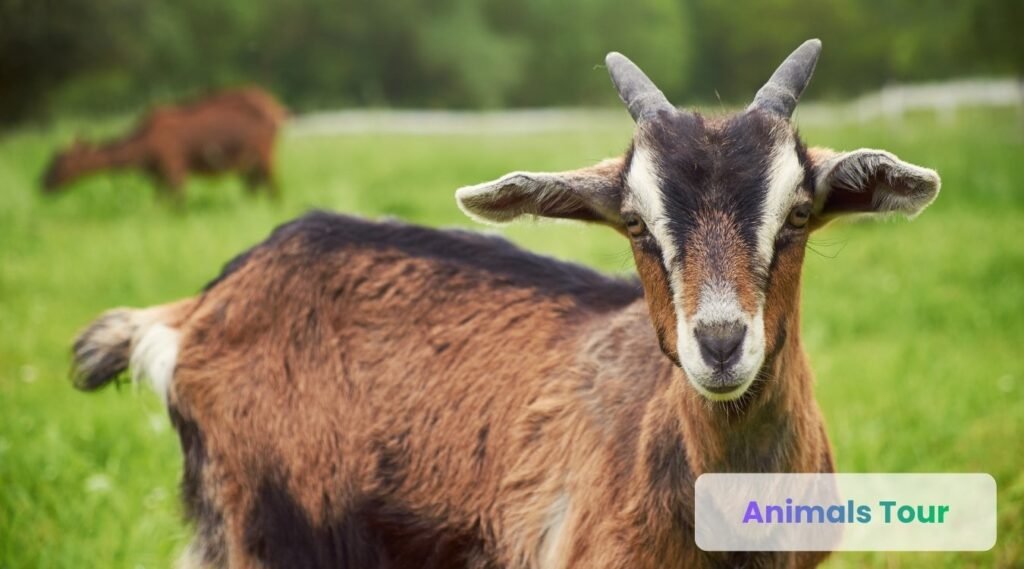
Goats, often perceived as cowardly animals, have developed remarkably effective survival strategies that ensure their longevity. Their primary defense, a lightning-fast flight response, though appearing timid, is a vital predator avoidance tactic, allowing these agile prey animals to evade threats swiftly.
As herd animals, they benefit from collective vigilance and safety in numbers, significantly enhancing overall goat survival rates. Beyond their speed, goats exhibit incredible adaptability, thriving in diverse environments by utilizing their varied browsing diet to find sustenance where others cannot. Ultimately, this perceived lack of courage is a testament to the resilience of goats, a highly evolved and successful approach to animal survival.
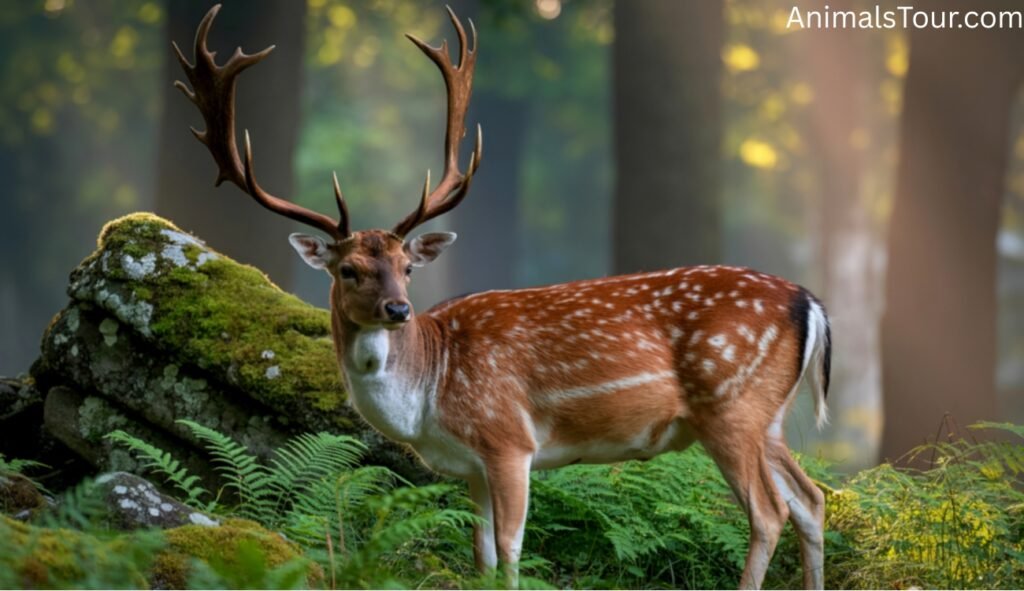
Deer
Scientific Name: Cervidae
Class: Mammalia
Diet: Herbivore
Often perceived as skittish or even “cowardly animals,” deer have developed highly effective survival strategies centered around their acute awareness and swift escape tactics. Their primary defense against predators hinges on an exceptional flight response, supported by incredibly acute senses of hearing and smell that allow them to detect threats long before being seen.
When danger is present, deer utilize their impressive speed and agility to swiftly escape, often employing erratic movements and deep knowledge of their terrain to evade pursuit. Furthermore, their natural camouflage helps them blend seamlessly into various habitats, providing crucial concealment from predators. This “flight-first” strategy, coupled with their keen senses and ability to leverage their environment, is a finely tuned and highly successful mechanism for deer survival.
Quokkas
Scientific Name: Setonix brachyurus
Class: Mammalia
Diet: Herbivore
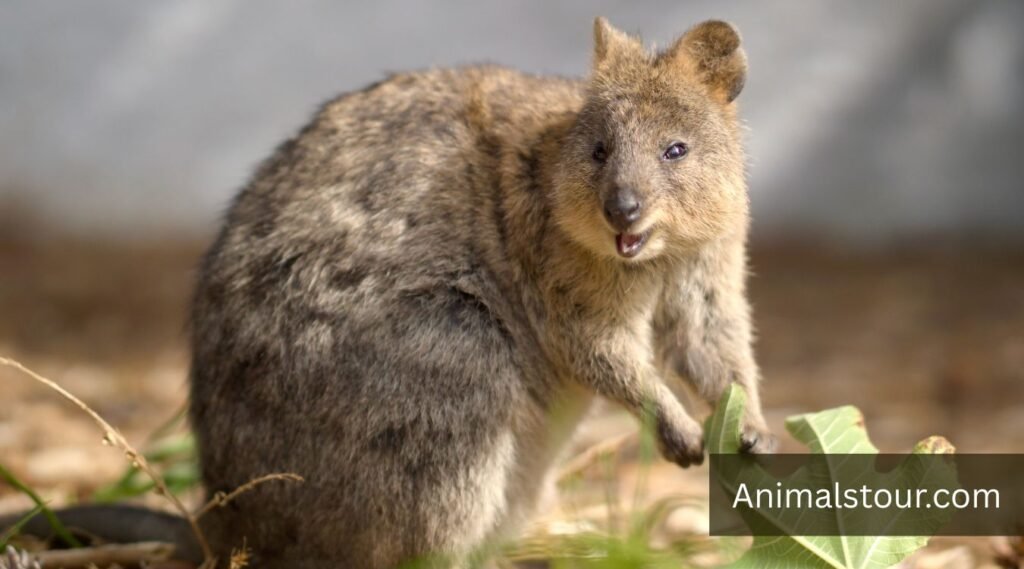
Often perceived as a cowardly animal due to their swift flight response, quokkas employ remarkable survival strategies to thrive in their unique environment. These small, herbivorous marsupials primarily inhabit Rottnest Island, a sanctuary largely free from the mainland predators like dingoes and foxes that would typically threaten them.
By being predominantly nocturnal, quokkas skillfully avoid daytime dangers, emerging after dusk to forage for their diet of leaves, grasses, and bark, utilizing their keen senses in the dark. Their impressive agility and ability to climb trees also provide crucial escape routes and shelter from potential threats, demonstrating how these seemingly timid quokka animals effectively navigate their world.
Ultimately, the quokka’s survival is a testament to their specialized adaptations, secure habitat, and clever behavioral traits, allowing this cowardly animal to flourish.
Rabbit
Scientific Name: Oryctolagus cuniculus
Class: Mammalia
Diet: Herbivore
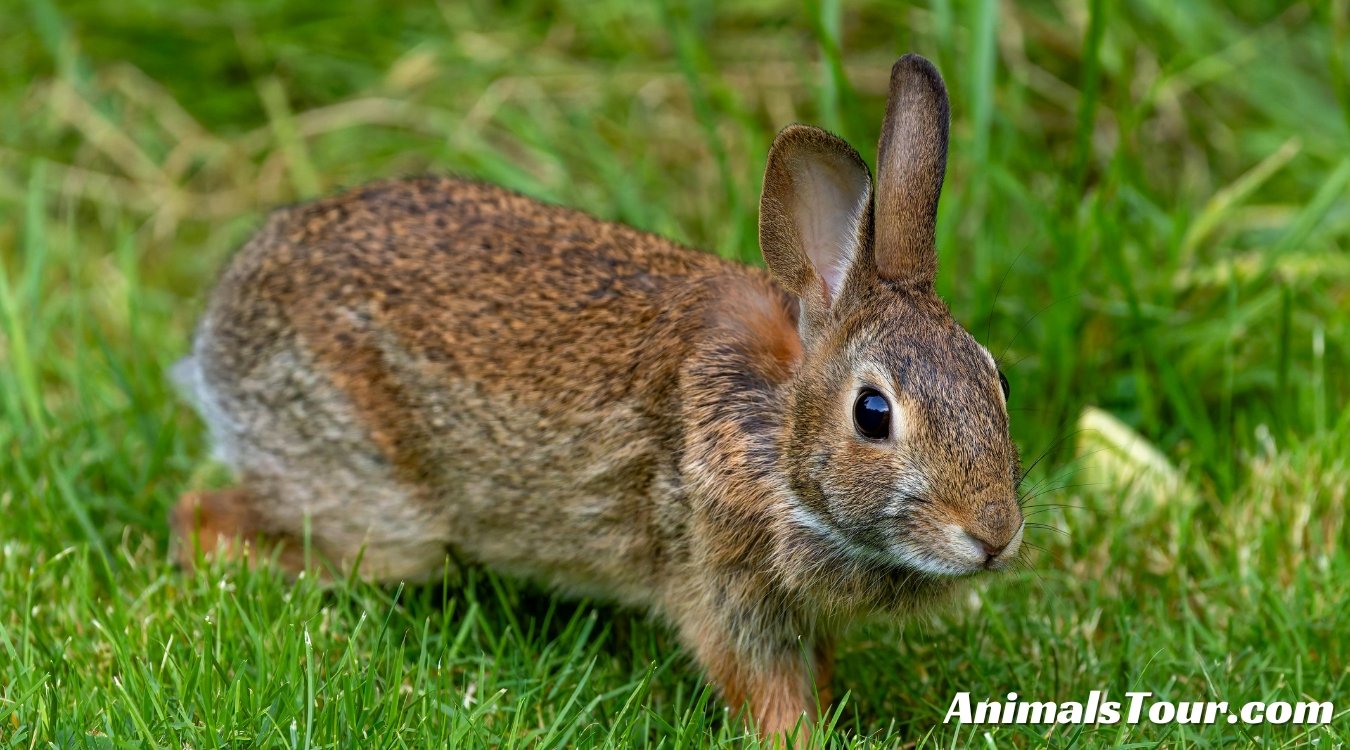
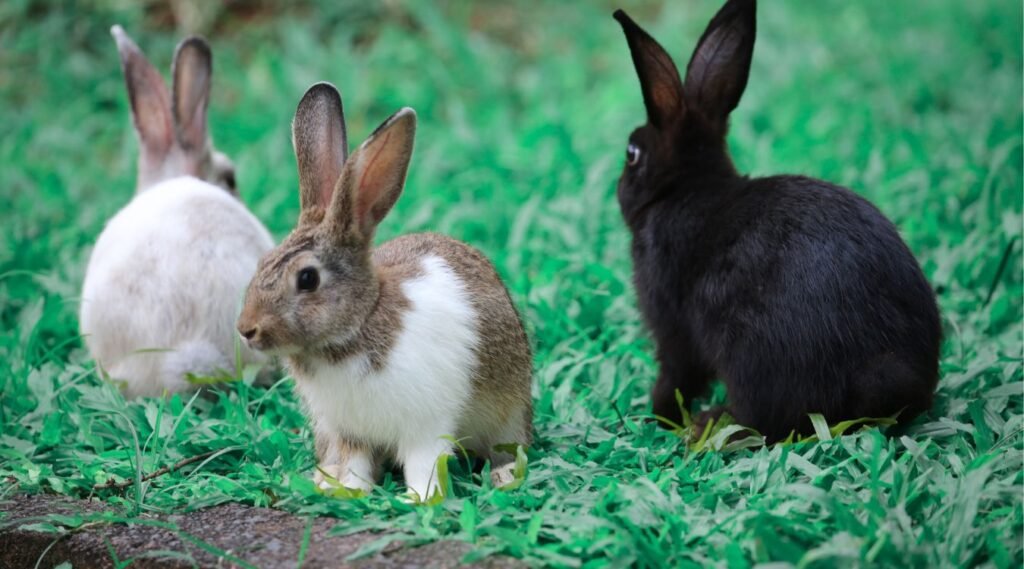
Wild rabbits, often perceived as a coward animal due to their immediate flight response, are, in fact, remarkably successful survivors employing sophisticated defense mechanisms against numerous natural predators. Their primary survival strategy leverages incredible speed and agility, enabling them to rapidly evade threats, complemented by expert burrowing skills to create intricate, safe warrens.
Furthermore, subtle camouflage helps these wild rabbits blend seamlessly into their environment, while highly developed hearing and nearly 360-degree vision provide crucial early detection of danger. Crucially, their remarkable reproductive rate ensures species longevity, effectively offsetting the significant losses from predation, making their “cowardice” a highly effective adaptation for thriving in challenging ecosystems.
Pygmy Grasshoppers
Scientific Name: Tetrigidae
Class: Insecta
Diet: Herbivore
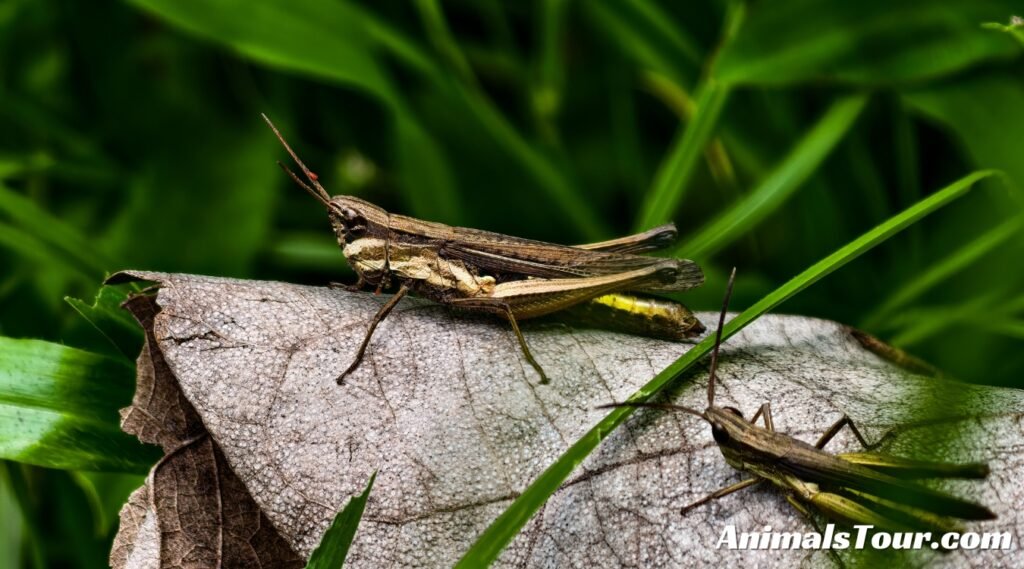
Pygmy Grasshoppers, often mislabeled as a “most cowardly animal” due to their non-confrontational approach, are in fact masters of survival, employing highly effective defensive strategies to thrive. These diminutive insects, known as Tetrigids, expertly evade a myriad of predators by leveraging their unparalleled camouflage, blending seamlessly with their specific habitats like moss, sand, or aquatic vegetation.
Their incredibly small size is a primary asset, enabling them to quickly disappear into crevices, under debris, or even submerge themselves in water for extended periods, making them exceptionally difficult for larger animals to detect or capture. Ultimately, the Pygmy Grasshopper’s unique adaptations for concealment and escape demonstrate that their perceived timidity is, in fact, a highly evolved and successful blueprint for long-term survival in challenging ecosystems.
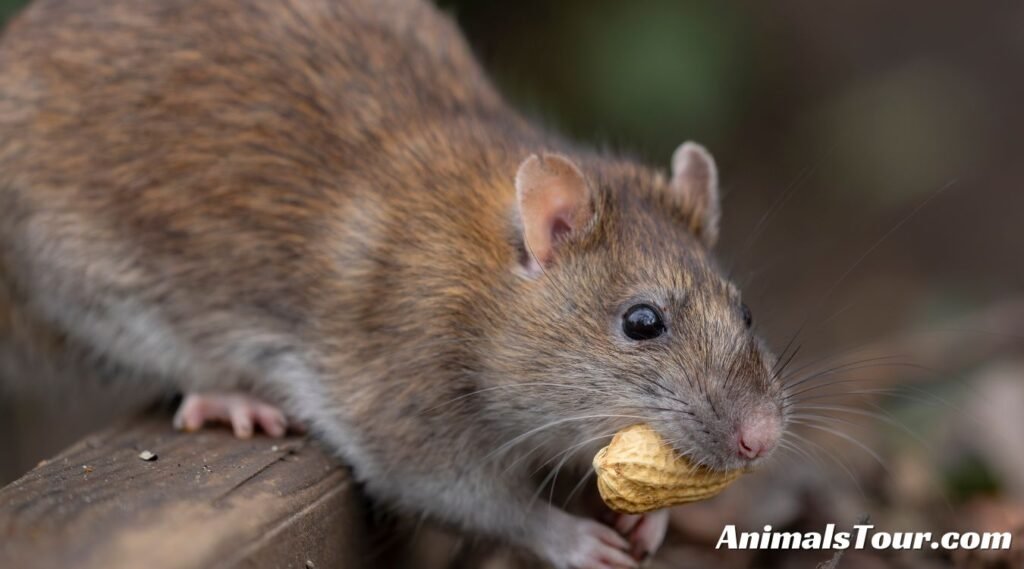
Mouse
Scientific Name: Mus musculus
Class: Mammalia
Diet: Omnivore
Despite often being labeled a cowardly animal, the mouse employs remarkably effective survival strategies that allow it to thrive in diverse environments. Their apparent timidity is, in fact, a highly evolved instinct for predator avoidance, protecting them from numerous threats. Key mouse survival tactics include their nocturnal habits, allowing them to forage under the cover of darkness, and their incredible agility for swift escapes.
Furthermore, these small mammals utilize their size to their advantage, squeezing into tiny crevices for shelter and constructing intricate burrows safe from harm. Their keen senses of smell and hearing provide early warnings, while an astonishingly rapid reproductive rate ensures species continuity even under high predation pressure.
Dietary adaptability also plays a crucial role, enabling them to find sustenance in almost any habitat, further bolstering their resilience. Ultimately, the mouse’s blend of caution, quickness, and adaptability proves that what appears to be cowardice is actually a masterclass in resilient rodent survival.
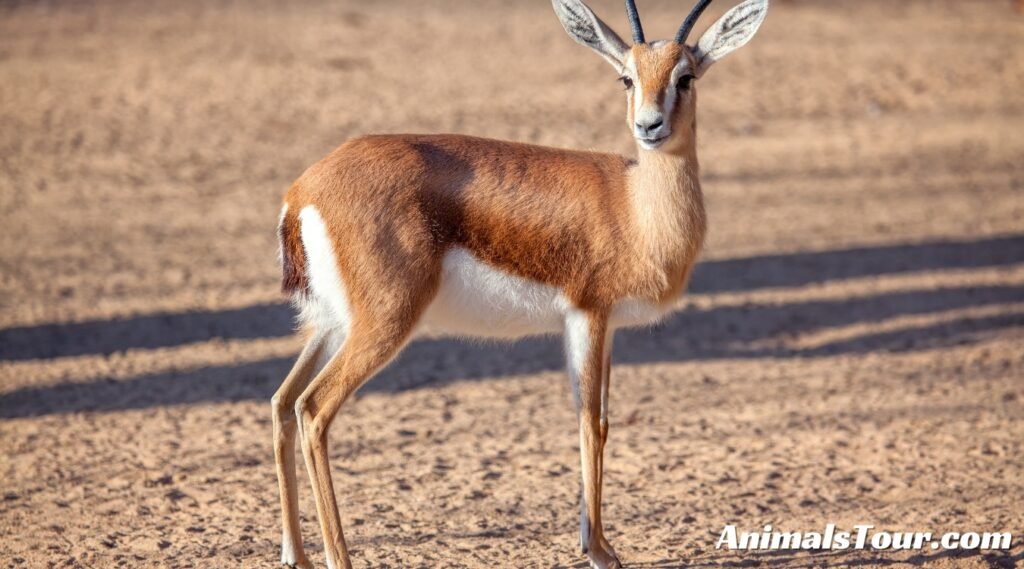
Gazelle
Scientific Name: Gazella
Class: Mammalia
Diet: Herbivore
Often perceived as a cowardly animal due to their immediate flight response, gazelles have, in fact, perfected a highly effective survival strategy in the wild. Their primary defense against formidable predators like cheetahs and lions isn’t confrontation, but unparalleled speed and agility, allowing them to reach bursts of up to 60 mph.
These slender ungulates employ evasive maneuvers, sharp turns, and the characteristic ‘stotting’ or pronking, a high, stiff-legged jump, which can signal their fitness to predators or confuse attackers, making them difficult prey. Living in herds further enhances their survival, providing more eyes and ears for detecting danger and creating a ‘safety in numbers’ effect where individual risk is reduced.
Thus, what appears to be gazelle cowardice is actually a finely tuned, evolutionarily successful adaptation, making their swift flight a testament to their remarkable resilience and ensuring their continued existence in challenging ecosystems.
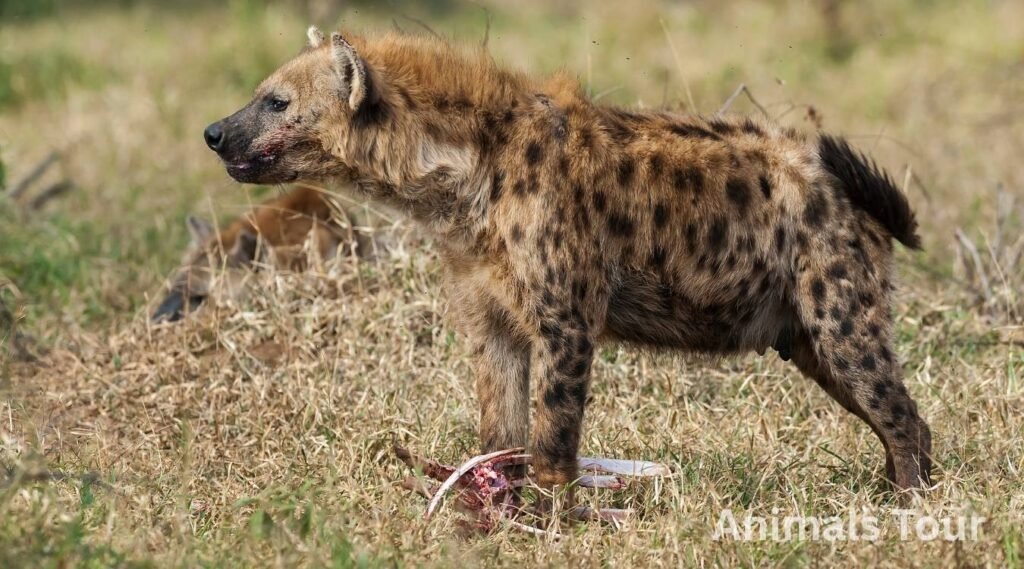
Hyenas
Scientific Name: Hyaenidae
Class: Mammaliar
Diet: Carnivore
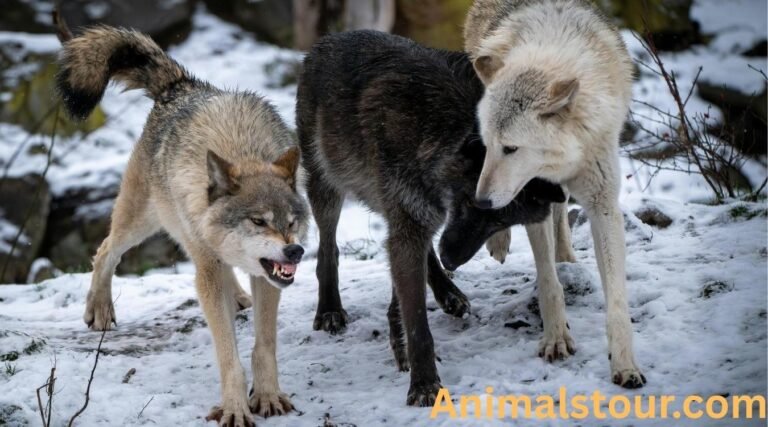
Dispelling the widespread misconception that hyenas are merely cowardly animals, their remarkable survival in challenging environments is a testament to their sophisticated intelligence and adaptability. While often stereotyped as pure scavengers, spotted hyenas, in particular, are highly effective apex predators, with the majority of their diet coming from successful pack hunts rather than solely scavenging.
Their powerful jaws, capable of crushing bone, and highly organized social structures enable them to efficiently take down large prey and maximize resources, ensuring sustenance even when faced with competition. This strategic combination of formidable hunting skills, opportunistic scavenging, and complex clan cooperation allows hyenas to not only survive but thrive across diverse African landscapes. Ultimately, hyenas are far from cowardly; they are incredibly resilient and strategically brilliant survivors.
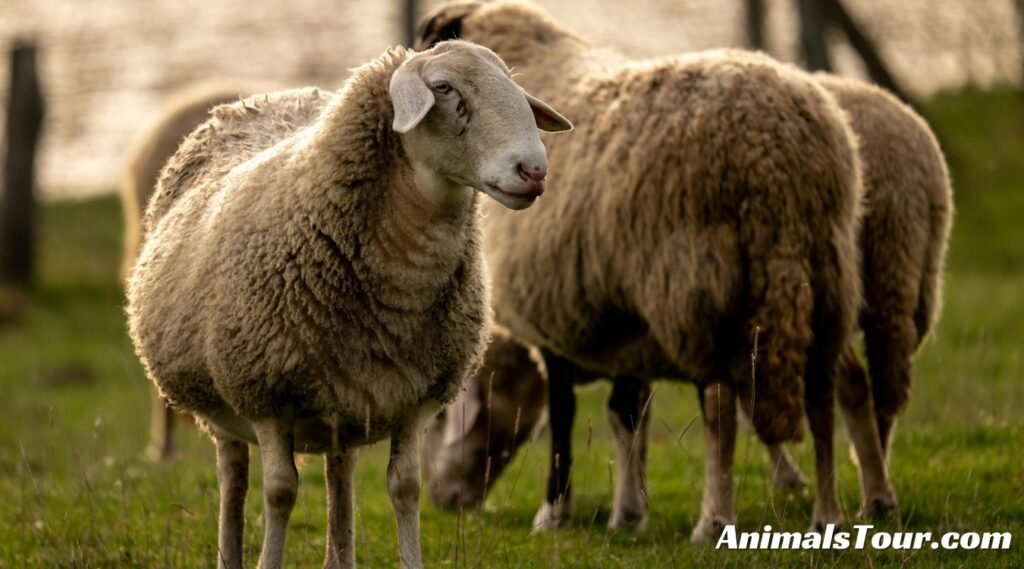
Sheep
Scientific Name: Ovis aries
Class: Mammalia
Diet: Herbivore
Sheep is considered as a cowardly animal, its remarkable survival in diverse environments is a testament to their highly evolved collective defense mechanisms. Lacking formidable individual weapons or aggressive instincts, these quintessential prey animals primarily thrive by leveraging intense flock behavior and acute situational awareness.
By congregating in large numbers, individual sheep enhance their safety in numbers, making it harder for predators to target a single member and benefiting from many eyes and ears detecting danger early. This strong herd mentality, combined with their innate flight instinct and constant vigilance, allows the flock to flee synchronously, overwhelming potential threats with a chaotic burst of movement.
Ultimately, the sheep’s survival strategy is rooted not in individual bravery, but in the collective strength and coordinated actions of the group, ensuring their continued existence despite their timid nature.
Sloth
Class: Mammalia
Diet: Herbivore
Sloth is perceived as a “cowardly animal” due to their notorious lack of speed and defensive aggression. The sloth’s survival strategy is a masterclass in evolutionary adaptation against jungle predators. Far from being weak, their extremely slow movement, a direct result of a low-energy leaf-based diet and remarkably slow metabolism, is a primary defense mechanism, making them incredibly difficult for keen-eyed predators like jaguars and harpy eagles to spot in the dense rainforest canopy.
This deliberate pace, combined with exceptional natural camouflage provided by algae growing on their fur, allows sloths to blend seamlessly with their arboreal environment, effectively becoming living parts of the tree itself. Ultimately, the sloth’s unhurried lifestyle and apparent passivity are not weaknesses but highly effective, specialized survival tactics that have ensured their long-term success in challenging ecosystems.

Frog
Class: Amphibia
Diet: Carnivore
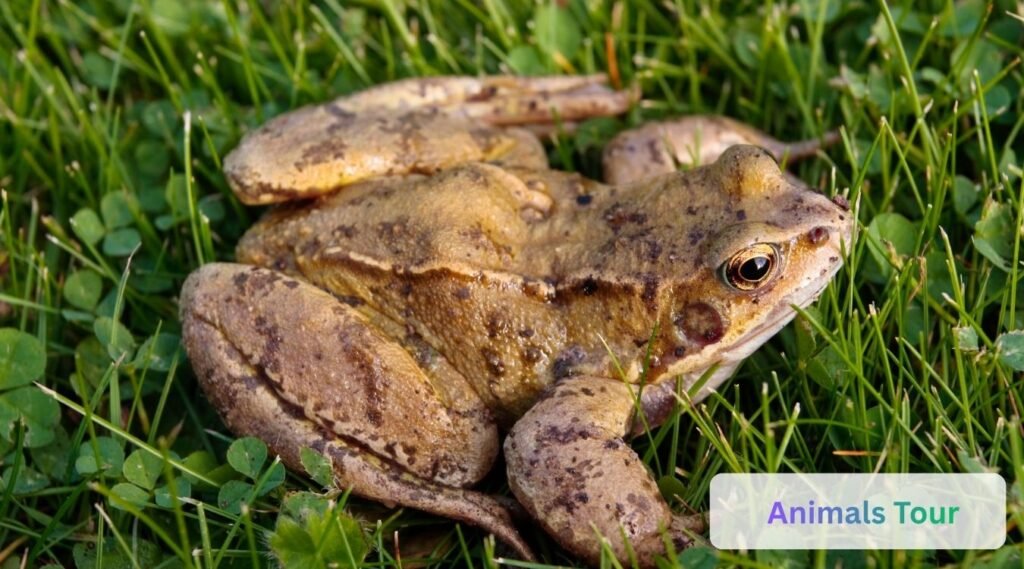
As cowardly animal, frogs are masters of survival, employing a suite of clever strategies to evade predators and thrive in diverse environments. Their seemingly timid nature, characterized by rapid leaps and immediate concealment, is in fact a highly effective defense mechanism against numerous threats, making them adept at predator evasion.
These fascinating amphibians utilize expert camouflage to blend seamlessly into their surroundings, making them incredibly difficult for predators to spot, while their powerful hind legs enable lightning-fast escapes into water or dense vegetation. Furthermore, many frog species possess toxic skin secretions or aposematic (warning) coloration, actively deterring would-be attackers and ensuring their safety.
Ultimately, these “cowardly” behaviors are not weaknesses but sophisticated evolutionary adaptations, ensuring the continued survival of frogs across the globe by prioritizing evasion and self-preservation above confrontation.
Opossums
Scientific Name: Didelphimorphia
Class: Mammalia
Diet: Omnivore
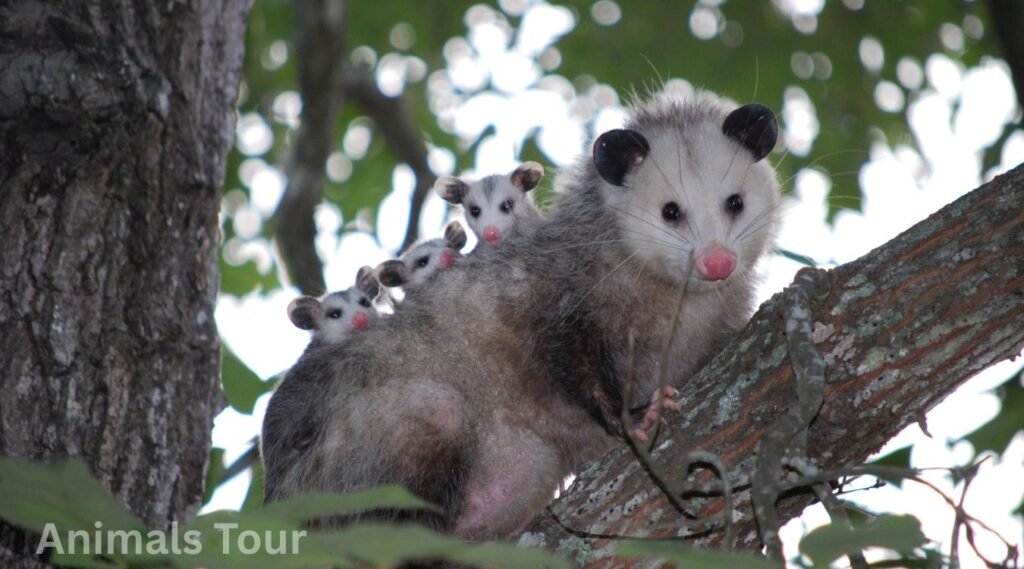
Often perceived as a cowardly animal, the opossum actually employs a suite of highly effective survival strategies demonstrating remarkable resilience in diverse environments. Their most iconic defense, “playing dead” or thanatosis, is a sophisticated predator evasion technique where they enter an involuntary catatonic state, complete with foul odors and drooling, making them appear deceased or diseased to potential threats.
Beyond this clever feigning, opossums also utilize hissing, growling, and emitting musky secretions to deter predators, further showcasing their instinctual defensive behaviors. This combination of adaptable diet, nocturnal habits, and these unique, often misunderstood, survival mechanisms allows the opossum to thrive across varied habitats, from forests to urban landscapes. Ultimately, what appears to be fear is, in fact, an array of ingenious tactics ensuring the opossum’s successful long-term survival.
Chicken
Scientific Name: Gallus gallus domesticus
Class: Aves
Diet: Omnivore
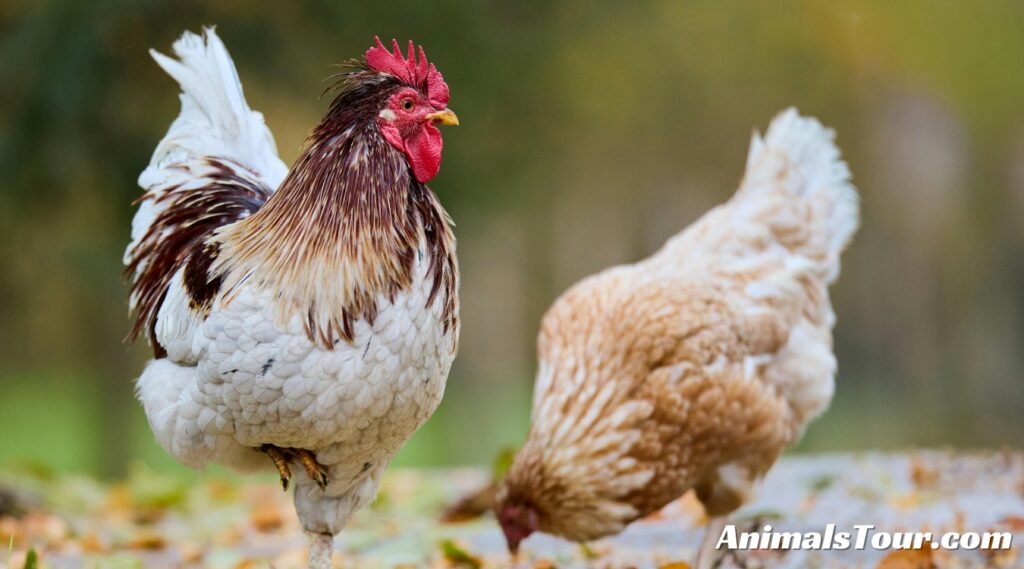
As a cowardly animal, the chicken’s survival strategies are remarkably effective, allowing this ubiquitous bird to thrive in diverse environments globally. Their inherent flight response to perceived threats, though appearing timid, is a primary chicken defense mechanism against predators, prioritizing escape over confrontation.
As flock animals, individual chickens benefit immensely from collective vigilance; numerous eyes and ears detect danger, triggering widespread alarm calls that alert the entire group to seek cover. This communal living, alongside a strong pecking order, minimizes internal conflict and maximizes foraging efficiency, ensuring consistent access to vital resources for poultry survival. Ultimately, the chicken’s behavior, often misconstrued as mere cowardice, is a sophisticated suite of chicken instincts finely tuned for enduring survival in a challenging world.
Eastern Hognose Snakes
Scientific Name: Heterodon platirhinos
Class: Reptilia
Diet: Carnivore
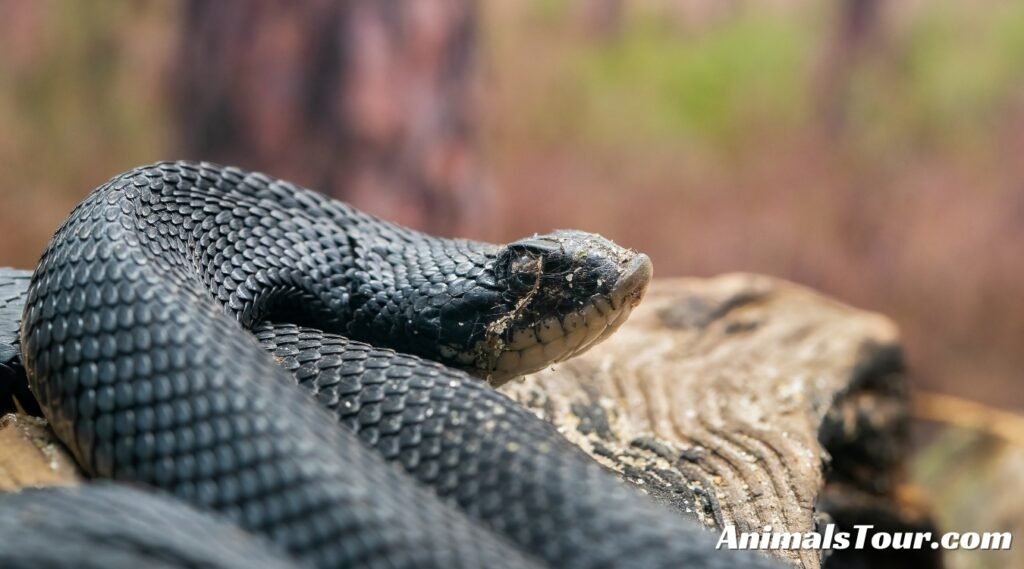
The Eastern Hognose Snake is a fascinating example of a “cowardly” animal that uses clever tricks for survival. When facing a threat, these snakes prefer to avoid confrontation rather than fight. Their first defense is a dramatic bluff: they flatten their head to look bigger, hiss loudly, and even strike without actually biting, mimicking more dangerous snakes.
If this intimidating display fails to scare off a predator, the Eastern Hognose Snake has an even more surprising tactic: playing dead. They will roll onto their back, writhe around as if in distress, and then lie motionless with their mouth open, sometimes releasing a foul-smelling musk to further convince predators they are diseased or already deceased. These unique, non-aggressive behaviors are highly effective, making the Eastern Hognose Snake a true master of survival in the wild.
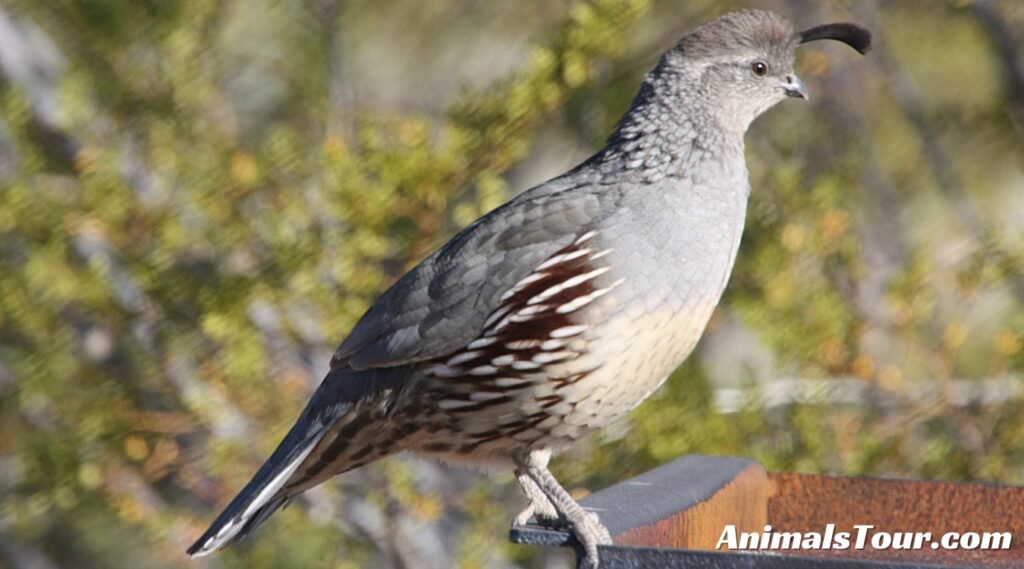
Quail
Scientific Name: Coturnix coturnix
Class: Aves
Diet: Omnivore
Quails, though often seen as timid animals, are surprisingly good at surviving in nature. They seem cowardly because they quickly run or fly away from any danger, but this fast reaction is key to avoiding predators like hawks and foxes. Quails use amazing camouflage, blending perfectly with their grassy homes to stay hidden.
When danger is close, they often freeze still or explode into quick flight, confusing any attacker. Their instinct to hide in dense bushes and use their small size helps them stay safe. This “cowardly” behavior is actually a very smart survival strategy, allowing quails to successfully live and thrive.
Final Words
As we conclude our countdown of the Top 15 Cowardly Animals in the World, it’s evident that what often appears as fear is, in reality, a brilliant and essential survival strategy in the wild. Each species, from the most timid to the master of disguise, employs instinct-driven defensive behaviors crucial for predator avoidance and ensuring the continuation of their lineage.
These fascinating animals teach us that retreating, hiding, or playing dead are not signs of weakness, but rather sophisticated evolutionary tactics that allow them to thrive amidst constant threats in their natural habitats. Ultimately, examining these “cowardly” creatures reveals the profound wisdom of nature, where evasion and caution are celebrated as paramount for long-term survival, proving that flight can be just as powerful as fight for animal survival.
FAQs
What animal represents cowardice?
Cowardice in animals can often be tied to their survival instincts. For instance, prey animals like rabbits or deer may appear cowardly because they tend to flee at the first sign of danger. This behavior is not necessarily cowardice but a strategy to avoid predators. Their quick reflexes and decision to run enhance their chances of survival.
What is the most cowardly animal in the world?
Deer are often considered one of the most cowardly animals because they tend to flee at the slightest sign of danger. Their instinct is to escape rather than confront threats, making them seem timid. When faced with predators, they prioritize quick getaways over aggression or defense.