16 Amazing Flexible Animals in the World (With Photos)
Have you ever wondered what are the most flexible animals in the world and how these amazing creatures bend, twist, and move so effortlessly? Flexibility in the animal kingdom isn’t just a neat party trick; it plays a vital role in survival and movement. Join us as we dive into 16 animals that are flexible and discover their unique adaptations through stunning photos. You’ll find out not just about their flexibility but also how it helps them navigate their world.
List of Flexible Animals in The World
Below is the list of animals that are flexible:
| Rank | Animals | Scientific Name | Class | Diet |
| 1 | Weasels | Mustela | Mammalia | Carnivore |
| 2 | Octopus | Octopus vulgaris | Cephalopoda | Carnivore |
| 3 | Snakes | Serpentes | Reptilia | Carnivore |
| 4 | Hero Shrew | Scutisorex somereni | Mammalia | Insectivore |
| 5 | Chameleon | Chamaeleonidae | Reptilia | Carnivore |
| 6 | Earthworms | Lumbricina | Clitellata | Detritivore |
| 7 | Eel | Anguilliformes | Actinopterygii | Carnivore |
| 8 | Centipedes | Chilopoda | Chilopoda | Carnivore |
| 9 | Squirrel | Sciuridae | Mammalia | Omnivore |
| 10 | Ceetah | Acinonyx jubatus | Mammalia | Carnivore |
| 11 | Spider Monkey | Ateles | Mammalia | Omnivore |
| 12 | Cat | Felis catus | Mammalia | Carnivore |
| 13 | Rats | Rattus | Mammalia | Omnivore |
| 14 | Seal | Phocidae | Mammalia | Carnivore |
| 15 | Squid | Teuthida | Cephalopoda | Carnivore |
| 16 | Sea Lions | Otariinae | Mammalia | Carnivore |
Weasels
Weasels are often labeled as the most flexible animals in the wild, and it’s not just about their physical agility. Their ability to adapt to various habitats from dense forests to open fields shows their remarkable versatility. With elongated bodies and short legs, they can slip through tight spaces to hunt prey or evade danger, showcasing a unique form of survival.
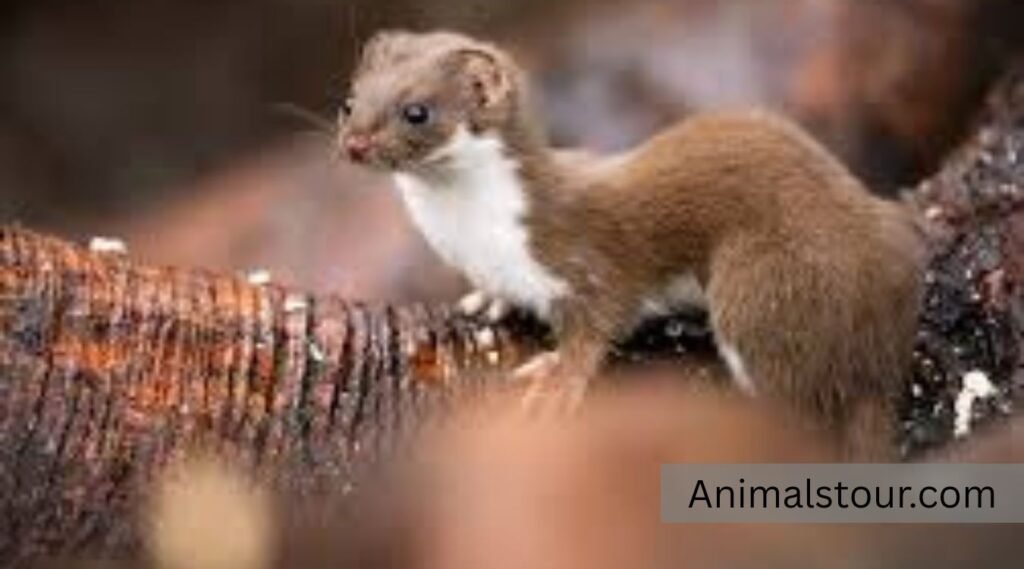
These small but mighty creatures remind us that strength isn’t always about size. In a world that often overlooks the smaller beings, weasels stand out, demonstrating that adaptability and cleverness can be a powerful combination. Next time you hear about these intriguing animals, remember: their flexibility goes beyond the physical, weaving an intricate tale of survival and intelligence in the wild.
Octopus
The octopus is often hailed as one of the most flexible animals on the planet, showcasing an astonishing ability to navigate complex underwater environments. With no skeleton, they can squeeze through openings smaller than their body, embodying a unique blend of strength and adaptability. This flexibility is not just physical; octopuses are masters of camouflage, using specialized cells in their skin to blend seamlessly into their surroundings, evading predators and stalking prey.
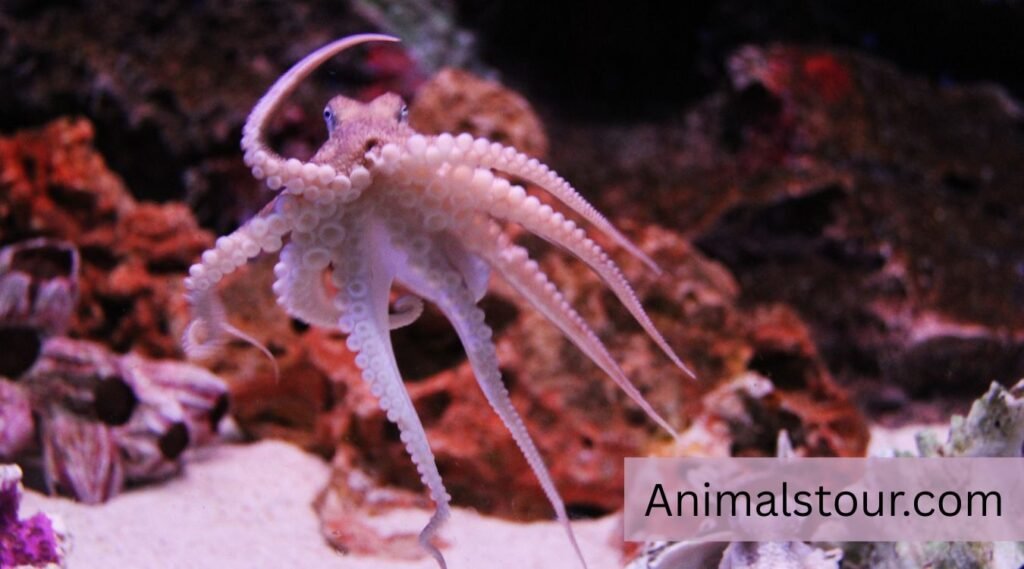
Beyond their incredible physical traits, octopuses exhibit remarkable intelligence. Known for their problem-solving skills, they can manipulate objects and escape from enclosures, demonstrating behaviors that hint at sophisticated cognitive abilities. Their curious nature leads them to explore and interact with their environment, making each encounter with these creatures a potential lesson in adaptability and resilience. As we continue to study octopuses, they challenge our understanding of animal intelligence and the meaning of flexibility, both in body and mind.
Snakes
Snakes are often celebrated as some of the most flexible animals on the planet. Their unique anatomy allows them to navigate through tight spaces, climb trees, and even swim with grace. This incredible flexibility isn’t just about their bodies; it’s a survival mechanism that has evolved over millions of years. Imagine a creature that can coil around a branch and strike in an instant. This adaptability gives snakes an edge in both hunting and evading predators.
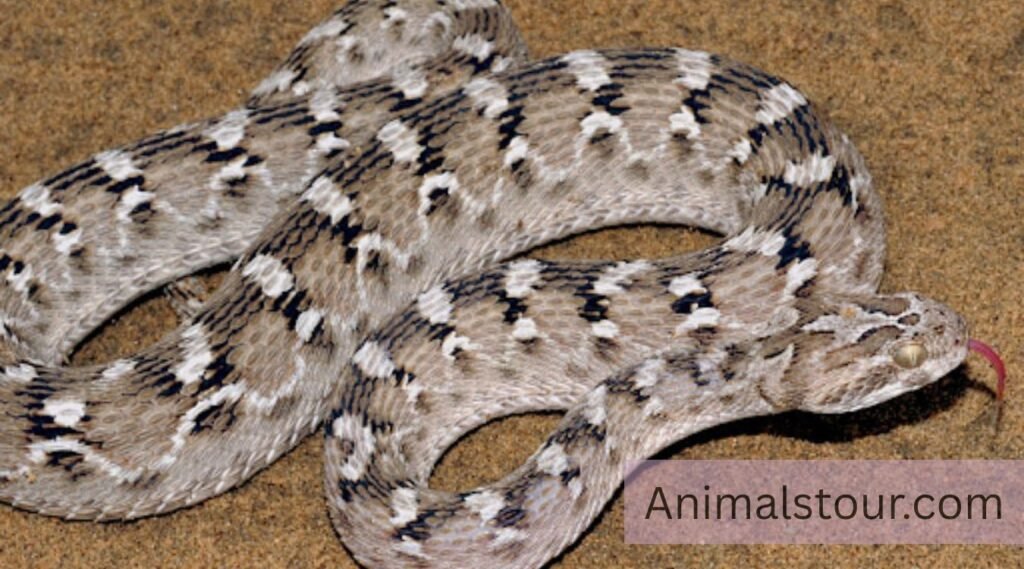
Unlike many animals that depend on limbs for movement, snakes use muscles to contract and extend their bodies. This means they can slither, twist, and turn with an elegance that seems almost magical. Whether they’re inching through grass or darting across rocky terrains, their ability to fit into various environments makes snakes one of nature’s most versatile creatures. The next time you see a snake, consider not just its appearance, but the incredible flexibility that defines its existence.
Hero Shrew
The Hero Shrew, often overshadowed by its more famous relatives, possesses an intriguing blend of strength and adaptability that sets it apart in the animal kingdom. Native to the dense forests and grasslands of Central Africa, this small rodent defies the traditional notion of what it means to be a shrew.
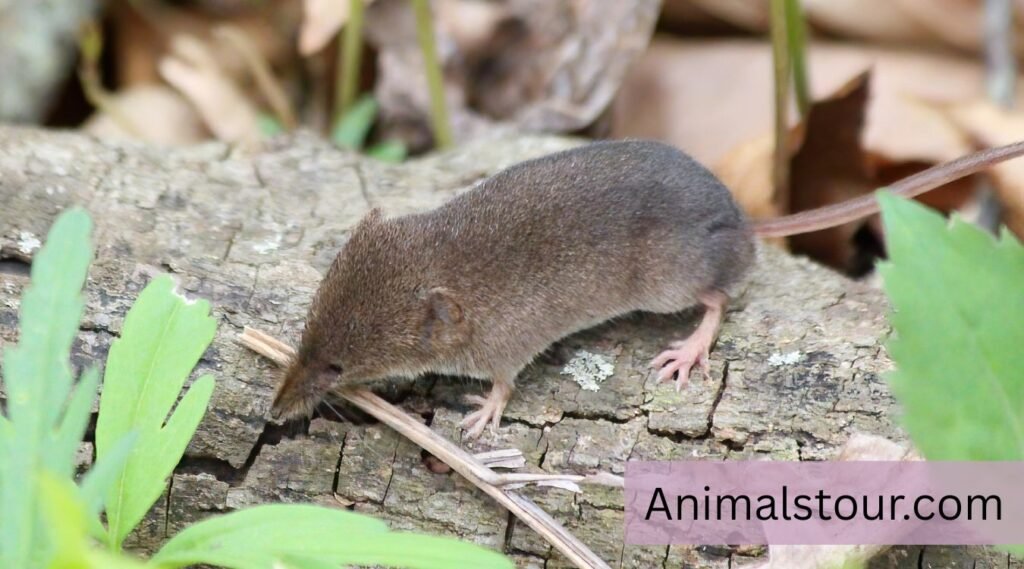
With a spine that boasts remarkable flexibility, the Hero Shrew can twist and turn in ways that few other creatures can. This unique structure allows it to evade predators and navigate through its environment with unparalleled agility. In fact, some researchers argue that the Hero Shrew is among the most flexible animals on Earth, proving that sometimes, the smallest creatures can exhibit the biggest surprises.
Chameleon
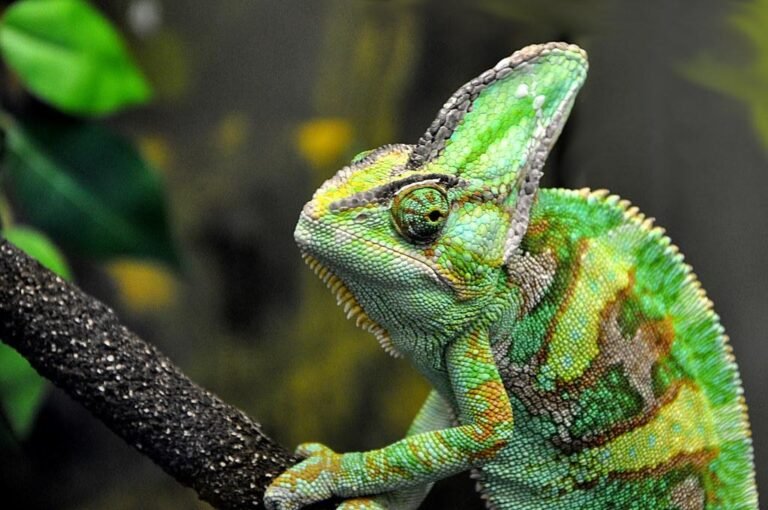
The chameleon stands out as one of the most flexible animals in nature, not just for its ability to change color, but also in how it adapts to its surroundings. This remarkable creature does not merely shift hues for camouflage; it uses color changes to communicate, express emotions, and regulate temperature.
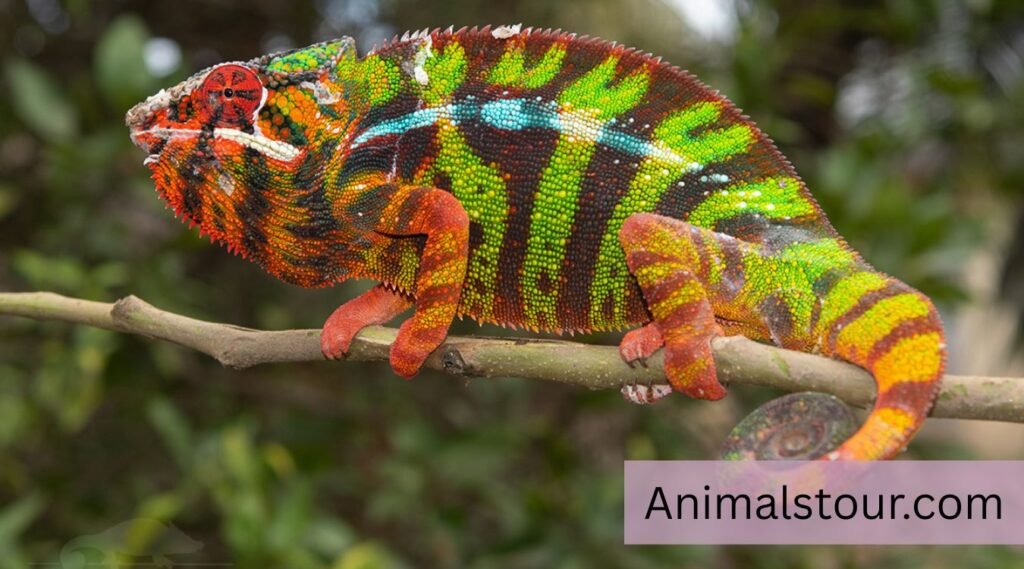
But flexibility goes beyond just colors. Chameleons possess remarkable tongues, which can extend twice the length of their bodies to catch prey. This unique adaptation speaks volumes about their hunting style and agility. Unlike many other animals that rely on speed or strength, the chameleon’s incredible precision showcases a different kind of flexibility, one that blends patience with skill.
Earthworms
Earthworms are amazing animals that are flexible. These little creatures may seem simple, but they play a vital role in our ecosystem. As they wiggle through the soil, they aerate it, allowing nutrients and water to reach plant roots more easily. This process supports healthy plant growth, which in turn sustains a wide variety of life, from insects to larger animals.
Earthworms are nature’s recyclers. They break down organic matter, turning it into rich compost that enhances soil fertility. This not only nourishes gardens and farms but also helps reduce waste in our environment. Their ability to adapt to different conditions makes them vital players in maintaining soil health, showcasing that even the smallest animals can have a big impact on the world around us. As you observe these flexible creatures in action, you gain a greater appreciation for the hidden wonders of nature.
Eel
The Eel is the most flexible animal, gliding effortlessly through water with a grace that is truly mesmerizing. With a long, slender body, it can navigate through tight spaces and rocky crevices, displaying a unique adaptability that few creatures can match. This flexibility isn’t just physical; eels are also remarkable in their ability to thrive in both freshwater and saltwater. The transition from one environment to another is a testament to their resilience and survival skills.
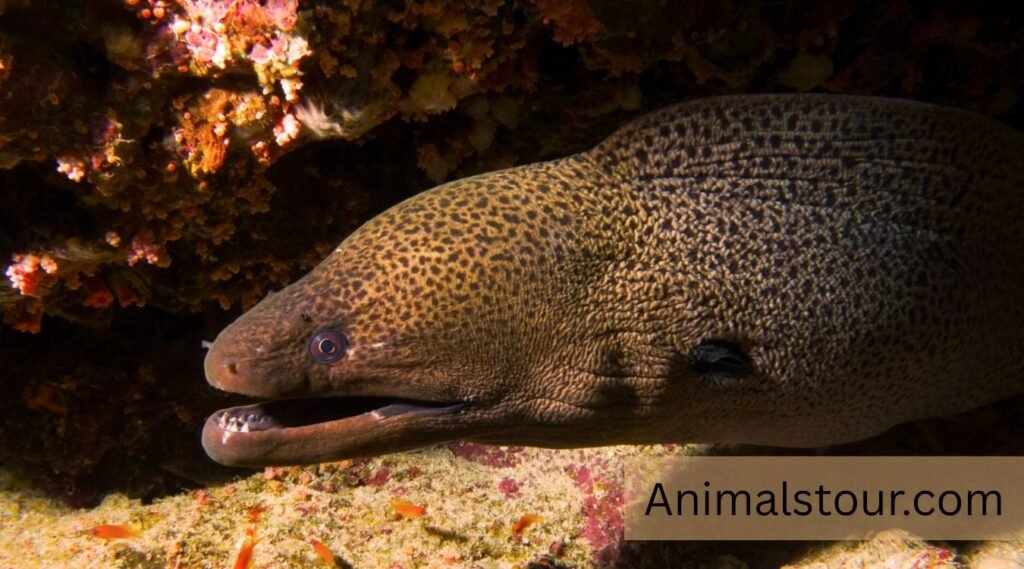
Eels are also amazing when it comes to their life cycle. They start their journey in the vast Sargasso Sea, hatching as tiny larvae before traveling thousands of miles to rivers and lakes. Once they mature, they return to the ocean to spawn, completing a cycle that highlights their incredible navigation skills and instinctual drives. Their ability to adapt and survive in diverse environments is a powerful lesson in flexibility and resilience for us all.
Centipedes
Centipedes are interesting creatures that demonstrate flexibility. With their long, segmented bodies and numerous legs, they can squeeze through tight spaces that many other animals cannot. This adaptability allows them to thrive in diverse environments, from damp forests to arid deserts. Observing a centipede move can be mesmerizing; they glide smoothly, almost like a wave, showcasing their remarkable physical traits.
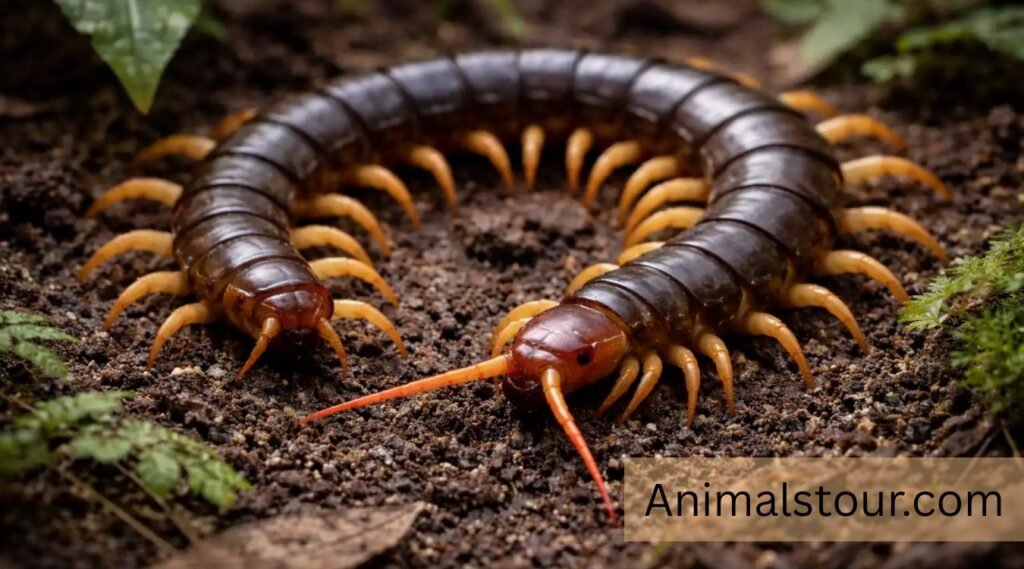
These animals are not just flexible in body but also in behavior. Centipedes are skilled hunters, using their venomous fangs to catch and paralyze their prey. They can tackle insects much larger than themselves, thanks to their agility and speed. While their appearance might be unsettling to some, they play a crucial role in maintaining the balance of their ecosystems, acting as both predators and prey.
Squirrel
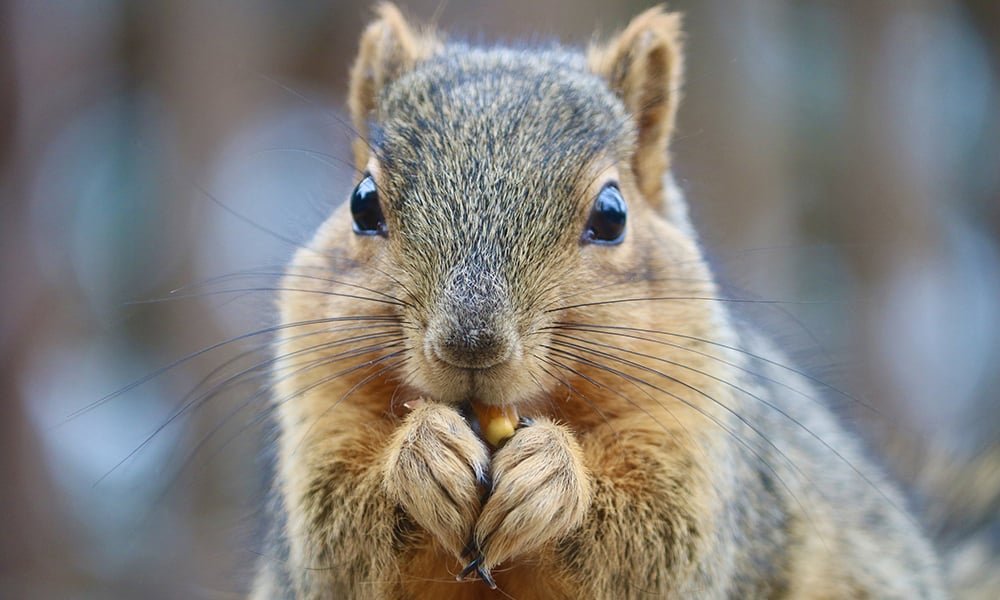
Squirrels are amazing creatures that showcase remarkable flexibility. Their bodies are built for agility, allowing them to leap effortlessly from branch to branch. This adaptability not only helps them evade predators but also enables them to explore diverse environments, from urban parks to dense forests. Watching a squirrel navigate through the trees, you can almost sense the joy of their acrobatics.
Squirrels are known to solve problems when foraging for food. They can remember the locations of hidden nuts, showing impressive spatial awareness. This intelligence connects their flexibility in movement with their ability to adapt to different challenges in their surroundings, making them intriguing animals to observe. If you take a moment to watch them, you might find yourself captivated by their playful antics and clever strategies.
Cheetah
Cheetahs are interesting creatures known for their incredible speed, but what often gets overlooked is their agility. They are among the most flexible animals on the planet. Their body structure allows them to accelerate from zero to sixty miles per hour in just a few seconds. This unique trait isn’t just about speed; it also helps them make sharp turns while chasing prey, a skill that few other animals can match.
But flexibility isn’t just physical. Cheetah adapts his hunting style based on his environment and the type of prey he is pursuing. He often relies on his amazing eyesight to spot potential meals from a distance. Once he chooses a target, he uses his speed and skillful maneuvers to close in quickly. This dynamic approach makes him effective hunters, showcasing the blend of brain and brawn.
Spider monkey
Spider monkeys are some of the most flexible animals in the jungle, easily swinging between trees with their long limbs and prehensile tails. This unique tail acts almost like a fifth limb, allowing them to grip branches and hang upside down, making them true acrobats of the canopy. Watching them leap effortlessly from branch to branch is a reminder of how adaptable and agile these creatures have evolved to be.
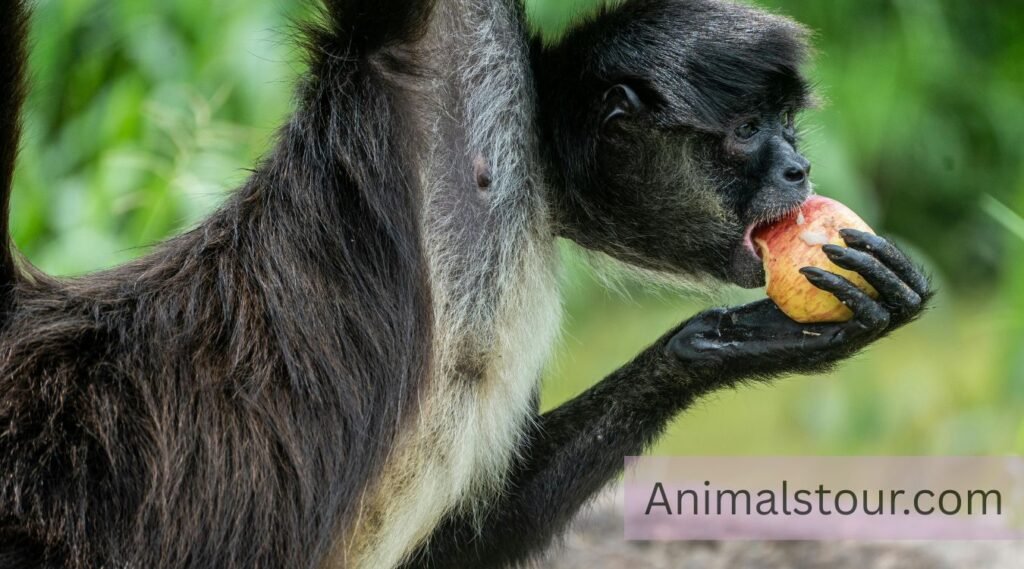
They live in groups, often forming strong bonds with one another. Their chatter and playful antics foster a sense of community, showing us just how important teamwork and connection are in the wild. Their vocalizations can be heard echoing through the forest, creating a lively atmosphere in their arboreal world, further highlighting their role in maintaining the balance of their ecosystem as seed dispersers. Each movement and sound contributes to the rich tapestry of life in the rainforest.
Cat
Cats are often regarded as the most flexible animal, and for good reason. Their bodies are built for agility, allowing them to twist and turn mid-air to land on their feet. This impressive ability isn’t just for show; it aids them in hunting and escaping danger. Watching a cat stretch or pounce showcases a grace that reminds us of how adaptable they really are.
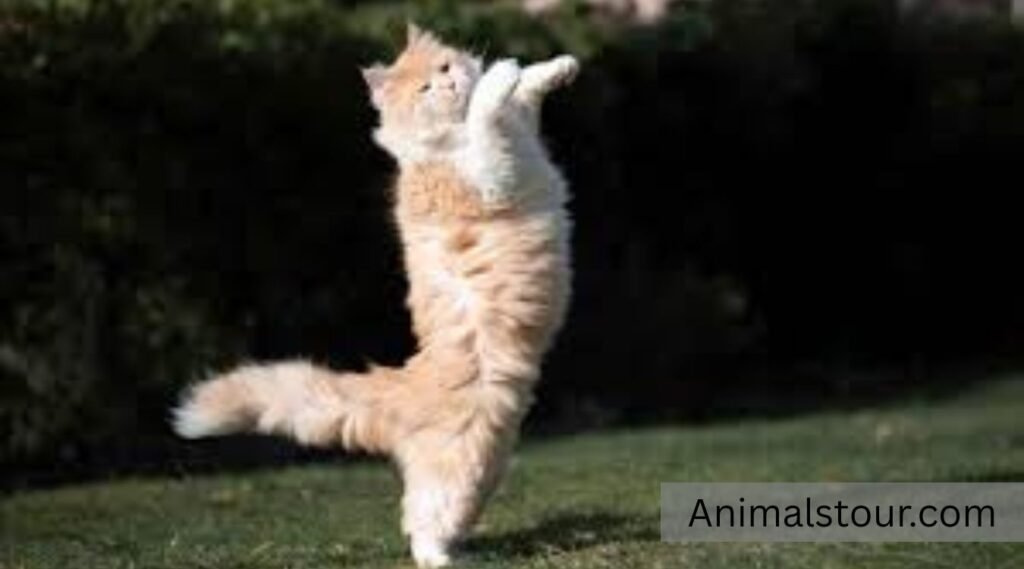
Cats’ flexibility isn’t just physical; it speaks to their ability to adjust to different environments. Cats can thrive in bustling homes or quiet apartments, making them wonderful companions for nearly anyone. This adaptability may just be one of the reasons why cats have captivated our hearts for centuries.
Rats
Rats are amazing creatures that challenge our perceptions. Often seen as pests, these animals are incredibly flexible, both physically and behaviorally. They can squeeze through tiny openings, escape tricky situations, and adapt to various environments. This adaptability allows them to thrive in urban areas, where food sources are diverse and plentiful.
Beyond their survival skills, rats are social animals that form strong bonds with each other. They communicate through various sounds and even share emotions, which creates a sense of community. When you look closer, you might find that rats are not just symbols of disease, but rather intelligent beings capable of learning and problem-solving. Embracing their intriguing qualities can shift our view of these misunderstood animals.
Seal
Seal is truly the ocean’s gymnasts. Known as the most flexible animal, he can twist and turn with impressive ease. Watching them dive and leap through the waves is like seeing nature’s acrobats at work. His streamlined bodies are designed for speed, allowing him to catch fish and evade predators effortlessly.
What’s fascinating is his ability to adapt both in water and on land. While seal is masters of swimming, he also uses his agility to move gracefully on rocky shores when it’s time to rest or raise his young. This flexibility is not just physical; it plays a crucial role in his survival. He can thrive in diverse environments, from icy Arctic waters to warmer coastal areas, showcasing the wonders of evolution. Seal reminds us of the beauty of adaptability, which is key to thriving in an ever changing world.
Squid
Squid are fascinating animals that are known for their incredible flexibility. Unlike many sea creatures, squids can change their shape and color, making them masters of disguise. This ability not only helps them hide from predators but also aids in communication with other squids. Watching a squid blend into its surroundings is like witnessing a living magic trick.
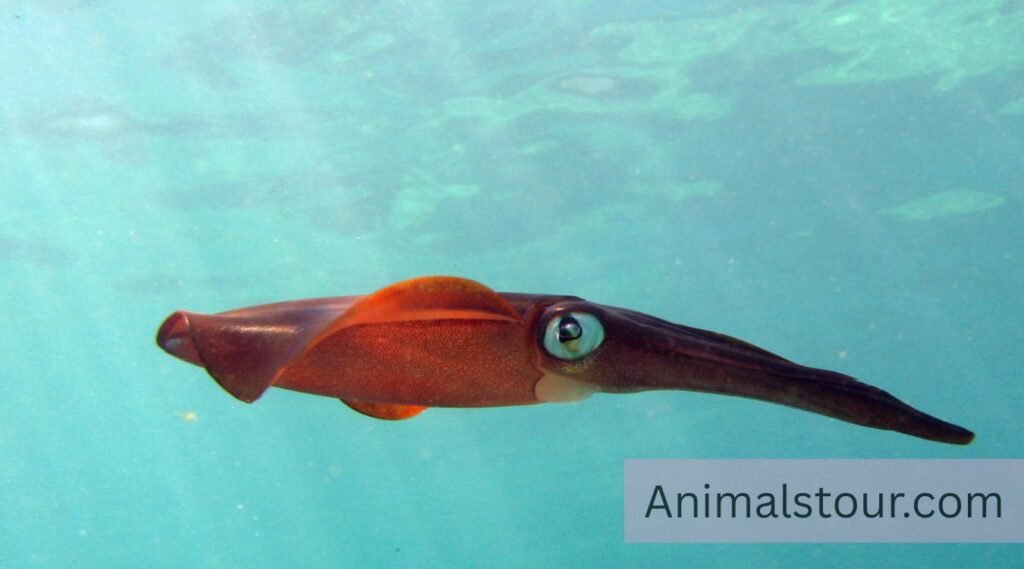
Their unique bodies allow them to swim gracefully, darting away in a flash when threatened. This flexibility, paired with their high intelligence, makes them some of the most adaptable creatures in the ocean. They thrive in various environments, from deep sea to coastal waters. Exploring the world of squids reveals just how dynamic life can be beneath the waves, showcasing the beauty of evolution in animals that are flexible.
Sea lions
Sea lions are amazing animals that are flexible in their movements. Unlike other marine mammals, they can use their flippers to walk on land, giving them the agility to navigate both water and shore. This unique ability allows them to bask in the sun and frolic on beaches, showcasing their playful nature. You might find them tumbling and sliding around, displaying a joyful side that draws visitors to their habitats.
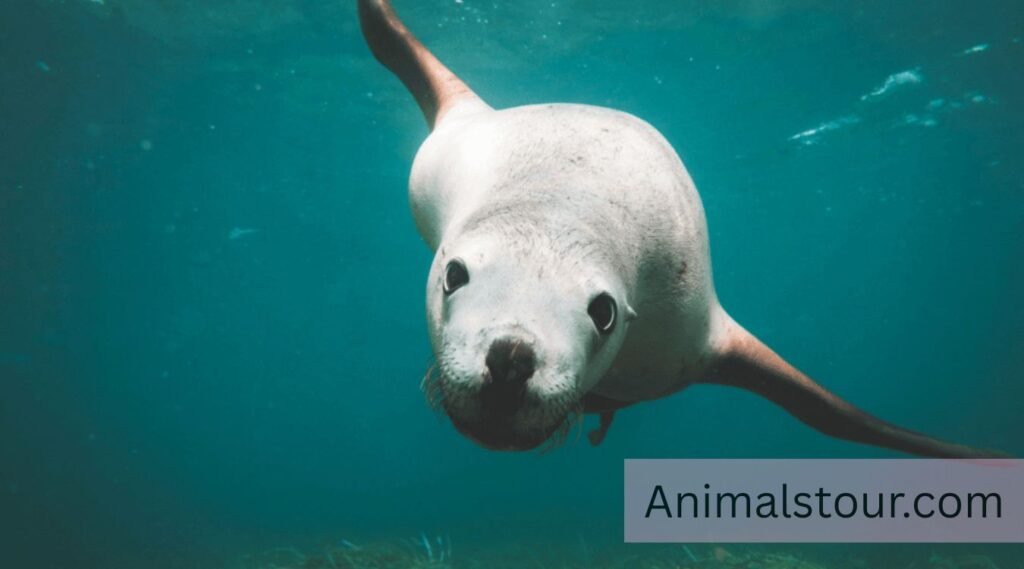
In the water, sea lions are graceful swimmers, using their strong forelimbs to propel themselves with speed and precision. They can dive deep to hunt for fish, often reaching depths of over 600 feet. Their impressive adaptability makes them stand out among animals. They thrive in various ocean environments, from chilly coasts to warmer waters, always finding a way to live in harmony with their surroundings. Watching them interact, whether on rocky shores or in lively colonies, offers a glimpse into the vibrant world of marine life.
Final Words
The world is filled with amazing animals that showcase incredible flexibility. From the agile octopus to the bendy snake, each creature offers a unique glimpse into the wonders of nature.Whether it is stretching, bending, or twisting, these animals remind us of the endless possibilities in the animal kingdom. By appreciating their unique traits, we can learn more about the importance of conservation.These animals remind us of the amazing adaptations that help them thrive in their environments. So next time you see a flexible animal, take a moment to marvel at its abilities and connect with the beauty of nature around you.
FAQs
What are flexible animals?
Flexible animals are those that can bend or twist their bodies in unusual ways, allowing them to move easily in their environment.
Which type of animal is most flexible?
The most flexible animals in the world are usually octopuses, especially the Giant Pacific Octopus.
Are flexible animals found in all habitats?
Yes, flexible animals can be found in different habitats, from oceans to forests, showing that flexibility is useful in many environments.
How do flexible animals benefit from their ability?
They can better avoid dangers, find food more easily, and adapt to changes in their environment, helping them thrive in the wild.
Can flexibility affect an animal’s health?
Yes, too much flexibility can sometimes lead to health issues, just as too little flexibility can limit an animal’s abilities. Balance is key.