Top 14 Animals That Eat Rabbits (With Pictures)
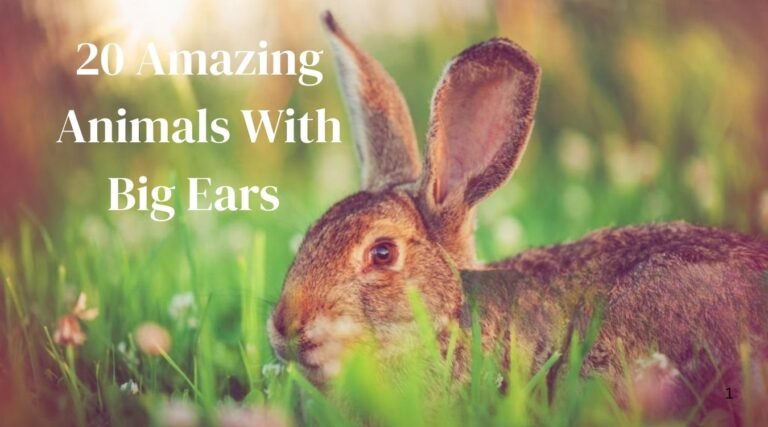
Rabbits are a common and important food for many animals in the wild. From sharp-eyed birds flying high in the sky to clever mammals hunting on the ground, a wide variety of creatures rely on rabbits for their next meal. This includes Animals That Eat Rabbits like foxes, coyotes, bobcats, and weasels, as well as several types of owls, hawks, and even some snakes, all playing a vital part in the natural food chain by catching rabbits. Understanding who these predators are helps us see how nature balances itself and why rabbit populations can change.
List of Animals That Eat Rabbits
Below is the list animals that eat rabbits:
- Foxes
- Badgers
- Bobcat
- Weasel
- Dogs
- Great Horned Owl
- Ferrets
- Golden Eagle
- Wolves
- Eurasian Lynx
- Snakes
- Red-tailed Hawk
- Bears
- Coyotes
Foxes
Scientific Name: Vulpes vulpes
Class: Mammalia
Diet: Omnivore
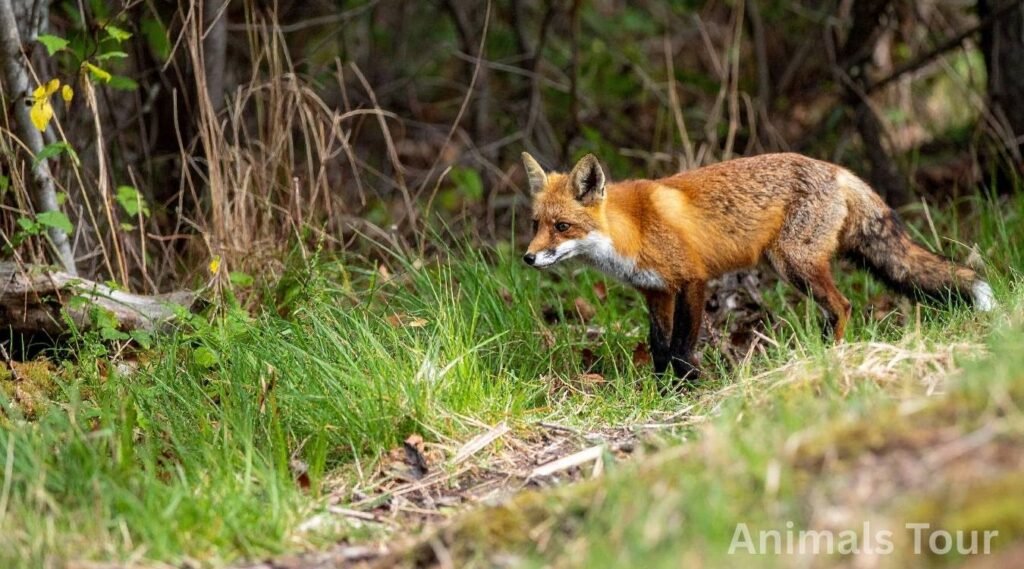
Foxes are highly efficient predators, renowned as skilled hunters who frequently include rabbits as a primary component of their diverse diet. Employing a sophisticated way of hunting, these agile canids utilize their keen senses, stealth, and quick reflexes to stalk and capture prey, making them formidable natural controllers of rabbit populations.
While rabbits are a significant food source, a fox’s diet is incredibly varied, encompassing rodents, birds, insects, and even fruits, highlighting their opportunistic nature. This broad dietary range and predatory skill underscore their crucial role in the ecosystem, helping to regulate prey populations and maintain biodiversity. Ultimately, foxes are indispensable apex predators whose hunting prowess and varied diet are vital for a balanced and healthy ecosystem.
Badgers
Scientific Name: Meles meles
Class: Mammalia
Diet: Omnivore
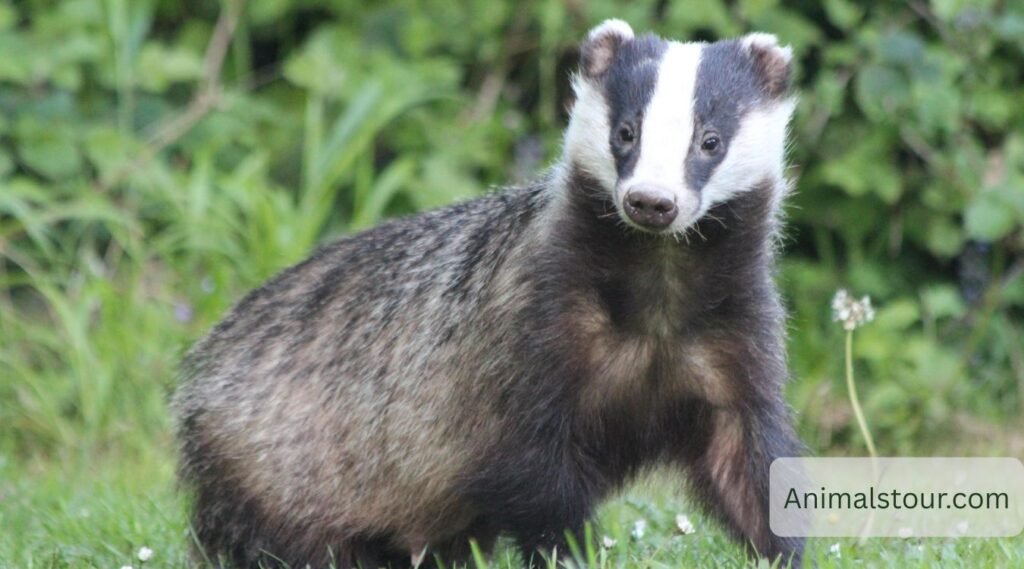
Badgers are highly skilled hunters, primarily known for their effective way of hunting and eating rabbits, which forms a significant part of their diverse diet. These nocturnal predators utilize their powerful claws and keen sense of smell to dig out rabbit warrens, showcasing a specialized hunting technique crucial for their survival.
While rabbits are a key food source, a badger’s diet is actually quite broad, encompassing insects, worms, fruits, and small rodents, highlighting their omnivorous nature and defining their vital role in the ecosystem by helping to regulate prey populations. Consequently, badgers are indispensable natural predators, essential for maintaining healthy wildlife communities and overall ecosystem stability.
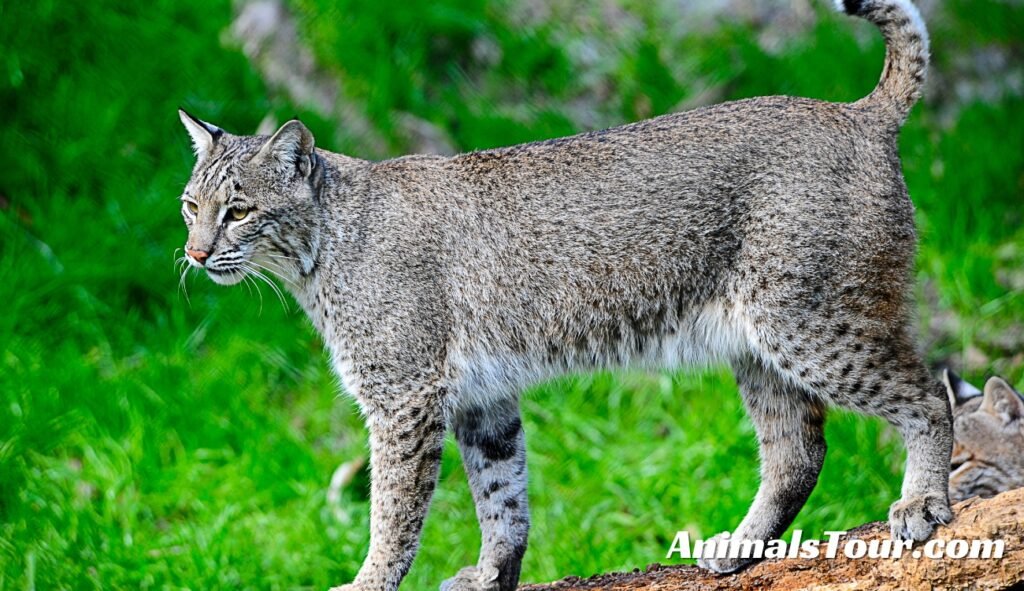
Bobcat
Scientific Name: Lynx rufus
Class: Mammalia
Diet: Carnivore
The bobcat, a formidable hunter, primarily relies on its keen predatory instincts, making it one of the most efficient animals that eat rabbits in its habitat. With its acute senses and silent stalk, the bobcat employs a highly effective hunting strategy, making it a top-tier predator. While its diet can be varied, including rodents and birds, it frequently eats a bunny, demonstrating its specialized skill in apprehending these swift creatures.
This consistent predation establishes the bobcat’s vital role in the environment, helping to regulate prey populations and ensuring the health of its ecosystem. Thus, the bobcat’s existence as a dedicated hunter and a prominent consumer of rabbits underscores its importance as a natural population controller.
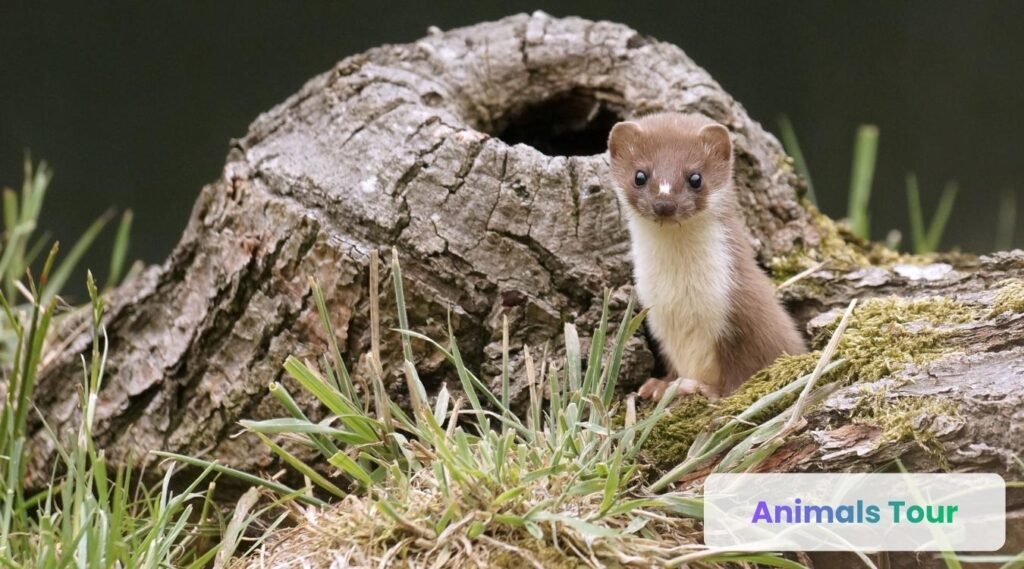
Weasel
Scientific Name: Mustela nivalis
Class: Mammalia
Diet: Carnivore
Weasels are formidable hunters, primarily known for their efficiency in preying on rabbits, which form a significant part of their carnivorous diet. Their distinctive way of hunting involves relentless pursuit, agile maneuvers, and a powerful bite, making them highly effective natural predators across various landscapes.
While rabbits are a staple, a weasel’s diverse diet also encompasses a range of small mammals like rodents, voles, and shrews, alongside birds, eggs, and even insects, showcasing their adaptability and opportunistic nature. Consequently, the weasel’s crucial role in the ecosystem is to maintain ecological balance by controlling prey populations, solidifying their status as vital predators within their habitats.
Dogs
Scientific Name: Canis lupus familiaris
Class: Mammalia
Diet: Omnivore
Dogs, as skilled hunters, frequently pursue and consume rabbits, a behavior deeply ingrained in their predatory nature. This instinctual pursuit clearly illustrates the answer to what eats rabbits in many ecosystems, demonstrating their innate hunting capabilities.
For many dog breeds, especially those with strong prey drives, the act of catching and eating a bunny is not merely sport but a vital part of their diet, reflecting an ancient way of living. This natural process showcases how dogs secure sustenance through active hunting, shaping their daily lives and contributing to their survival.
Indeed, their very existence often answers the question of what eats a bunny in the wild, solidifying their role as efficient carnivores. Ultimately, the hunting and eating of rabbits by dogs is a fundamental aspect of their biology, defining both their diet and their natural behavior.

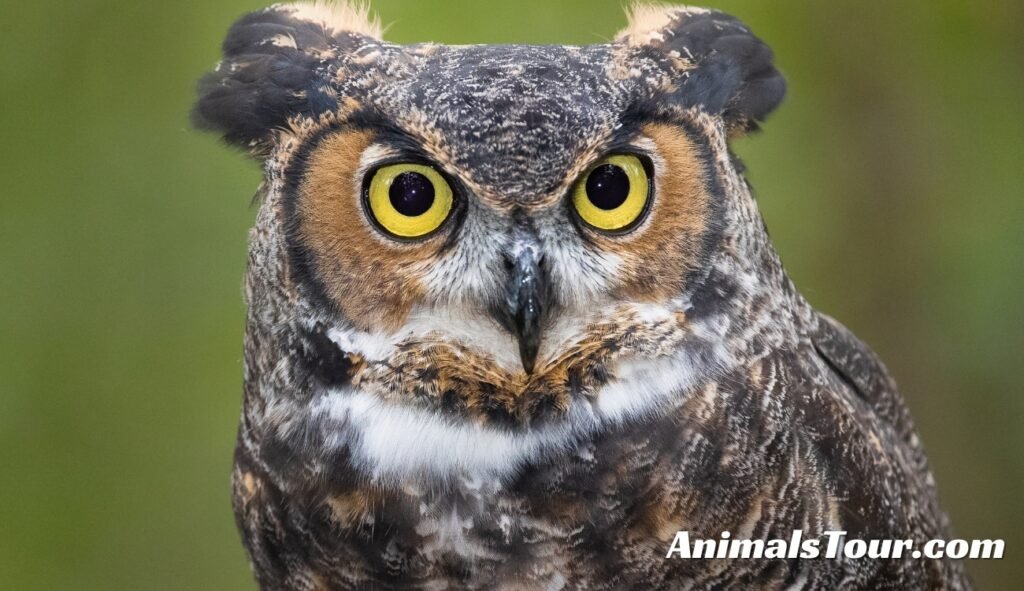
Great Horned Owl
Scientific Name: Bubo virginianus
Class: Aves
Diet: Carnivore
The Great Horned Owl is a powerful and skilled hunter, playing a vital part in its natural ecosystem. These adaptable birds are well-known for their quiet way of hunting, often using the cover of night to surprise their prey with a silent swoop. This impressive bird uses its sharp eyesight and silent flight to expertly ambush prey, often making a swift meal of rabbits, which are a frequent and important part of its food intake.
Beyond just rabbits, its adaptable diet includes various rodents, birds, and even other predators, showcasing its dominance in the food chain. By actively managing populations of small mammals and other creatures, the Great Horned Owl plays a vital role in the ecosystem, helping to maintain natural balance in its environment.
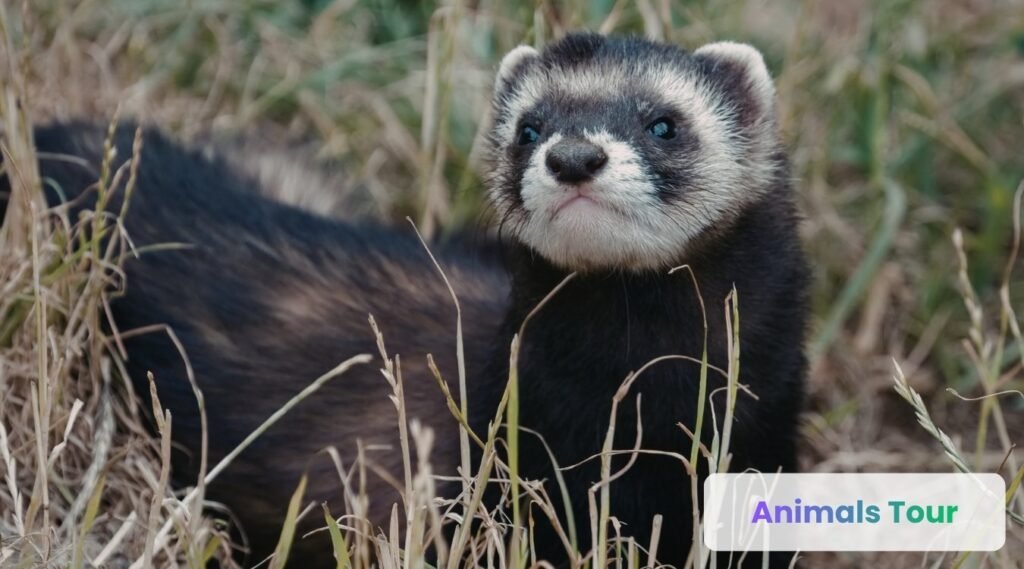
Ferret
Scientific Name: Mustela putorius furo
Class: Mammalia
Diet: Carnivore
Ferrets are highly effective hunters, famously adept at pursuing and eating rabbits. Their slender, flexible bodies enable them to navigate intricate burrow systems, making their unique way of hunting particularly specialized for subterranean prey, where they relentlessly flush out or corner their quarry. While rabbits form a significant and preferred part of their natural diet, especially for wild or working ferrets, these obligate carnivores will also consume rodents, birds, and insects, showcasing their versatility as opportunistic predators.
As efficient natural controllers of small mammal populations, ferrets play a crucial role in the ecosystem, contributing to biodiversity and maintaining ecological balance by managing prey numbers. Ultimately, the ferret’s specialized hunting prowess and carnivorous diet solidify its position as a significant predator with a vital ecological role in maintaining natural balances.
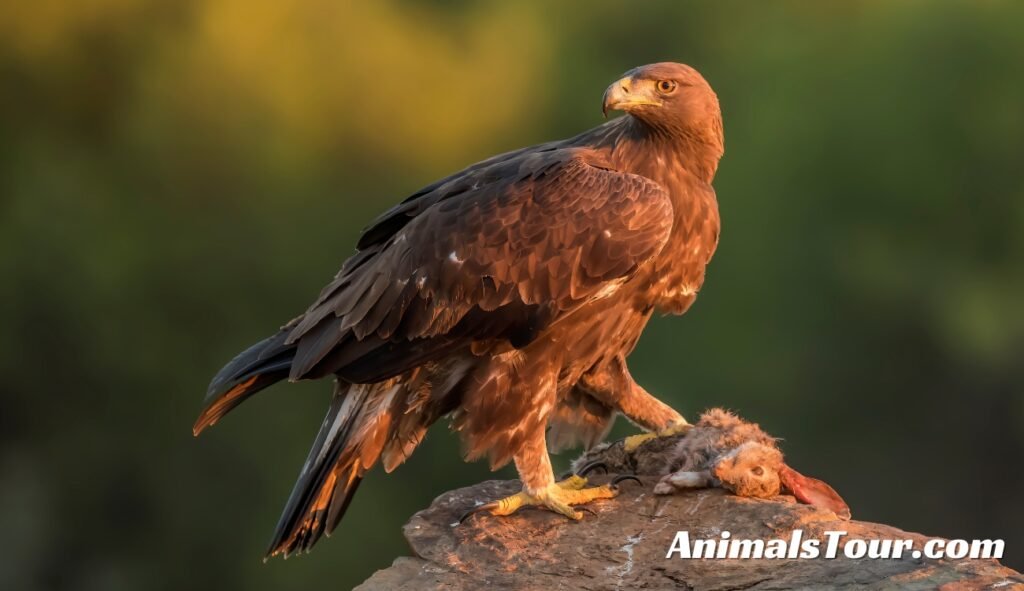
Golden Eagle
Scientific Name: Aquila chrysaetos
Class: Aves
Diet: Carnivore
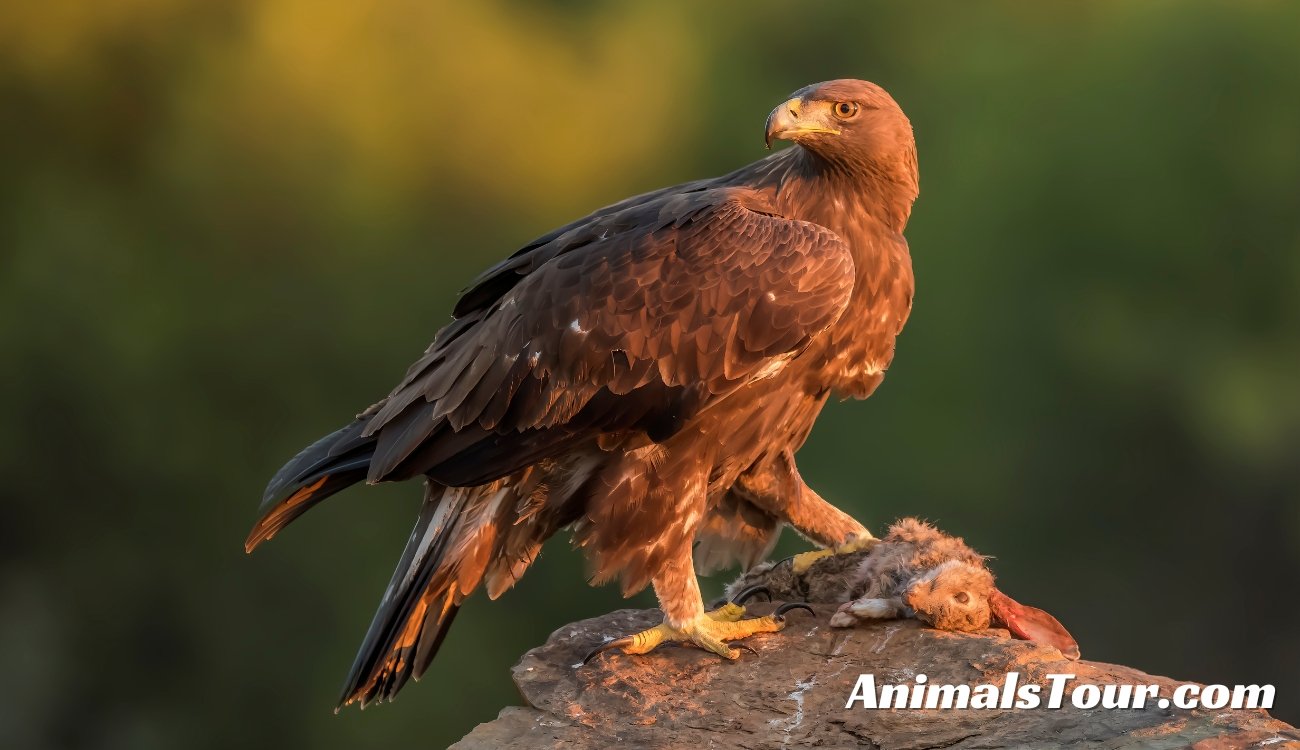
Golden Eagles stand as formidable apex predators, notably skilled as rabbit hunters, whose diverse diet and critical ecosystem role are vital for natural balance. These magnificent raptors employ sophisticated hunting strategies, soaring high above the landscape with keen eyesight to pinpoint prey before executing breathtaking high-speed dives, snatching rabbits and other small mammals with their powerful talons.
Beyond their primary pursuit of rabbits, the Golden Eagle’s diet is remarkably varied, encompassing marmots, ground squirrels, various birds, and even carrion, showcasing their adaptability as opportunistic hunters. Through consistent predator-prey dynamics, Golden Eagles are instrumental in controlling prey populations, thus maintaining healthy ecosystems and acting as a significant indicator species for environmental quality.
Wolves
Scientific Name: Canis lupus
Class: Mammalia
Diet: Carnivore
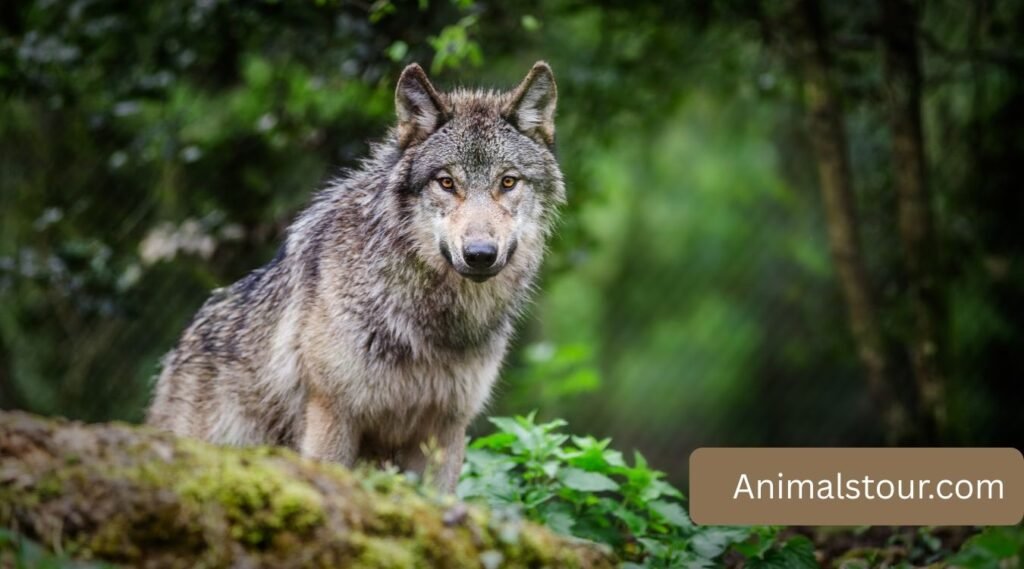
Wolves, formidable apex predators, are highly skilled hunters of rabbits and a diverse array of other prey, showcasing sophisticated hunting strategies vital for maintaining ecosystem balance. Their renowned wolf hunting strategy often involves coordinated pack hunting, where members work together to pursue agile prey like rabbits with stealth and endurance, though their primary wolf diet typically centers on larger ungulates such such as deer, elk, and moose, supplemented by smaller mammals and carrion.
This varied diet and their efficient hunting techniques underscore their indispensable wolf ecosystem role by controlling herbivore populations, culling the weak and sick, and promoting healthier prey herds while preventing overgrazing. Ultimately, understanding wolves’ hunting methods, their adaptable diet, and their profound ecosystem role confirms their status as a keystone species essential for a thriving and balanced natural environment.
Eurasian Lynx
Scientific Name: Lynx lynx
Class: Mammalia
Diet: Carnivore
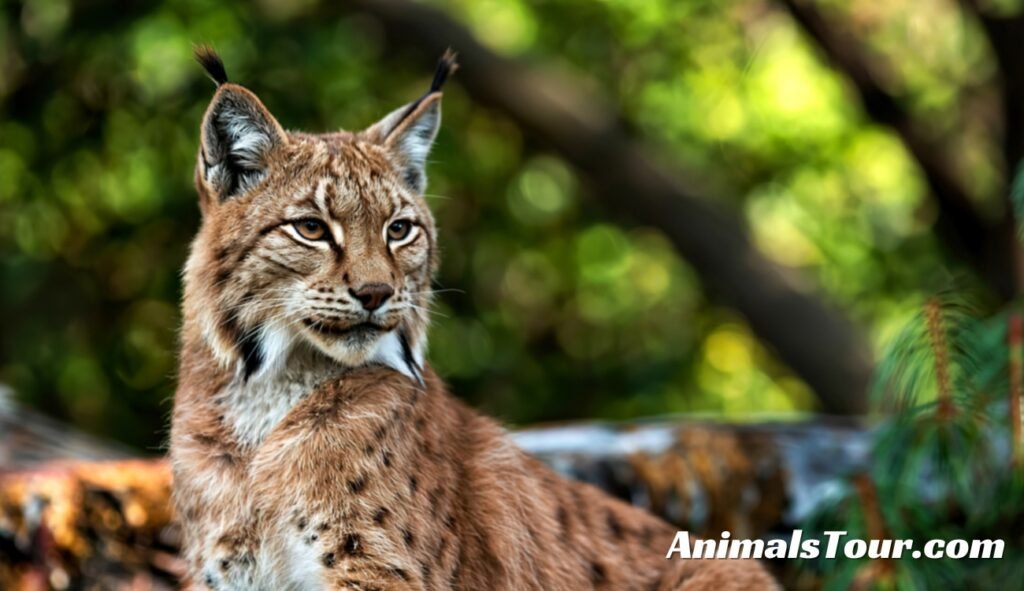
The Eurasian Lynx is a highly specialized predator, primarily renowned for its exceptional skill in hunting rabbits and hares across its vast forested territories. Employing a masterful blend of stealth and ambush tactics, these elusive felines patiently stalk their prey through dense undergrowth before executing a swift, powerful pounce that ensures a decisive capture.
While their consistent predation on lagomorphs effectively answers the question of what animals eat bunnies, the lynx’s diet is remarkably adaptable, also encompassing small ungulates like roe deer and musk deer, as well as various birds and rodents when primary prey populations fluctuate. Consequently, the Eurasian Lynx plays a critical ecological role by regulating herbivore numbers, thereby preventing overgrazing and maintaining the vital health and biodiversity of its forest ecosystems.
Snakes
Scientific Name: Serpentes
Class: Reptilia
Diet: Carnivore
When considering what eats rabbits, snakes emerge as highly effective predators, playing a crucial role in many ecosystems. Their specialized hunting methods typically involve a patient ambush, where they lie camouflaged and motionless, waiting for an unsuspecting rabbit to venture within striking range.
With a swift strike, they seize their prey, often employing powerful constriction to subdue it before swallowing it whole. While rabbits can represent a significant food source for larger snake species, their diet is remarkably diverse, encompassing a wide array of rodents, birds, eggs, and even other reptiles, depending on the snake’s species, size, and geographic location. This predatory behavior positions snakes as vital components of the food web, regulating prey populations and contributing significantly to the overall health and balance of their habitats.

Red-tailed Hawk
Scientific Name: Buteo jamaicensis
Class: Aves
Diet: Carnivore
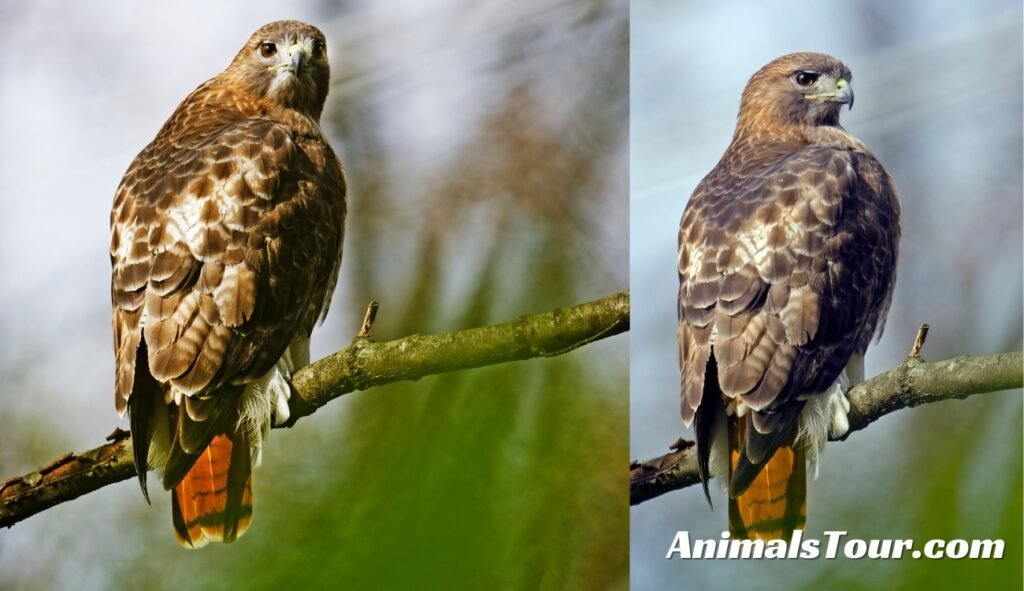
The Red-tailed Hawk is a powerful and important bird of prey, known for its expert hunting skills and varied diet. These majestic hawks are especially famous for their ability to eat rabbits, which often make up a significant portion of their meals. They hunt by soaring high in the sky, using their incredibly keen eyesight to spot prey like small mammals from great distances before performing a swift, powerful dive.
Beyond rabbits, their diet also includes mice, squirrels, snakes, and even other birds, showcasing their adaptability as a predator. Thus, the Red-tailed Hawk plays a crucial role in maintaining a healthy ecosystem by keeping prey populations in check and acting as a natural form of pest control.
Bears
Scientific Name: Ursidae
Class: Mammalia
Diet: Omnivore
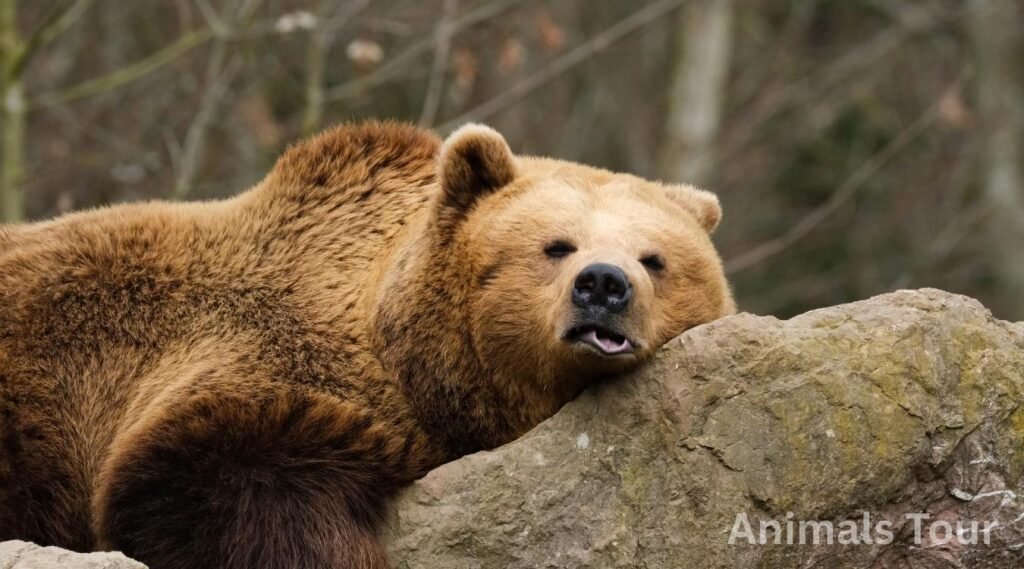
Bears are highly adaptable omnivores whose diverse diet often includes small prey like rabbits, reflecting their opportunistic hunting strategies. While often associated with berries, fish, or larger game, many bear species, including grizzly and black bears, are opportunistic predators that will readily hunt small mammals.
This demonstrates that bears are indeed among what animals eat rabbits, employing various hunting methods such as ambushing, digging out burrows, or simply capitalizing on available opportunities. Incorporating rabbits into their diet provides essential protein and energy, especially during periods when other food sources are scarce, underscoring their adaptability as generalist feeders.
This crucial dietary flexibility allows bears to thrive in diverse habitats and plays a vital role in regulating prey populations within their ecosystems. Ultimately, the capacity of bears to hunt and consume rabbits underscores their versatile predatory nature and their significant, adaptive contribution to the ecological balance of their environments.
Coyote
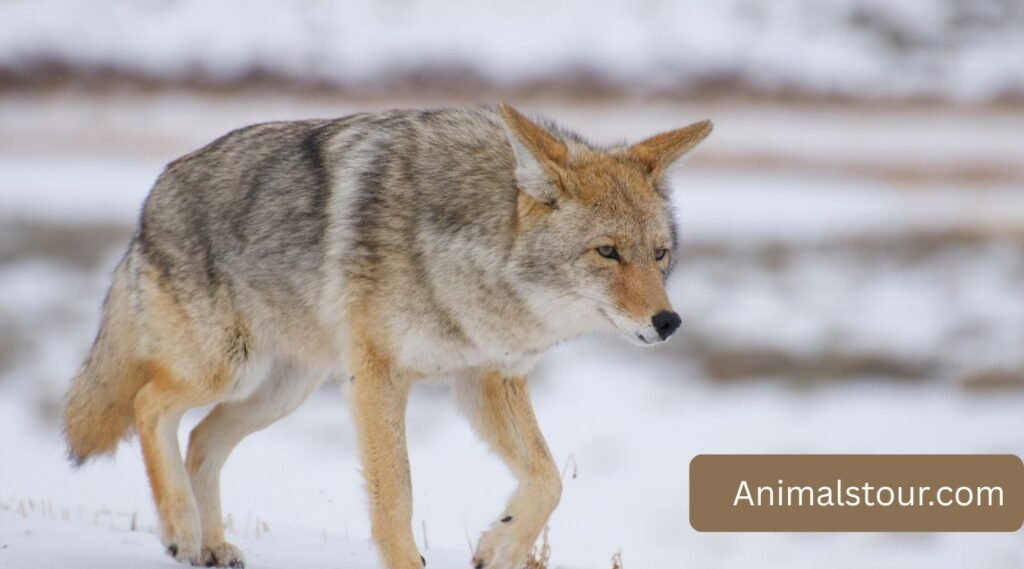
Scientific Name: Canis latrans
Class: Mammalia
Diet: Omnivore
Coyotes often eat rabbits, which is a very important part of their daily life and what they eat. Rabbits are a main food source for coyotes, giving them the energy and nutrients they need to live and thrive in their natural homes.
By hunting rabbits, coyotes help keep the rabbit population in check, stopping them from eating too much plant life and allowing other animals to find food. This natural control keeps the ecosystem balanced and healthy for all creatures and plants. So, watching coyotes hunt rabbits shows us how they play a vital role in keeping nature working well.
Final Thoughts
To wrap things up, we’ve explored a fascinating list of animals that consider rabbits a key part of their diet. From quick foxes on the ground to powerful eagles in the sky, and even silent owls at night, rabbits face many dangers. This wide variety of predators highlights how crucial rabbits are in the food chain, providing food for countless other creatures in their natural homes. Ultimately, understanding these natural hunters helps us appreciate the complex balance of nature and the important role rabbits play in it.
FAQs
What eats rabbits?
Rabbits have a host of natural predators. Common threats include foxes, hawks, and owls, all of which hunt rabbits for food. Ground predators like coyotes and weasels also see rabbits as a staple in their diet. Even domestic pets like dogs may chase and sometimes catch rabbits in certain situations. In addition to these carnivorous animals, rabbits also face dangers from larger predators such as bobcats and mountain lions. Even smaller creatures, like raccoons and snakes, can take advantage of a rabbit when the opportunity arises.
Do bears eat rabbits?
Yes, bears do eat rabbits, along with a variety of other foods. While their diet primarily consists of plant matter like berries and nuts, they are opportunistic feeders. This means they will eat small mammals, including rabbits, if the opportunity arises. In the wild, bears generally prefer easier prey, but they won’t hesitate to catch a rabbit if they’re hungry and it’s available.
Do foxes eat rabbits?
Yes, foxes do eat rabbits. They are opportunistic hunters and rabbits are a significant part of their diet, especially in rural areas where these small mammals are abundant. Foxes use their keen senses and agility to stalk and catch rabbits, often employing stealth to get close before pouncing.