Discover Top 11 Animals That Eat Honey (With Images)
Many animals love to eat honey. Bears are famous for this, often raiding beehives to get the sweet treat inside. But other creatures like badgers, raccoons, and even some birds also enjoy honey. They are often willing to face angry bees to get their sugary snack. For these animals, honey is a valuable and tasty food source. In this article we explore the animals that eat honey.
List of animals that eat Honey
Here is the list of animals that eat Honey:
- Chimpanzees
- Bees
- Small Hive Beetles
- Martens
- Honey Buzzards
- Raccoons
- Honey Ants
- Bears
- Honeyguides
- Skunks
- Honey Badgers
Chimpanzees
Scientific name: Pan troglodytes
Class: Mammalia
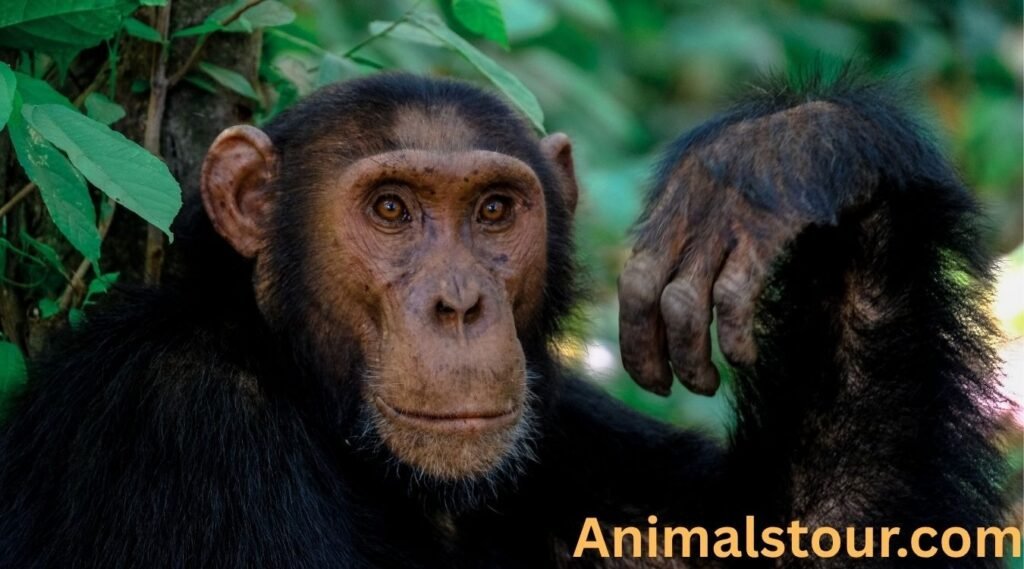
Chimpanzees are highly intelligent primates with a diverse diet that includes a variety of foods found in their natural habitats. Among their many food sources, they are well-known as honey eating animals, often going to great lengths to extract this sweet treat from beehives. They show remarkable ingenuity, using sticks as tools to reach deep into crevices or even braving stings to get to the honey. When considering which animal likes honey, chimpanzees certainly stand out for their persistent efforts and clear enjoyment of it, making it a valuable and sought-after part of their diet. This preference for honey, alongside fruits, leaves, and insects, highlights their adaptability and the clever ways they find nourishment in their environment.
Bees
Class: Insecta
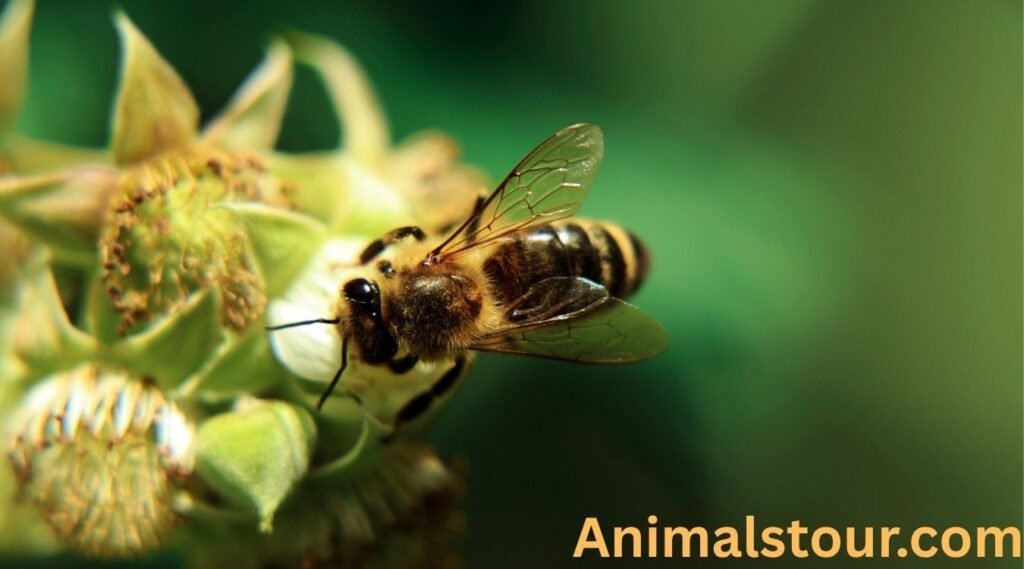
Bees are remarkable insects, primarily known for producing honey, a sweet and energy-rich food source that appeals to many creatures. This delicious substance makes bees a target for various honey eating animals in the wild. For instance, bears are famously fond of honey, often going to great lengths to raid beehives, while badgers also dig up ground nests to get to the sweet treat. Humans, too, have cherished honey for thousands of years, using it as a food, medicine, and sweetener. Therefore, if you ever wonder which animal likes honey, the list is quite extensive, highlighting its universal appeal across the animal kingdom.
Small Hive Beetles
Scientific name: Aethina tumida
Class: Insecta
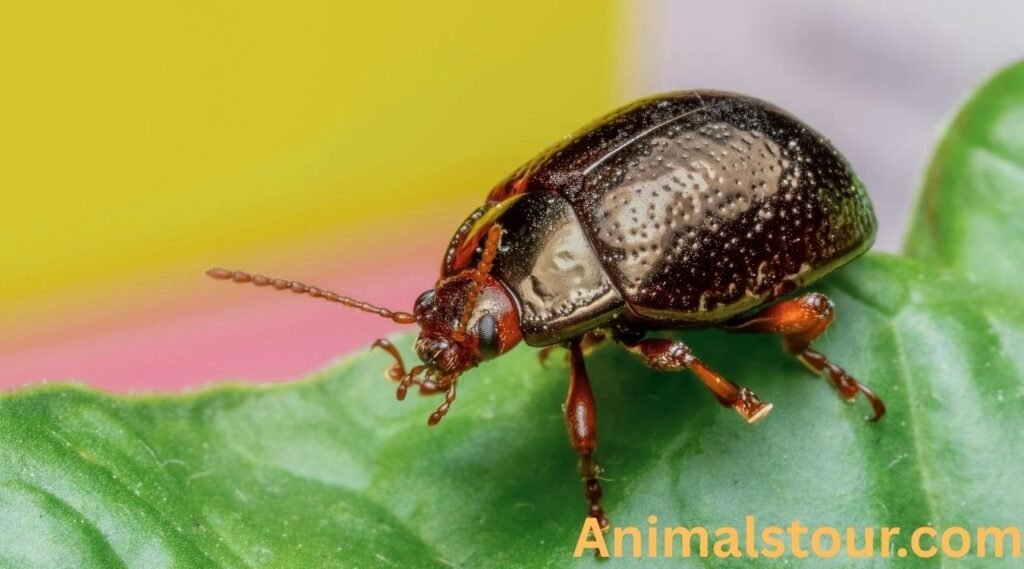
Small Hive Beetles are a serious threat to honey bee colonies and the valuable products they create. These tiny, dark beetles invade hives, laying their eggs in cracks and crevices, and their larvae then burrow through honeycombs, causing the honey to ferment and become a slimy, foul-smelling mess. Unlike many beneficial honey eating animals that might simply take a share, these beetles completely ruin the entire honey harvest, making it unfit for consumption by bees or humans. It’s a stark reminder that while we often wonder which animal likes to eat honey for its sweetness, these pests are only interested in destroying it. Their destructive actions can quickly overwhelm a colony, leading to stress, disease, and eventually, the abandonment of the hive by the bees. Ultimately, Small Hive Beetles are destructive pests that devastate beehives and the precious honey they contain, causing significant losses for beekeepers.
Martens
Scientific name: Martes martes
Class: Mammalia
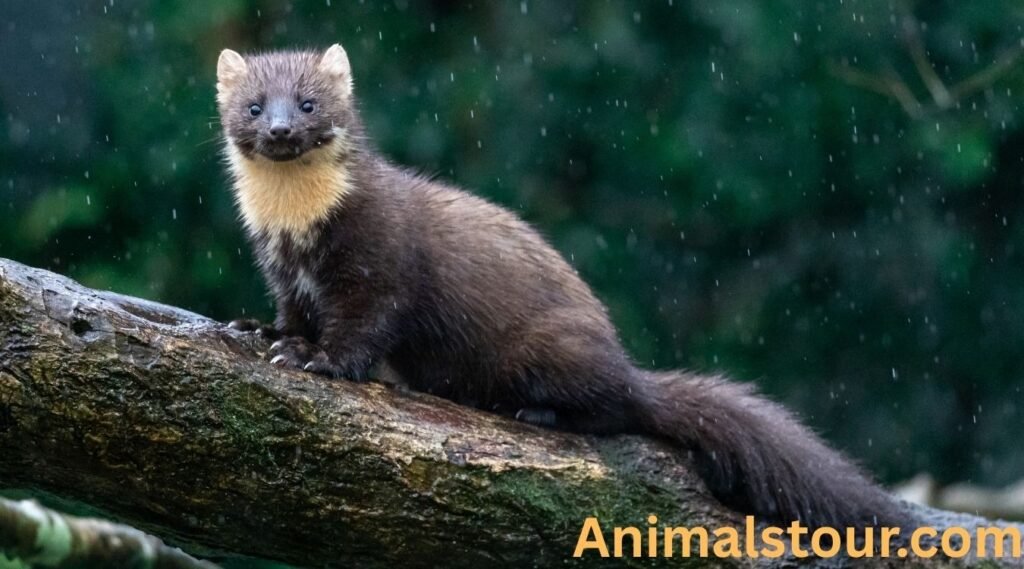
Martens are interesting omnivores with a varied diet, including a surprising fondness for honey. While they primarily hunt small prey and forage for fruits and nuts, certain species, particularly the Yellow-throated Marten, are well-known as honey eating animals. They are adept climbers, allowing them to access beehives high in trees. If you’ve ever wondered which animal likes to eat honey besides the more commonly recognized bears, martens certainly fit the description, making them clever foragers for this sweet treat. Their occasional raids on beehives highlight a unique aspect of their diet and behavior in the wild.
Honey Buzzards
Scientific name: Pernis apivorus
Class: Aves
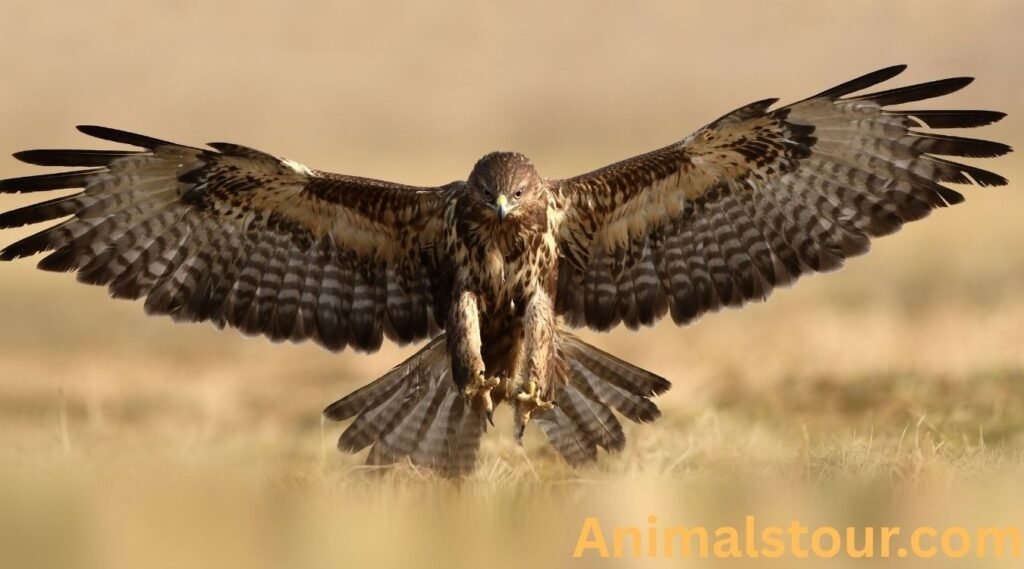
The Honey Buzzard is a unique bird of prey, known for its very specialized diet. Unlike most raptors that hunt small mammals or birds, these buzzards primarily feed on the larvae and pupae found within the nests of wasps and bees. This often leads people to ask, “which animal likes to eat honey?” and while the Honey Buzzard is named for its association with bee and wasp nests, its main interest lies in the nutritious grubs rather than the honey itself. They are incredibly skilled at digging up underground nests and are equipped with dense, scale-like feathers around their face to protect them from stings, distinguishing them from other honey eating animals that directly consume the sweet substance. Their adaptation to this specific food source makes the Honey Buzzard a truly fascinating and specialized hunter in the natural world.
Raccoons
Scientific name: Procyon lotor
Class: Mammalia
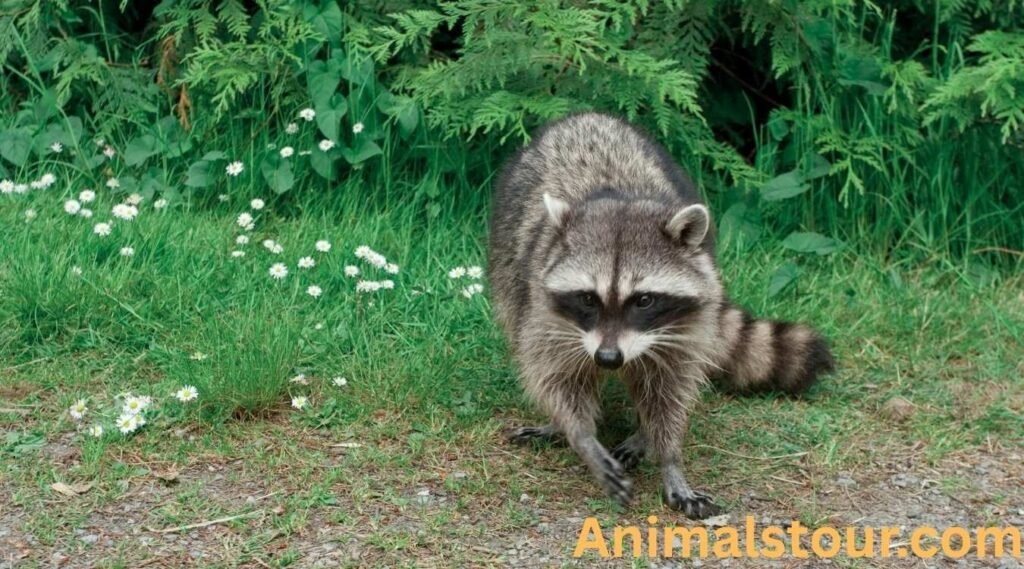
Raccoons are highly adaptableand intelligent creatures recognized by their distinctive bandit-like masks and dexterous front paws. These opportunistic omnivores thrive in various environments, eating a wide range of foods from berries and nuts to insects and small critters. Interestingly, raccoons are among the honey eating animals you might encounter, often drawn to the sweet treat found in beehives. If you’ve ever pondered which animal likes honey besides bears, raccoons are certainly a strong candidate, known for their ability to raid hives for a sugary snack. Their cleverness and versatility allow them to find sustenance almost anywhere. Ultimately, raccoons are resourceful foragers with a broad diet, including a surprising fondness for honey.
Honey Ants
Scientific name: Myrmecocystus mexicanus
Class: Insecta
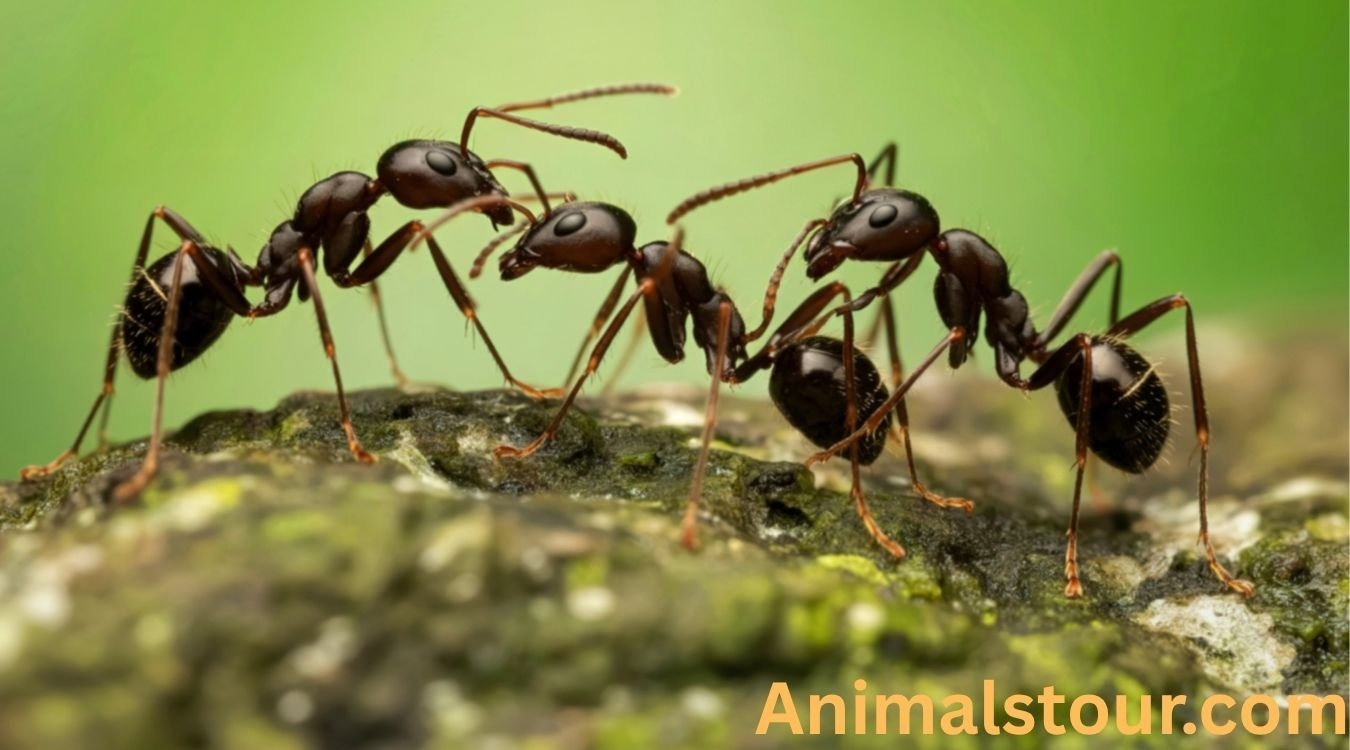
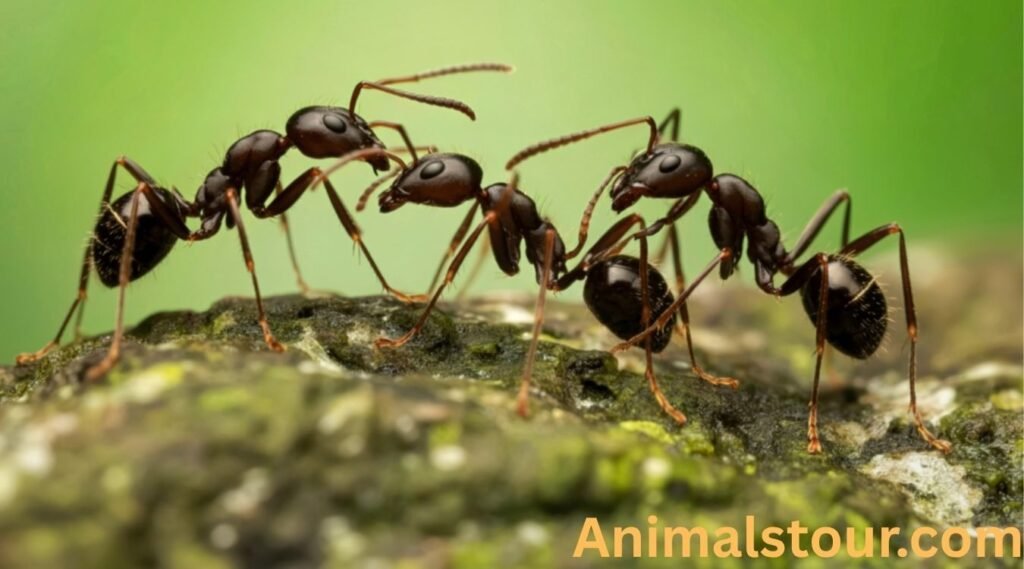
Honey ants are truly unique insects, well-known for their extraordinary method of storing food. Within their colonies, certain worker ants, called repletes, function as living storage containers, swelling with nectar and other sweet liquids. These ants are prime examples of honey eating animals, as they consume and then store these sugary provisions to sustain their colony. This stored “honey” is vital during periods when food is scarce, and it’s not just other ants that appreciate it; these plump repletes are a delicacy for which animal like to eat honey, including humans and other predators who might seek out their sweet reserves. This remarkable adaptation ensures the survival of the entire colony during lean times.
Bears
Scientific name: Ursus arctos
Class: Mammalia
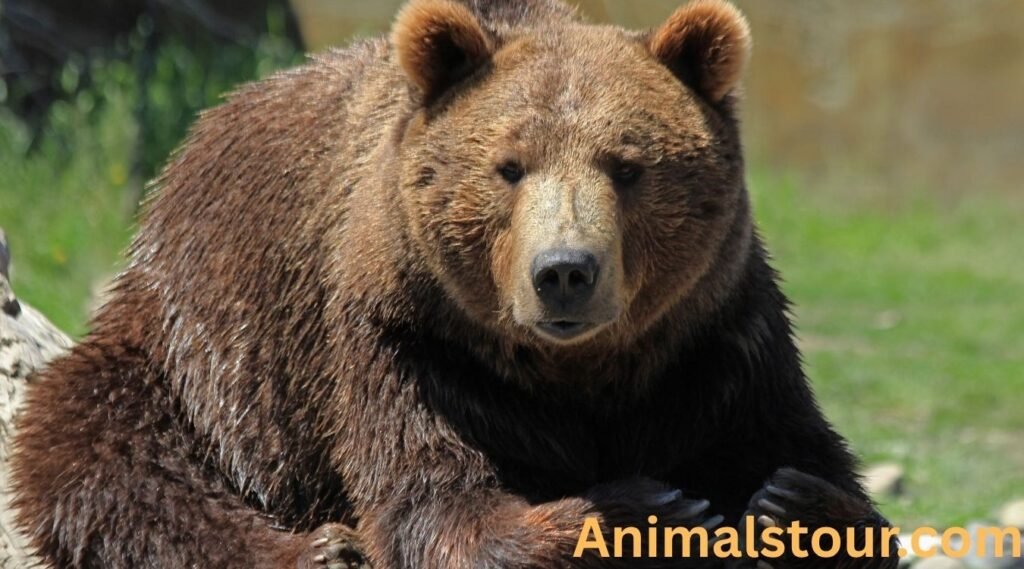
Bears are very famous for eating honey, and many people think of them first when they hear about animals that love this sweet treat. They are indeed one of the most well-known honey eating animals in the world, often shown in stories and cartoons trying to get into beehives. Bears are attracted to honey because it is full of sugar, which gives them a lot of energy, especially important for big animals that need to store fat for the winter or for periods when food is scarce. They are quite strong and clever, able to break apart beehives, even though bees will try to sting them to protect their sweet treasure. While honey is a special treat for bears, they also eat many other things like berries, fish, and plants, but their love for honey is truly special and well-documented. If someone asks which animal like to eat honey, the answer “bear” will almost always come up right away because it is such a strong part of their image and natural behavior. So, it’s clear that bears have a very strong and long-standing connection with honey, making it a big part of their well-known habits.
Honeyguides
Scientific name: Indicator indicator
Class: Aves
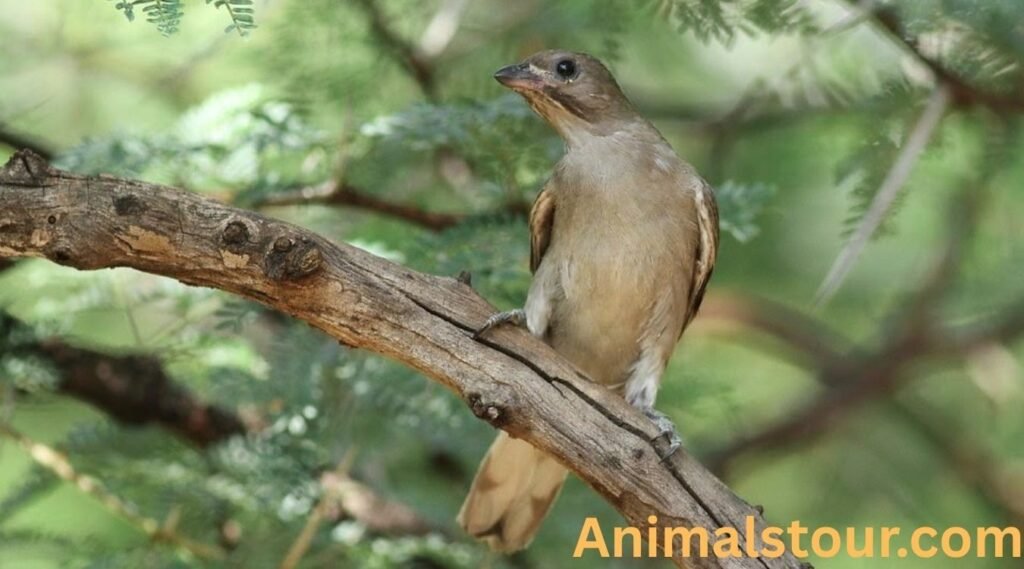
Honeyguides are amazing birds known for their unique way of finding food. These clever birds lead various honey eating animals, particularly honey badgers, to wild beehives. The honeyguide makes a distinct chattering call to attract an animal which likes honey and is strong enough to break open a tough beehive. Once the badger or other mammal has opened the nest and consumed the honey and larvae, the honeyguide then feeds on the leftover beeswax and grubs, which it cannot access on its own. This remarkable cooperative behavior shows a unique partnership in nature, ensuring both the bird and the mammal get a meal they otherwise couldn’t easily obtain.
Skunks
Scientific name: Mephitis mephitis
Class: Mammalia
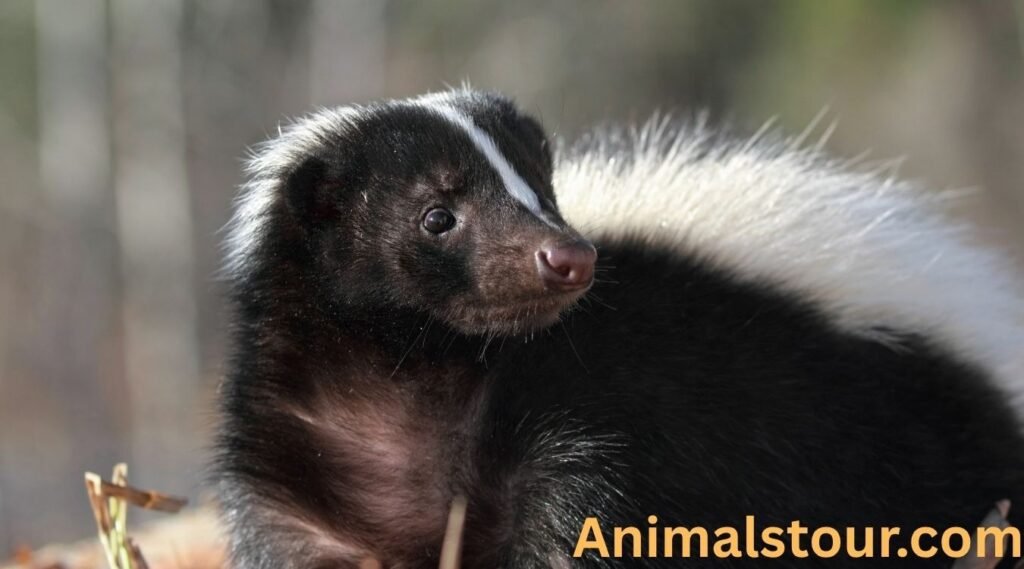
While famously known for their defensive spray, skunks are adaptable omnivores whose diet can sometimes include honey, making them one of the many honey eating animals. Skunks primarily consume insects, grubs, small rodents, and plant matter, but they are opportunistic feeders and will readily exploit available food sources. If a skunk discovers a beehive, it will not hesitate to consume both the sweet honey and the nutritious bee larvae within. This behavior clarifies that when considering which animal eat honey, skunks can certainly be included, even if they are not as famous for it as bears. Therefore, skunks demonstrate a diverse diet that occasionally features honey, showcasing their ability to thrive on various food types.
Honey Badgers
Scientific name: Mellivora capensis
Class: Mammalia
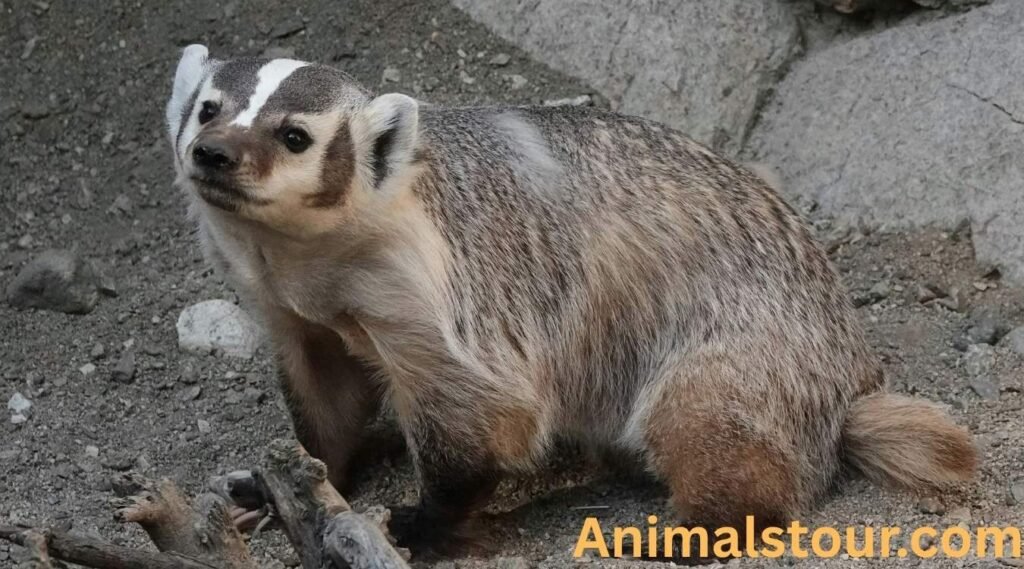
Honey badgers, also known as ratels, are incredibly tough and adaptable animals found across Africa and parts of Asia. They are especially famous for being honey eating animals, often bravely raiding beehives to get to the sweet honey and bee larvae within. When people ask which animal eats honey as main part of its diet, the honey badger frequently comes to mind, even though their actual diet is far more diverse. With their thick skin, strong claws, and fearless attitude, they are well-equipped to face angry bees and other challenges. Beyond honey, they are opportunistic omnivores, eating everything from snakes and scorpions to birds and fruits, showcasing their remarkable adaptability. This combination of fearlessness and a varied diet, including a notable love for honey, makes the honey badger a truly unique and resilient creature.
Final Thoughts
Ultimately, honey serves as a highly coveted and valuable food source for a remarkable variety of animals across different ecosystems. From large mammals like bears and badgers, known for their persistent efforts to raid beehives, to smaller creatures such as various insects, birds, and even some reptiles, the sweet, energy-rich substance offers significant nutritional benefits. These animals often display clever strategies and remarkable resilience to overcome the bees’ defenses, driven by honey’s high sugar content which provides a quick and potent burst of energy essential for survival. Thus, the irresistible appeal and nutritional value of honey firmly establish its importance in the diets and lives of numerous species in the wild.
FAQS
What animals eat the most honey?
Bears are widely known as the animals that eat the most honey, famously raiding hives for the sweet treat. While other creatures like honey badgers and raccoons also enjoy it, bears are the largest and most frequent consumers.
Which animal is known for its love of honey?
Bears are famously known for their great love of honey. They often seek out beehives to enjoy this sweet treat.
What animals cannot eat honey?
Many animals cannot eat honey, as it is not part of their natural diet or can be harmful. For example, fish, reptiles, and most insects do not consume it. Also, very young mammals, like human babies, must avoid it due to health risks.
Do Bees eat Honey?
Bees indeed eat honey. They produce it as their main food source, providing essential energy for themselves and their young to survive, particularly during times when flowers are scarce.
Can a Fox eat Honey?
Yes, foxes do eat honey, demonstrating their opportunistic omnivore diet. They will readily raid beehives not only for the sweet honey, but also for the nutritious bee larvae and adult bees found within.
Do monkeys eat honey?
Yes, many monkey species do eat honey, often raiding beehives with their hands or tools. This sweet, energy-rich treat is a valued part of their diet, showing their opportunistic nature.